Understanding Your Dog
Every dog is different. They each have their own quirks, ways of talking, and emotional needs.
Learning to spot these differences can really help build trust and a stronger bond.
Recognizing Individual Personality
A dog’s personality comes from their genes, their life, and how they’ve been socialized. Some dogs love to play and run, while others are more chill and prefer quiet.
Owners might see their dog react in unexpected ways in new situations. One dog might bolt over to greet guests, while another hangs back and just watches.
Paying close attention to how your dog responds to people, noises, or changes at home can tell you a lot. These little patterns show what makes your dog comfy—or on edge.
Dogs also have favorite games, spots to nap, and daily routines. Knowing these habits helps you provide comfort and keep things interesting for your dog.
Communication Signals
Dogs talk with body language, sounds, and even their faces. Understanding these signals can make life with your dog smoother.
A wagging tail, relaxed body, or playful bow usually means happiness or excitement. But a tucked tail, ears pinned back, or lip licking? That’s often stress or appeasement, as you’ll see in this guide to reading dog body language.
Growling and barking can mean a lot of things—fear, warning, or just being excited. Dogs also use eye contact, yawning, and even scratching to send messages.
It’s better to look at the whole dog, not just one part, when reading their signals. This helps you avoid mix-ups and keeps things safer for everyone.
Emotional Needs
Dogs need attention, play, and reassurance from their people. Meeting these emotional needs helps them stay calm and happy.
If dogs get left alone too long, they might get anxious or start chewing up the place. Giving them toys, walks, and a steady routine can keep boredom away.
Kind words, petting, and rewards help build trust and ease anxiety. Sometimes dogs just want space, and other times they need a cuddle—paying attention to these cues matters.
When you know what calms or excites your dog, you can create a peaceful home. Routine and care help your dog feel safe and loved.
Choosing the Right Environment
A dog’s environment shapes its health, mood, and behavior every day. Setting up a space that meets their needs gives them a better shot at feeling safe and thriving.
Home Setup for Comfort
A comfortable home helps dogs unwind. They want a quiet, draft-free spot to rest—think soft bed or mat.
Older dogs or those with sore joints do better with orthopedic or memory foam beds. Keeping beds clean and dry is a must.
Dog-proofing is important. Remove toxic plants, tuck away wires, and block off unsafe areas.
Fresh water should always be out, and food bowls need to stay clean. Some folks stick to set feeding and bathroom schedules, which can reduce anxiety.
Picking a calm spot in the house, away from chaos, helps sensitive dogs. Rooms with good light and airflow are best.
Dogs need safe toys and activities for mental stimulation. For more tips, check out this guide to creating a good home for your dog.
Outdoor Exploration
Letting dogs outside gives them exercise, sunlight, and new things to sniff. These outings keep them fit and sharp.
A yard or garden should be fenced so dogs can’t escape and wild animals can’t get in.
Not every dog does well outside all the time. Weather, breed, and age all play a part in how much outdoor time is right.
Dogs need shelter from rain, wind, and hot sun. Water should always be nearby, and dogs shouldn’t be left outside alone for long.
Walks around the block or trips to the park give dogs more to explore, safely. Most dogs are happiest with a mix of indoor and outdoor time, as suggested in this comparison.
Safe Spaces
Every dog needs a place to hide out and feel safe. This could be a quiet room, a crate with soft bedding, or a cozy corner with favorite toys.
Safe spaces help when there’s a storm, fireworks, or just a rough day. Crate training works for some dogs, giving them a spot that’s all their own.
The crate should be big enough for the dog to stand, turn, and lie down, but not huge. Keep hazards, like sharp stuff or cords, far away.
Teach family members to leave the dog alone in its safe space. Watch for signs of stress—hiding, panting, whining—and encourage your dog to rest there.
For more on making your home safe, see this article.
Nutrition and Feeding
Dogs need protein, fats, carbs, vitamins, and minerals to stay healthy. Feeding the right amounts at the right times keeps them growing and full of energy.
Balanced Diet Principles
A good diet for dogs includes protein, fats, carbs, vitamins, minerals, and water. Protein builds muscle, while fats give energy.
Carbs help digestion and fuel playtime. Most commercial dog foods cover these needs, but ingredient quality matters.
Dogs do best with food made from real meat, good grains, and added vitamins. Reading labels helps you pick better options.
Water is just as important as food. Some dogs enjoy fresh fruit, like blueberries or apple slices, in small amounts.
Keep treats to less than 10% of what your dog eats each day. The right mix keeps their coat shiny and their weight steady, as the American Kennel Club points out.
Feeding Schedules
When and how much you feed your dog matters too. Puppies usually need 3-4 small meals a day since they grow fast.
Most adult dogs do fine with two meals—morning and evening. Feeding at the same times every day helps digestion and cuts down on begging.
Portion size depends on breed, size, age, and how active your dog is. Measuring food and checking feeding guides is a smart move.
Adjust amounts as needed to keep your dog at a healthy weight. You’ll find more advice at PetMD’s dog feeding chart.
Exercise and Activity
Exercise keeps dogs healthy, helps with weight, and can prevent some problem behaviors. Certain activities also keep their minds busy and build your connection.
Daily Walks
Most dogs need daily walks. These outings help burn off energy, give them new things to sniff, and keep them fit.
A healthy adult dog usually needs at least 30 minutes of brisk walking a day. The perfect walk depends on age, breed, and health.
Puppies and older dogs may need shorter strolls, while high-energy breeds want more. New routes or places to walk make things less boring.
Leash walking teaches manners—like not pulling or lunging. Routines help dogs feel secure. Walks also give chances to meet people and practice commands in real life.
For more details, see veterinarian recommendations.
Play and Mental Stimulation
Dogs crave more than just a walk—they need to think, too. Games like tug-of-war, fetch, and puzzle toys can keep them sharp.
Many dogs love hide-and-seek or learning new tricks. Playing games with clear rules, like earning a treat after solving a puzzle, builds trust and keeps things fun.
Interactive toys and food puzzles fight boredom and help prevent chewing on shoes or furniture. Switching up activities keeps dogs interested.
Try rotating toys, teaching tricks, or doing quick training sessions. When outdoor play isn’t possible, check out this list of dog exercises for indoor ideas.
Fundamentals of Dog Training
Training teaches dogs how to act at home and out in the world. It builds good habits and a stronger relationship with you.
Basic Commands
Dogs need to know basic commands like “sit,” “stay,” “come,” and “down.” These are the basics for safety and good manners.
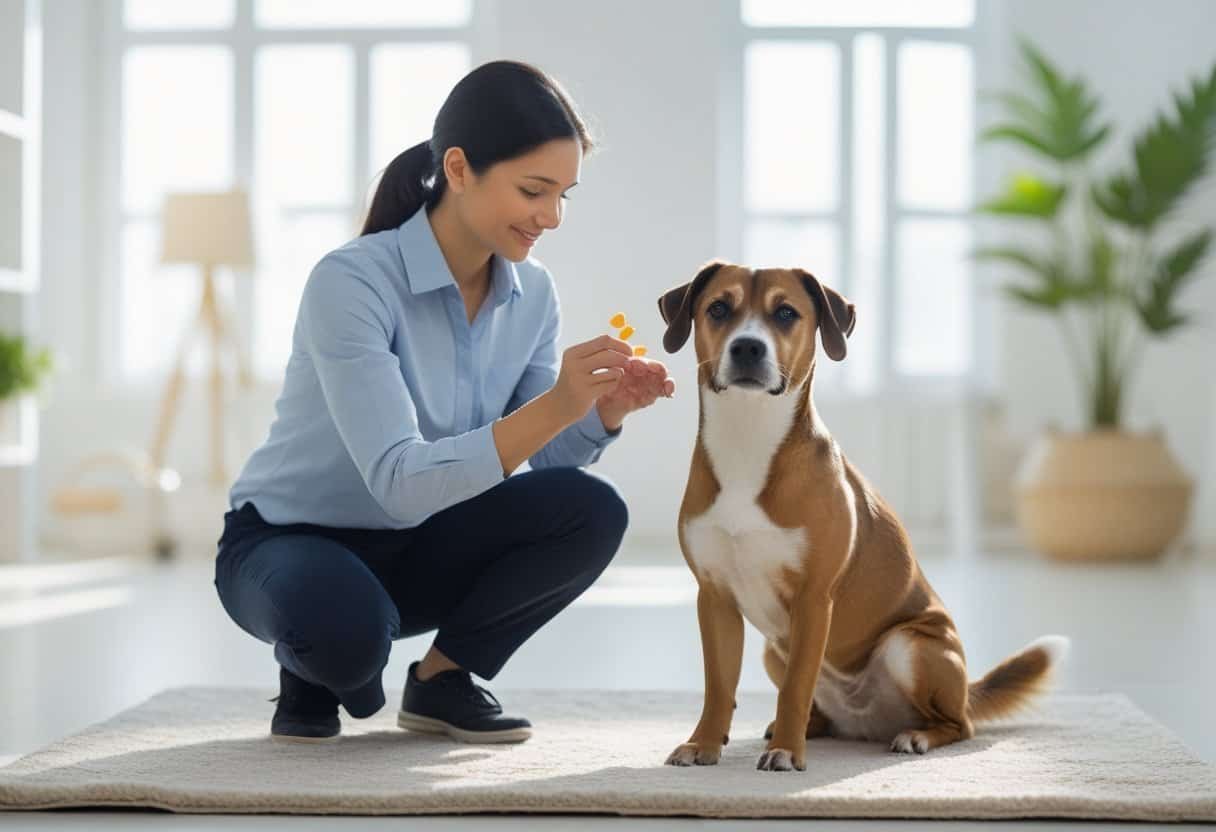
Start with “sit.” Hold a treat over your dog’s nose, then move it back so they sit. When they do, reward them.
Repeat until your dog gets it. For “come,” call your dog and reward them when they show up.
“Stay” means your dog holds their spot until you say so. Begin with short times and reward them for sticking with it.
Short, regular sessions work best—dogs lose focus if you go too long. Training with clear steps and keeping sessions short makes learning easier.
Positive Reinforcement
Positive reinforcement means rewarding dogs for behaviors you like, such as sitting, listening, or just being calm. Rewards can be treats, toys, or even a simple bit of praise and petting.
When your dog does something right, hand out the reward right away so they link their action to your praise. Ignore unwanted behaviors instead of punishing them.
A reward system makes training more enjoyable and helps your dog focus. For example, using treats, toys, or affection as rewards can smooth out the learning process.
Mix up the rewards to keep your dog curious and motivated.
Consistency in Training
Consistency is huge in dog training. Dogs pick things up faster when everyone sticks to the same rules and commands.
Use the same words for each command and try to keep your tone steady. If you let your dog jump on some people but not others, they’ll just get confused and learn slower.
Hold training sessions around the same times each day if you can swing it. Stick to the same types of rewards so your dog knows what’s coming.
Following a regular and predictable training routine helps dogs figure out what you want and usually leads to better behavior.
Here’s a quick example table:
| Command | Word Used | Reward |
|---|---|---|
| Sit | “Sit” | Treat |
| Come | “Come” | Praise, toy |
| Stay | “Stay” | Treat, affection |
Teaching Tricks and Advanced Skills
Dogs can pick up all sorts of skills beyond sit and stay. Practicing both fun and challenging activities can really boost your dog’s confidence and keep their mind sharp.
Training can actually be a lot of fun for everyone.
Fun Tricks for Engagement
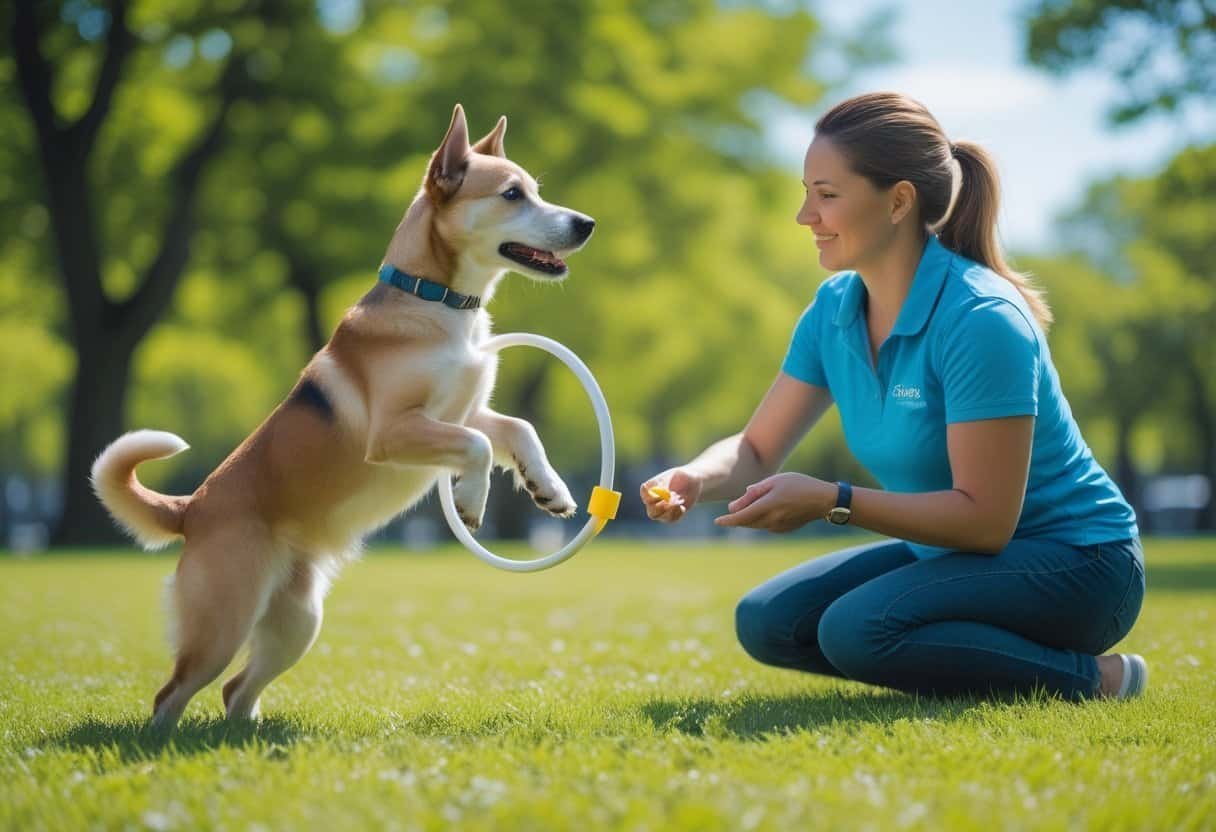
Teaching tricks keeps your dog interested in learning. Some popular ones are “roll over,” “spin,” and “paw.”
Start with treats and clear commands to walk your dog through each new move. Keep sessions short and use positive reinforcement every time your dog gets a little closer to the goal.
For something interactive, try the “touch” trick. Your dog learns to tap their nose or paw on a target like a sticky note, and later you can use this for useful daily actions like closing doors.
Teaching “wave” or “high five” is another good one—simple, but always a crowd-pleaser.
Tip: Break tricks into small steps. Dogs do best with lots of little wins and plenty of praise.
Problem-Solving Exercises
Problem-solving games help dogs use their brains and build confidence. Puzzle toys, treat-dispensing balls, and hide-and-seek games get them thinking and making choices.
You can hide treats for your dog to find or teach them to sniff out a specific item among several.
More advanced activities include teaching your dog to sort objects by color or shape. This kind of advanced dog training works their mind and encourages patience.
Suggestions for starting out:
- Begin with simple puzzles and slowly ramp up the challenge.
- Give clear cues and help out if your dog gets stuck.
- Celebrate every little win, even if it’s just a tiny step.
Managing Dog Behavior
Managing dog behavior takes patience, clear rules, and a good sense of what your dog needs. Spotting and handling unwanted actions early makes life easier for everyone at home.
Common Behavioral Issues
Dogs sometimes develop issues like chewing, barking, and jumping. Puppy teething, boredom, or just too much energy can lead to chewing that gets destructive.
Redirect your dog to safe toys or chew treats to protect your stuff.
Excessive barking can drive anyone nuts. Dogs bark for all sorts of reasons—fear, boredom, excitement, or just to alert you.
Teaching commands like “quiet” and removing triggers can help cut down on the noise.
Jumping on people usually means your dog’s excited or wants attention. Consistent training, rewarding calm, and ignoring jumping can help.
Knowing why your dog acts out lets you fix the root of the problem. For more ideas, check out this list of 10 common dog behavior problems and solutions.
Socialization Techniques
Good socialization helps dogs feel comfortable with new people, animals, and places. Well-socialized dogs are less likely to get aggressive or fearful.
Early exposure is best, but even grown dogs can learn with the right experiences.
Take your dog to different environments—busy parks, quiet streets, or even a friend’s house. Controlled playdates with other dogs can lead to positive interactions.
Use treats or praise to reward calm responses during social encounters.
If your dog gets scared or aggressive, slow down and make things more positive. Group classes or trainers can also help.
Socialization builds confidence and makes life a lot less stressful for your dog.
Addressing Anxiety
Anxious dogs might hide, pace, or act out. Loud noises, being left alone, or changes in routine often set them off.
Spotting these signs early lets you step in before things get worse.
Set up a safe spot where your dog can chill during stressful times. Puzzle toys, background music, or something with your scent can help them feel better.
Try leaving your dog alone for short periods, then reward calm behavior to ease separation anxiety.
If things get really bad, don’t hesitate to talk to a pro or ask your vet about medication. Consistency, patience, and positive reinforcement can make a big difference.
For more ideas, check out these essential tips for managing common dog behavior issues.
Health and Wellness
Caring for a dog’s health means regular check-ups, keeping up with vaccines, and watching for early signs of sickness.
Dogs need daily attention to stay healthy and happy.
Routine Veterinary Care
Dogs should see the vet for wellness exams at least once a year. Puppies and seniors might need more visits.
These check-ups catch problems early, before they get serious.
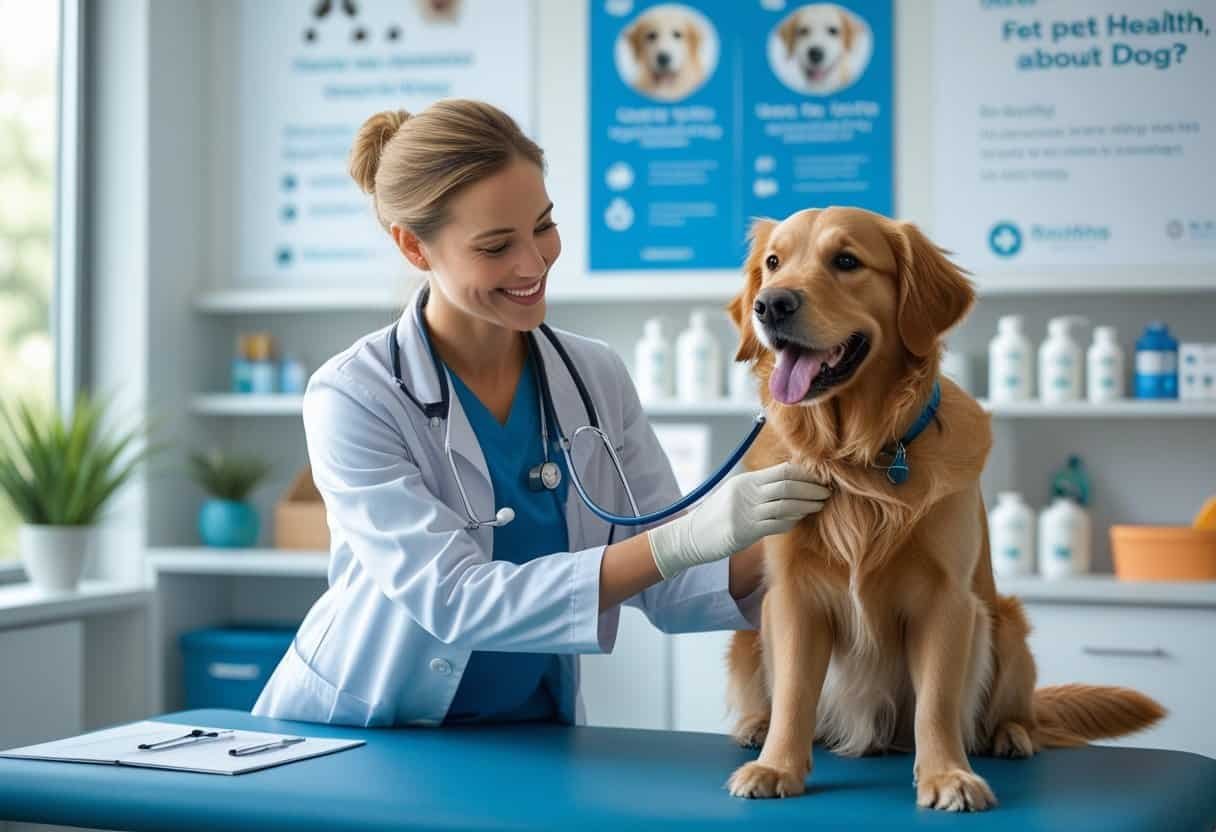
During a visit, vets check the heart and lungs, look at eyes, ears, and teeth, and feel the belly for lumps. They also test for parasites and screen for breed or age issues.
Even if your dog seems fine, regular exams matter. Catching problems early usually means easier and cheaper treatment.
Owners who schedule regular wellness check-ups help their dogs avoid a lot of common illnesses.
Vaccinations and Preventive Medicine
Vaccines protect dogs from nasty diseases like parvovirus, distemper, and rabies. Core vaccines are a must for almost every dog.
Some dogs need extra vaccines based on their lifestyle.
Preventive medicine also means monthly protection against fleas, ticks, and heartworms. Vets can suggest the right products for your dog’s size and where you live.
Don’t forget dental care—brushing or giving dental chews helps prevent gum disease.
Sticking to a vaccine and preventive schedule saves your dog pain and you a lot of money and hassle. Just keeping up with shots and preventives does a ton for maintaining canine health.
Recognizing Signs of Illness
Spotting early signs of sickness is key. Watch for changes in eating, energy, or bathroom habits.
Vomiting, diarrhea, sudden weight loss, coughing, or weird lumps need a vet’s attention right away.
Other warning signs: bad breath, limping, scratching, or acting differently. The sooner you get help, the better the outcome.
Keep an eye on your dog’s daily routine to catch problems fast.
If you notice something off, call your vet—don’t wait. Acting quickly can make a huge difference in keeping your dog healthy.
Grooming and Hygiene
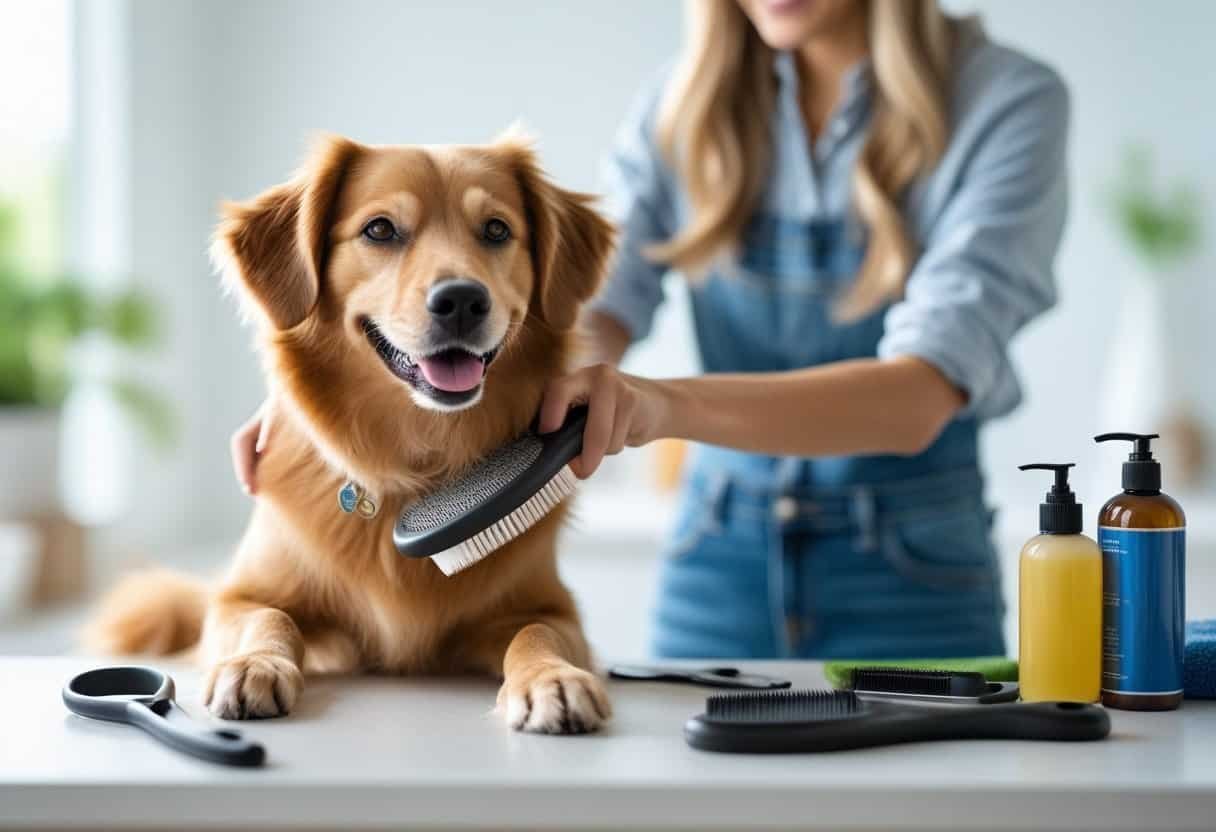
Regular grooming keeps your dog healthy and comfortable. It also helps you spot health changes early.
Bathing and Coat Care
Most dogs need a bath every 4-6 weeks, depending on their coat and how messy they get. Use lukewarm water and dog shampoo to avoid skin problems.
Brush your dog before bathing to get rid of tangles and loose fur. This makes shampooing easier and helps prevent mats.
Wet the fur well and massage in the shampoo gently. Focus on dirty spots like paws, belly, and rear.
Rinse out all the soap to avoid itchy skin. Dry your dog with a towel or pet dryer, but skip the high heat.
Brush after the bath to spread natural oils and keep the coat shiny.
A steady grooming routine helps with your dog’s health and cuts down on shedding. For more step-by-step advice, check out this dog grooming guide.
Nail and Paw Maintenance
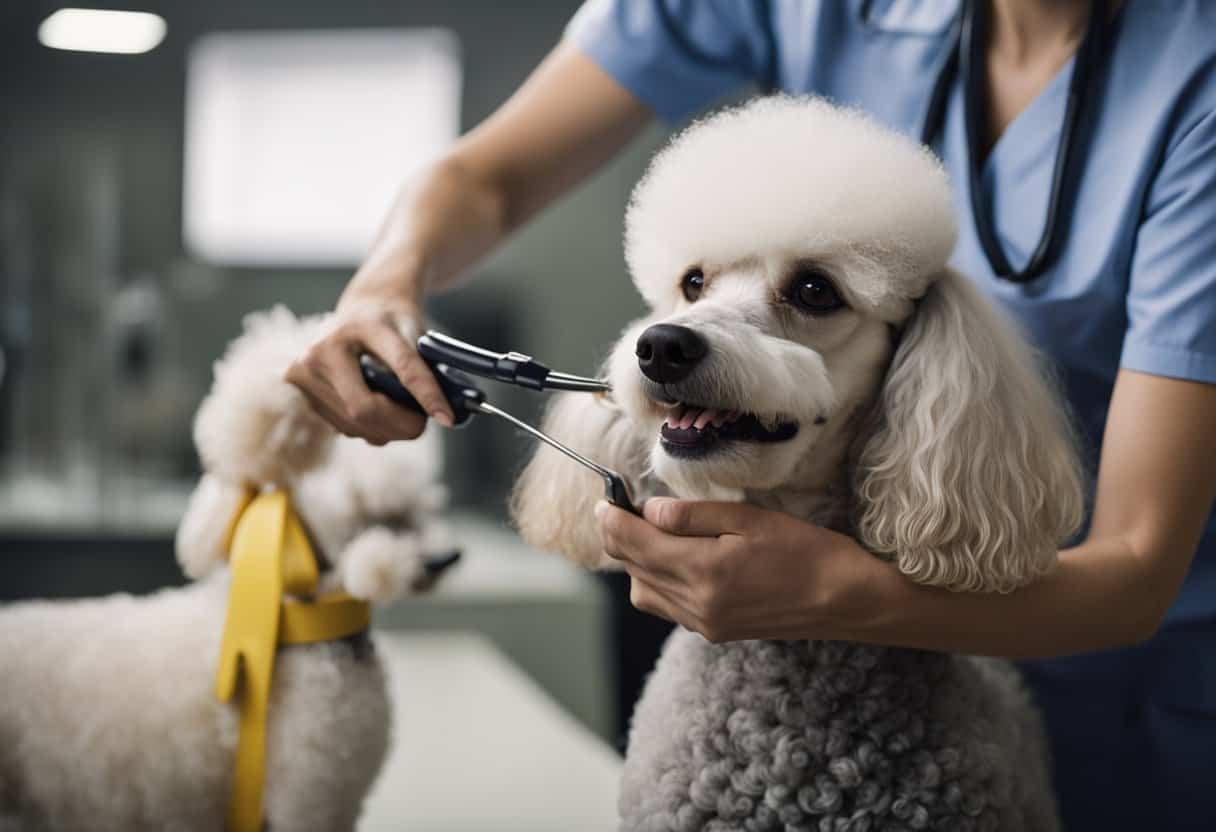
Short nails help your dog walk comfortably and avoid joint issues. Check nails every 2-4 weeks.
If you hear clicking on the floor, it’s time for a trim. Use sharp, dog-specific clippers and just take off a little at a time to avoid the quick.
Look over your dog’s paws for debris, cracks, or redness. Clean between the pads and trim extra fur to prevent mats and slipping.
If the pads look dry or rough, put on some paw balm—especially in extreme weather. Keeping up with paws and nails helps your dog move easily and stay injury-free.
For more tips, see this page about grooming and hygiene practices.
Building a Lasting Bond
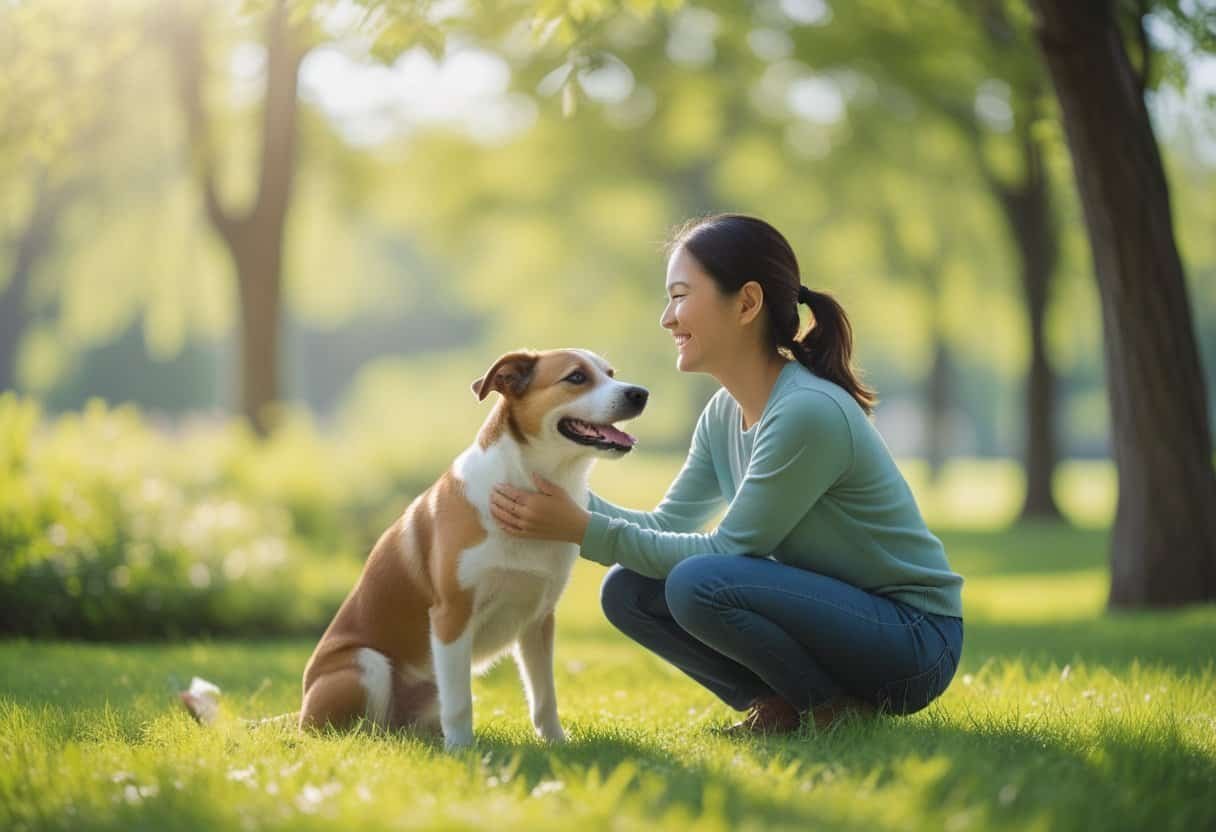
Building a strong relationship with your dog takes regular, positive moments and a good sense of what makes your dog tick.
Simple daily routines and fun activities go a long way in building trust and connection.
Quality Time Together
Spending time with your dog isn’t just about sharing space. It’s about doing things you both love and making your dog feel safe and appreciated.
Go for daily walks, play games, or teach a new trick. Training with treats and praise helps you build trust and boosts your dog’s confidence.
Find out your dog’s favorite activities—maybe fetch or tug-of-war—and switch things up sometimes. The Animal Humane Society says shared routines and positive training methods go a long way toward building trust.
A calm petting session or a short massage can comfort your dog and strengthen your bond. Even just sitting together in silence can mean a lot to them.
Traveling and Adventures Together
Traveling with your dog opens the door to new experiences for both of you. But let’s be honest—it takes some planning to keep things safe, comfortable, and fun.
A little prep goes a long way toward a smoother trip, and it keeps your dog happy and healthy.
Car Rides and Safety
Always secure your dog during car rides. Use a crate, safety harness, or a dog seat belt to lower the risk of injury if you stop suddenly.
Pack a travel bag with water, a bowl, favorite toys, and waste bags. It’s a headache-saver. Crack the windows, but not too much—dogs can jump or get hurt by flying debris.
On long drives, stop every couple of hours so your dog can stretch, drink, and take a bathroom break. Never leave your dog in a hot or cold car. Temperatures inside can get dangerous fast.
Before a big trip, swing by the vet for a checkup. Make sure vaccinations and preventive meds are current. Some places want a health certificate, especially if you’re crossing borders, so check before you go. For more tips, check out this guide for pet-friendly adventures.
Pet-Friendly Destinations
Pick destinations that welcome dogs. Hotels, parks, hiking trails, lakes, and even a few beaches have special rules or areas for pets.
A quick online search can uncover dog-friendly restaurants and activities. Most places want dogs on a leash and for owners to clean up after them. It keeps things pleasant for everyone. For inspiration, here’s a list of dog friendly vacation destinations.
Keep a printed list of pet-friendly stops, emergency numbers, and nearby animal clinics. It’s a lifesaver if something unexpected happens.
Some places want proof of vaccinations for visiting pets. Double-check before you arrive to avoid hassle. Bring a copy of your dog’s health certificate just in case you need it for local or international rules.
Frequently Asked Questions
Dog owners have a lot of questions. Training tips, understanding new pets, and ways to honor a lost companion come up often.
Some folks want to know about dog behavior, song meanings, or even help with magazine subscriptions.
How can I properly train my puppy following the 3-3-3 rule?
The 3-3-3 rule helps puppies settle in. For the first 3 days, let them decompress and get used to their new world.
Over the next 3 weeks, start routines and build trust. After about 3 months, most puppies feel at home. Be patient, stick to a routine, and offer gentle training every day.
What are some ways to commemorate my dog who has passed away?
Lots of people make a memory box with their dog’s collar, photos, and favorite toy. Planting a tree or flowers in a favorite spot is another way to keep their memory alive.
Some donate to a dog charity or order a personalized keepsake with their dog’s name.
Can you explain the 7-7-7 rule for acclimating a new dog to my home?
The 7-7-7 rule is a guide for helping a new dog adjust. For the first 7 days, let your dog rest and explore.
During the next 7 weeks, slowly introduce routines, new people, and experiences. The last 7 months are for building trust and confidence with consistent, positive training.
What is the meaning behind the lyrics of the song ‘Your Dog’ by Soccer Mommy?
“Your Dog” by Soccer Mommy is about wanting independence and not wanting to be controlled. The song uses the image of a dog to show feelings of being trapped and the urge for freedom.
Where can I find resources for understanding my dog’s behavior?
You can find advice from experts and online guides like this FAQ page about dog behavior. Books and trainers offer step-by-step help too.
Veterinarian websites often post articles about common dog behavior issues.
How do I switch my dog’s subscription to ‘Your Dog’ magazine to a digital format?
Start by heading over to the magazine’s official website. You can also just call their customer service if that’s easier.
Poke around in your account settings or subscriptions section. There should be a way to switch from print to digital.
If things get confusing or nothing works, just reach out to the magazine directly. They usually sort it out pretty quickly.
Related Posts

Toy Poodle Tails: Everything You Need to Know
Poodle Adoption Process: Essential Tips for a Successful Journey- Poodle Tail Curl: A Comprehensive Guide

Poodle Rescue or Adoption Red Flags
Experienced with Poodles: How to Find and Choose the Right Vet Clinic- Toy Poodle with Docked Tail: What You Need to Know

A Guide to the Beagle Poodle Mix
Dogs Barking: A Complete Guide