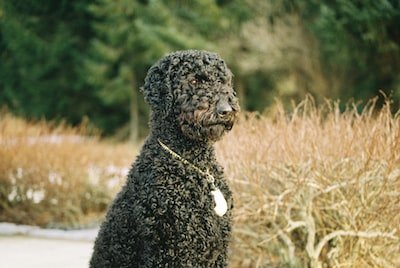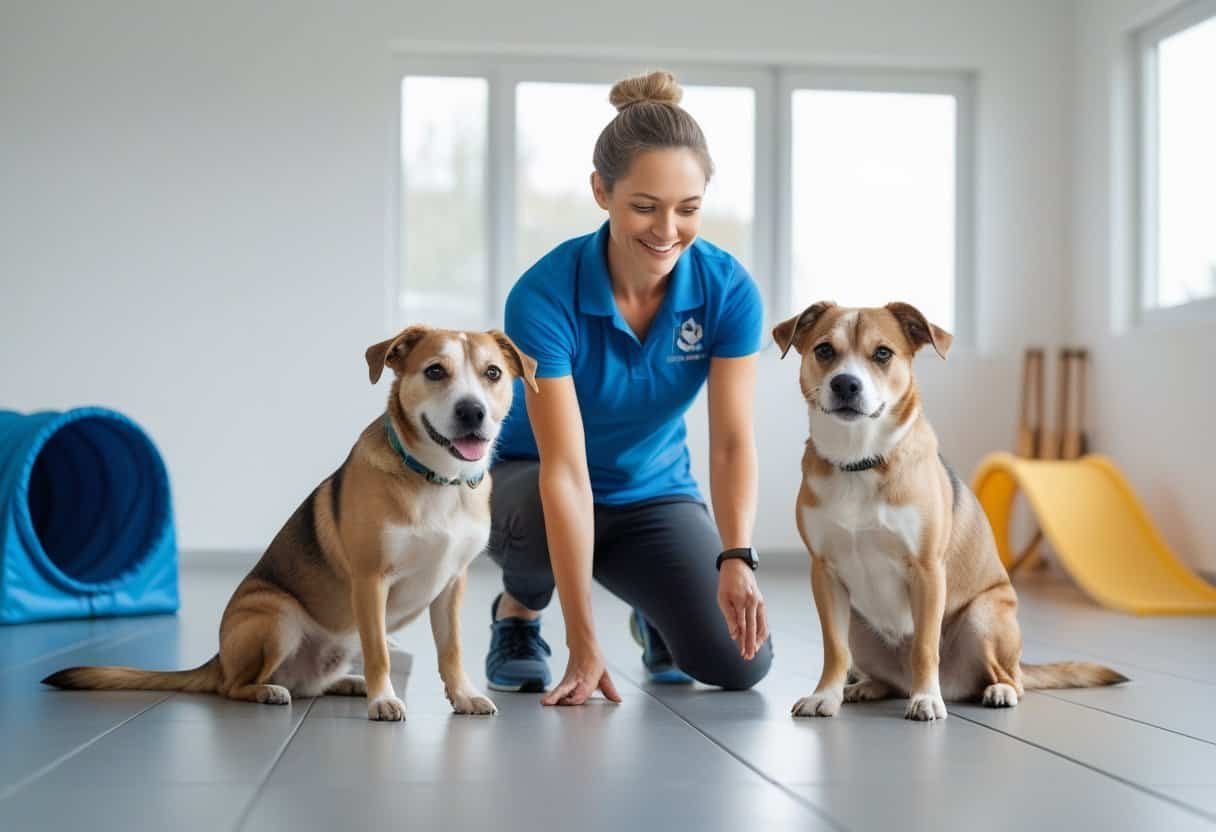
Understanding Rescue Dogs
Rescue dogs come from backgrounds that often include trauma, stress, or sudden changes. Their behaviors and trust are shaped by what they’ve been through, so they really need patience and a careful approach.
Common Behavioral Traits
Many rescue dogs show behaviors that hint at their tough pasts. You might see fearfulness, avoiding people, or jumping at noises or quick movements.
Some dogs pace, whine, or stick close to their new owners when they’re feeling unsure. They may also lack social skills with other dogs or people, ignore basic commands, or resist walking on a leash.
A few might guard their food or seem nervous at meal times. These issues usually come from either no training or negative experiences before.
For more examples on this, check out the essential guide to training a rescue dog.
Recognizing Stress and Anxiety
Stress and anxiety are pretty common in rescue pups. Some signs? Shaking, hiding, panting when it’s not hot, or pacing around the house.
Dogs might avoid eye contact, tuck their tail, or flatten their ears if they’re anxious. Here’s a quick table to spot stress:
| Stress Sign | What It Looks Like |
|---|---|
| Shaking | Trembling or shivering |
| Panting | Fast breathing |
| Hiding | Staying out of sight |
| Tail Position | Tucked or low tail |
If you spot these signs, try responding with a calm voice, slow movements, and a safe spot for your dog to retreat. Keeping a routine can help lower stress and make things feel more predictable.
This guide to rescue dog training offers extra tips if you want to dig deeper.
Establishing Trust
Building trust with a rescue dog takes time. Many have learned to be wary of people, so gentle training and giving them space really matter.
Skip the loud commands or sudden moves. Instead, use treats, praise, or gentle pets as rewards.
Stick with a steady routine for meals, walks, and playtime. Dogs love predictability—it helps them relax and start to trust you.
Respect their boundaries and introduce new things slowly. Most rescue dogs will open up and gain confidence if you go at their pace.
If you want more on this, here’s a guide to rescue dog training that covers trust-building in detail.
The 3-3-3 Rule for Rescue Dogs
The 3-3-3 rule helps you understand what rescue dogs go through as they settle into a new home. It’s a simple way to set expectations and support your dog’s early days after adoption.
Stages of Adjustment
The 3-3-3 rule breaks down into three milestones:
First 3 Days: Dogs often feel overwhelmed and might act shy, scared, or anxious. It’s normal for them to hide or avoid people at first.
Some dogs might not eat much or seem withdrawn as they process all the changes. Don’t be surprised if they just want to lay low.
First 3 Weeks: Dogs start to settle in, get used to routines, and might push boundaries a bit. Their behavior can shift as they get more comfortable.
This is a good time to start house training or basic obedience training, but patience is key here.
First 3 Months: Dogs begin to feel like part of the family. You’ll see more of their real personality and they’ll start trusting you.
Structure and consistency help them feel secure and confident in their new environment. For a breakdown of these milestones, check out the 3-3-3 rule.
Supporting Decompression
Decompression is all about giving your dog time to relax and adjust. Keep things calm, limit visitors, and avoid big changes those first few weeks.
Set up a private spot with a bed or crate so your dog has a safe retreat. Here are some tips:
- Stick to regular feeding and walking times.
- Use gentle, positive training.
- Hold off on new experiences until your dog seems ready.
- Watch for signs of stress, like hiding or heavy panting.
Letting your dog decompress at their own pace is huge for trust and stress reduction. More info on decompression and adjustment is available if you want to read more.
Building a Daily Routine
A daily routine gives rescue dogs security and helps them learn. Predictability lowers stress and helps them settle in faster.
Consistency and Structure
Dogs from uncertain backgrounds crave routine. Feeding, walks, play, and rest should happen at the same times so your dog knows what to expect.
Consistency is key, even if training sessions are short—five minutes a day can do wonders for basic commands. Treats and praise go a long way in reinforcing good behavior.
Introduce new routines slowly. If you need to make changes, do it one thing at a time.
A structured schedule helps with house training and learning new skills. Dogs who know what’s next tend to be less anxious and more focused during training.
Feeding and Exercise Schedules
Feed your dog at the same times every morning and evening. Always use the same spot so they know where meals happen.
Plan walks at regular times, like after breakfast and before dinner. Exercise can be walks, training games, or play in the yard.
Schedule bathroom breaks—first thing in the morning, after meals, and before bed. Over time, sticking to these routines makes house training easier.
A simple chart or checklist can help you track feeding, walks, and other daily activities. If you want advice from the pros, check out these dog training experts.
Socialization Techniques
Socializing a rescue dog is huge for building trust and easing fears. A calm, patient approach goes a long way in helping dogs feel safe around new people and animals.
Controlled Introductions
Controlled introductions let dogs meet new people or animals in a safe, structured way. Start with short sessions somewhere quiet, using a leash for safety.
Stick to one-on-one meetings instead of groups. Teach your dog to focus on you before allowing closer contact.
Let your dog approach at their own pace. Forcing things usually backfires and just makes them more nervous.
Watch their body language—relaxed tails, loose posture, gentle curiosity are good signs. If you see cowering, a tucked tail, or backing away, pause and give them space.
Increase the length and challenge of meetings only when your dog seems ready. Need more help? Read about introducing your rescue dog.
Reducing Fear of New Experiences
Rescue dogs can get anxious about new places, sounds, or objects. Build their confidence by introducing new things slowly and rewarding curiosity.
Keep practice sessions short. Try playing recordings of everyday sounds at low volume, visit quiet parks, or bring out new household items one at a time.
Let your dog check things out on leash, by your side. If they get scared or freeze up, take a step back.
Never punish fearful reactions. Instead, reward any little bit of bravery.
Consistent, positive experiences help anxious dogs learn that new things aren’t so scary. More tips are at socializing your rescue dog.
Positive Human and Animal Interactions
Reward-based training is the best way to build friendly behavior around people and animals. When your dog acts calm or curious, offer a treat or enthusiastic praise.
Practice with different people—men, women, kids, guests with hats or sunglasses. Arrange calm meetings with friendly, vaccinated dogs, always on leash, and let them sniff and interact under control.
Watch for distress and step in if needed. Keep sessions short and frequent.
Over time, your dog should get more comfortable and social. For more ideas, see positive reinforcement training to socialize a rescue dog.
Positive Reinforcement Methods
Reward-based training helps rescue dogs learn and trust faster. Positive reinforcement uses rewards to encourage good behaviors, and it makes training a safer, happier experience for everyone involved.
Types of Rewards
Trainers use different kinds of rewards when working with rescue dogs. Food treats are the go-to for most dogs, especially if they’re soft, smelly, and easy to eat.
But not every dog is food-motivated. Some get way more excited over a favorite toy or a quick game of tug.
Others just want verbal praise or a good scratch behind the ears. It really depends on the dog’s personality.
Pay attention to what your dog likes best. Mixing up rewards keeps things interesting and can boost motivation during training.
Experts suggest using a mix of rewards to match the challenge of the task. This helps prevent boredom, too.
Give the reward right after the dog does what you want. That way, the dog connects their action with the treat or praise.
Positive reinforcement works for all breeds. It’s especially helpful for dogs with a rough past since it builds trust and teamwork.
You can read more about positive reinforcement at CAMO Rescue’s guide.
Timing and Consistency
Timing really matters with positive reinforcement. Hand out the reward right after the dog gets it right.
Even a short delay can throw them off and muddle the message.
Consistency is just as important. Everyone working with the dog should use the same cues and rewards.
This helps the dog learn faster and feel more secure.
Short, frequent training sessions work best. A few minutes at a time, several times a day, beats one long session.
Stick to a routine. Use the same commands and always reward good behavior, so the dog knows what you want.
For more details on timing and rewards, check out the Tacoma Dog Trainers guide on trust and obedience.
House Training Rescue Dogs
House training a rescue dog takes patience, time, and a clear routine. Newcomers usually have to learn a new bathroom schedule, and accidents can happen as they settle in.
Establishing Bathroom Routines
Consistency is everything when house training. Pick one outdoor spot for bathroom breaks.
This helps the dog link that area with potty time. Take them outside first thing in the morning, after meals, after naps, and before bed.
Use a simple cue like “Go potty” every time you head out. Over time, they’ll catch on.
Reward them with treats or praise as soon as they finish. Keeping the same schedule each day helps build good habits.
If your dog seems nervous or unsure, try gentle encouragement. A new place can feel overwhelming for rescues.
For a step-by-step routine, check out How to House Train a Rescue Dog.
Accident Prevention
Set up your home to cut down on accidents. Use baby gates or close doors to limit where your dog can roam.
Keep them in the same room so you can spot signs like sniffing or circling—those usually mean they need to go out.
If there’s an accident, just clean it up with an enzyme cleaner to erase any lingering scent. That way, they won’t keep going in the same spot.
Never punish your dog for an accident. It just makes them nervous and sets training back.
Crate training can help, too, since dogs generally avoid messing where they sleep. For more ideas, visit House Training A Rescue Dog.
Crate Training for Rescues
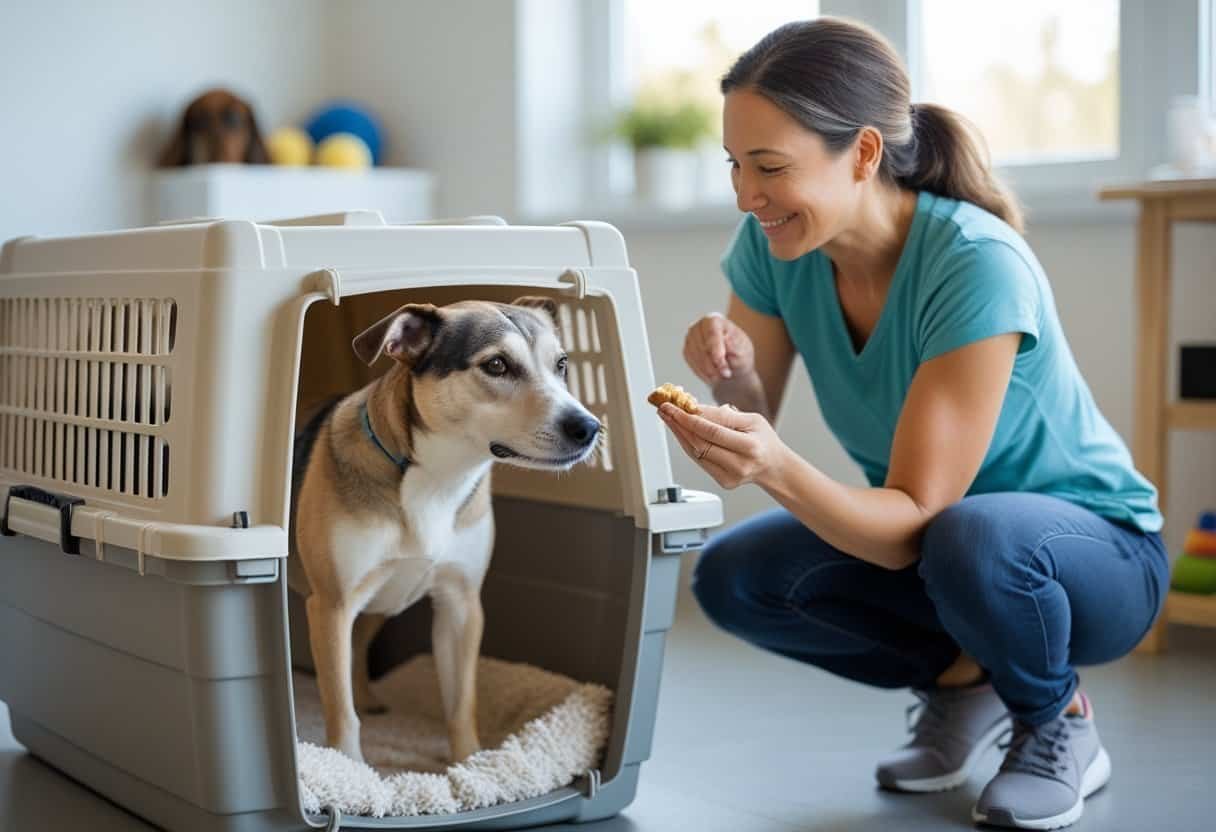
Crate training gives rescue dogs a safe spot of their own. The right crate and a gentle intro can lower stress and help them settle in.
Selecting the Right Crate
Pick a crate that’s big enough for your dog to stand up, turn around, and lie down. Too much space can actually encourage accidents.
Wire crates are nice for airflow and visibility. Some dogs feel safer in plastic crates that feel more like a den.
Add a soft bed, towel, or blanket for comfort. Skip strong air fresheners or heavy cleaners—rescue dogs can be sensitive to smells.
Put the crate in a quiet corner but where your dog can still see the family. That way, they feel included, not isolated.
Make sure the locking mechanism is easy for you but secure enough to keep the dog inside. If your dog is especially nervous, try covering the crate with a blanket, but leave one side open for air.
Step-by-Step Crate Introduction
Take it slow when introducing the crate. Leave the door open and let your dog check it out on their own.
Toss treats or a favorite toy inside. That helps them see the crate as a good thing.
Feeding meals in the crate is a trick many trainers use. It builds positive vibes around the space.
Once your dog seems comfortable, close the door for a few seconds while they’re inside. Stay nearby.
Gradually increase the time the door stays closed, always rewarding calm behavior. For anxious dogs, practice short crate sessions while you’re home to reduce fear.
Never use the crate as punishment. It should be a safe spot, not a time-out.
Experts back these gentle steps—see more at crate training rescue dogs.
Addressing Behavior Issues
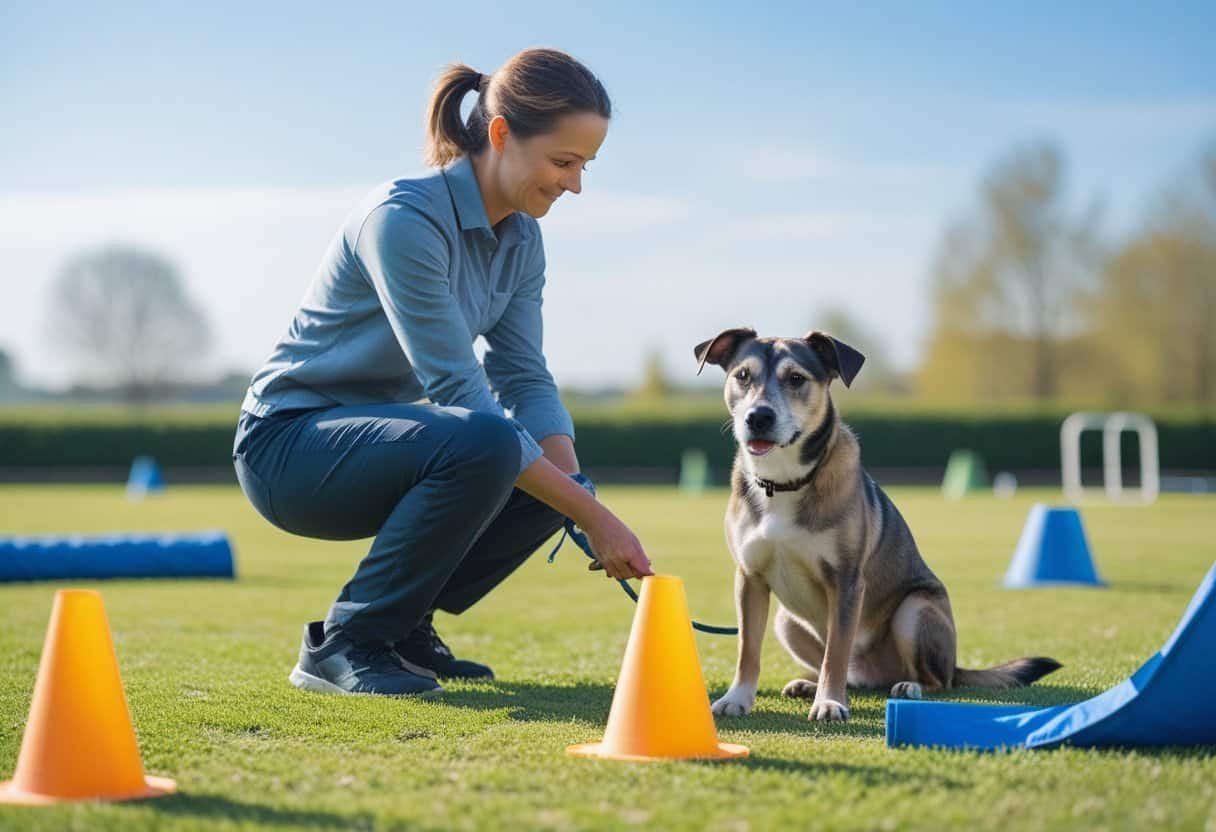
Rescue dogs sometimes show signs of aggression or anxiety because of their past. Patience and a clear plan can help them adjust.
Aggression Management
Aggression in rescue dogs often comes from fear or trauma. Figuring out what sets them off keeps everyone safer.
Common triggers? New people, loud sounds, other animals, or sudden touches.
Here’s what can help:
- Stay Calm: Dogs pick up on your energy, so keep it steady.
- Create Boundaries: Use leashes, gates, or crates to set clear limits.
- Reward Positive Behavior: When your dog stays calm, hand out treats, praise, or a favorite toy.
- Avoid Physical Punishment: It tends to make things worse.
If things don’t get better, bring in a pro. A behaviorist or trainer can offer personalized training plans and support.
Reducing Anxiety-Driven Behaviors
Anxious rescue dogs might pace, whine, chew things up, or hide. Triggers often include changes in routine, loud noises, or being left alone.
Spotting these signs early can help you step in before things escalate.
Try these steps:
- Stick to a Routine: Predictable feeding and walks help dogs relax.
- Create a Safe Space: Give them a quiet, cozy spot to retreat to.
- Use Gentle Training: Reward calm behavior and go slow.
If anxiety is severe, reach out to a professional. Some dogs may need extra support, and in rare cases, medication or special tools.
Many rescues get better with consistent support and patience.
Training Adult Rescue Dogs
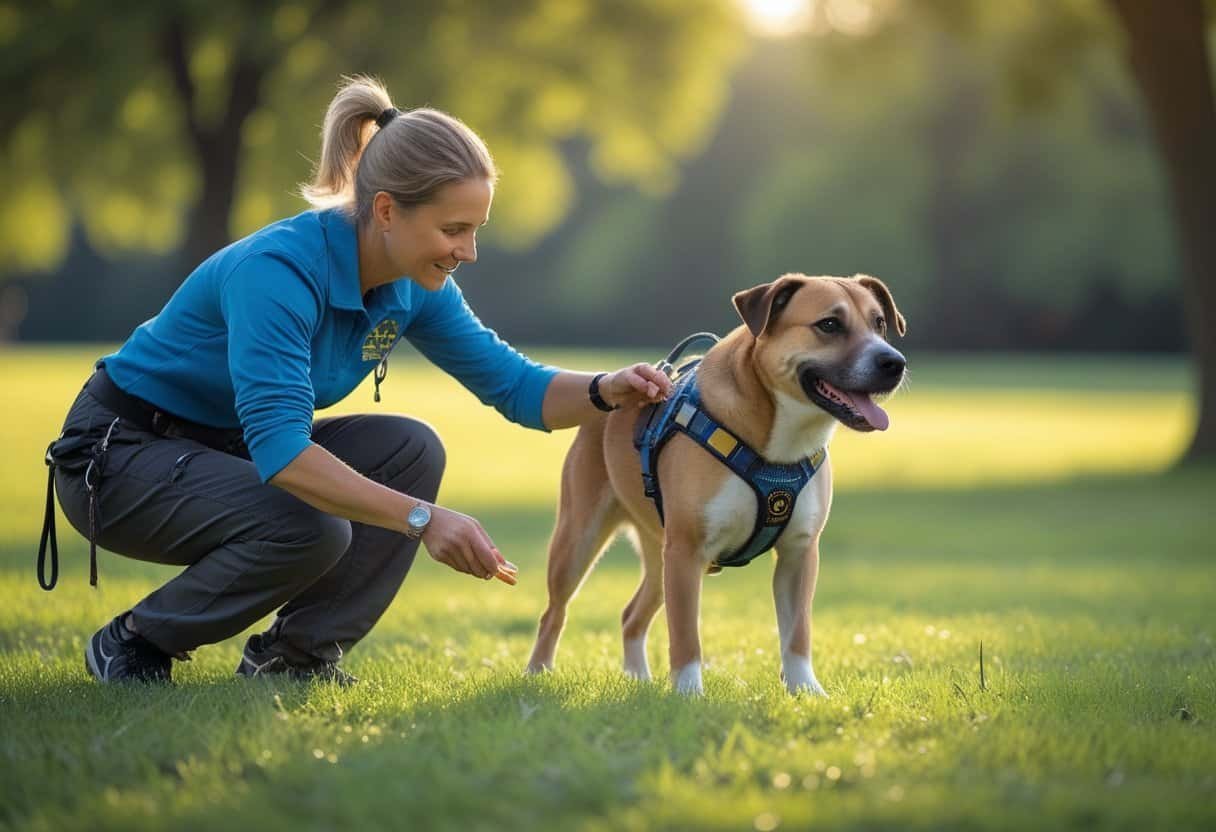
Training adult rescue dogs brings unique challenges and big rewards. Many have life experiences that shape their behavior, so patience is key.
Overcoming Past Trauma
Adult rescues may have dealt with neglect, abandonment, or worse. That can mean fear, anxiety, or trouble trusting people.
Go slow and keep things simple at first. Regular feeding times and gentle walks help your dog feel safe.
Treats, praise, and a calm presence go a long way. Some dogs will hide, bark, or avoid you.
Let them set the pace for contact. Use a soft voice and move slowly to avoid scaring them.
Professional guidance is worth considering if trauma leads to aggression or extreme fear. Trainers experienced with traumatized dogs can make things safer for everyone.
For more about handling trauma, check out this comprehensive guide.
Adjusting Training Methods
Adult dogs can learn new tricks, but you might need to tweak your approach. Positive reinforcement still works best.
Break tasks into steps. Keep sessions short and regular.
Use simple commands and reward right away. If your dog ignores certain cues, try new words or hand signals.
Some adults have bad habits to unlearn. Be firm but gentle when redirecting.
If you’re stuck or stressed, get help from a professional. A trainer can tailor a plan to your dog’s needs.
Consistent, customized training helps build confidence and makes settling in easier.
Utilizing Professional Guidance
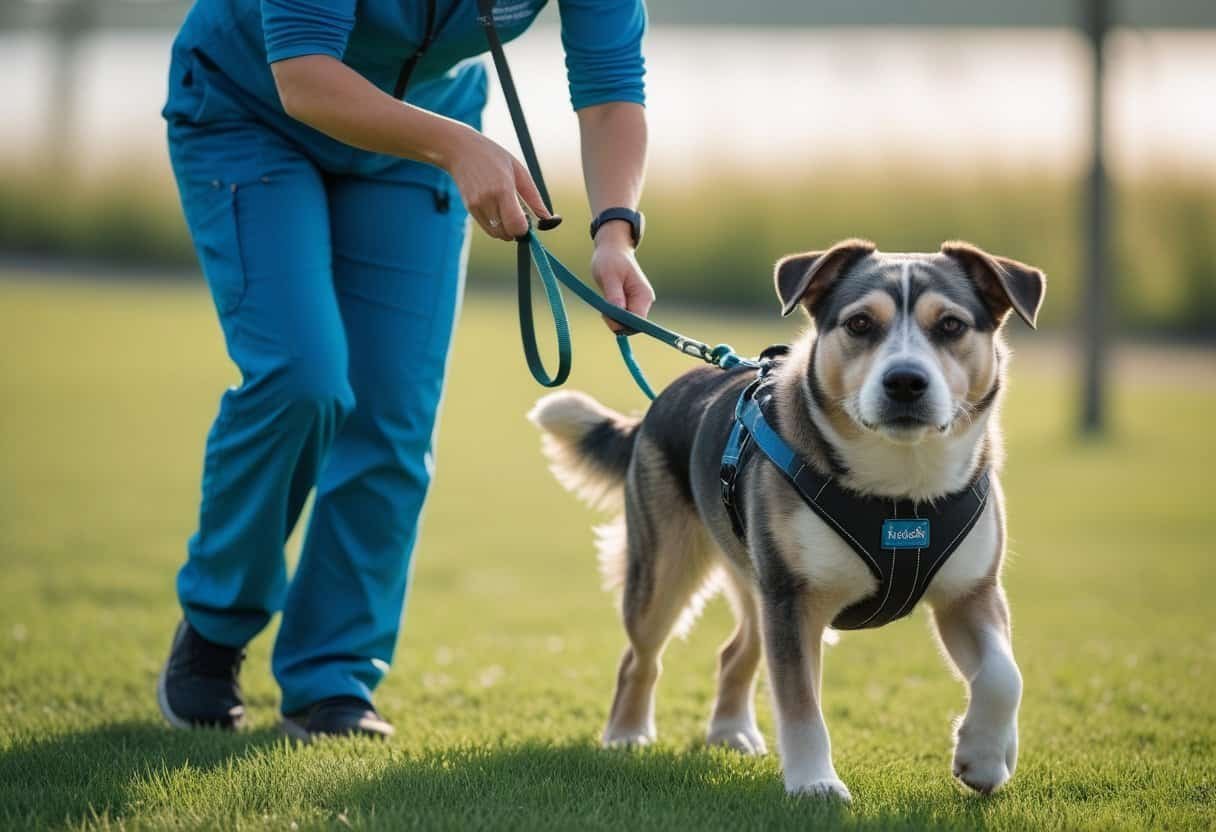
Some rescues need extra help to move past tough behaviors or old trauma. A professional can make a big difference for both you and your dog.
Choosing the Right Trainer
Finding the right trainer matters. Look for someone with experience working with rescue or shelter dogs, and who uses positive, reward-based methods.
Ask about their certifications and past cases. Their style should fit your dog’s temperament.
Visit a class or watch a session if you can. Group classes can build social skills, but private lessons might be better for nervous or easily stressed dogs.
Make a quick list of your dog’s trouble spots—barking, leash pulling, separation anxiety, whatever stands out. Share this with trainers you interview.
Reviews or recommendations from other rescue owners can help you find a great fit. For more on picking trainers and methods, see the complete guide to professional dog training.
Behavioral Consultation
If your rescue shows fears or aggression that regular training can’t solve, a behavioral consultation might be the next step. Certified animal behaviorists or trainers with extra training usually offer this.
A consultant will look at your dog’s environment, history, and daily routine. They’ll help spot triggers and come up with a plan.
This might mean changing routines, teaching coping skills, or using desensitization. Sometimes the process includes working with your vet, especially if health issues could be in play.
The goal is to make life safer and happier for your dog and your family. With the right support, rescue dogs can move forward after tough times.
You can learn more about navigating behavioral challenges in rescue dogs.
Building Your Bond with a Rescue Dog
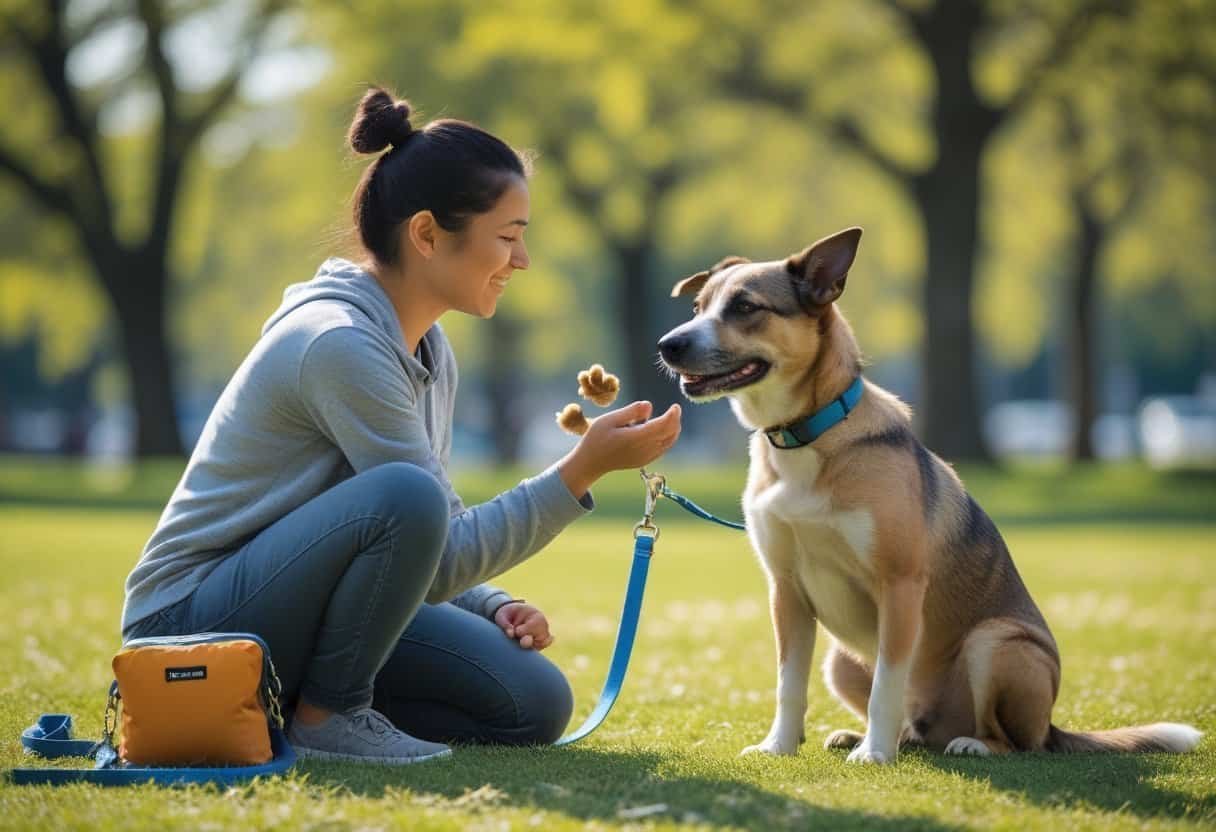
Trust and play are key for helping a rescue dog feel safe in a new home. The right kind of interaction lets a rescue dog settle in and start feeling at ease.
Trust-Building Activities
Earning trust from a rescue dog takes patience. New places can make dogs anxious, so sticking to a daily routine really helps.
Feed, walk, and rest at the same times each day. That way, the dog starts to know what’s coming.
Let the dog come to you instead of rushing contact. Quiet time together gives the dog space to get used to you without any pressure.
Offering healthy treats when the dog is calm or comes near builds positive feelings and encourages trust. Using a gentle, low voice can make the dog feel safer and keep stress down.
Give your dog a safe space like a bed or crate. This gives them a spot to relax where nobody will bother them.
Consistent, positive reinforcement helps the dog learn that good things happen when they make progress. If you’re curious, you can read more about building trust and supporting confidence.
Encouraging Play
Play really matters for helping a rescue dog relax and feel happy. Playing together creates good memories and helps the dog start enjoying its new home.
Start simple: balls, soft tug toys, or treat puzzles usually work best. Let the dog set the pace.
Some rescue dogs hesitate at first, so keep an eye out for signs of stress and pause if they seem unsure. Short, gentle play sessions are usually the way to go.
Offer praise and gentle pets when your dog shows interest or tries something new. Rotating toys keeps play interesting and encourages curiosity.
Try interactive games like fetch or hide-and-seek with treats. These small victories can help your dog feel more confident.
Watch your dog’s body language and skip rough play until they feel secure. If you want more tips, check out these expert recommendations for building bonds.
Long-Term Success Strategies
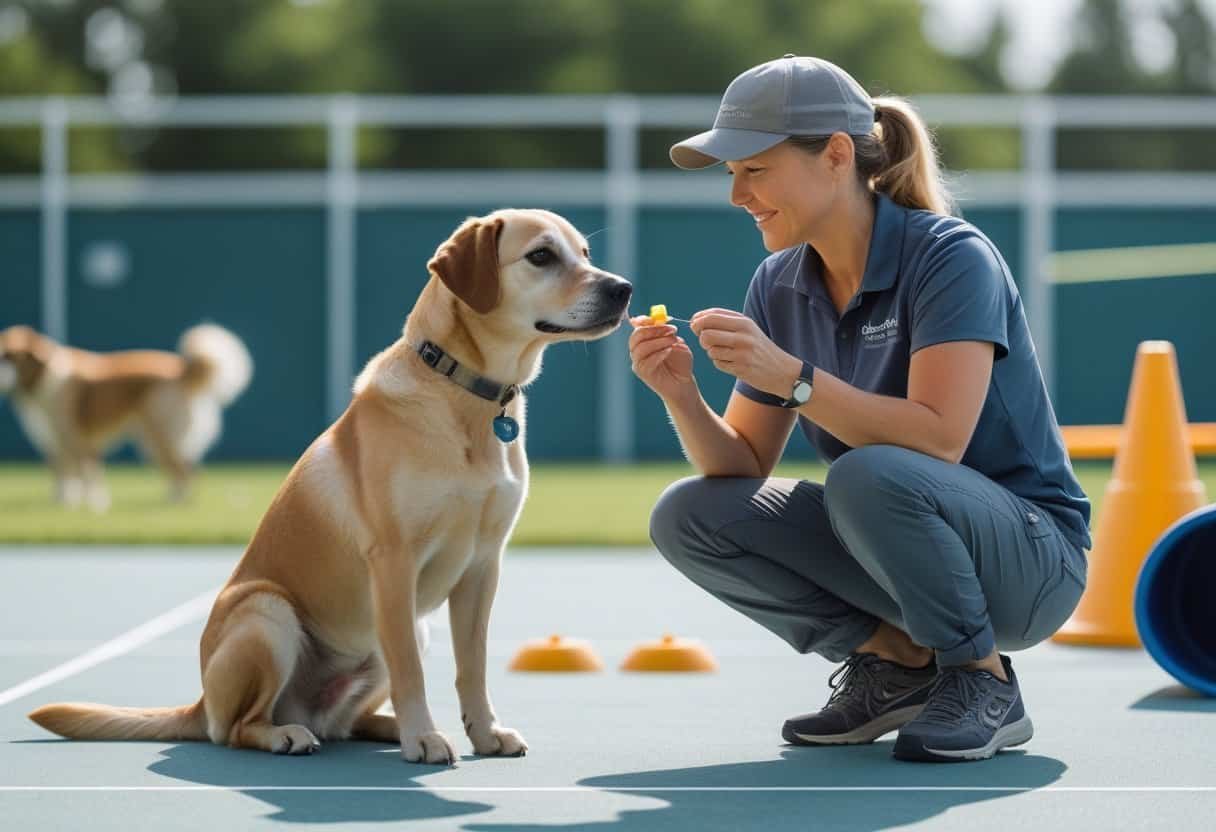
If you want lasting results with a rescue dog, keep an eye on their behavior and stick to routines. These habits help dogs manage new situations and avoid slipping back into old patterns.
Monitoring Behavioral Progress
When you watch your rescue dog closely, you’ll spot changes in behavior sooner. Some people jot notes in a journal or use a phone app to track progress—things like reactions to triggers, new commands, or how walks go.
This makes it easier to see what’s working and what needs tweaking. Weekly check-ins help you notice improvements or setbacks before they get out of hand.
A simple checklist for daily behaviors—like sitting on command or staying calm with strangers—can be a lifesaver. Here’s an example:
| Week | Command | Success Rate | Notes |
|---|---|---|---|
| 1 | Sit | 60% | Hesitant at park |
| 2 | Sit | 75% | Better indoors |
| 3 | Sit | 90% | Confident outside |
Reviewing these notes tells you if it’s time to change your approach. Setting realistic goals keeps you and your dog motivated. For more info, check out how to monitor your dog’s obedience and trust progress.
Sustaining Positive Habits
Long-term success comes from weaving good behaviors into everyday life. Use treats, praise, or play when your dog repeats wanted actions.
This builds a strong link between good behavior and positive outcomes. Even short training sessions can help skills stick.
Try new tricks or add puzzle toys and scent games. These keep your dog busy and sharp, and honestly, bored dogs get into trouble.
Stick to routines like set mealtimes or regular walking routes. That structure gives rescue dogs a sense of security.
If you want to dig deeper, check out these enrichment and training tips for rescue dogs.
Frequently Asked Questions
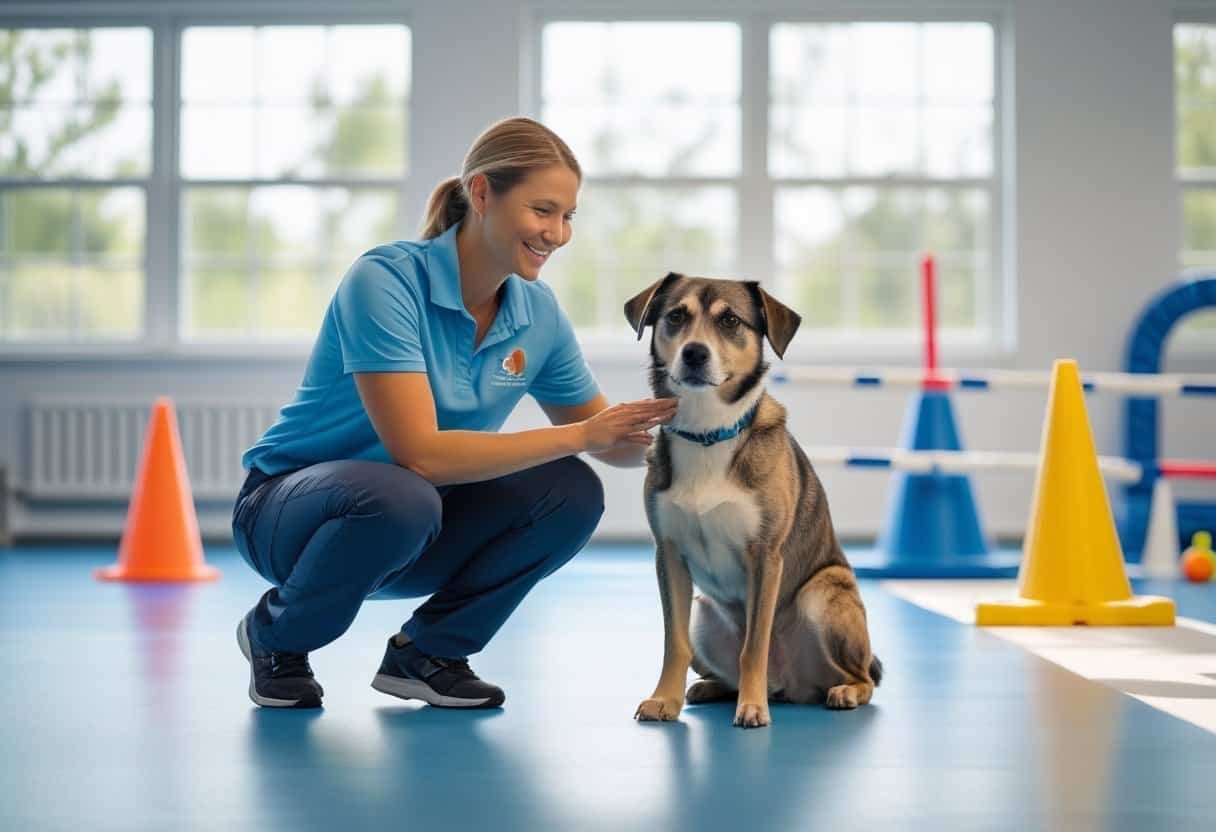
People adopting rescue dogs usually have a lot of questions about training and adjustment. Patience and consistency really do make a difference, even if it takes a while.
When should I start training my newly adopted rescue dog?
Start training once your dog feels safe at home. Many experts suggest giving the dog a few days to settle, but you can start with basics like name learning and simple commands right away.
This helps your dog understand routines and what you expect.
What are the best practices for potty training a rescue dog?
Stick to a set schedule for bathroom breaks. Take your dog out regularly, especially after meals and naps.
Praise them when they go in the right spot so they know they did well. Be patient—housetraining a rescue sometimes takes a while, especially if the dog’s had a rough past.
Can you recommend any effective training techniques for teaching basic commands to rescue dogs?
Positive reinforcement is the way to go. Use treats, praise, and a calm voice to reward things like sitting or coming when called.
Keep sessions short, around 5-10 minutes, and repeat commands often. Hand signals plus words can help a lot too.
Where can I find specialized training classes for rescue dogs?
Lots of local shelters and pet stores offer classes just for rescue dogs. Professional trainers often have special programs as well.
Try searching online for trainers in your area or ask your vet for recommendations.
Is it beneficial to send a rescue dog to a professional trainer?
A professional trainer can be very helpful, especially if your dog has big behavioral challenges. Trainers know how to work with fearful or anxious dogs and can teach both you and your dog new skills.
If you’re dealing with serious aggression, expert help is often the best option.
What does the 3-3-3 rule entail when acclimating a rescue dog to a new home?
The 3-3-3 rule gives folks an easy way to think about how a rescue dog settles in. It breaks the process into three stages: the first 3 days, 3 weeks, and 3 months.
During those first three days, most dogs feel overwhelmed and need space to decompress. After that, over the next three weeks, they start picking up on routines and figuring out what’s expected.
By three months, a lot of dogs finally start to relax and really feel at home. If you want to dig deeper, check out this article on the 3-3-3 rule for rescue dogs.
.lwrp.link-whisper-related-posts{
margin-top: 40px;
margin-bottom: 30px;
}
.lwrp .lwrp-title{
}.lwrp .lwrp-description{
}
.lwrp .lwrp-list-container{
}
.lwrp .lwrp-list-multi-container{
display: flex;
}
.lwrp .lwrp-list-double{
width: 48%;
}
.lwrp .lwrp-list-triple{
width: 32%;
}
.lwrp .lwrp-list-row-container{
display: flex;
justify-content: space-between;
}
.lwrp .lwrp-list-row-container .lwrp-list-item{
width: calc(25% – 20px);
}
.lwrp .lwrp-list-item:not(.lwrp-no-posts-message-item){
max-width: 150px;
}
.lwrp .lwrp-list-item img{
max-width: 100%;
height: auto;
object-fit: cover;
aspect-ratio: 1 / 1;
}
.lwrp .lwrp-list-item.lwrp-empty-list-item{
background: initial !important;
}
.lwrp .lwrp-list-item .lwrp-list-link .lwrp-list-link-title-text,
.lwrp .lwrp-list-item .lwrp-list-no-posts-message{
}@media screen and (max-width: 480px) {
.lwrp.link-whisper-related-posts{
}
.lwrp .lwrp-title{
}.lwrp .lwrp-description{
}
.lwrp .lwrp-list-multi-container{
flex-direction: column;
}
.lwrp .lwrp-list-multi-container ul.lwrp-list{
margin-top: 0px;
margin-bottom: 0px;
padding-top: 0px;
padding-bottom: 0px;
}
.lwrp .lwrp-list-double,
.lwrp .lwrp-list-triple{
width: 100%;
}
.lwrp .lwrp-list-row-container{
justify-content: initial;
flex-direction: column;
}
.lwrp .lwrp-list-row-container .lwrp-list-item{
width: 100%;
}
.lwrp .lwrp-list-item:not(.lwrp-no-posts-message-item){
max-width: initial;
}
.lwrp .lwrp-list-item .lwrp-list-link .lwrp-list-link-title-text,
.lwrp .lwrp-list-item .lwrp-list-no-posts-message{
};
}
Related Posts

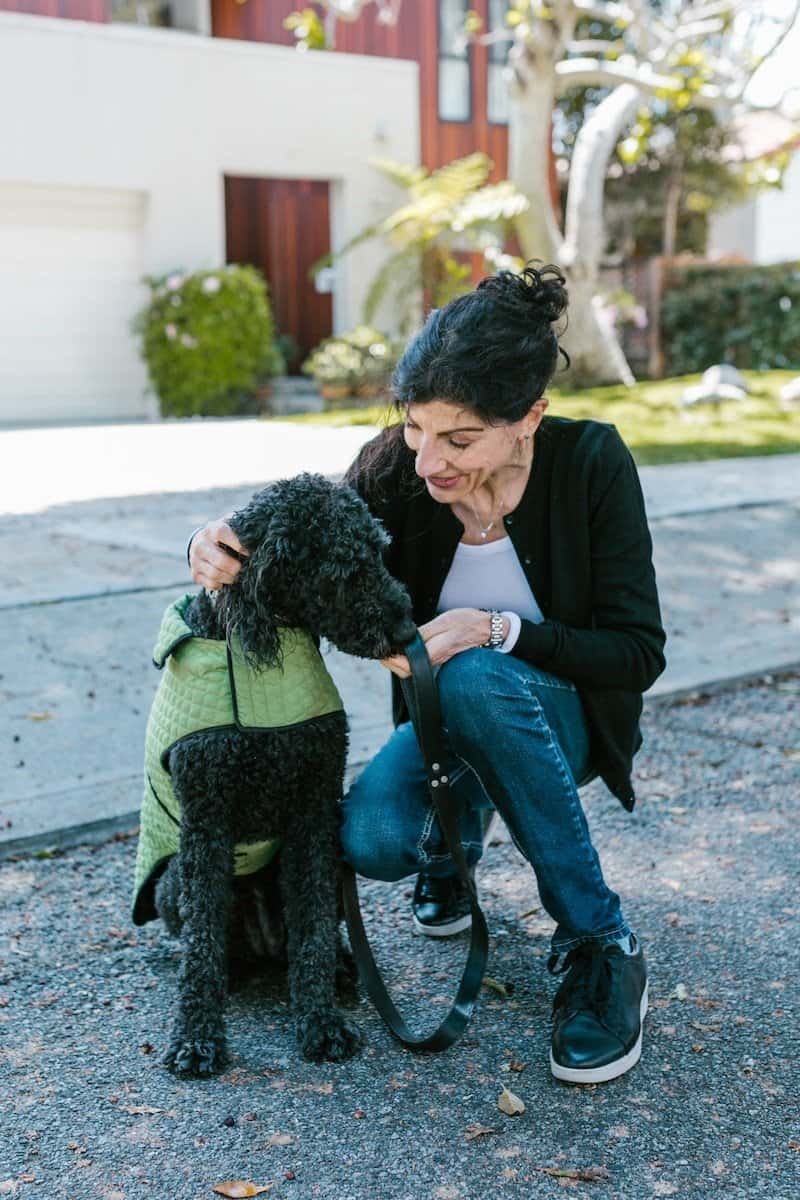
Master Poodle Training
Want more training tips? Poodles are one of the smartest dog breeds – with the right techniques, you can teach them almost anything!
{
“@context”: “https://schema.org”,
“@type”: “BlogPosting”,
“headline”: “Dog Training Rescue: A Complete Guide”,
“url”: “https://poodlesforadoption.com/dog-training-rescue/”,
“datePublished”: “2026-03-22T06:45:55Z”,
“dateModified”: “2026-03-22T06:45:55Z”,
“author”: {
“@type”: “Person”,
“name”: “J.W.”,
“url”: “https://poodlesforadoption.com/author/jwauthor/”
},
“publisher”: {
“@type”: “Organization”,
“name”: “Poodles For Adoption”,
“url”: “https://poodlesforadoption.com”
}
}