

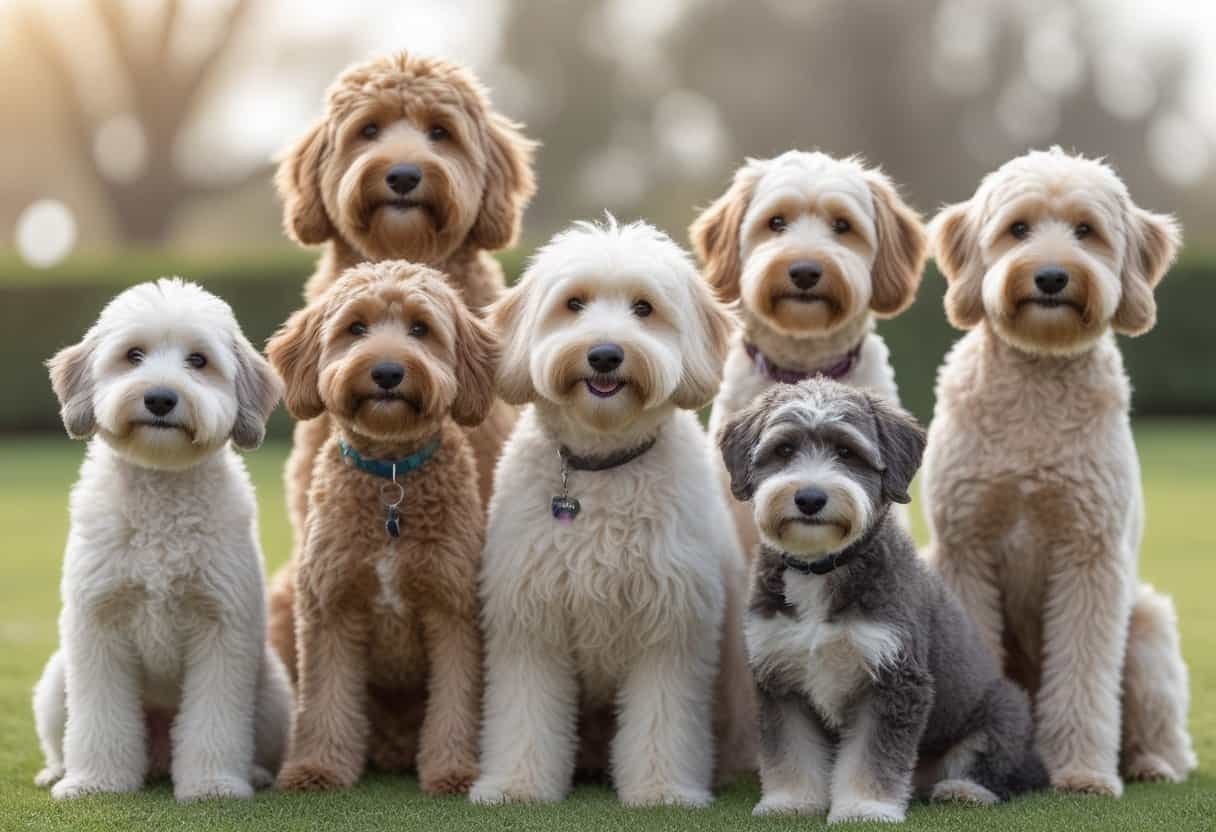
What Is Doodle Rescue?
Doodle rescue focuses on poodle mixed breed dogs—think Labradoodles, Goldendoodles, and other “doodles.” These rescues provide shelter, foster care, and work to find forever homes for doodle dogs that need a new start.
Definition and Purpose
A doodle rescue is a group dedicated to helping poodle mixes. They rescue, foster, and rehome dogs like Labradoodles, Goldendoodles, Aussiedoodles, and Sheepadoodles.
Groups such as the Doodle Rescue Collective save doodles from shelters, owner surrenders, or tough situations. Their focus is on placing these dogs into homes where they’ll be safe and cared for.
Rescues use foster homes to look after dogs until they find adoptive families. They want every poodle mix to land in a forever home that really fits.
History of Doodle Rescue
Interest in doodle mixes took off in the late 1990s and early 2000s. As more people wanted doodles, more breeders popped up—and so did the number of doodles needing homes.
Groups like IDOG Rescue and regional organizations stepped up to help. Since 2006, IDOG Rescue has placed over 3,000 doodles.
Doodle Rescue Collective organized volunteers across the country. They’ve shined a light on the challenges doodles face in regular shelters compared to breed-specific rescues.
Why Doodle Dogs Need Rescue
Doodle dogs often end up in rescue because owners surrender them, develop allergies, or just don’t realize how much care doodles need. Many people don’t expect the grooming and exercise these breeds require.
Some doodles come from puppy mills or careless breeders. These dogs might have health or behavior problems that make adoption tougher.
In large public shelters, doodles sometimes get overlooked or miss out on the specialized care they need. Specialty rescues like California Doodle Rescue step in to help them recover and get ready for new families.
Types of Doodle Breeds in Rescue
Doodle rescues see all sorts of poodle mixed breeds, but some types show up more than others. Each breed brings its own personality, quirks, and care needs—these can really affect how long they stay in rescue and where they end up.
Labradoodles
Labradoodles mix Labrador Retriever and Poodle. They’re everywhere—rescues see a lot of them thanks to their popularity and the sheer number bred lately.
People love Labradoodles for their friendly, smart, energetic vibe. Many choose them for low-shedding coats, though you never quite know what you’ll get—some are curly, some wavy.
Their size can range from medium to large, depending on the Poodle parent. In rescue, Labradoodles often arrive because owners aren’t ready for their activity needs or grooming routines.
They need daily exercise, mental stimulation, and regular brushing. Labradoodles thrive with active people who commit to training and play.
Curious about other doodles? Check out this list of popular doodle breeds.
Goldendoodles
Goldendoodles come from Golden Retrievers and Poodles. People know them for affectionate personalities and friendliness with kids.
Owners sometimes surrender Goldendoodles when they realize the grooming needs or energy level is more than expected. Their coats can be straight, wavy, or curly, and all need regular grooming.
Not every Goldendoodle is hypoallergenic or low-shedding, despite the hype. Families often give them up when grooming, exercise, or training becomes overwhelming.
In rescue, Goldendoodles do best with structure, daily walks, and lots of social time. They shine in homes that make time for training and play.
Want more on Goldendoodles and doodle mixes? Visit this guide to doodle breeds.
Aussiedoodles
Aussiedoodles blend Australian Shepherd and Poodle. They’re smart, energetic, and happiest when they have a job or plenty of exercise.
Aussiedoodles wind up in rescue when owners can’t keep up with their energy or need for mental stimulation. They really need active owners—think agility sports, hiking, or long runs.
These dogs are quick learners but can be stubborn. Their coats might be curly, straight, or somewhere in between, so regular brushing is a must.
Aussiedoodles fit best with people who know how to handle energetic breeds.
Bernedoodles
Bernedoodles come from Bernese Mountain Dogs and Poodles. They’re usually calm and gentle, but they’re big—some weigh 50 to 90 pounds.
Families sometimes surrender Bernedoodles because they underestimate the space or grooming these dogs need. Bernedoodles enjoy being around people and tend to be affectionate.
Their coats can be wavy or curly. Regular grooming keeps them comfortable and tangle-free.
Bernedoodles need owners ready for the physical and emotional needs of a large dog. For more on poodle crosses, see this list of doodle dog types.
How Doodle Rescue Organizations Operate
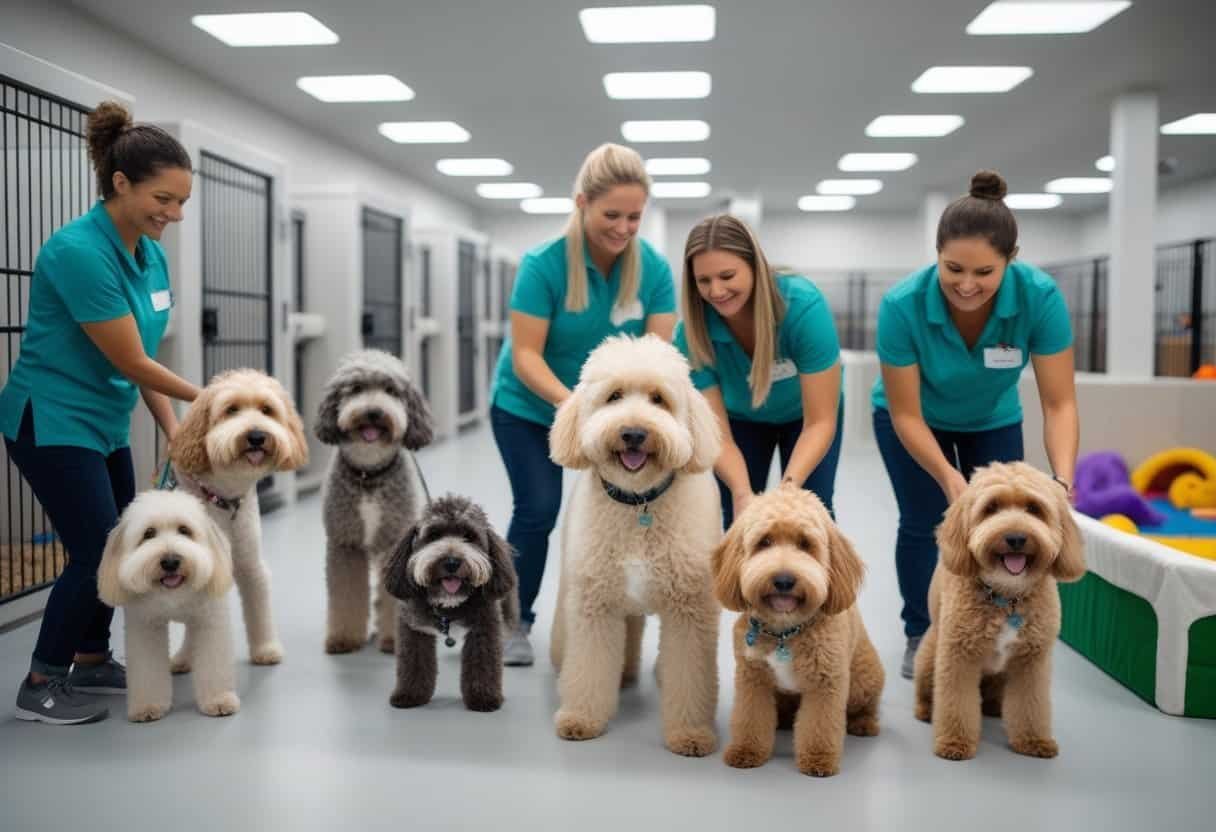
Doodle rescue organizations work to save vulnerable dogs and match them with safe, loving homes. Their operations depend on clear rules, strong networks, and lots of volunteer support.
Rescue Admission Process
Doodle rescues start by evaluating dogs. Many come from owner surrenders or are found as strays.
Each dog gets checked for health and behavior issues, plus overall temperament. This helps make sure only dogs that can adapt to new homes come in.
Steps usually include:
- Health assessment by a vet
- Behavioral evaluation
- Screening for microchips and ownership
Some rescues ask owners to fill out a surrender form. Shelters sometimes partner with animal control or other shelters to spot doodles needing help.
Network of Shelters
Doodle rescue groups rely on a network of shelters and foster homes. California Doodle Rescue and similar groups organize foster care so doodles get a quieter, safer spot while waiting for adoption.
The network might include:
- Foster families in different areas
- Partner shelters that alert the group to available doodles
- Volunteers who help transport dogs
A strong network lets rescues respond quickly and find homes, no matter where the dog is.
Collaboration with Volunteers
Volunteers are the backbone of doodle rescue. They foster dogs, organize events, and help with transport.
Groups like IDOG Rescue count on dedicated volunteers all over the country. Here’s how volunteers pitch in:
- Fostering doodles
- Running adoption events
- Visiting shelters to check on dogs
- Handling the adoption paperwork
Many rescues offer training so volunteers know how to handle dogs safely. Some even use online tools to organize their network and match helpers to tasks.
Adopting a Doodle
Adopting a Doodle gives a rescue dog a second chance and brings a loving companion into your life. The process involves eligibility checks, applications, and some costs that support the rescue and the dog’s care.
Eligibility Requirements
Rescues set clear rules to make sure their dogs go to homes that can meet their needs. Applicants usually need to be at least 21 and show they can care for a dog.
Most groups look for stable living situations. They might contact landlords if you rent.
Some rescues want proof of regular vet care for your current pets. Home checks are common—sometimes in person, sometimes by video.
Families with young kids might face extra rules since some doodles need calmer homes. Most rescues require all pets in the home to be spayed or neutered.
Application Process
You start by filling out an adoption form, online or on paper. You’ll share details about your home, schedule, family, and why you want to adopt.
Some rescues work nationally, but many focus on local adopters for the dog’s safety. After the form, you’ll usually have a phone interview or a home check.
If you meet the requirements, you might get to meet the doodle in person. This helps both sides see if it’s a good fit.
If it works out, the adoption process moves ahead, and you sign an agreement.
Adoption Fees and Costs
Adoption fees for doodles usually range from $295 to $495, depending on age, health, and rescue costs. These fees cover vet care, microchipping, vaccines, and sometimes training.
For example, a Washington rescue lists fees in this range. You’ll also need to budget for supplies, food, and vet visits.
Some rescues offer post-adoption support, like training tips or settling-in advice. Adopting typically costs less than buying from a breeder and helps more doodles find homes.
The Foster System in Doodle Rescue
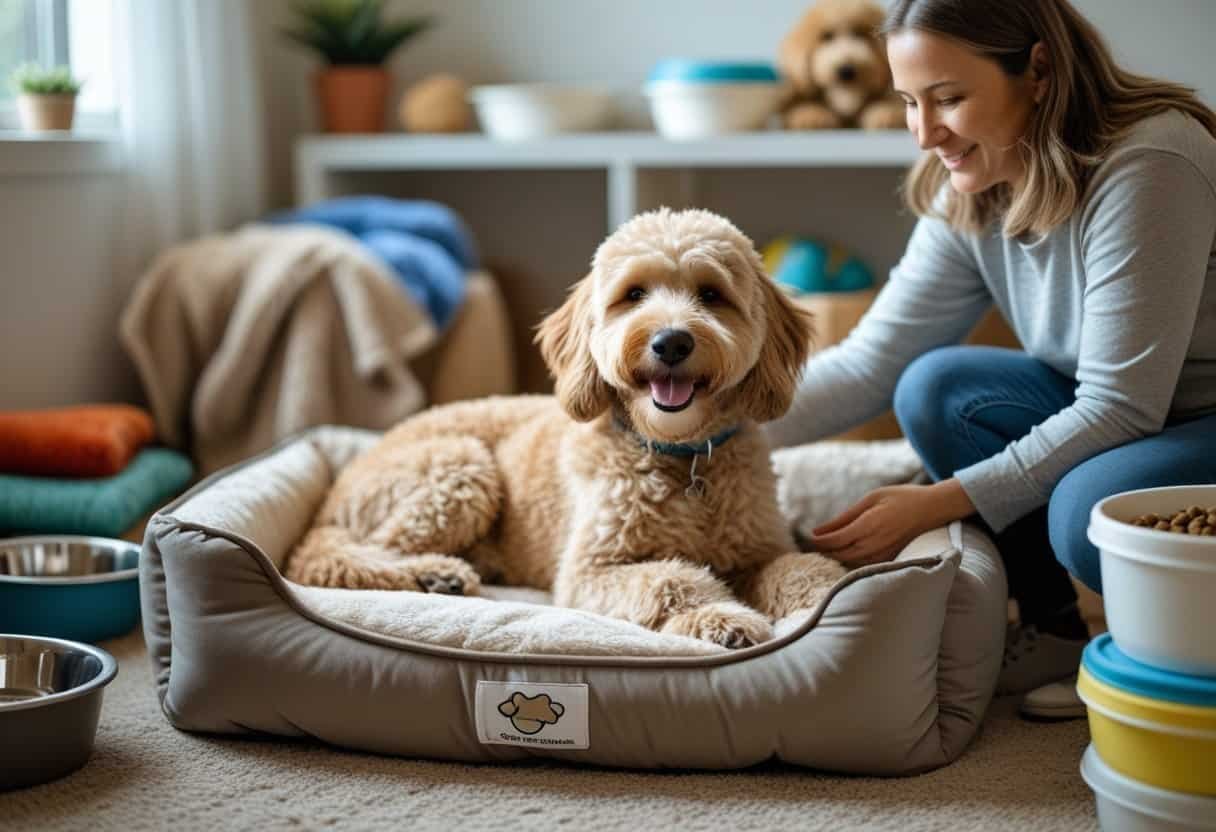
Foster homes give doodles a safe, temporary place to land before adoption. People who foster play a huge role, making sure doodles get care, attention, and a bit of training before heading to their forever families.
Role of Foster Homes
Foster homes keep doodles out of crowded shelters. They give these dogs a calm spot to heal and adjust to a new life.
Many dogs arrive with health or behavioral problems. Fostering plays a big part in their rehabilitation.
Fosters handle daily routines like feeding, walking, and grooming. They also keep an eye out for health issues and work with rescue groups if a vet visit comes up.
This teamwork helps rescue teams match doodles with the right owner. It’s not always easy, but it matters.
Some organizations, like Doodle Dandy Rescue, require all adoptable doodles to live in foster homes for at least three weeks. That time lets foster homes get to know the dog’s personality and needs.
Becoming a Foster Caregiver
To foster a doodle, you usually fill out an application with a local rescue group. Most groups interview applicants and check their homes for safety.
Rescues provide support, supplies, and cover vet care. As a foster, your main job is to offer love and structure so the dog’s ready for adoption.
You don’t need professional training, but patience and consistency really count. Foster caregivers help groups like California Doodle Rescue or IDOG Rescue by giving doodles a chance to recover, learn, and grow.
Some rescues pair new foster homes with a mentor for advice. That way, both foster and doodle get a fair shot at success.
Health and Wellness in Rescue Doodles

Proper care for rescue Doodles covers both physical health and emotional well-being. These dogs often have unique needs because of their backgrounds.
Veterinary Care
Rescue Doodles often show up with unknown or incomplete medical histories. Vets need to check for common issues like hip dysplasia, ear infections, or allergies.
Goldendoodles, for example, can get ear infections because of their floppy ears. Vaccinations, parasite control, and dental care are part of the basics.
Routine vet visits matter for annual check-ups and prevention. Most Doodle rescues make sure each dog is spayed or neutered, microchipped, and current on shots before adoption.
Some rescues do an initial health assessment and cover urgent medical costs. Adopters should keep in touch with a veterinarian to monitor any conditions.
| Care Task | Purpose |
|---|---|
| Vaccinations | Prevent common diseases |
| Parasite Control | Remove fleas, ticks, worms |
| Dental Care | Stop tooth and gum problems |
| Spay/Neuter | Control population, prevent cancer |
Behavioral Rehabilitation
Many rescued Doodles need help adjusting to new environments. Behavior problems can come from neglect or lack of socialization.
Rehabilitation might include crate training, leash skills, and positive reinforcement. Foster homes and trainers work on reducing anxiety and building trust.
Dogs may need slow exposure to household routines, new people, and other pets. Gentle, consistent guidance helps them adapt.
A structured routine is key. Adopters should use clear commands and offer praise for progress.
Rescue groups such as Doodle Dandy Rescue and IDOG Rescue work with foster families and trainers. They want each Doodle to have the support they need for a smooth transition.
Rehoming Doodles
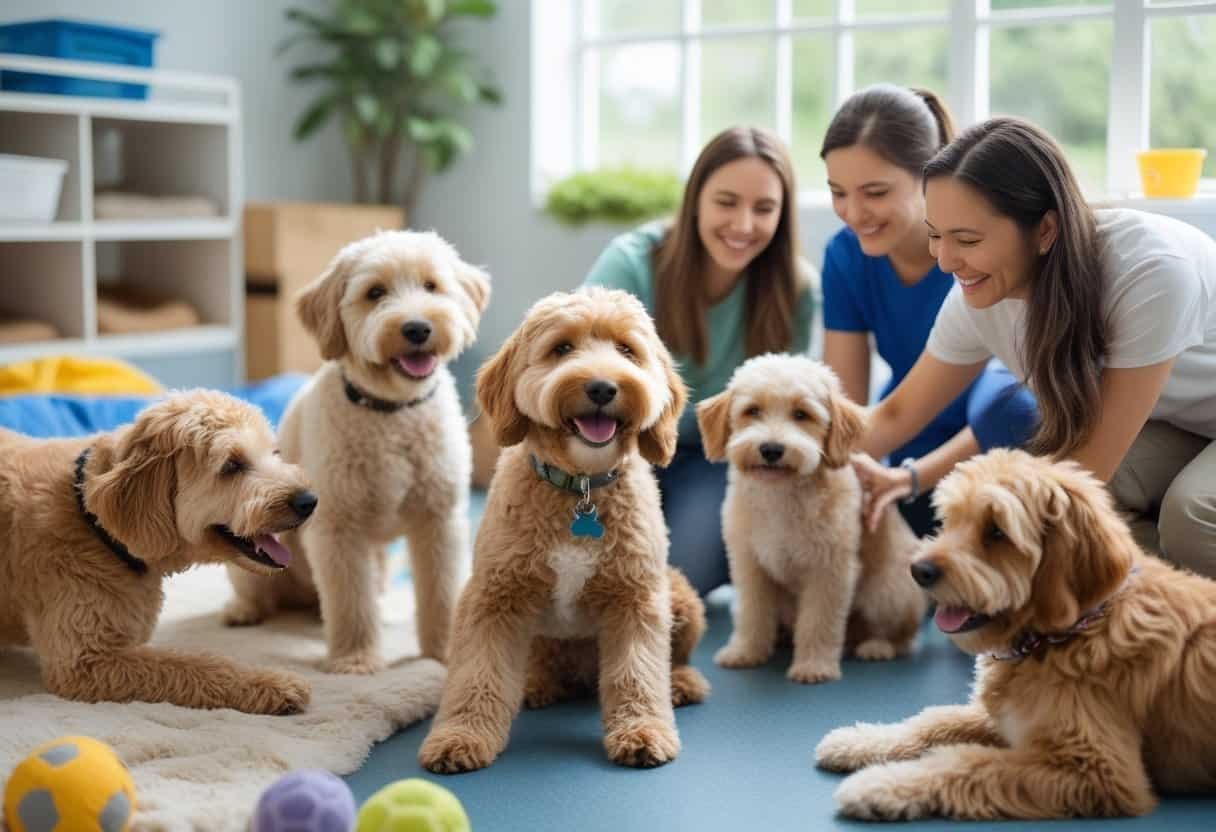
Doodles sometimes need new homes because of changes in their family’s situation or other challenges. Helping these dogs transition smoothly is important for their happiness.
Reasons for Rehoming
Families rehome their doodles for all sorts of reasons. Moves, allergies, health problems, or changes in routine can make it tough to care for a dog.
Sometimes, a dog’s energy or behavior doesn’t fit the family. Financial struggles or big life events, like illness or a new baby, also play a part.
It’s rarely an easy call, but many families choose rehoming to make sure the dog’s needs are met. Doodles facing these challenges often do well in foster or forever homes that understand their quirks.
Re-home Assistance
Some organizations specialize in helping owners rehome their doodles safely. Services like IDOG Rescue’s rehoming program support families in finding new homes for their dogs.
Breed-specific rescues and groups offer foster-based programs to keep doodles out of shelters. Groups like Crockett Doodles have rehome services that connect current owners with adopters.
Most programs focus on the dog’s welfare and try to make the transition smooth. They screen applicants, give advice, and match dogs with families who really get their needs.
This support eases stress for both the doodle and the family. It’s not always perfect, but it helps, according to the American Kennel Club.
Challenges Facing Doodle Rescue
A lot of Doodles end up in rescues because of issues that start before they ever reach a home. The biggest challenges come from where and how they’re bred, and the people behind it.
Puppy Mills and Overbreeding
Doodles are often bred by large commercial breeders—puppy mills, basically. These places care more about quantity than quality, so puppies end up unhealthy and poorly socialized.
Overbreeding is a huge problem. Demand for Doodles is high, but some breeders just keep churning out puppies without thinking about the parents’ health or the buyers’ readiness.
Puppies from these places usually have more behavioral and medical problems. They rarely get enough attention or training, making adoption tougher.
Rescue organizations have seen a surge in Doodles with complex needs, which ties right back to overbreeding and mass production. If you want more detail, check out this piece on overbreeding and behavioral issues in doodle rescues.
Pet Trade Industry
The pet trade industry treats Doodles like designer dogs and sells them to meet demand. Buyers often act on impulse, drawn in by cute photos and promises of hypoallergenic coats.
Some pet shops and online sellers offer Doodle puppies without much info about their real needs. That leads to owners who aren’t ready for the grooming, training, or energy these dogs bring.
When new owners struggle—especially if they were misled—many end up surrendering their pets. This turnover puts extra pressure on rescue groups.
So rescues fill up with Doodles whose needs weren’t considered at the start. Misunderstandings and marketing hype drive the trend of Doodles being abandoned or surrendered.
Regional Doodle Rescue Efforts
Doodle rescue groups play a crucial role in helping homeless and abandoned doodles find new homes. Each region has its own organizations and networks, with many focusing on fostering, adoption, and community outreach.
California Doodle Rescue
California has several doodle-specific rescue organizations. These groups work to rehome doodles—especially Goldendoodles and Labradoodles—across the state.
Rescue organizations usually provide temporary foster care and team up with vets to make sure each dog gets medical attention before adoption. Most programs in California use a foster-based model, helping doodles adjust to family life and social situations.
They also help match the right dog to each applicant. That makes adoption more successful for everyone.
Many organizations offer resources on training, prep, and ongoing support after adoption. Families can volunteer or foster, which lets rescues help more doodles.
Table: Services Provided by California Doodle Rescues
| Service | Details |
|---|---|
| Foster care | Short-term homes for rescued doodles |
| Medical treatment | Vaccinations, spaying/neutering, health checks |
| Owner support | Training resources, adoption counseling |
| Community outreach | Education and volunteer programs |
Southern California Programs
Southern California has community efforts and programs focused on doodle adoption. These groups often work with local shelters to help doodles needing specialized care.
Foster networks are a big deal here. Many doodles come from backgrounds where they’ve never lived indoors.
Foster homes give them structure and basic training. That makes a real difference in their adoptability.
Some groups focus on public education about responsible doodle ownership. These dogs have unique grooming and exercise needs.
Adoption fees usually cover basic vet care and help fund more rescues. Programs often partner with trainers and pet stores to offer post-adoption support.
Key Features:
- Foster-based rescue model
- Medical assessment before adoption
- Community workshops for owners
Doodle Rescue in North America
Across North America, there are big rescue networks for doodles and poodle mixes. Groups like IDOG Rescue and Doodle Rescue Collective have foster homes throughout the U.S. and Canada.
They’ve helped thousands of doodles find permanent families by working with shelters, owners, and volunteers. These organizations use detailed adoption applications to match doodles with good homes.
Many offer transport help for approved adopters living far away. In Canada, networks like Golden Rescue have decades of experience rescuing and rehoming doodles.
Regional collaboration increases the odds of finding homes quickly. Partnerships let rescues share resources and handle emergencies better.
Online directories, like the Doodle Rescue Directory, help people connect with doodle rescues in their area.
Volunteering with Doodle Rescues
Many Doodle rescue groups rely on dedicated volunteers who care about animal welfare. Volunteers take on essential tasks that help save dogs and educate the public about humane volunteerism.
Ways to Volunteer
There are so many ways to get involved with a Doodle rescue. Some folks foster Doodle dogs in their homes until the pups find permanent families.
Foster homes matter a lot. They help rescues learn more about each dog’s quirks and what they need.
Others pitch in with intake, transport, adoption events, or home visits. Activities might include:
- Transporting dogs from shelters
- Helping out at adoptions
- Joining fundraising efforts
- Handling admin tasks
Doodle Dandy Rescue, for example, depends on volunteers for everything. They don’t have paid staff, so volunteers fill every role—from dog care to event planning.
If you’re curious, you can check out volunteer roles at Doodle Dandy Rescue.
Education and Public Awareness
Education plays a big role in humane volunteer work. Doodle rescues share info on responsible dog ownership and what rescue dogs need.
They often post resources about training, health, and why spaying or neutering matters. Volunteers help out by organizing or attending public events to raise awareness about Doodle dogs in need.
Social media also comes in handy for getting the word out about available dogs and sharing helpful tips. Some volunteers give talks at schools or local events, teaching others how to support rescue work.
Groups like Doodle Rock Rescue put a lot of energy into public awareness. Their educational campaigns aim to boost adoption rates and cut down on homeless dogs.
Resources for Doodle Owners and Adopters
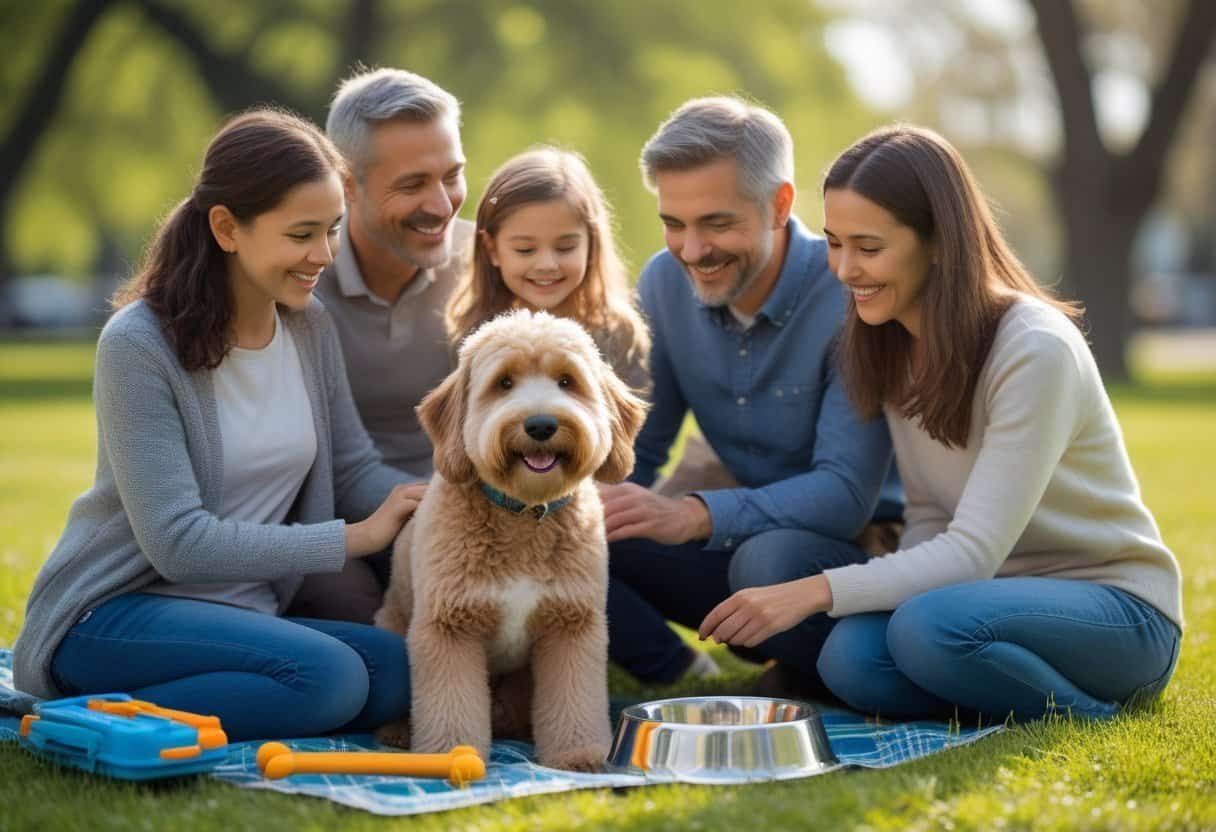
There’s a good mix of resources and support systems out there for people who own or want to adopt a doodle. These tools can make adopting easier and help owners give their dogs the best care possible.
Support Services
Adoption support services help new doodle owners settle in with their pets. Groups like IDOG Rescue offer rehoming support, adoption screening, and advice for families needing to find a new home for their doodle.
Educational resources are usually online, covering training, grooming, and basic health needs. Rescue groups often post detailed guides for first-timers.
Veterinary resources matter, too. Rescue organizations usually recommend vets who know doodles or provide health records during adoption.
Some services even offer matching programs. This makes it easier to find a doodle that fits your lifestyle and experience.
Community and Owner Networks
Owner networks and online communities give support that goes beyond official rescue services. Facebook groups like the Doodles and Poodles Rescue and Adoption Network connect doodle owners and adopters.
People swap tips, share success stories, and post adoption advice. Local meetup groups or social media pages pop up all over.
These networks help owners find playdates, trainers, or even temporary fosters. Discussion forums and rescue websites often have Q&A sections where people trade info about daily care, nutrition, and breed quirks.
Staying connected through these communities helps doodle owners keep up with health updates, recalls, and new resources. That kind of support makes a big difference for both new and experienced doodle owners.
Success Stories in Doodle Rescue
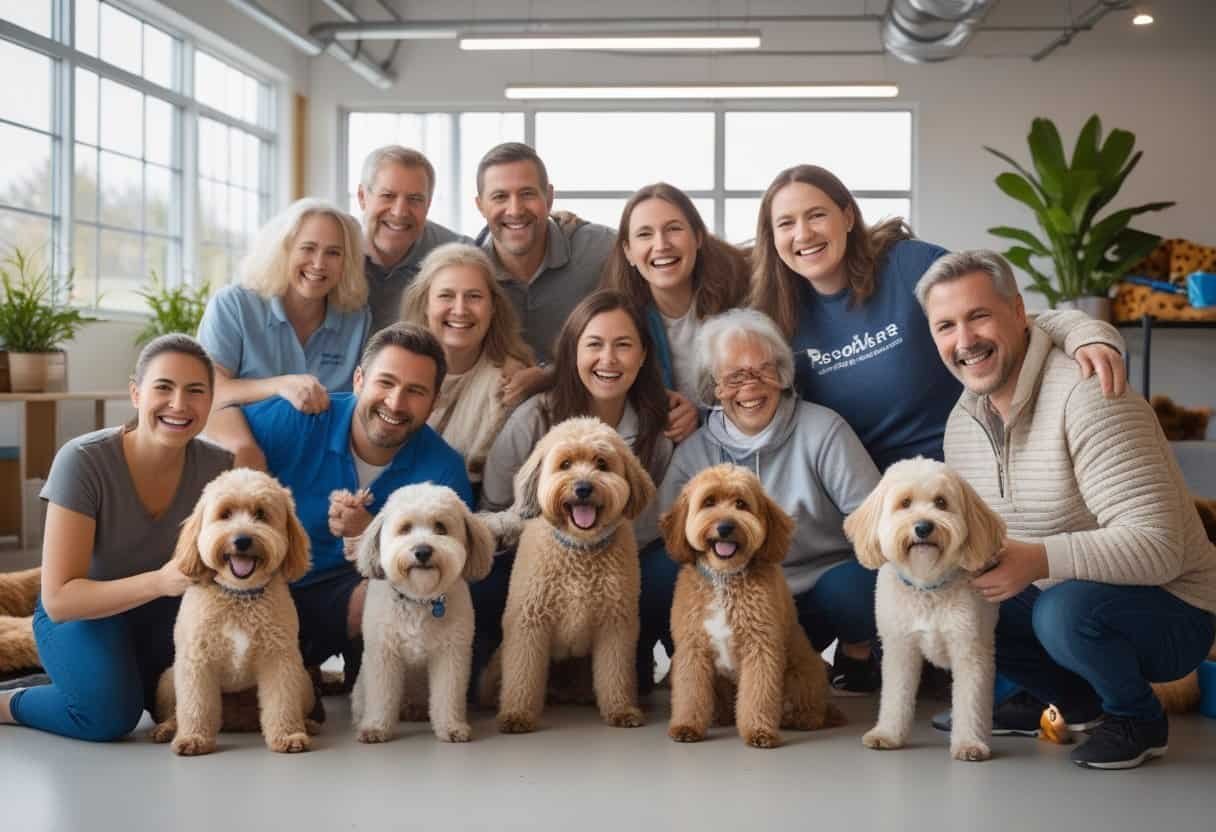
Doodle rescues give neglected and abandoned dogs a shot at real happiness. Many goldendoodles and labradoodles have turned their luck around with the help of these groups.
From Rescue to Forever Homes
Rescue groups work hard to save doodle dogs from tough spots. Some organizations have helped over 100 neglected doodle-type dogs start new lives after being found in rough conditions.
A lot of these dogs struggle with health or trust issues at first. Foster care makes a huge difference.
Volunteers nurture these dogs, teaching them to feel safe and loved again. Most rescued doodles eventually get adopted into forever homes where they really blossom.
These positive changes show just how much foster families and adopters care about helping doodle rescue dogs recover and succeed.
Notable Goldendoodle and Labradoodle Rescues
Some doodle rescues stand out for the impact they’ve made. Cody, a goldendoodle once in need, was taken in by a rescue group and later adopted by a grieving family.
He helped fill the gap left by their late pet and quickly became part of their home. Another story is about Sassy, a goldendoodle adopted from a big litter.
She stood out for her smarts and lively nature and even earned a therapy certificate after adoption. These dogs prove how adoption can change a life and give families a loyal friend.
You can find more inspiring stories through successful doodle rescue adoptions and individual goldendoodle rescue achievements.
Frequently Asked Questions

Adopting a doodle from a rescue brings up plenty of questions. Folks wonder about finding rescue groups, what to expect, and choosing the right dog for their family.
People also ask why these dogs end up in rescue, what sizes are available, and how to help a new dog adjust.
How do I find a doodle rescue organization near me?
You can look for doodle-specific rescues by searching online or checking out national groups like the Doodle Rescue Collective. Local shelters might have doodles, too.
It helps to visit the websites of reputable Goldendoodle rescues and fill out interest or adoption forms.
What steps should I take when considering adopting a doodle from a rescue?
Start by reading all the adoption requirements on the rescue’s website. It’s smart to read each dog’s bio to make sure you’re a good match.
Most rescues ask for an application, an interview, and sometimes a home visit. The adoption team then matches families and dogs based on compatibility, as Doodle Rock Rescue describes.
What are the reasons that doodles end up in rescue centers?
Doodles can be surrendered for a few reasons. Sometimes owners just don’t have the time or resources, or allergies pop up.
Some doodles have behavior or training needs that previous owners couldn’t handle. Changes in family situations or moving can also play a part.
Which types of doodle breeds are more likely to be calm and suitable for families?
Doodles with more laid-back parent breeds, like Bernedoodles or Sheepadoodles, tend to be calmer. Goldendoodles can be great family dogs if they get enough exercise and attention.
Every dog has its own personality, though. Meeting the dog and chatting with the rescue can help you find a good match if you want a calmer companion.
Can I adopt a mini doodle from a rescue, and if so, how?
Mini doodles do show up in rescues, but they’re often in high demand. To adopt one, look for organizations that handle mini doodle adoptions and complete their application process.
Keep an eye out for updates online and stay in touch with the rescue about current or upcoming mini doodles.
What is the importance of the 3-3-3 rule in doodle adoption?
The 3-3-3 rule offers a helpful timeline for both adopters and doodles as they settle in together. It breaks down the process into the first 3 days for decompressing.
Then, the next 3 weeks focus on learning routines. After that, the first 3 months allow for a full adjustment.
Giving your dog this time helps them feel safer and slowly start to trust their new home. Honestly, it’s a bit of a relief to know there’s no rush—every doodle deserves a chance to settle in at their own pace.
{
“@context”: “https://schema.org”,
“@type”: “BlogPosting”,
“headline”: “Poodle Mix Rescue Guide – Adopting Doodles & Crosses”,
“url”: “https://poodlesforadoption.com/doodle-rescue/”,
“datePublished”: “2026-03-22T06:43:31Z”,
“dateModified”: “2026-03-22T06:43:31Z”,
“author”: {
“@type”: “Person”,
“name”: “J.W.”,
“url”: “https://poodlesforadoption.com/author/jwauthor/”,
“jobTitle”: “Dog Adoption Specialist”,
“description”: “J.W. has helped hundreds of families find poodle rescue dogs. Writing about poodle adoption, care, and training since 2020.”,
“sameAs”: [
“https://poodlesforadoption.com/author/jwauthor/”
]
},
“publisher”: {
“@type”: “Organization”,
“name”: “Poodles For Adoption”,
“url”: “https://poodlesforadoption.com”
}
}
Related Posts
- Opportunities for Therapy Dogs to Volunteer in the Community: A Guide for Owners and Handlers

Collie Poodle Cross: The Ultimate Guide to This Popular Designer Dog Breed
Long-term Strategies for Preventing Separation Anxiety in Poodles- Techniques for Helping Your Poodle Cope with Separation Anxiety: Expert Tips


Related Posts
- Opportunities for Therapy Dogs to Volunteer in the Community: A Guide for Owners and Handlers
Collie Poodle Cross: The Ultimate Guide to This Popular Designer Dog Breed
Long-term Strategies for Preventing Separation Anxiety in Poodles- Techniques for Helping Your Poodle Cope with Separation Anxiety: Expert Tips