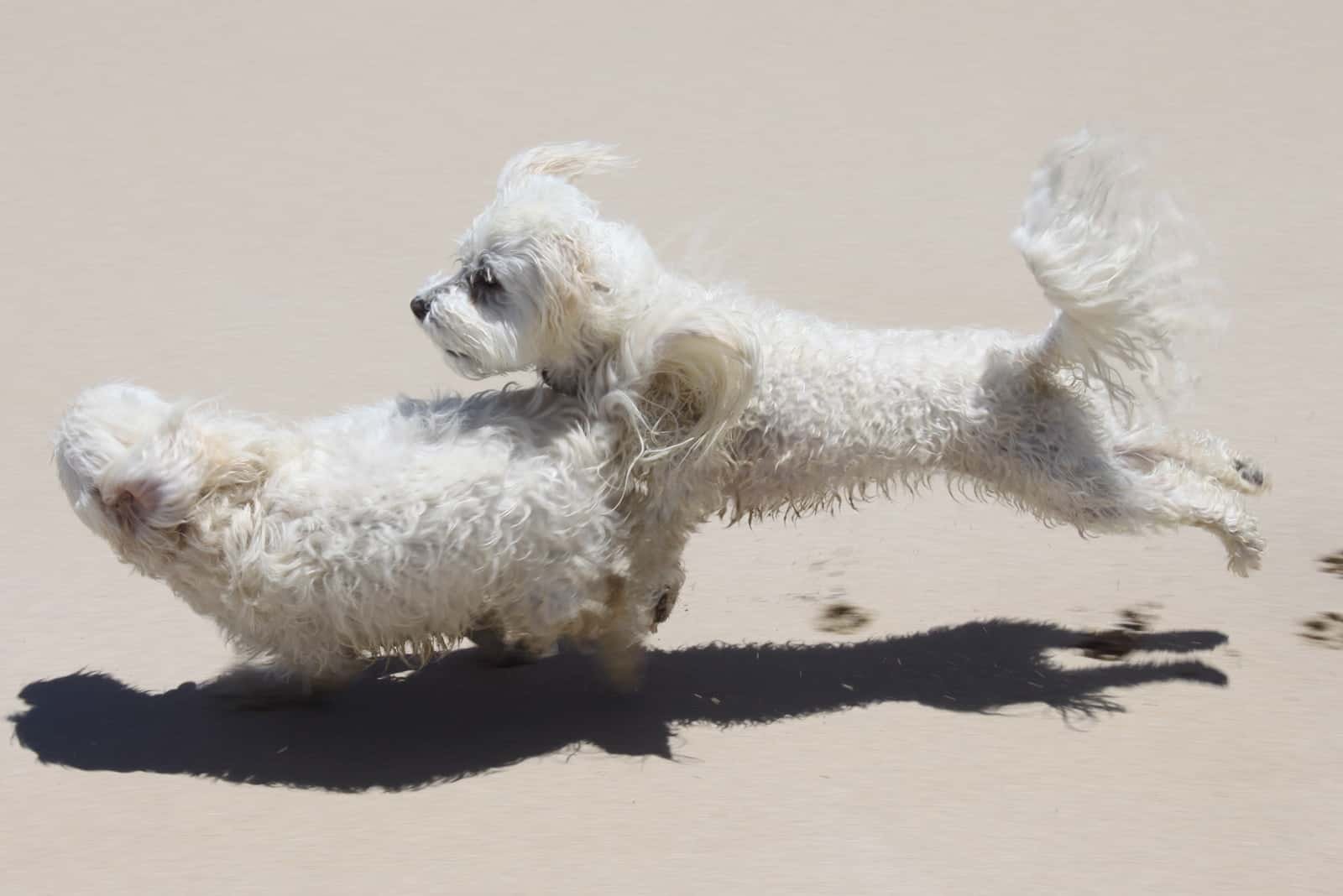
Miniature poodle training is exceptionally rewarding because these compact dogs possess all the intelligence of their larger cousins without the size challenges. Miniature poodles rank among the top 5 most intelligent dog breeds and maintain the same eager-to-please temperament that makes poodles exceptional learners. However, miniature poodle training requires a specific approach to avoid small dog syndrome and build the confidence these clever dogs need.
Proper miniature poodle training begins early and emphasizes consistent rules, despite their diminutive size. Many owners make the mistake of treating miniature poodles like lap dogs that don’t need training, but this leads to behavioral problems. This comprehensive guide covers training techniques specifically tailored to miniature poodles, addressing their size considerations, confidence building, and specialized needs.
Quick Facts
- Intelligence Rank: Top 5 most intelligent dog breeds
- Size: 10-15 pounds, 10-15 inches tall
- Training Start: Begin at 8 weeks old
- Session Length: 5-10 minutes, 2-3 times daily
- Key Focus: Prevent small dog syndrome through proper training
Miniature Poodle Training vs. Standard Poodles
While miniature poodles share the same intelligence as standard poodles, miniature poodle training differs in important ways:
**Size Considerations:** • Fragile skeletal structure requires gentler handling • Lower exercise needs than larger poodles • Easier to transport and manage • Smaller living space requirements • Different equipment sizes (collars, crates, toys)
**Behavioral Differences:** • More prone to small dog syndrome if not trained properly • Can develop excessive barking if boundaries not set • May be more timid without proper socialization • Equally intelligent but need consistent structure
**Training Advantages:** • Easier to reward with small treats • Simpler to manage during training sessions • Quick learners due to high intelligence • Adaptable to various living situations • Excel at trick training and advanced behaviors
**Why Miniature Poodle Training is Different:** Many owners inadvertently create behavioral problems by treating miniature poodles as fragile, delicate pets exempt from normal training rules. Without consistent miniature poodle training and clear expectations, these intelligent dogs develop small dog syndrome, resulting in excessive barking, jumping, aggression, and other problematic behaviors. Proper training establishes that miniature poodles are still dogs with the same needs for structure, boundaries, and respect that all dogs require.
Addressing Small Dog Syndrome
What is Small Dog Syndrome?
Small dog syndrome occurs when owners permit behaviors in miniature poodles that would never be acceptable in larger dogs:
- Constant jumping on people
- Excessive barking at sounds or people
- Aggressive snapping or biting
- Not responding to commands
- Demanding behavior (paving, whining)
- Protecting toys or food aggressively
- Pulling on leash
- Lunging at other dogs
- Owners don’t take training seriously in small dogs
- Behaviors seem cute at 12 pounds
- Owners pick up miniature poodles instead of addressing behavior
- Inconsistent rules and boundaries
- Lack of proper socialization
- Treating miniature poodles as accessories, not dogs
- Anxious, insecure dogs
- Unpredictable behavior
- Difficulty with veterinary care, grooming
- Unsafe around children and other pets
- Constant stress and tension
- Reduced quality of life
Miniature poodle training must address these issues from the start by treating your dog like a real dog, not a toy.
Prevention Through Proper Training
Prevent small dog syndrome in miniature poodle training by setting clear expectations from day one:
**Training Principles:**
- Same rules for behavior apply to all sizes
- No jumping on people (regardless of size)
- No excessive barking
- Respect personal boundaries
- Obey commands consistently
- Everyone in household enforces same rules
- No exceptions “just because they’re small”
- Consistent consequences for misbehavior
- Predictable routines and expectations
- Minimal poodle training sessions establish hierarchy
- You control resources (food, toys, attention)
- Miniature poodles must earn privileges
- Respect leads to confidence, not fear
- Regular feeding schedule
- Consistent potty breaks
- Scheduled play and training
- Designated sleep areas
- Clear house rules
- Expose to varied situations (socialization)
- Praise for brave behavior
- Never coddle fearful reactions
- Let miniature poodles problem-solve
- Encourage independence
Miniature poodle training done right creates confident, well-adjusted dogs that are a joy to live with.
Early Miniature Poodle Training (8 Weeks – 6 Months)
Foundational Training
Start miniature poodle training immediately with essentials:
- Establish routine (feeding, potty, sleep schedule)
- Begin name recognition (say name, reward when looks)
- Introduce crate (safe space, not punishment)
- Establish house rules (where allowed, what’s off-limits)
- Start preventing jumping and unwanted attention-seeking
- Session Length: 5-10 minutes (miniature poodles have short attention spans)
- Frequency: 3-4 sessions daily
- Best Times: After meals, after naps, before bedtime
- Location: Low-distraction area initially
- Always End Positively: Finish with a behavior miniature poodle knows well
- Small treats (pea-sized for miniature poodles)
- Soft collar and lightweight leash
- Crate sized for miniature poodle (not too large)
- Toys appropriate for small mouths
- Potty pads (temporary)
- Name recognition
- Sit
- Come (recall)
- Go outside (for house training)
House Training Miniature Poodles
House training miniature poodles requires consistency and frequent opportunities:
- Every 2 hours during day
- After each meal (within 15 minutes)
- After naps
- After play sessions
- Before bedtime
- First thing in morning
- After water bowl access
**Successful Potty Process:** 1. Take to designated potty spot 2. Use consistent verbal cue (“Go potty”) 3. Wait patiently (5-10 minutes) 4. Praise immediately when successful (while miniature poodle is still going) 5. Give small treat right away 6. Bring back inside
- Supervise constantly when indoors
- Use pen or small area (miniature poodles have small bladders)
- Note miniature poodle patterns (sniffing, circling)
- Interrupt if possible and take outside
- Never punish (no scolding, no rubbing nose)
- Clean with enzymatic cleaner to remove scent
- 8-12 weeks: Frequent accidents (small bladder)
- 12-16 weeks: Some control developing
- 4-5 months: Mostly reliable with consistency
- 6 months: Usually fully house trained
Miniature poodles can be slower to house train than larger breeds due to smaller bladder capacity, so patience is essential.
Handling and Socialization
Socialization prevents fearfulness in miniature poodle training:
- Experiences during this window shape lifelong behavior
- More important than actual training commands
- Underdoesocialized miniature poodles become anxious and fearful
- Balance exposure with safety (sick dogs, aggressive animals)
**What to Expose Miniature Poodles To:**
- Children of various ages and sizes
- Different ethnicities, ages, body types
- People with beards, glasses, hats, uniforms
- People using wheelchairs or canes
- People with different energy levels
- Different surfaces (grass, concrete, tile, carpet)
- Stairs (important for miniature poodles)
- Elevators
- Different rooms in house
- Parks and busy areas
- Pet stores
- Car rides
- Vet clinic (happy visits without procedures)
- Vacuum and appliances
- Doorbell and knocking
- Traffic and sirens
- Thunder (low volume recordings)
- Children playing
- Different music types
- Paws touched frequently (nail care)
- Ears handled (requires regular cleaning)
- Mouth opened gently (dental care, treats)
- Entire body touched during grooming
- Acceptance of bathing and brushing
- Collar, harness, and leash wearing
- Start early (as soon as safe after vaccination)
- Make exposures positive (treats, praise, fun)
- Don’t force—let miniature poodle approach at own pace
- Protect from negative experiences
- Repeat exposures in different contexts
- Celebrate brave behavior
- Excellent for socialization and training
- Safe, controlled environment with other puppies
- Professional guidance on miniature poodle-specific issues
- Learn problem-solving techniques
- Build confidence in new environments
Obedience Training for Miniature Poodles
Essential Commands
Miniature poodle training includes these crucial commands:
- Foundation for all training
- Say name once, reward when looks
- Practice throughout day
- Most important command for recall safety
- Easiest first command
- Hold treat above nose, move back over head
- Lower naturally; say “Sit” and reward
- Practice before meals, doorways, greetings
- Most important safety command
- Even tiny miniature poodles can bolt
- Start in enclosed, low-distraction area
- Say “Come!” enthusiastically
- Reward heavily and consistently
- Never punish when miniature poodle comes (even if slow)
- Practice daily with long line initially
- From sit, move treat toward floor
- Praise when miniature poodle lies down
- Useful for calm behavior management
- Prevents eating dangerous items
- Hold treat in closed fist
- Say “Leave it,” wait for miniature poodle to stop pawing
- Reward with different treat
- Progress to items on floor
- Practice with various items
- For items already in mouth
- Offer high-value trade
- Say “Drop it” as mouth opens
- Never chase (turns into game)
- Always reward the drop
- Use pea-sized treats (tiny mouths)
- Keep sessions very short
- Practice 3-5 repetitions per session
- 2-3 sessions daily
- End on success
- Be patient with small learners
Positive Reinforcement for Miniature Poodles
Miniature poodles respond exceptionally well to positive reinforcement:
- Maintains strong bond and trust
- Keeps sensitive temperament confident
- Encourages thinking and problem-solving
- Creates eager, engaged learners
- More effective long-term
- Prevents fear and anxiety
- Makes training fun for both dog and owner
- High-value treats (small pieces: cheese, chicken, commercial high-value treats)
- Enthusiastic praise (tone matters for miniature poodles)
- Physical affection (petting, scratching)
- Play and toys (many miniature poodles love toys)
- Life rewards (going outside, car rides, sniffing)
- Reward within 1-2 seconds of behavior
- Use marker word (“Yes!”) or clicker
- Follow marker immediately with reward
- Consistency in timing strengthens learning
- Celebrate successes with miniature poodle
- Keep energy positive and fun
- Mix reward types to maintain interest
- Practice in varied locations
- Include training in daily routine
- Initially: Reward every successful response
- Gradually: Reward intermittently
- Long-term: Occasional rewards maintain behavior
- Unpredictability keeps miniature poodle engaged
- Never punish (damages sensitive temperament)
- No harsh corrections or yelling
- No physical force or intimidation
- No dominance-based techniques
- These create fearful, anxious miniature poodles
Common Behavioral Issues in Miniature Poodles
Excessive Barking
Miniature poodles often bark excessively if not properly trained:
- Alert barking (doorbell, passersby—unaddressed small dog syndrome)
- Boredom and insufficient mental stimulation
- Attention-seeking behavior
- Anxiety or fear
- Excitement
**Prevention Through Miniature Poodle Training:** 1. Don’t reward barking with attention 2. Ensure adequate exercise and mental stimulation 3. Practice desensitization to triggers 4. Teach “Quiet” command early
- Allow a few alert barks
- Wait for natural pause
- Say “Quiet” clearly
- Immediately reward (treat, praise) when quiet
- Never shout “Quiet” (sounds like joining in)
- Practice regularly
- Close curtains if window barking
- Use background noise (music, white noise)
- Create barriers to stimulus
- Desensitize slowly to triggers
- Provide alternative activities (puzzle toys)
- Daily walks appropriate for miniature poodle size
- Training sessions (provide mental exercise)
- Puzzle toys and food-dispensing toys
- Interactive play
- Regular enrichment activities
Jumping on People
Jumping seems cute in miniature poodles but creates behavioral problems:
- Natural greeting behavior
- Seeking attention (any attention reinforces)
- Excitement
- Previously rewarded (picked up, talked to, laughed)
**Training Solution:** 1. **Completely Ignore Jumping**: – Turn away, cross arms – No eye contact, touch, or voice – Wait for all four paws on ground 2. **Reward Four-on-Floor**: – Immediately praise and pet when calm – Crouch down to miniature poodle’s level – Celebrate calm greetings 3. **Teach Alternative Greeting**: – Redirect to “Sit” for greetings – Reward sits heavily – Practice with familiar people first 4. **Total Household Consistency**: – Everyone follows same rules – No jumping allowed ever – Not even “just a little” 5. **Management:** – Leash when guests arrive – Use baby gate if needed – Manage situation, not just behavior
- One person allowing jumping undoes all training
- Miniature poodles are smart—they’ll jump with lenient people
- Consistency teaches reliable behavior
Fearfulness and Anxiety
Miniature poodles can develop anxiety if not properly socialized or trained:
- Trembling or freezing in new situations
- Excessive barking at unfamiliar stimuli
- Avoidance of people or places
- Potty accidents from anxiety
- Excessive panting or drooling
- Destructive behavior when anxious
- Early exposure to varied experiences
- Positive associations with new stimuli
- Gradual exposure (don’t overwhelm)
- Celebrate brave behavior
- Never coddle fearful reactions
**Treatment Strategies:** 1. **Desensitization and Counter-Conditioning**: – Gradually expose to feared stimulus at distance – Pair with positive things (treats, play) – Slowly decrease distance over time – Move at miniature poodle’s pace 2. **Building Confidence**: – Teach commands (builds confidence) – Encourage exploration – Praise brave behavior – Let miniature poodle problem-solve 3. **Create Safe Space**: – Quiet area for retreat – Use crate as safe den – Don’t force interaction – Provide comfort items 4. **Professional Help**: – Severe anxiety may need veterinary behaviorist – May require medication initially – Work with trainer experienced in anxiety
- Avoid overprotection (worsens anxiety)
- Act calm and confident around miniature poodle
- Don’t coddle or baby anxious behavior
- Encouragement and confidence-building help most
Advanced Training for Miniature Poodles
Despite their size, miniature poodles excel at advanced training:
**Intermediate Obedience Commands:**
**Stay/Wait** • Start with sit, take one step back • Return immediately, reward • Gradually increase distance and duration • Add distractions slowly • Practice in various locations
**Heel/Walk Nicely** • Important even for small dogs • Reward for walking beside without pulling • Change direction when pulling begins • Use “Let’s go” or “Heel” command • Practice in low-distraction areas first
**Place/Go to Bed** • Designate mat or bed • Lure to location, say “Place” • Reward for staying on place • Increase duration gradually • Useful for doorbell, mealtimes, guests
**Advanced Activities for Miniature Poodles:**
**Trick Training:** • Miniature poodles love learning tricks • Builds confidence and mental stimulation • Examples: play dead, weave through legs, spin, bow • Great bonding activity
**Scent Work:** • Uses natural abilities • Can do at any age • Excellent mental exercise • Fun indoor or outdoor activity
**Agility (Modified for Size):** • Low jumps, miniature-sized obstacles • Great physical and mental exercise • Strengthens bond • Builds confidence
**Therapy or Service Work:** • Some miniature poodles excel as: – Therapy dogs in hospitals, schools – Emotional support animals – Alert dogs for medical conditions • Requires specialized training • Highly rewarding
**Benefits of Advanced Miniature Poodle Training:** • Prevents boredom and behavior problems • Deepens human-dog bond • Builds confidence and security • Provides mental and physical exercise • Creates purpose and job • Fun activity together • Showcases miniature poodle intelligence
Miniature Poodle Training FAQs
Is it harder to train miniature poodles than standard poodles?
No, miniature poodles are equally intelligent and trainable as standard poodles. However, miniature poodle training requires slightly different approaches due to their small size and the tendency of owners to skip training. The main challenge is getting owners to treat miniature poodles like real dogs needing proper training, not toy dogs exempt from rules. With consistent training, miniature poodles learn just as quickly and completely as larger poodles.
What is small dog syndrome and how do I prevent it?
Small dog syndrome occurs when owners permit behaviors in miniature poodles they wouldn’t tolerate in larger dogs—jumping, excessive barking, aggression, and disobedience. Prevention requires treating your miniature poodle like a real dog with the same training, boundaries, and rules as any other dog. Set expectations from day one, enforce consistent rules, and train your miniature poodle like you would any other breed. This creates a confident, well-adjusted dog, not behavioral problems.
How much exercise do miniature poodles need?
Miniature poodles need 30-45 minutes of daily exercise, including walks and playtime, though they’re more adaptable to different activity levels than larger poodles. Mental stimulation through training, puzzle toys, and tricks is equally important as physical exercise. Many behavior problems in miniature poodles stem from boredom, not insufficient physical exercise. Regular training sessions provide essential mental engagement for this intelligent breed.
When should I start socializing my miniature poodle puppy?
Start miniature poodle socialization as soon as safely possible after initial vaccinations (around 8-10 weeks). The critical period is 8-16 weeks when experiences shape lifelong behavior. Expose your miniature poodle to varied people, environments, sounds, and experiences. Don’t wait until your puppy is fully vaccinated, as missing this critical window can result in a fearful, anxious adult dog.
Are miniature poodles good with children?
Miniature poodles can be excellent with children when properly socialized and trained, but their small size requires supervision. Children can accidentally injure a miniature poodle through rough play, and unsocialized miniature poodles may nip or snap. Early socialization with children, training in boundaries, and teaching children to respect the dog’s space ensures positive interactions. Toy poodles are even smaller and more fragile than miniature poodles.
How often should I train my miniature poodle?
Train your miniature poodle 2-3 times daily in short 5-10 minute sessions. Miniature poodles have shorter attention spans than larger poodles, so frequent, brief sessions work better than longer training periods. Consistency matters more than duration. Daily training provides mental stimulation, reinforces commands, and strengthens your bond. Many behavioral issues in miniature poodles result from insufficient mental engagement.
Can miniature poodles live in apartments?
Yes, miniature poodles adapt well to apartment living due to their small size and ability to get exercise indoors. However, they still need daily walks, playtime, and mental stimulation. Excessive barking (common in untrained miniature poodles) is problematic in apartments, making training essential. With proper miniature poodle training and sufficient exercise, they’re excellent apartment dogs, though they benefit from occasional access to open spaces.
What’s the best training method for miniature poodles?
Positive reinforcement training works best for miniature poodles. These sensitive, intelligent dogs thrive with reward-based methods using treats, praise, and play. Use pea-sized treats appropriate for small mouths. Avoid punishment-based training, which damages the bond and can create anxiety or aggression in miniature poodles. Keep sessions short and fun, always end positively, and maintain consistency across all household members.
Success with Miniature Poodle Training
Miniature poodle training is one of the most rewarding aspects of owning these delightful dogs. Their intelligence, compact size, and eagerness to please make them wonderful companions when properly trained. The key to success is recognizing that miniature poodles are full dogs requiring the same training, boundaries, and structure as any other breed—their size doesn’t exempt them from training requirements.
Successful miniature poodle training starts early, remains consistent, and employs positive reinforcement methods that build confidence without creating behavioral problems. By preventing small dog syndrome from the start, you’ll develop a well-mannered, obedient companion who is a joy in any situation. The time invested in miniature poodle training pays dividends in years of enjoyable companionship with one of the world’s smartest, most adaptable dog breeds.
Learn More About Miniature Poodles
Explore comprehensive guides on miniature poodle care, size considerations, temperament, and training to become the best possible owner for your intelligent companion.