Find Poodle Rescue Organizations Nearby
Lots of folks want to adopt or foster poodles and poodle mixes from a rescue close to home. It’s worth finding reputable organizations, double-checking their nonprofit status, and understanding the types of rescues out there.
Search Strategies for Local Shelters
Looking for poodle rescue groups nearby? Start with online databases.
Sites like Adopt a Pet list adoptable standard poodles in Arlington, TX and include shelter contact info.
Filtering by breed and zip code narrows your search to local shelters. Social media groups such as Poodles in Texas Shelters often post updates about rescued poodles and mixes.
Give your local animal shelter a call and ask about poodle rescue partners. That can save you time.
Some groups, like Doodle Rock Rescue in Dallas, focus on doodles and poodle mixes. Try using terms like “doodle rescue” to broaden your search.
How to Verify a 501(c)(3) Status
Before you work with any rescue, always check their 501(c)(3) nonprofit status. Legitimate rescues meet government rules and let you make tax-deductible donations.
Use the IRS nonprofit search tool—just enter the rescue’s official name to confirm their status. Most serious rescue groups display their 501(c)(3) number right on their website or adoption pages.
Look for info about their mission, board members, and finances. If you can’t find these details, don’t hesitate to call and ask for proof of their nonprofit status.
References or reviews from previous adopters can help you check a group’s reputation. Trustworthy poodle rescues are pretty open about their work and policies.
Types of Poodle Rescues in Your Area
You’ll find different types of poodle rescues. Some focus only on standard poodles, while others work with toy and miniature poodles too.
Mixed breeds like labradoodles and goldendoodles are often rescued by specialized doodle rescues, such as Doodle Rock Rescue in Dallas. Breed-specific rescues usually have foster networks that care for poodles until adoption.
Others run as no-kill shelters or foster-based groups, focusing on rehab and training. Adoption options might include older dogs, puppies, and even bonded pairs.
Some organizations help during emergencies, like natural disasters or owner surrenders, making sure at-risk poodles and mixes get the care they need. A good rescue will try to match you with a dog that fits your family and lifestyle.
Available Poodle Dogs and Poodle Mixes
Poodles and poodle mixes are popular for their smarts, friendly personalities, and low-shedding coats. Rescues usually have a mix of sizes and ages—puppies, adults, seniors, and sometimes special needs dogs.
Current Listings for Adoptable Poodles
You’ll often find toy, miniature, and standard poodles ready for adoption. Shelters and rescues update their lists frequently, so check back often.
Websites like Poodle Rescue Me and Chewy’s adoptable poodle search let you browse by location and see current photos and details. Some rescues share info like age, sex, temperament, and any issues.
Here’s an example of what you might see:
| Name | Age | Type | Gender | Location |
|---|---|---|---|---|
| Charlie | 5 yrs | Miniature | Male | Minnesota |
| Bella | 2 yrs | Standard | Female | California |
These listings help you find a dog that matches your lifestyle and energy level.
Spotlight on Poodle Mixes
Poodle mixes, or “doodles,” combine poodles with other breeds like Labradors, Cocker Spaniels, or Shih Tzus. They’re popular for their variety and often share the trainability and lower allergy risk of purebred poodles.
Groups like PoodleMix Rescue take in dogs from all kinds of backgrounds. While dogs are in foster care, rescues assess their behavior and health so adopters know what to expect.
Some popular poodle mixes include:
- Labradoodle (Labrador Retriever × Poodle)
- Cockapoo (Cocker Spaniel × Poodle)
- Goldendoodle (Golden Retriever × Poodle)
- Shih-poo (Shih Tzu × Poodle)
Mixes come in all sizes and coat types.
Special Needs and Senior Dogs
Not every available dog is young or perfectly healthy. Some rescues focus on senior poodles or those with special needs—maybe mobility issues, vision problems, or chronic health conditions.
Senior and special needs dogs can be some of the most loving companions. Adoption fees for seniors are often lower, and some rescues help with initial medical costs.
You’ll usually find details about available seniors, like a 5-year-old miniature poodle named Charlie, right on rescue pages. Adopting a special needs dog takes patience, but it’s often deeply rewarding.
How to Adopt a Poodle Near You
Finding a poodle rescue near you isn’t hard once you know the steps. Most groups have systems to make sure dogs land in safe, loving homes.
Application and Screening Process
To adopt a poodle, start by filling out an adoption application. They’ll ask about your home, family, pets, and past experience.
The idea is to match each dog with a home where it’ll thrive. Many rescues check references, call your vet, or ask for interviews.
Some even do background checks. The process can vary, but it’s all about giving each poodle the best shot at a happy life.
Rescues usually prefer adopters who understand poodle grooming and activity needs. Be honest in your application.
For more info about finding rescues and how to apply, check out Poodle Rescue Me and Adopt a Pet.
Adoption Fees and Inclusions
Adopting a poodle comes with an adoption fee. Fees cover vet care like shots, spay/neuter, and sometimes microchipping.
- What’s usually included:
- Health screening
- Vaccinations
- Spay or neuter surgery
- Microchip (sometimes)
- Flea/tick and heartworm treatments
Adoption fees range from $100 to $600, depending on the group. Puppies might cost more because of extra care.
These fees help rescues keep saving more dogs. The money goes right back into helping the next pup in need.
Preparing for Home Visits
Most rescues do a home visit before approving an adoption. They want to see if your home’s safe and set up for a poodle.
They’ll check for things like secure fencing, dangerous items out of reach, and comfy spots for a dog to sleep and play.
Rescues might offer advice on improving your home setup if needed. Sometimes they’ll share tips on poodle care or routines.
Home visits help everyone adjust after adoption. For more on getting ready, see this resource about poodles for adoption.
Poodle Rescue Adoption Requirements
Most poodle rescues have specific rules to make sure each dog gets a safe and loving home. Knowing the process helps if you’re serious about adopting and caring for a poodle.
Basic Eligibility Criteria
Many rescues ask that adopters be at least 21. You’ll need to show ID and proof of where you live.
Some groups only adopt locally, so check their rules. You’ll fill out a form about your home, pet history, and why you want to adopt.
References from your vet or personal contacts might be required. If you rent, your landlord may need to sign off before you can bring home a dog, according to the ASPCA Adoption Resources.
Adoption fees cover medical care like vaccines, spay/neuter, flea treatments, and sometimes microchipping. For specific requirements or to start an application, check out local groups like Poodle Rescue Connecticut.
Home Environment Assessments
A home visit or virtual tour is usually part of the process. Rescues look for a safe space, solid fencing, and pet-friendly areas.
They want to be sure your home doesn’t have open gates, toxic plants, or unsafe balconies. Families will be asked about their routines and where the poodle will sleep.
Rescue staff check if you can provide enough exercise and attention. They may want to see that everyone in the house is on board with adopting.
If you’ve got very young kids or pets that might be a risk, some rescues may advise waiting. It’s all about protecting both the dogs and their future families.
Benefits of Adopting from Poodle Rescue
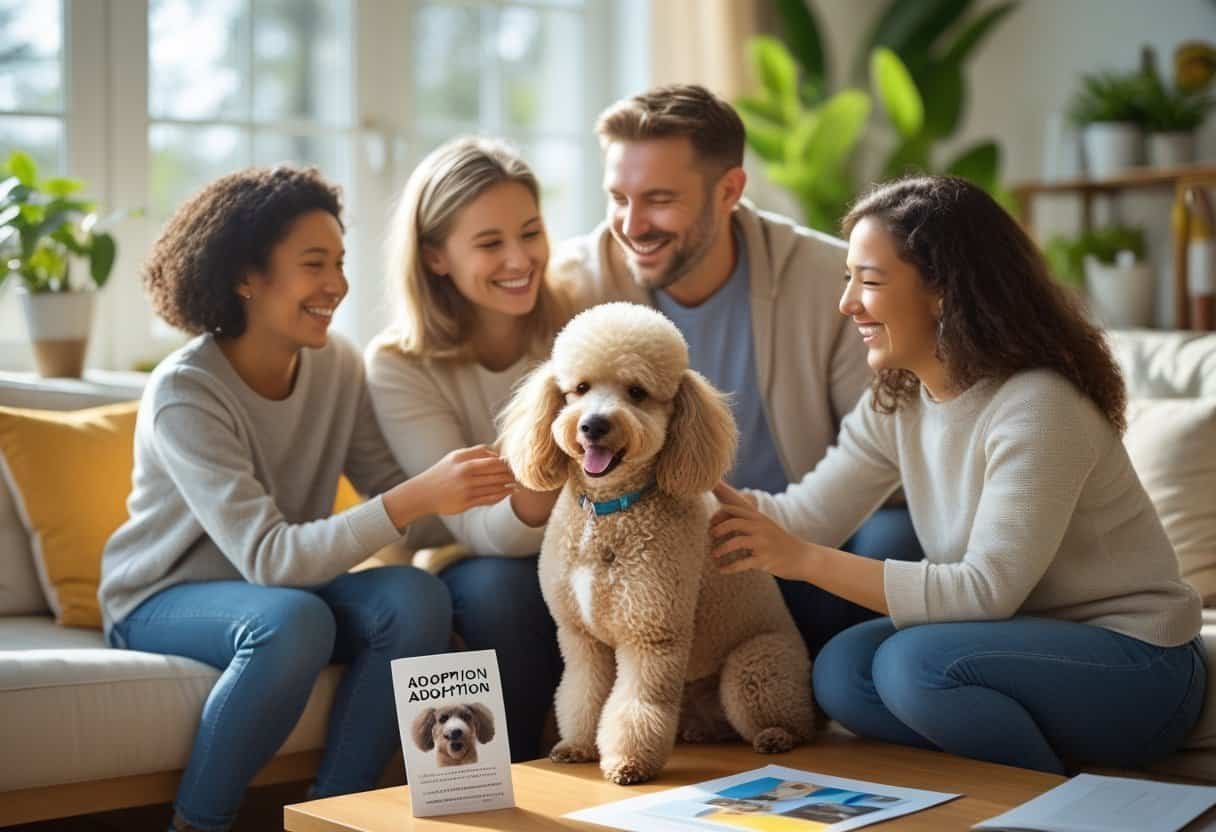
Adopting from a poodle rescue brings together dogs who need homes and people ready to care for them. The process supports ethical groups and helps animal welfare in your community.
Supporting Ethical Animal Welfare
Most poodle rescues are run by nonprofit organizations, like registered 501(c)(3) groups. These groups help dogs that have been abandoned, neglected, or surrendered.
When you adopt, you support animal welfare and help reduce demand for puppy mills and irresponsible breeders. That’s a real impact.
Rescues provide medical care, vaccinations, and spay or neuter services before adoption. This helps make sure dogs are healthy and ready for their new homes.
Adopting lets these groups keep saving more dogs and giving them second chances. Isn’t that what it’s all about?
Advantages for the Adopter
Adopting from a poodle rescue comes with some real perks. Rescues usually work hard to match each dog with a family by considering their lifestyle and preferences.
This match-up makes it more likely that both the adopter and the poodle will bond well. It just feels more personal than buying from a breeder.
Poodles from rescues often arrive with medical history and behavior notes. Many organizations offer training tips and ongoing advice if you have questions.
Rescue fees typically cover vaccinations, spaying or neutering, and sometimes microchipping. That can save you a bit of hassle and expense.
Poodles have a reputation for being smart, loving, and pretty easy to train. Rescue organizations usually have adult dogs, puppies, and even poodle mixes, so there’s something for almost every type of family.
Impact on Local Communities
Picking a local poodle rescue can actually help your own community. Rescues ease the load on crowded shelters by moving dogs into foster homes or matching them with permanent families.
Local rescues often connect with area vets, trainers, and volunteers. This network helps keep animal care standards high and gives new pet owners somewhere to turn.
Adoption fees usually stay local and fund food, vet care, and rescue activities. It feels good knowing your money supports something close to home.
Many poodle rescues host public events and adoption days. These events promote animal welfare and encourage people to think about adoption instead of breeders.
Supporting Poodle Rescue Efforts
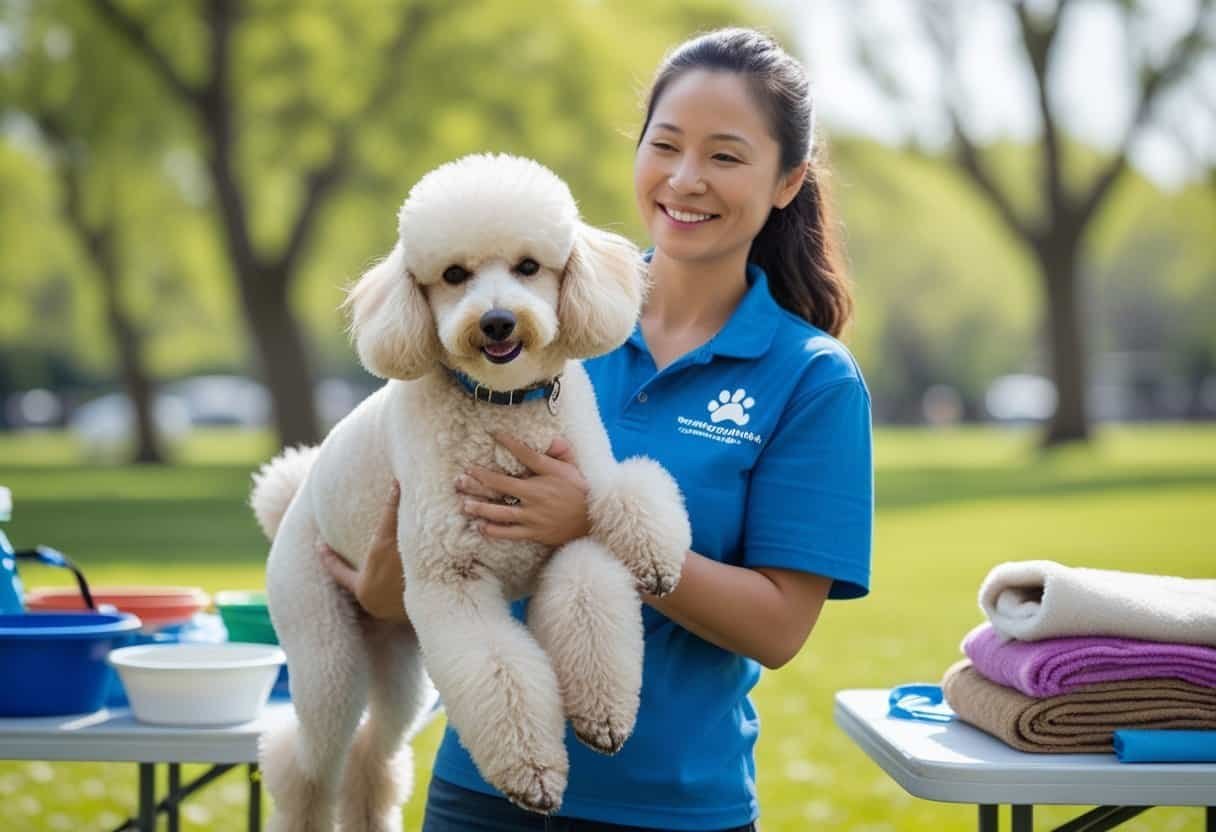
You don’t have to adopt to help poodle rescues. Donations of money, supplies, or your time all make a difference.
How to Donate
Most poodle rescues are 501(c)(3) nonprofits. They accept donations by check, credit card, or even PayPal.
Some offer monthly giving for people who want to help regularly. When donating, look for reputable groups with clear missions.
You can ask for a donation receipt for your records. This ensures your gift goes toward poodle food, vet care, transport, and shelter costs.
Some rescues let you dedicate donations in memory of a pet or loved one. Others keep wish lists for items like beds, leashes, or flea meds.
For details, check out Poodle Rescue ― ADOPTIONS or The Ultimate Guide to Poodle Rescue.
Other Ways to Give
Money isn’t the only thing that helps. Donating supplies like food, crates, or cleaning products goes a long way.
Volunteering matters, too. People help with foster care, transport, home checks, or event planning.
Some businesses sponsor events or match donations from their employees. Fostering a dog frees up space for rescues to save more poodles.
Organizing a local fundraiser or sharing adoption posts online spreads the word. Every bit of support helps rescues care for and rehome more poodles.
Tax Benefits for Donors
Donations to most poodle rescues are tax deductible in the U.S. That includes both money and goods.
Keep your receipts and double-check that the group is tax-exempt before you claim a deduction. Nonprofits usually give written acknowledgments for larger gifts.
If you’re unsure about the rules, ask a tax advisor. Donating to registered rescues helps poodles and might lower your taxable income.
Volunteer Opportunities with Poodle Rescues
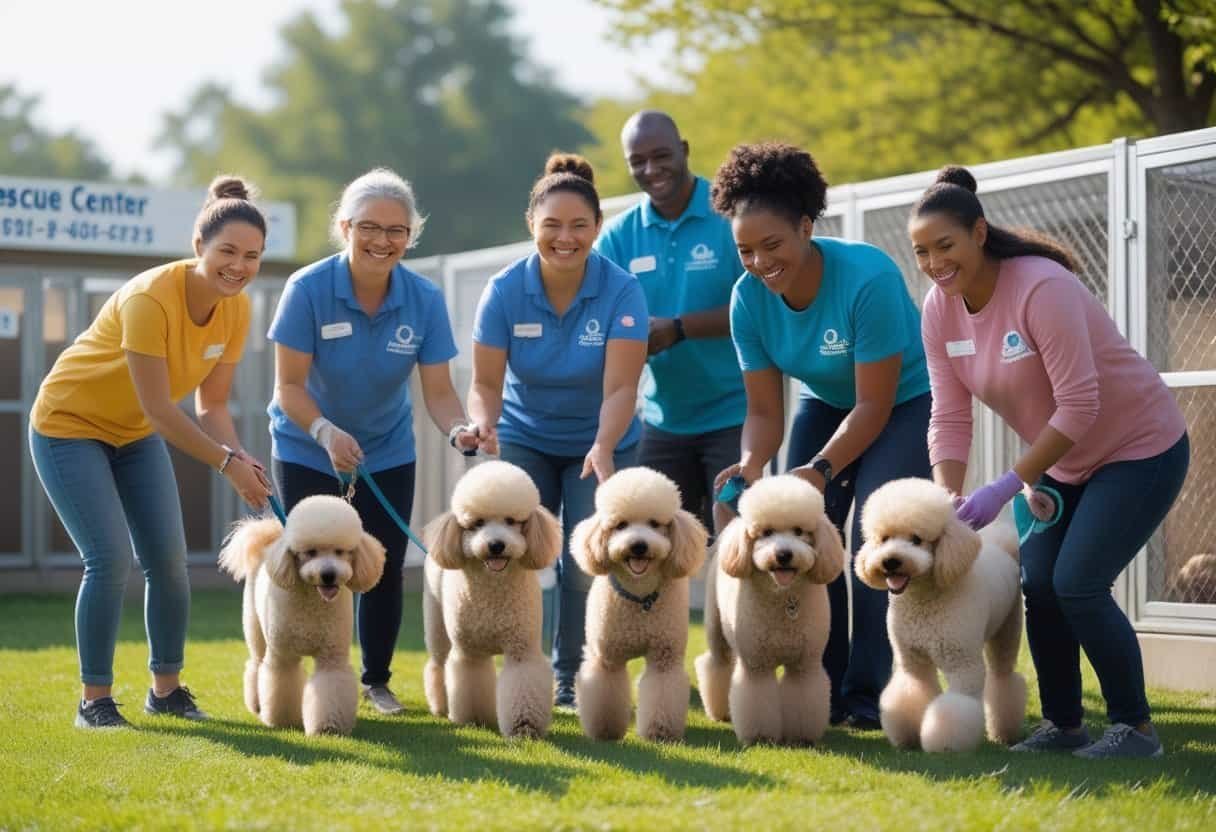
Poodle rescues rely on volunteers to help dogs in need. Volunteers are the backbone of these groups and make a real difference for rescued poodles.
Roles and Responsibilities
There are lots of ways to help. Some volunteers feed, walk, or groom poodles in foster care.
Others help at adoption events, greet visitors, answer questions, or show dogs to potential adopters.
Transporting dogs to vet appointments or new foster homes is another important job. Administrative help is always welcome—answering emails, updating social media, or organizing rescue activities.
Fundraising and making follow-up calls after adoptions keep everything running smoothly. Groups like Rescue Me! or the Poodle Club of Las Vegas often post specific needs and ways to get involved.
Volunteer Training and Requirements
Every rescue has its own guidelines. Training usually covers dog handling, safety, and the group’s procedures, according to the American Kennel Club.
Most rescues want volunteers who are reliable and kind to animals. Some jobs require a minimum age or a background check, especially for hands-on roles.
Training might mean online classes, in-person sessions, or shadowing an experienced volunteer. In Nevada, for example, groups may ask for a commitment to scheduled shifts or foster placements.
Clear communication and following protocols keep everyone—dogs and people—safe. You’ll find more details on each rescue’s website or contact page.
Insights on Poodle Dog Care Post-Adoption
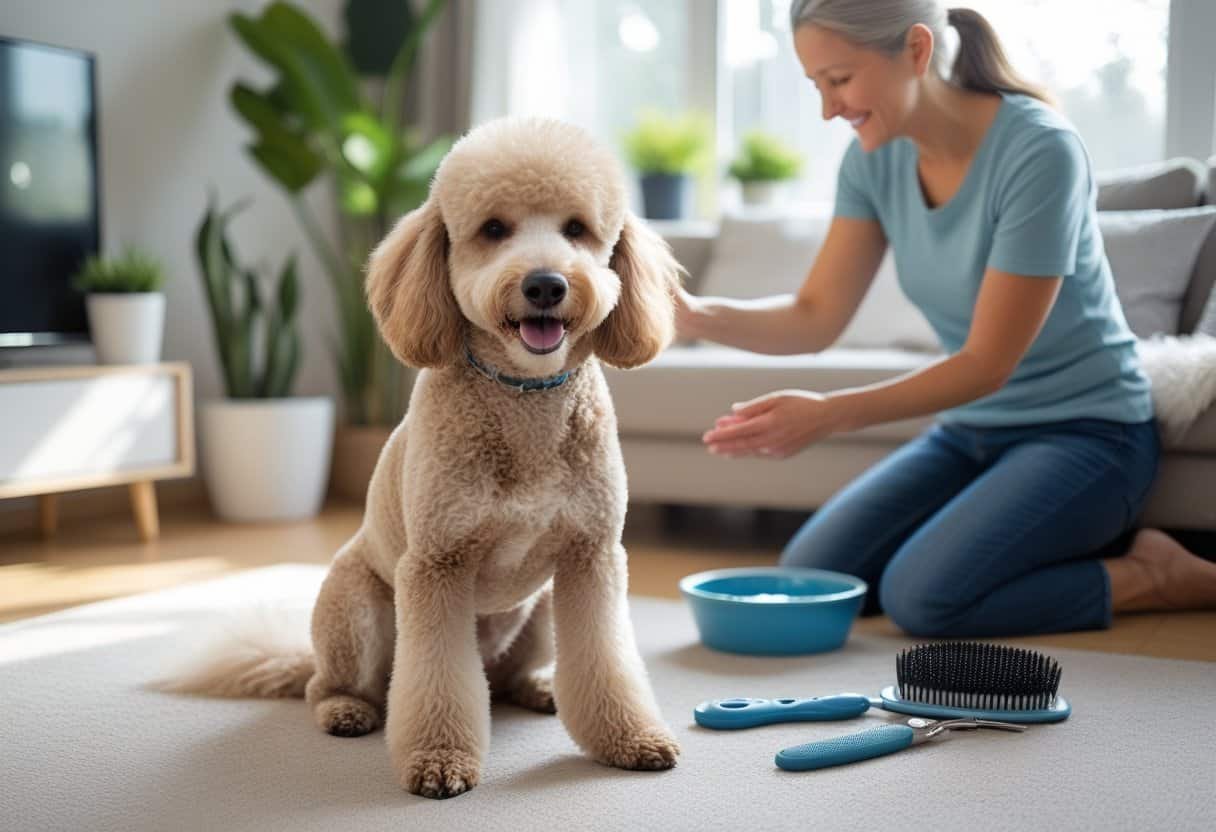
Bringing home an adopted poodle means giving them time, patience, and structure. Health, grooming, and emotional support all matter as they settle in.
Transitioning to a New Home
Newly adopted poodles can feel nervous or overwhelmed. A quiet spot with a comfy bed helps them relax.
Keeping routines steady gives the dog a sense of what’s coming next. Family members should introduce themselves gently, letting the dog approach at their own pace.
Treats, calm voices, and slow movements build trust. Some dogs settle in a few days, others may need a few weeks.
It’s normal for rescued poodles to go through a short adjustment period—shyness, pacing, or hiding can happen. A crate can be a safe space if you introduce it positively.
Letting the dog explore the house and yard on supervised walks helps them get comfortable. Patience is key—try to avoid lots of visitors or sudden changes at first.
Most poodles will eventually relax and start showing their real personality.
Health and Grooming Needs
Poodles need regular veterinary care after adoption. Schedule a checkup to make sure your dog’s healthy and up to date on vaccines.
Many rescues handle medical care before adoption, but it’s smart to confirm and set up ongoing vet visits. Grooming is a big part of poodle care because of their curly coats.
Brushing several times a week keeps mats and tangles away. Most poodles need a professional groomer every 4-8 weeks for a bath and trim.
Poodle mixes might need similar routines, depending on their coat type. Dental care, nail trims, and ear cleaning are also important.
Good habits lower the risk of skin and ear problems, which poodles can get. Feeding high-quality food that fits their age and energy level supports their health.
Behavioral Support for Rescued Poodles
Adopted poodles sometimes show anxiety, fear, or tricky behaviors at first. Barking, chewing, or house accidents aren’t unusual.
Routines, gentle training, and lots of positive reinforcement help set expectations.
Short, frequent training sessions with treats and praise work well. Poodles are smart and usually eager to please.
If your dog struggles with separation anxiety or fearfulness, gradual desensitization can help. Ignoring bad behavior and rewarding good actions works best.
Some poodle mixes need extra time to adjust to new sights, sounds, or pets. For ongoing issues, a qualified dog trainer or behaviorist can offer more help.
Most poodles settle in with patience and supportive care. For more tips, check out this guide on poodle foster care and best practices.
Understanding Poodle Breeds and Poodle Mixes
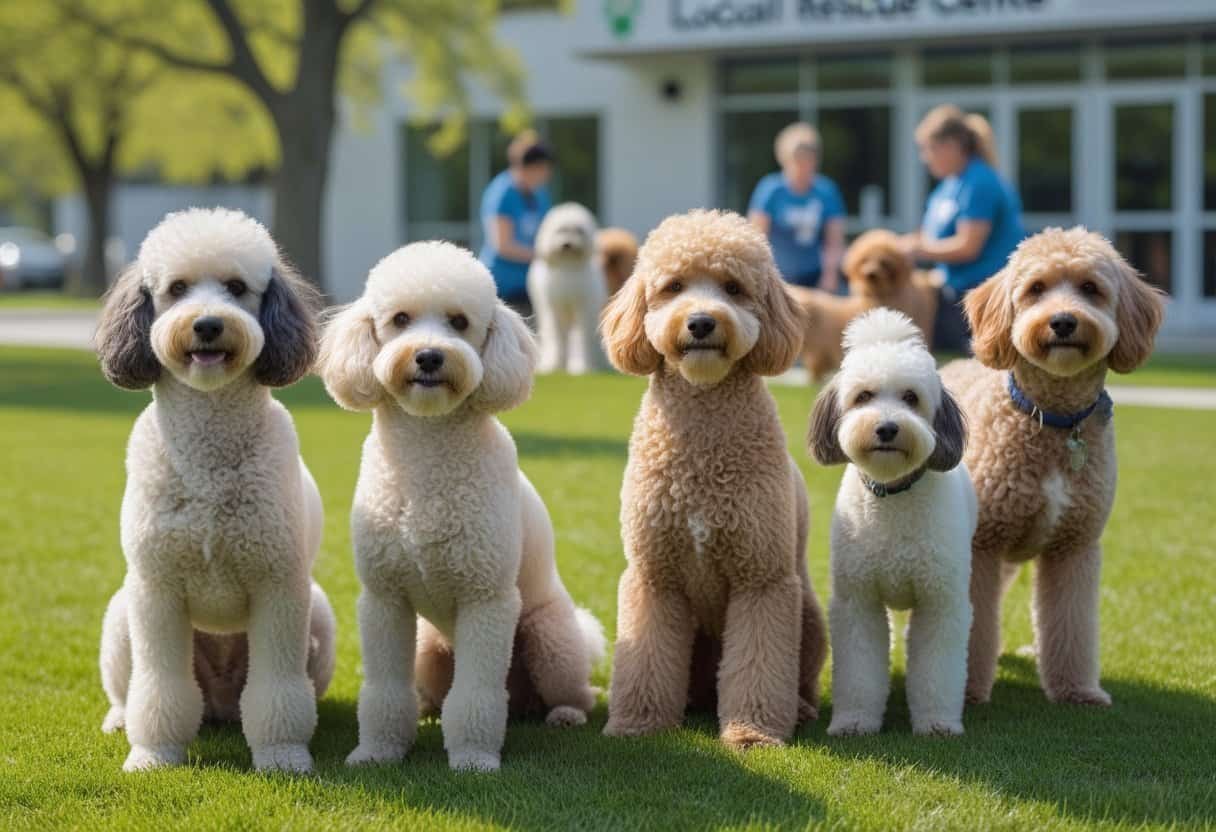
Poodles and poodle mixes are popular for good reasons. Their unique traits and range of sizes make them appealing for lots of adopters.
It’s worth learning about their main characteristics, common mixes, and any special needs they might have.
Common Traits of Poodles
Poodles stand out for their intelligence and trainability. They come in three sizes: toy, miniature, and standard.
All sizes share similar personalities—alert, friendly, and eager to please. Their curly coat is often called hypoallergenic, but it needs regular care.
Brushing and professional trims every month or two are a must. Poodles like to stay active and need daily exercise.
They also love mental games that challenge their minds. Most poodles are social and bond tightly with their families.
They might be shy with new people or dogs at first, but they usually warm up.
Popular Poodle Mixes
Poodle mixes, or doodles, combine poodles with other breeds. Some popular poodle mixes include:
- Labradoodle: Labrador Retriever and poodle mix.
- Goldendoodle: Golden Retriever and poodle mix.
- Cockapoo: Cocker Spaniel and poodle mix.
- Schnoodle: Schnauzer and poodle mix.
These mixes often inherit a poodle’s smarts and lower-shedding coats. But not every mix will have curly, hypoallergenic fur—coat types vary a lot.
Many poodle mixes are social and friendly, especially with early socialization. How they act depends on both parent breeds.
A Goldendoodle, for example, is usually energetic and craves attention. A Cockapoo tends to be gentle and playful.
Learn more about common traits of poodle mixes.
Breed-Specific Considerations
When adopting a poodle or poodle mix, think about their grooming, exercise, and health needs. Most mixes need regular brushing and sometimes professional grooming to avoid mats.
Some mixes shed more than others, so if you have allergies, spend time with the dog before deciding. Poodles and their mixes are clever, so they can get bored without enough mental stimulation.
They thrive with regular activities and enjoy learning new tricks. Their social nature means they do best with owners who have time for them.
Poodles can be prone to issues like hip dysplasia or eye problems. Regular vet care is important for keeping them healthy.
For more on poodle mixes and their behavior, see poodle mix behavior and temperament.
Community Events and Adoption Drives
Poodle rescues in lots of places put together adoption drives and local events. These gatherings let people meet rescue groups and get to know the poodles looking for homes.
Upcoming Local Events
All year, rescue groups join pet fairs, meet-and-greets, and fundraising days. Organizations like Compassionate Animal Rescue Efforts of Dutchess County and EASEL Animal Rescue League often hold adoption events at shelters, community centers, or even pet stores.
Visitors at these events can meet adoptable poodles face-to-face. Volunteers are usually on hand to answer questions about care, training, and what to expect when adopting.
Some events toss in grooming demos or lighthearted contests. It keeps things fun for families, and honestly, who doesn’t like a friendly competition?
People unsure about what kind of poodle fits their home can meet dogs of all ages and sizes. It’s a chance to see personalities firsthand—sometimes you just click with a dog you didn’t expect.
Rescue Me! Adoption Days
Rescue Me! Adoption Days zero in on finding homes for rescued poodles and spreading the word about adoption. Rescue groups set up booths to show off their available dogs, including some from tough backgrounds or distant places.
These events might pop up in parks, pet stores, or at local festivals. Volunteers chat about each dog’s personality and medical history, making matches a bit more personal.
Adoption counselors usually stick around to walk people through applications. Sometimes there are “same-day” specials or reduced fees to nudge folks to take the leap.
You might find Q&A sessions or free pet care resources for first-timers. It’s a warm, informative vibe—definitely not stuffy or intimidating.
Resources for Poodle Rescue Information
Finding reliable poodle rescue info makes the whole process smoother. Good websites and advice from local vets help people figure out adoption and care.
Recommended Websites
A handful of organizations keep their poodle rescue info up-to-date and easy to use. Carolina Poodle Rescue is a favorite for folks looking to adopt or learn about special needs poodles.
Their site lists adoptable pets, lays out adoption requirements, and shares helpful tips. Florida Poodle Rescue covers fostering, adoption forms, and updates on their rescues, including mixes.
NorCal Poodle Rescue in Northern California focuses on re-homing poodles and mixes. Missouri Poodle Rescue and Resource mostly uses social media to connect, share dogs, and offer care tips.
Most sites have contact info, adoption guides, and ways to volunteer or donate. It’s smart to check places like Carolina Poodle Rescue, Florida Poodle Rescue, and NorCal Poodle Rescue before making any decisions.
Local Veterinary Partnerships
Local vets often team up with poodle rescues. They might post flyers or know about upcoming events where people can meet adoptable dogs.
Vets usually have the medical history for rescues. That makes things clearer for adopters.
Rescue organizations count on these clinics for first checkups, spay/neuter, and vaccinations. It’s a solid partnership—most dogs leave healthy and ready for their new homes.
Animal clinics sometimes post rescue listings or event flyers on their boards. Trusted vets can point you to reliable rescue groups.
Honestly, asking your community vet is a good way to start if you want local rescue info or advice.
Frequently Asked Questions
Poodle rescues connect people with dogs who need homes. Each group runs its own adoption process and sets requirements depending on location and the type of poodle.
How can I adopt a miniature poodle from a local rescue?
If you want to adopt a miniature poodle, start by searching for poodle rescue organizations nearby. Most groups list available dogs, including miniature poodles.
Usually, you’ll fill out an application and maybe do an interview or home visit.
What steps are involved in the adoption process for rescued poodles?
The process kicks off with an application—online or on paper. Then, rescues might ask for interviews, check references, or do a home visit.
If things go well, they match you with a dog based on what both you and the poodle need. You can find more details at places like Poodles For Adoption.
Are there any poodle rescues that offer adoption at no cost?
Most poodle rescues charge an adoption fee to cover care and medical bills. Free adoptions don’t happen often, but some groups lower fees during special events or for senior dogs.
What are the requirements for adopting an apricot miniature poodle?
Apricot miniature poodles are in high demand, so it can be tough to find one. Rescues don’t always have them available.
If you want a specific color or size, you might wait longer. Mid-Atlantic Poodle Rescue talks about this on their FAQ page.
How can I view the available dogs for adoption from a poodle rescue?
Most rescues post their adoptable dogs on their websites. Listings usually have photos, ages, a bit about personality, and any special needs.
Just check each rescue group’s site—Poodle Rescue Me is a good example—for the latest updates.
What resources are available for poodle rescue in Virginia?
If you live in Virginia, you’ve got a few options for poodle rescue. Some national groups work in the state, and you’ll also find local rescues.
Try searching for rescue groups nearby and check out their websites. You’ll find details on available poodles, how to apply, and what kind of support they offer.
The Poodle Club of America Rescue Foundation helps out in Virginia too. They’ve got resources and information for people looking to adopt.