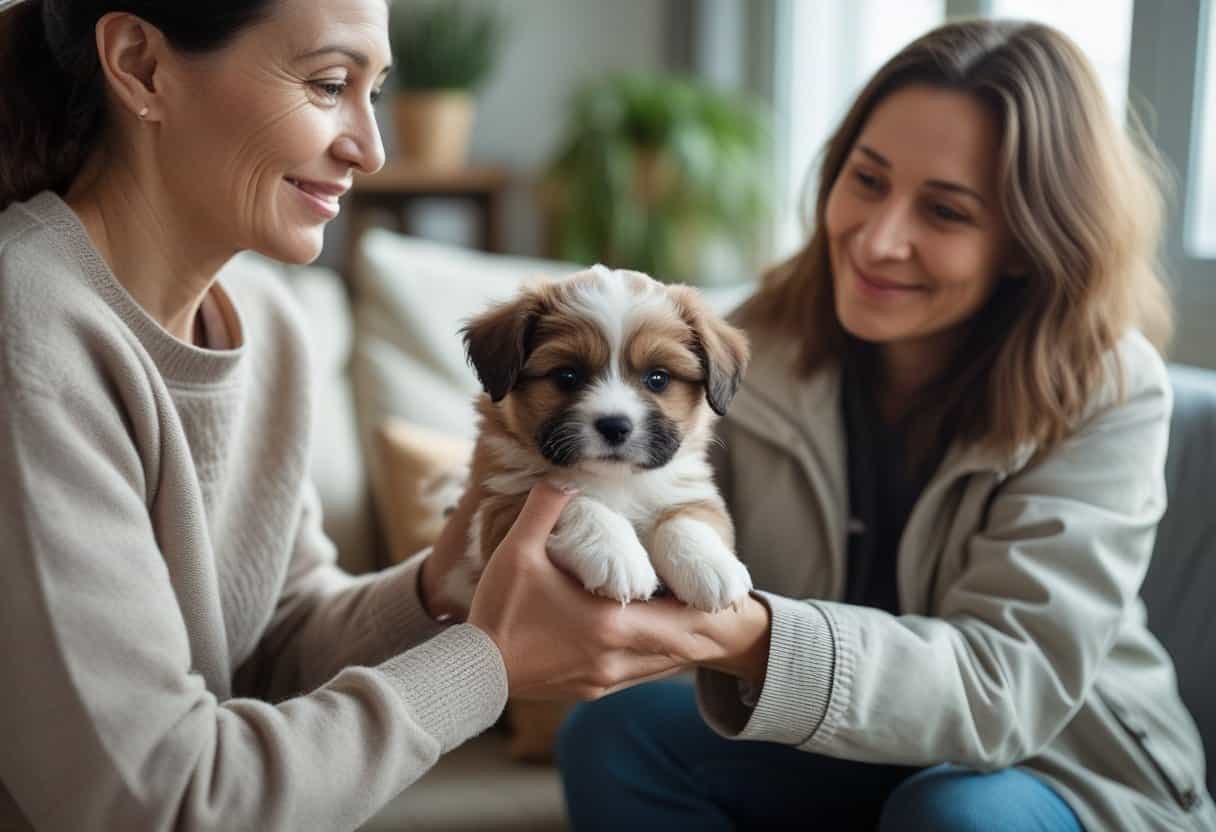
What Is Puppy Rehoming?
Puppy rehoming is a process that helps young dogs find families who can meet their needs. It’s not quite the same as adoption, especially when it comes to how the dog lands with the new family.
Definition of Puppy Rehoming
Puppy rehoming means finding a new home for a puppy when the current owner can’t keep it anymore. This process puts the puppy’s needs first and tries to match it with a family that can care for it properly.
Owners usually screen potential adopters, looking for people who really get what the puppy needs for health and happiness. Often, owners meet with the new family and share details like feeding schedules, medical records, and even what the puppy loves or hates.
This direct approach lets owners pick exactly who takes the puppy, so there’s more control than surrendering the dog to a shelter. Many people choose rehoming if they want their puppy to move straight from one loving home to another.
This can lower the stress on the animal and make the transition smoother for everyone. You can learn more about this process at what it means to rehome a dog.
Difference Between Rehoming and Adoption
Rehoming and adoption both help animals find homes, but they’re different. With rehoming, the dog goes straight from its original owner to a new family.
The current owner is involved in selecting and sometimes meeting the new family. In adoption, the process usually happens through a shelter or rescue group.
Shelters or foster homes care for puppies while they wait for someone to adopt them. The shelter staff make the final choice, not the old owner.
Rehoming gives the current owner control over who adopts the puppy. Adoption relies on organizations to match pets and families.
For more on how rehoming is unique from adoption, see this advice on how to rehome your dog.
When Is Rehoming a Puppy Necessary?
Deciding to rehome a puppy is tough. Sometimes, though, it’s the best choice for both the dog and the owner.
Understanding the main reasons behind rehoming and considering less drastic alternatives can help protect animal welfare. It can also lead to a better outcome for everyone involved.
Common Reasons for Rehoming
People rehome puppies for all sorts of reasons. A sudden allergy, serious illness, or a big life change like losing a job or moving are common triggers.
Sometimes families realize they just can’t keep up with the puppy’s need for exercise, socializing, or training. A puppy might show behavior problems the owner can’t manage safely.
Aggression toward kids or other pets can make a home unsafe. Unexpected changes in the family, like a divorce or a new baby, can also lead to rehoming.
Responsible rehoming means putting the dog’s safety and wellbeing first. Puppies shouldn’t be rehomed over minor inconveniences.
Animal welfare experts urge owners to think carefully and consider the impact on both the puppy and the new home. For more guidance, see pethelpful about rehoming a dog responsibly.
Assessing Alternatives to Rehoming
Before rehoming, owners should look at ways to solve the problem without giving up the puppy. Training and behavior classes can help with issues like barking or chewing.
Getting help from a professional dog trainer might make a big difference. For busy owners, hiring a dog walker or asking friends and family for help could allow the puppy to stay home.
Sometimes, dealing with allergies through medical treatment or air filters does the trick. Changing routines or making small adjustments can solve common challenges.
Animal welfare groups recommend trying these alternatives first. Only when all options have been tried and the puppy’s needs still can’t be met should rehoming be the next step.
For a checklist of steps to take, visit K9 of Mine’s guide on responsible rehoming.
Finding the Right Forever Home
Choosing a forever home for puppies is a real responsibility. The puppy’s happiness depends on careful planning and wise decisions.
Qualities of a Suitable Home
A good forever home offers safety, comfort, and responsible care. Families should have enough time for daily attention, play, and training.
Puppies need regular exercise and social interaction to grow into friendly, confident adults. Stability is huge.
Dogs do best in homes where routines are reliable and living situations don’t change every few months. Everyone in the household should agree to the adoption and be ready for the commitment.
A suitable home also provides:
- Proper veterinary care and regular health checks
- Nutritious food and clean water
- A secure space both indoors and outdoors
- Enrichment like toys and activities
Potential adopters should be honest about their ability and readiness to care for a puppy. If you need a hand, resources and tips for rehoming are out there.
Matching Puppies With Families
Matching each puppy to the right family can help prevent future problems and returns. Some dogs need more exercise, while others need a quieter environment.
The family’s lifestyle matters. Active puppies might be happier with energetic owners, while calmer breeds fit well with older adults or folks who like a relaxed routine.
Allergies, young kids, or other animals in the home should be considered. Trained adoption teams or reputable organizations often use interviews and questionnaires to help match the puppy’s needs to the family’s abilities.
This careful approach supports the goal of a true forever home for every puppy.
Steps to Rehome a Puppy Responsibly
Responsible puppy rehoming focuses on making the transition safe and comfortable for both the puppy and the new family. Each step should protect the puppy’s welfare and help ensure a good fit.
Preparing the Puppy for Transition
A puppy should be healthy and up-to-date on vaccinations before starting the rehoming process. A vet check is a good idea.
Providing medical records and a vaccination schedule helps new owners know what care has been given and what still needs to be done. The puppy should be socialized to people, noises, and other animals.
This helps build confidence and makes the switch to a new home less stressful. Training on basic skills like sit, come, and being comfortable in a crate will support a smoother move.
Create a packet for the new family. Include feeding instructions, a sample of the puppy’s food, a blanket or toy with the mother’s scent, and care notes.
Giving as much information as possible helps lower the stress for both puppy and people.
Screening Potential Owners
Screening possible homes is really important for animal welfare. The rehoming family should be able to offer time, money, and a safe environment.
Ask about work schedules, family members, and pet experience to help match a puppy to the right home. A simple checklist helps:
- Do they have a fenced yard?
- Are there other pets, and are they friendly?
- Is anyone allergic to animals?
- Are they ready for puppy training?
- Can they handle yearly vet visits and emergencies?
Requesting references or a short written plan for the puppy’s first few weeks can confirm their readiness. This careful process is recommended by guides on responsible rehoming and is key to the puppy’s well-being.
Conducting Meet-and-Greets
Arranging a meeting between the puppy and potential owners is a crucial step. A neutral place, like a quiet park or the breeder’s home, helps everyone feel comfortable and safe.
Watch how the puppy and family interact. Are they gentle and patient with the puppy?
Encourage the family to bring all household members. This lets everyone meet the puppy and shows if there’s a good connection.
Ask the adopters to interact with the puppy using toys or treats. This can show if the family understands puppy needs and play.
Give clear instructions about next steps. Allow time for questions and provide written information.
A well-managed meet-and-greet confirms the match and protects the puppy’s best interest.
Using Rehoming Services and Platforms

Many pet owners use digital rehoming tools to find safe homes for their puppies. These services offer features like adopter screening, profile creation, and support.
Overview of Online Rehoming Options
Online rehoming platforms let pet owners connect directly with people looking to adopt. Sites like Adopt-a-Pet’s Rehome program walk users through creating a profile, sharing photos, and describing their pet’s temperament and needs.
Owners can review applications and communicate with potential adopters online. They can list the puppy’s preferences, like compatibility with children or other animals.
Most sites offer advice on making the transition smooth for pets and their new families. Some services also provide safety tips and reminders to avoid scams.
This can include meeting adopters in public and asking for references or vet info before making a decision.
How Petfinder Can Help
Petfinder is a widely used resource for rehoming a dog or puppy. It’s a searchable database where individuals and groups list pets available for adoption nationwide.
On Petfinder, owners or rescue groups can post profiles with photos, personality details, age, medical history, and special notes. Interested adopters can filter searches by breed, age, size, or location.
This helps match puppies to homes that fit their lifestyle. Petfinder also shares educational guides and tips for responsible adoption.
These resources help owners and adopters understand the adoption journey, set expectations, and support the animal’s adjustment to a new home.
Working With Rescue Organizations
Rescue organizations are another way to rehome puppies. These groups often focus on certain breeds or work in specific regions.
Some have foster networks, while others run shelters. Rescues usually help by screening adopters, checking references, and making sure puppies go to committed households.
They might also provide temporary housing, medical care, and training. This process adds a level of security for the puppy.
Many rescue groups network widely to find the best match for each pet. Some organizations even provide updates to former owners about how their puppy is doing after adoption, which can give peace of mind and a bit of closure.
Legal and Ethical Considerations
Following legal rules and basic ethics keeps both the puppy and new owner safe. Drawing up a contract and getting the puppy microchipped are really the main things to do—microchipping especially is a must.
Rehoming Contracts
A rehoming contract puts the puppy’s welfare up front. It usually lists the dog’s health, age, and what shots it’s had.
The contract spells out who handles medical care, spaying or neutering, and vet visits. That way, everyone knows what’s expected.
Sharing info about the puppy’s diet, quirks, or special needs helps the new owner get off to a good start. Sometimes contracts say the puppy can’t be sold or given away without approval, which seems fair.
A lot of animal welfare groups push for written contracts when rehoming pets. For more on this, here’s a guide on legal and ethical considerations when rehoming a puppy.
Microchipping and Identification
Microchips help shelters and vets find you if your puppy ever wanders off. Most states require microchipping, so new owners should update their info after rehoming.
Tags with a phone number are useful, but they can fall off. Microchips stick with the puppy forever.
Animal groups call microchipping a key part of being a responsible pet owner. Every time a puppy gets a new home, updating the microchip info matters a lot.
That way, shelters and vets can reunite lost puppies with their families fast. Microchipping also lowers theft risks and helps track who owns the dog.
For more on the rules, here’s a comprehensive guide to legally giving up a dog.
Ensuring Puppy Well-Being During Rehoming

Rehoming a puppy takes a bit of planning to protect its health and make the move less stressful. Both medical and emotional needs matter here.
Assessing Health and Vaccination Records
A vet should check the puppy before it goes to a new home. This checkup finds any health problems and makes sure the puppy’s up to date on shots.
Core vaccines include parvovirus, distemper, and rabies. Keep the latest vet records and vaccination proof handy.
Here’s a basic schedule:
| Age | Vaccines |
|---|---|
| 6-8 weeks | Distemper, Parvovirus |
| 10-12 weeks | DHPP (Distemper, Hepatitis, Parainfluenza, Parvovirus) |
| 12-16 weeks | Rabies |
With these records, the new owner can make quick, smart decisions. It also keeps everyone on the right side of animal welfare laws.
For best practices, check out this legal and ethical considerations guide.
Preparing the Puppy Emotionally
The emotional side of moving matters just as much. Puppies get stressed with big changes, so familiar things like an old blanket or toy help.
Letting the puppy meet the new family in a calm, quiet place can reduce anxiety. Go slow—there’s no rush.
Sticking to routines helps puppies settle in. Keeping meals and walks on schedule adds comfort.
New owners should give extra attention and gentle handling for the first few days. For more advice, here’s a page on helping puppies adjust.
Role of Animal Welfare Organizations

Animal welfare groups play a huge role in finding safe homes for puppies. They do a lot more than just shelter animals—they offer care, vet support, and a real shot at a better life.
How Shelters Assist With Rehoming
Shelters give puppies a safe spot when their original families can’t keep them. Staff and volunteers handle intakes, check health, and keep notes on personality and behavior.
They do health checks, shots, and spay/neuter before adoption. This lowers the risk of illness for everyone.
Shelters also use temperament testing to match puppies with good adopters. A lot of them focus on responsible pet ownership.
Outreach and adoption events help puppies find homes faster. Shelters are a lifeline for animals and communities.
Benefits of Working With Rescue Groups
Rescue groups often focus on certain breeds or special cases, like special needs puppies. This lets them give each dog more attention.
Rescues offer foster homes, training, and extra vet care. Many give ongoing support, helping new adopters deal with any issues.
They encourage adoption over buying, which helps cut down on puppy mills. Every adoption opens space for another animal.
Rescue groups work with shelters and local authorities to rescue, rehabilitate, and rehome animals.
Fostering as a Step in Puppy Rehoming
Fostering gives puppies a safe spot to grow before they find their forever home. It helps shelters and rescues give better care and boosts the odds of a good match.
Foster Programs Overview
Foster programs team up with shelters and rescue groups to care for puppies while they wait for adoption. People open their homes for a short time to help out.
Young puppies often need foster care for extra attention and a calm space. Fostering teaches puppies about routines, house training, and living with people.
Most foster programs supply food, gear, and cover vet bills. Foster families give love, basic training, and honest notes about the puppy’s personality.
That feedback helps shelters find the right home. For more info, check this guide to fostering.
Preparing a Puppy for a New Home
Getting a puppy ready for adoption means building habits, starting training, and giving good daily experiences. Foster families start with set feeding times, gentle play, and a safe place to sleep.
Simple routines like crate training and regular potty breaks make a difference. Exposing puppies to new sights and sounds can lower stress later.
Foster parents also handle grooming, healthy food, and gentle corrections for biting or jumping. Updates on progress help adoption counselors make sure the puppy will fit in with a new family.
Here’s a solid step-by-step foster guide.
Common Challenges and Solutions in Puppy Rehoming

Rehoming a puppy isn’t always simple. It can stir up tough feelings and bring challenges with the puppy’s behavior or needs.
Addressing Behavioral Issues
A lot of people worry about rehoming dogs with behavior problems like anxiety, chewing, or barking. These things make finding a new home harder, since not everyone feels ready for the challenge.
Honesty helps—sharing details about the puppy’s habits and what sets them off lets new owners prepare. A simple list of routines, triggers, and medical records goes a long way.
Rescue groups or experienced adopters sometimes step up for tougher cases if they know what to expect. Some organizations specialize in rehoming dogs with complex behavioral needs, and they might offer support or training tips.
Managing Owner Emotions
Letting a puppy go is rough. Guilt, sadness, or second-guessing are all normal.
Ways to deal with these feelings:
- Give yourself permission to feel sad or regretful—it’s part of the process.
- Stay involved if you can, maybe by meeting the new family or checking in later.
- Talk with friends or others who’ve been through it; sharing helps.
Sometimes, knowing you did what’s best for the puppy brings peace. For more on coping, here’s a guide about the healing process.
Success Stories and Positive Outcomes

Plenty of rehomed puppies go on to have awesome lives with new families. The right match and some support can build a bond that lasts.
Finding the Perfect Match
Rehoming works best when you really get to know the puppy and the family. Groups often use interviews, home checks, and questionnaires to pair puppies with the right people.
A careful match means less stress and a happier dog. Families often share how adopted puppies brought joy and love into their homes.
Some successful rehoming stories show how the right fit helps puppies become true family members.
Key things to look at:
- Temperament and activity level
- Space, time, and resources at home
- Family lifestyle and pet experience
Long-Term Well-Being After Rehoming
Puppies who find loving, stable homes usually experience a better quality of life. Adopters should keep up with veterinary care, as well as training and enrichment, to help new puppies settle in and start to trust.
Consistent routines matter—a lot. Loving attention helps too, and honestly, it’s hard to overstate how much that matters for a young dog.
Many rehomed puppies gradually overcome early anxiety or shyness. They often form strong bonds with their families and show a pretty amazing ability to bounce back.
Success stories often show how strays or abandoned puppies turn into happy, confident pets when given stability. It’s honestly heartwarming to see updates from rescue groups—photos of adopted puppies thriving, sometimes years after adoption.
How to Support Puppy Rehoming Efforts

Helping puppies find homes really does improve animal welfare. People can pitch in by volunteering, donating, or just sharing facts about rehoming.
Becoming a Volunteer
Volunteering puts you right in the middle of the action. Shelters and rescue groups count on volunteers to walk dogs, clean kennels, and help with socialization.
Some groups need help at adoption events or with transporting puppies. Fostering is another option—offering a safe, temporary home and teaching puppies the basics before they’re adopted.
If you’re interested in volunteering, just reach out to local rescues or shelters and ask about openings. You’ll gain hands-on animal care experience, and honestly, it feels good to help.
For more info, check out this dog adoption, rehoming, and fostering guide.
Making Donations
Donations—money or supplies—keep puppy rehoming efforts running. Shelters need funds for food, vet bills, and transport.
If you can’t give cash, supplies like puppy food, blankets, and cleaning stuff are always needed. Many groups keep “wish lists” online, so you’ll know what’s most useful.
Even small things, like a collar or a chew toy, can help out. Fundraising events and sharing donation links with friends or family also make a difference.
Donating services, like free vet care or legal help, matters too. There’s more about supporting animal causes in this rehoming guide.
Raising Awareness
Spreading the word about puppy rehoming helps more dogs get adopted. You can talk about it at schools, in your neighborhood, or online.
Social media is powerful—one post can reach hundreds of people and maybe connect a puppy with a new home. Flyers on community boards, local papers, or even radio spots work too.
Advocacy also means teaching others how to rehome dogs responsibly. That way, it’s less stressful for everyone involved.
Encouraging friends to volunteer or donate keeps the momentum going. Sharing info from groups like the American Kennel Club helps people make good choices about pet ownership.
Frequently Asked Questions

People have lots of questions when it comes to rehoming a puppy—about safety, rules, costs, and whether it’s really the right move.
What is the best way to rehome a puppy?
Look for a home that’s safe and caring. Screening new owners is key—ask about their experience, routines, and where the puppy will fit in.
Use an adoption contract and be honest about the puppy’s needs and quirks. That keeps the process smoother and protects the puppy’s well-being.
For more, here’s a guide to rehoming responsibly.
What is the 3-3-3 rule for rehoming dogs?
The 3-3-3 rule says a dog might feel anxious or overwhelmed for the first 3 days. After 3 weeks, most pups start to settle in and get used to the new routine.
By 3 months, they usually feel at home and part of the family. Patience and a steady environment make a huge difference.
What are some reputable free pet rehoming sites?
Several sites help people find new homes for puppies without charging a fee. Local rescue organizations and adoption platforms are a good start.
Some use Puppy HQ or check out the Pet Rehoming Network for advice and answers.
What is a reasonable rehoming fee for a puppy?
A fair rehoming fee should cover basics like vaccines, microchipping, or spay/neuter costs. Usually, fees fall between $50 and $350.
Setting a fee also helps keep out scammers and shows new owners are serious. Just make sure the fee matches the care the puppy’s received.
Is it okay to rehome a puppy?
Sometimes, rehoming is the best choice—life changes, allergies, or emergencies can make it necessary. If you do your best to find a safe home, it’s okay for both you and the puppy.
Experts say don’t feel guilty if you’ve explored every option and decide with the puppy’s best interests in mind.
How can I rehome my dog urgently?
If you need to rehome your dog fast, reach out to local rescues, animal shelters, or pet rehoming services as soon as possible. Some groups can step in quickly or help connect your dog with a new family.
It’s a good idea to share honest details about your dog’s health and behavior. That way, everyone knows what to expect and things can move faster.
You want to make sure your dog ends up somewhere safe and loved. For some step-by-step advice, check out these tips on urgent rehoming.