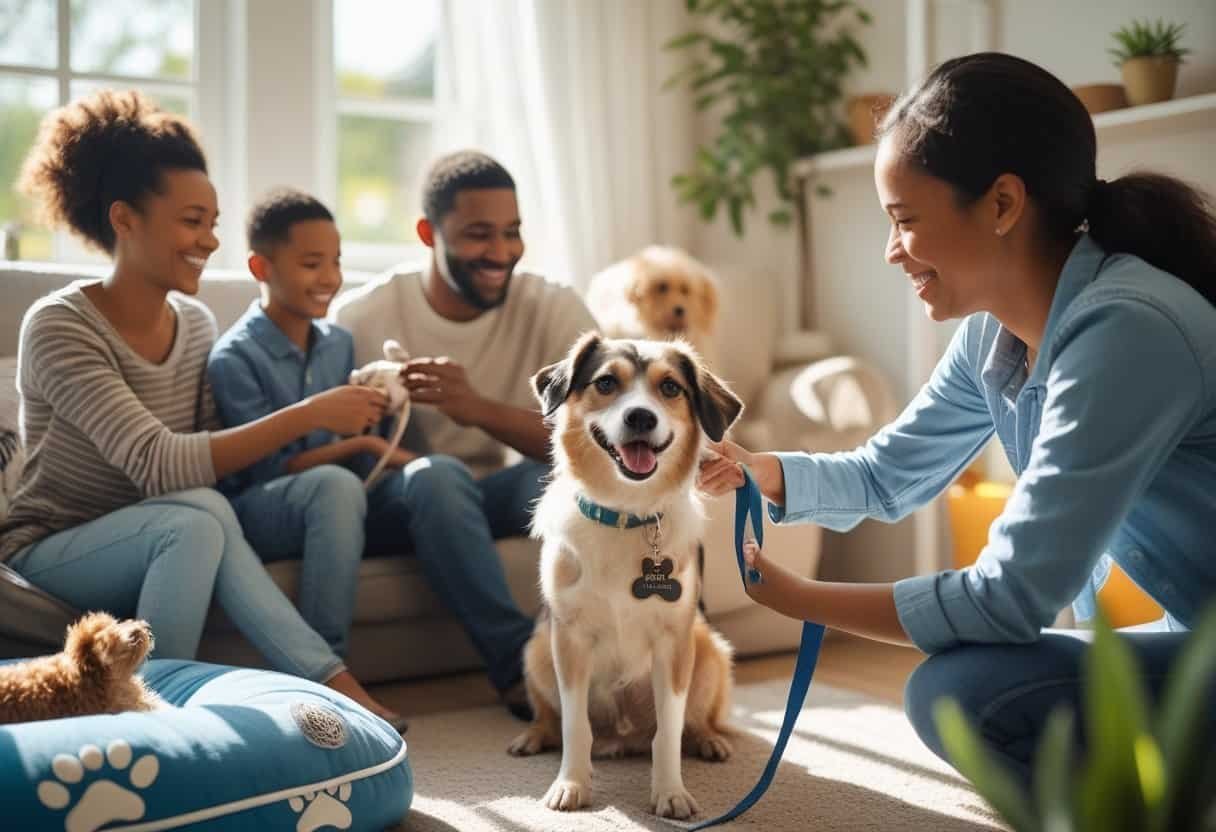
What Is Rescue Adoption?
Rescue adoption means bringing home an animal that organizations have saved from tough situations. These groups step in when pets face overcrowded shelters, neglect, or dangerous living conditions.
Some rescue groups narrow their focus to certain animal types. They provide care and rehab before finding permanent families.
Difference Between Rescue and Traditional Adoption
Traditional adoption usually happens at local animal shelters. These shelters take in animals from the public and care for them at a central location.
Their space and resources are limited, so animals may only stay briefly before needing a home. In rescue adoption, animals are saved by private groups or volunteers.
These rescues often use foster homes instead of big buildings. Pets get to adjust in quieter, family-like settings and receive more one-on-one attention.
Some rescues specialize—maybe in certain breeds, ages, or animals needing medical care. The adoption process can be different, too.
Rescues might have a longer screening period because they want to match pets carefully with adopters. If you want more details, check out this guide on animal shelters vs. rescues.
Common Types of Rescue Organizations
Rescue organizations come in all shapes and sizes. Most are private or nonprofit.
Some rely entirely on volunteers. Others have staff and work with local vets.
Here are some common types:
- Breed-specific rescues: Focus on one dog or cat breed.
- Senior pet rescues: Help older animals find homes.
- Special needs rescues: Care for pets with medical or behavioral issues.
- General rescues: Accept animals of any breed or age.
Many groups use foster systems. Pets live in real homes, not kennels, which often helps them adjust more easily to a new family.
If you’re curious about the different types, you can read more at Pet Adoption Planet.
Benefits of Rescue Adoption
Rescue adoption gives homeless animals another shot at happiness. It’s not just about saving pets—it’s about joining a bigger movement that puts animal welfare first and builds strong, lasting bonds.
Saving Lives and Reducing Overpopulation
Each time someone adopts a rescue pet, they save a life. Adopting opens up space at shelters for more animals in need.
Shelters fill up quickly, and adoption helps lower euthanasia rates for healthy pets who just need a chance. Animal shelters work hard to address pet overpopulation, but millions of pets enter shelters yearly.
Not all of them find homes in time. Rescue adoption is a straightforward way to help with this problem and cut down the number of unwanted animals.
Choosing to adopt instead of shop gives hope to dogs and cats who might not survive otherwise. It really does make a difference. Learn more about how adoption saves lives and reduces overpopulation.
Supporting Ethical Animal Welfare
Adopting from a rescue or shelter pushes back against puppy mills and backyard breeders. These profit-driven places often ignore the well-being of their animals.
When you adopt, you weaken the demand for unethical businesses and support better treatment across the pet industry. Many rescues and shelters also ensure pets are spayed, neutered, and vaccinated.
This encourages responsible ownership and healthier animals in the community. Adoption fees at shelters are usually much lower than buying from breeders.
So, adoption ends up being both a smart financial move and a way to support ethical care. For more info, check out Why Rescue Matters.
Unique Bonds and Gratitude
Rescue pets often form unique bonds with their new families. Many of these animals come from tough backgrounds and show a lot of gratitude when they find a loving home.
You’ll see it in their loyalty, affection, and sometimes quirky behavior. Adopted pets might need some extra patience at first, but seeing them settle in is incredibly rewarding.
Give a rescue pet trust and kindness, and you’ll usually get lasting devotion in return. Families often grow emotionally and learn about responsibility, compassion, and empathy along the way.
These relationships create special memories and boost well-being for both pet and person. Want to read some real stories? Check out The Benefits of Adopting a Rescue Pet.
Adoption Process Step by Step

Rescue adoption gives pets a second chance and helps reduce shelter crowding. Each step in the process aims to make sure pets and people are a good fit.
Searching for Adoptable Pets
The first step is searching for pets who need homes. Most people start with local shelters and rescue groups.
Many shelters post online listings with photos, personality notes, and a bit of background for each pet. Sites like Petfinder and Adopt-a-Pet let you filter by species, age, size, and even quirks.
Some families go to adoption events to meet animals face to face. Before choosing a pet, it’s smart to think about your lifestyle, space, and who lives with you.
Shelter staff can share info about an animal’s history and health. Doing your homework helps ensure you’re adopting from a reputable shelter or rescue group.
Application and Screening
Once you’ve found a possible match, you’ll fill out an adoption application. This form covers your home, pet experience, daily routine, and living situation.
Giving honest, complete answers helps the organization find the right match. Screening usually includes reference checks and sometimes a call or even a home visit.
The goal is to make sure the pet will be safe and happy in its new place. Some groups have strict guidelines to keep animals from bouncing back to the shelter.
Staff may check if you have permission to have pets or if anyone in your home has allergies. Honest communication during this stage helps everyone—especially the animal.
Meeting and Matching
After you pass the screening, you’ll get to meet the animal. Shelters usually set up introductions in a quiet room or, for dogs, outside.
Some rescues offer trial adoptions—a day or two at home to see how things go. This step checks if you and the pet click, and if the animal fits in with your household.
Take time to watch how the pet reacts and ask staff about any special needs or habits. Written care notes and records are often available.
Organizations try to match people with pets that fit their lifestyle. It can take a little patience to find the right one, but it’s worth it.
Finalizing the Adoption
If the match feels right, you’ll finalize the adoption with some paperwork and usually a small fee. This fee often covers vaccines, microchips, and spay or neuter services.
You’ll sign legal documents to transfer ownership. The shelter may give you health records, feeding advice, and tips for the first days at home.
Some organizations check in after adoption to see how things are going. Others offer post-adoption support with advice or training resources.
Once it’s official, your new pet is ready for a fresh start. For more details, see this step-by-step pet adoption process.
Rescue Adoption Requirements
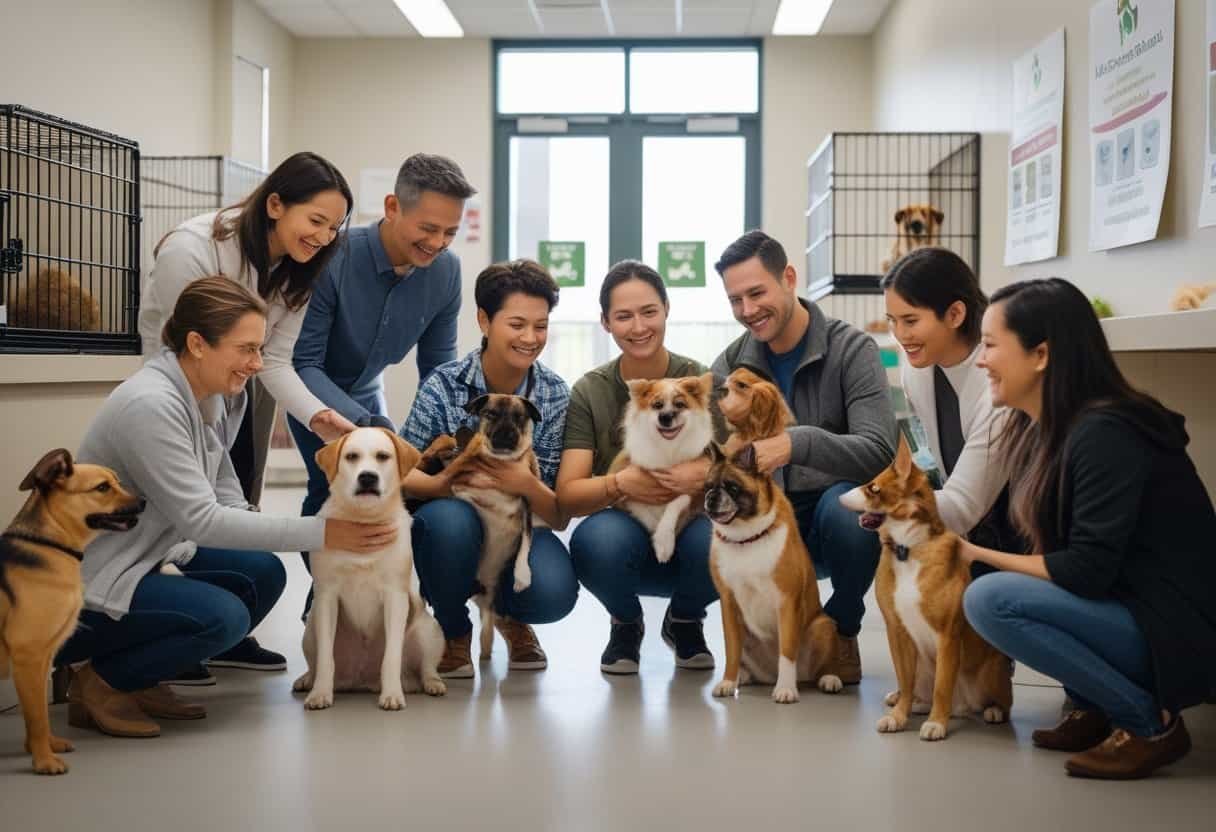
Adopting a rescue animal means following certain steps and meeting some requirements. These rules help protect animals and support responsible pet care.
Age and Identification Verification
Most rescues require adopters to be at least 18, though some set the bar at 21. You’ll need to show proof of age, usually a driver’s license or state ID.
Rescues also check ID to confirm your address and contact details. This helps them know where the animal will live and makes follow-up easier.
In many areas, the law says pet ownership records must be accurate, so verified ID is a must. Most rescues don’t allow third-party adoptions—the person on the paperwork needs to be the primary caregiver.
Clear identification keeps things honest. For more on general adoption requirements, visit Zoetis Petcare.
Approval and Home Assessment
Adopting a pet usually means filling out an application and going through a review. The questionnaire asks about your pet care experience, daily routine, and any current or past pets.
Rescues might also call your references—sometimes a vet or landlord. Some groups require a home visit, where staff or volunteers look for safety issues like open windows, fencing, or risky plants.
Others accept a video walk-through instead. Here’s a quick table showing common approval steps:
| Step | What’s Checked |
|---|---|
| Application | Experience, motivation, contact info |
| Reference checks | Reliability and preparedness |
| Home visit or video tour | Safe, pet-friendly space |
Organizations follow these steps to protect the animal’s welfare. You can read more about the adoption process.
Family and Housing Considerations
Shelters and rescues want to know who lives in your home. They usually ask that all family members meet the potential pet before adoption.
This helps make sure everyone—including current pets—is comfortable and safe. Adopters may need to show proof of their housing situation.
Renters often have to provide a lease or written permission from the landlord allowing pets. This avoids issues or rehoming because of lease violations.
Some breeds or sizes aren’t allowed in certain housing, like apartments or condos. It’s smart to review restrictions in your lease or community rules before you start.
For more info on adoption restrictions, check out Dog Law Hub.
Role of Foster Homes in Rescue Adoption
Foster homes play a huge role in dog and cat rescue. They offer animals a safe place to land and help prepare them for adoption into permanent families.
How Foster Homes Support Rescues
Foster homes make it possible for shelters and rescue groups to help more pets. When shelters fill up, animals move into foster care, opening space and saving lives.
Foster caregivers give animals daily care and much-needed attention. They help pets adjust to living in a home and teach simple manners.
Offering love and patience, foster families help animals heal from illness or trauma. This support reduces stress and helps pets recover.
Many foster homes notice changes in behavior or health. They report updates to rescue groups and work with veterinarians when needed.
This teamwork keeps pets healthy while they wait for adoption. Foster homes also let animals show their true personalities.
That information helps rescues match pets with the right adopters. A nurturing environment leads to more successful adoptions, as seen in several animal rescue organizations.
Transitioning from Foster to Forever Homes
The move from foster care to a permanent home is a big step. Foster homes help dogs, puppies, and cats learn daily routines, like house training and basic commands.
Socialization gets a lot of focus. Pets meet new people, kids, and sometimes other animals while in foster care.
This helps them get comfortable and adapt to home life. Fosters share updates about the animal’s habits and personality with the rescue or future adopters.
Before adoption, foster parents often introduce the pet to their new family in a familiar setting. This can make the change less stressful for the animal.
Clear communication about the animal’s needs, likes, and any challenges helps the adoption process go smoother.
Health and Veterinary Care
Adopted rescue animals need steady, quality health care to thrive in new homes. They often need more medical attention than pets from other backgrounds, so planning and good partnerships with vets matter.
Vaccinations and Preventive Care
Every adopted animal should get basic vaccinations to protect against common diseases like rabies, distemper, and parvovirus.
Shelters and rescue groups team up with vets for regular checkups, deworming, and flea prevention. These steps help keep animals from spreading illness to other pets or people at home.
Many organizations offer low-cost or free veterinary care, especially for at-risk or abandoned animals. Vaccination records stay up-to-date and go to the new owners.
Free and affordable clinics often help with ongoing care, so families can focus on keeping their pets healthy.
Annual exams, booster shots, and parasite control are all recommended.
Spay and Neuter Policies
Most respected rescues and shelters have strict spay and neuter policies before adoption. Shelter medical teams usually spay or neuter animals to help control the pet population.
These surgeries prevent unwanted litters and lower the number of homeless animals. Many towns require proof of spay or neuter when adopting a pet.
Clinics and rescue groups offer affordable surgeries and share details about ongoing care. Some programs provide extra support, like free follow-up visits.
Specialized groups help at-risk dogs get both surgery and the medical care they need for recovery.
Behavioral and Emotional Rehabilitation
Rescue animals come from all sorts of backgrounds, sometimes with histories of neglect or trauma. They might feel scared, anxious, or struggle with social situations.
Behavioral rehabilitation becomes a top priority for these pets to adjust to a safe home. Professional trainers and animal behaviorists work with rescued pets on social skills, reducing anxiety, and building trust.
Shelters use gentle training and positive reinforcement, keeping an eye on progress day by day. Some pets need medication and a little extra patience.
Support from volunteers or foster families helps animals get used to new routines and people. Programs like Heath’s Haven specialize in rehabilitation for animals who need both medical and emotional help.
Adoption Fees and Financial Considerations

Shelters and rescues charge adoption fees to cover basic care, medical needs, and other costs before a pet finds a new home. Some organizations use donations and special programs to support both animals and adopters.
Standard Adoption Costs
Adoption fees usually run between $50 and $500 depending on the shelter, animal type, age, and breed. Dogs and puppies often cost more than cats or senior animals.
Some fees drop during special events. Typical adoption costs include:
- Shelter care and feeding
- Administrative expenses
- Spay/neuter surgery
Discounted or fee-waived adoption events pop up during certain months or holidays. These offers help more pets get adopted and often depend on support from donors or grants.
You can find more details about pet adoption fees and what they include.
Included Medical Services
Most shelters and rescues bundle important medical services with the adoption fee. This may cover:
- Vaccinations (like rabies and distemper for dogs or core shots for cats)
- Spay or neuter surgery
- Microchipping
- Deworming treatments
- Wellness checks by a vet
Paying for these services privately would cost several hundred dollars, but they’re included in the adoption fee. What’s covered can change by shelter or the animal’s age and health.
Fundraising and Donations
To cover extra costs, many shelters rely on donations and fundraising events. These funds support veterinary care for sick animals, food, supplies, and facility upkeep.
Common fundraising methods include:
- Online crowdfunding campaigns
- Charity walks or pet events
- Donation drives for supplies
Some shelters get community grants or corporate sponsorships too. Public donations make discounted or fee-waived adoptions possible and help pets with expensive medical needs.
Shelter operations often depend on this community support, especially when adoption fees don’t cover all costs. You can find more about how shelters fund operations and support animals in this guide to free and low-cost adoption programs.
Choosing the Right Rescue Organization
Picking a rescue group is a big step in making sure both animals and adopters have a good experience. Checking out how rescues work, what areas they serve, and what pets they offer can help people make better choices.
Evaluating Rescue Credibility
A credible rescue group stays open about their operations and sets clear adoption rules. Good organizations share detailed info about each animal, including health, temperament, and background.
Look for rescues that do home checks, ask for references, and require an adoption contract. These steps show they want to match pets safely and responsibly.
Rescues should answer questions and stay in touch after adoption. Shelters and rescue groups need to keep high standards of animal care.
They should use clean facilities, provide medical care, and make sure animals get enough food, social time, and training. It’s helpful to check reviews or see if they partner with local vets or animal welfare groups.
Red flags? Poor communication, missing pet details, or cash-only requests. A trustworthy organization stays transparent and easy to reach.
Regional Rescue Networks
Many areas have rescue organizations focused on local needs. Regional rescues know the issues and resources in their communities, which helps them give better support to adopters.
A local group often connects with city shelters, vet clinics, and foster homes nearby. This makes visiting the animal or getting help after adoption easier.
These networks may offer post-adoption services, like training or advice, to support a smoother transition. To find a local rescue, try community websites or adoption platforms.
You can also ask friends or local vets for tips. A regional focus helps make sure pets end up in homes that fit their climate and lifestyle.
Specialty Rescues
Some rescues cater to a specific breed, age group, or special need. These specialty rescues can be helpful if you know exactly what kind of pet you want.
Breed-specific rescues have deeper knowledge about a breed’s health and personality. They can help match animals with families who fit those needs.
These organizations may take in pets from larger areas, so you might see a wider selection. Choosing a specialty rescue matters if you want an animal with certain traits, like low-shedding breeds or seniors.
Some groups focus on pets who need medical care or extra attention. These rescues share clear info about care and support, so adopters feel ready.
Preparing Your Home for a Rescue Pet
A safe, comforting home helps a rescue pet settle in and feel secure. Taking steps like pet-proofing, stocking up on supplies, and building routines can support a smoother transition.
Pet-Proofing Your Space
First step—make sure your home is free of hazards. Remove poisonous plants, secure or cover cords, and keep cleaning chemicals or medicines out of reach.
Block off small spaces where a pet could get stuck or hide. Check that windows and doors close securely.
If you have other pets, use gates or barriers and keep food and toys separated. Store shoes, kids’ toys, and laundry behind closed doors so pets don’t chew or swallow something dangerous.
Put a secure lid on garbage bins, since some foods and packaging are harmful. One trick: get down at the pet’s eye level and scan the floor and low shelves for risks.
A checklist helps:
- Secure loose wires and cords
- Remove toxic plants
- Store chemicals in locked cabinets
- Use pet gates if needed
- Check fences for gaps
More pet-proofing tips can be found here.
Essential Supplies
Rescue pets need a few basics to help them settle in. Get these ready before your new friend arrives.
You’ll want a sturdy leash and collar with ID tags, a comfy bed, food and water bowls, and the right kind of food.
Toys and safe chews can help comfort your pet and ease stress. If you’re bringing home a dog, grab waste bags and a crate for sleeping or travel.
Cats need a litter box and a scratching post. Store supplies in a quiet, easy-to-reach spot so your pet feels secure.
Essential Supplies Table:
| Item | Purpose |
|---|---|
| Bed | Comfort, rest area |
| Food/Water Bowls | Daily meals and hydration |
| Leash/Collar & ID | Safety and identification |
| Crate/Carrier | Transport and sleeping |
| Toys/Chews | Mental stimulation |
| Litter Box (cat) | Clean bathroom area |
| Scratching Post | Outlet for scratching |
Learn more about what supplies to prepare.
Establishing Routines
Pets do best with routines, especially after a big change like moving in. Pick a set schedule for feeding, walks, and bathroom breaks.
Sticking to the same meal times every day helps your pet feel safe. Walks and playtime should happen regularly, too.
Let your pet explore the house at their own pace. In those first days, keep things quiet and limit visitors.
Set up a consistent sleeping area so your pet knows where to rest. Set house rules early, like which rooms are off-limits, and stick to them gently.
Early routines help you notice changes in behavior or health. They also make it easier for both you and your pet to adjust.
Tips for building effective routines when adopting a rescue.
Tips for a Smooth Transition

Bringing home a rescue pet can be nerve-wracking for everyone involved. Focus on building trust, introducing other pets slowly, and handling any behavior hiccups as they pop up.
Building Trust with Your New Pet
Start with patience and a calm vibe. In the first few days, give your pet a safe, quiet spot to retreat—maybe a crate or a small room with their bed, food, and water.
Keep routines steady. Feed and walk your pet at the same times each day.
Try not to overwhelm them with new sights and sounds. Keep things low-key and offer gentle attention.
Speak softly, and let your pet approach you when they’re ready. Using treats and praise for good behavior works wonders and helps your pet feel more at home.
If you can, hold off on visitors for the first week. Simple bonding activities like gentle play or just sitting together can help you connect.
For more ideas, check out Wagontailz.
Introducing to Other Pets
When introducing a rescue pet to pets you already have, pick a neutral spot—maybe a backyard or a park.
Keep both animals on leashes at first. Let them observe each other from a safe distance.
Watch their body language. Wagging tails and relaxed ears are good signs, but if anyone looks tense, separate them and try again later.
Let pets meet face-to-face slowly. Don’t force it.
Feed pets in separate spaces to avoid food drama. Some animals take days or even weeks to adjust, so let them set the pace.
Want more tips? Read up at Dogs Best Life.
Managing Behavioral Challenges
Rescue pets might show fear, anxiety, or confusion when they first arrive. You might notice hiding, barking, or changes in eating.
Stay calm during these moments. Keeping a regular schedule for meals, bathroom breaks, and exercise helps a lot.
Use gentle corrections and skip the punishment—it just makes things worse. Sometimes, you’ll need help from a trainer or vet, and that’s totally okay.
Reward-based training works best. Offer toys, exercise, and mental games to keep your pet busy and less stressed.
For more support, check Poky Dogs.
Volunteering and Getting Involved
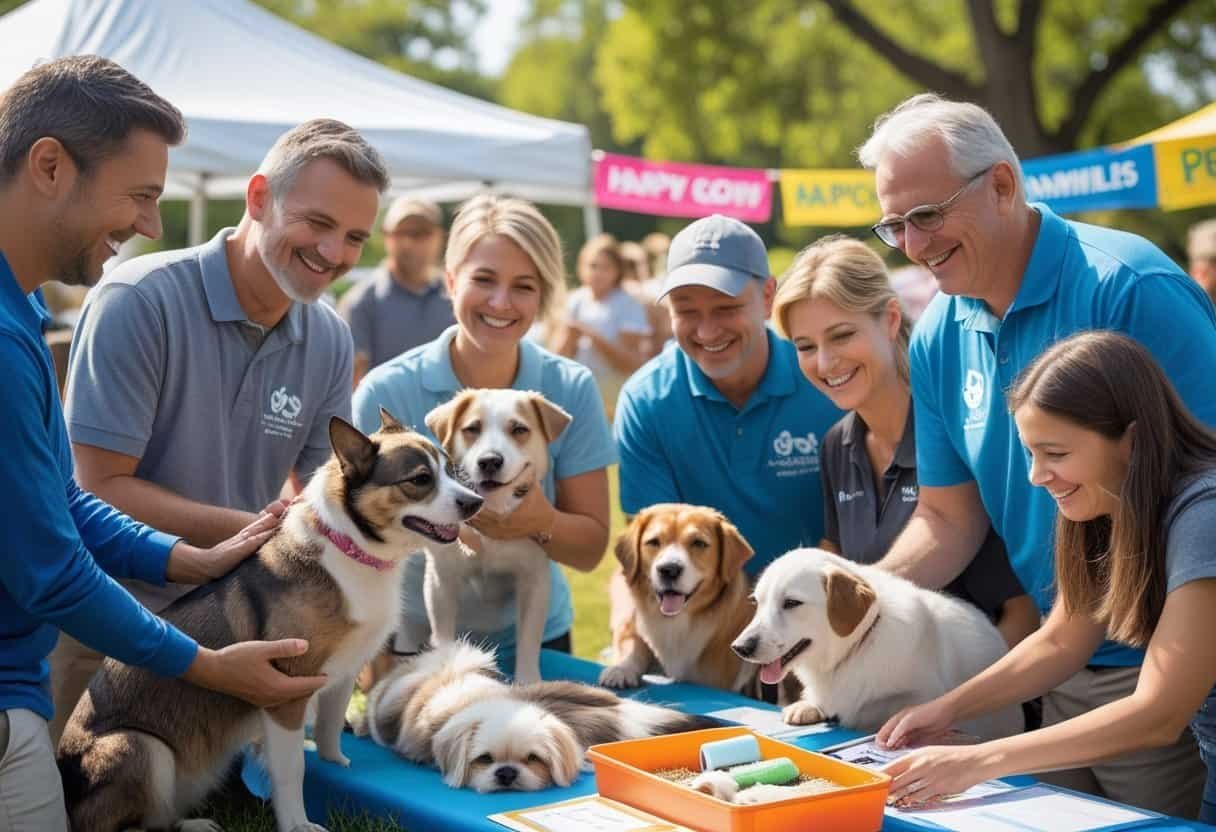
Lots of people lend a hand to animal rescue groups by volunteering their time. You can foster animals, help with community outreach, or volunteer at adoption events.
Every role matters in rescuing pets.
Becoming a Foster
Foster homes keep rescues running. They give animals a safe, temporary place to stay while waiting for adoption.
Fosters care for all kinds of animals—kittens, puppies, even older pets. They help animals recover or adjust to living in a home.
Rescue groups usually give fosters supplies and support. The process often starts with an application and a quick home check.
Fostering lets animals learn social skills and basic training. Fosters also share updates and photos, which helps adoption groups find the right match.
Interested? Many organizations make it easy to volunteer as a foster and offer online training.
Community Outreach
Talking about rescue adoption really does make an impact. Volunteers visit schools, community centers, or local events to share info about pet care, spay/neuter, and the importance of adoption.
Some groups ask volunteers to hand out flyers or help with presentations. Outreach spreads awareness and encourages responsible pet ownership.
Connecting with neighbors and friends helps bust myths and supports rescue pets finding homes. Getting involved can be as simple as signing up with a local group or joining a campaign.
Groups like the ASPCA have ways to help promote adoption and animal welfare through direct action and education.
Supporting Rescue Events
Rescue events give pets a shot at meeting new families. Volunteers set up booths, transport animals, greet visitors, and answer questions.
These events can get hectic and need lots of hands. Jobs might include paperwork, keeping animals calm, or helping match pets with people.
Some volunteers take photos, organize supplies, or collect donations. Events usually happen at community centers, parks, or pet stores.
Signing up to help is a hands-on way to make a difference. Plus, you meet great people and animals along the way.
Many groups, like Love Pet Rescue, post calls for volunteers online and around town.
Frequently Asked Questions

Adopting from a rescue or shelter involves a few steps, from filling out forms to learning about fees and helping your pet settle in.
People usually want to know how rescues work, what it costs, and how to help their new pet adjust.
What is the process for adopting a pet from a rescue organization?
Most rescues ask you to fill out an application first. Then, they’ll review it and might do interviews, check references, or visit your home.
Some groups set up meet-and-greet appointments with the animal. If all goes well, you sign an agreement and pay an adoption fee.
These steps help ensure a good fit for both you and the pet.
You can find more details at Rooted In Love Rescue.
How can I find animal shelters and rescue centers in my area?
Try searching online directories or animal welfare websites for local shelters and rescues. Most organizations have websites with available pets and adoption details.
You can also ask community groups or your vet for recommendations. Platforms like Petfinder and Adopt-a-Pet let you search by region.
What should I consider before adopting a pet from a rescue?
Think about your lifestyle, time, and resources before adopting. Consider the pet’s needs—exercise, diet, and medical care.
Work schedules, travel, and allergies can affect your pet’s happiness. It’s smart to ask about the pet’s history and behavior, too.
Find helpful questions to ask a rescue at SpiritDog Training.
What are the typical adoption fees at animal rescue centers?
Adoption fees vary, but most rescues charge to cover medical care and supplies. Fees might be higher for animals with extra medical needs.
Many rescues include spaying or neutering, vaccinations, and a health check in the fee. See Lab Rescue LRCP for more info on what’s included.
How does the ‘333 rule’ apply to newly adopted pets?
The ‘333 rule’ is a rough guideline for how long a rescue pet needs to adjust. It suggests 3 days to decompress, 3 weeks to settle in, and 3 months to really feel at home.
This timeline helps adopters understand behavior changes and gives everyone a little more patience as the pet settles in.
What are the main differences between adopting from a shelter versus a rescue group?
Animal shelters usually house more animals. Many get some government support, which helps keep them running.
They often offer a wider selection of pets. However, you might not get much background information on each animal.
Rescue groups tend to be smaller and privately run. Most focus on foster care, which means animals live in homes rather than kennels.
These groups can usually share more details about each animal’s background and behavior. If you want to dig deeper into adoption options, check out Rescue Dogs 101.