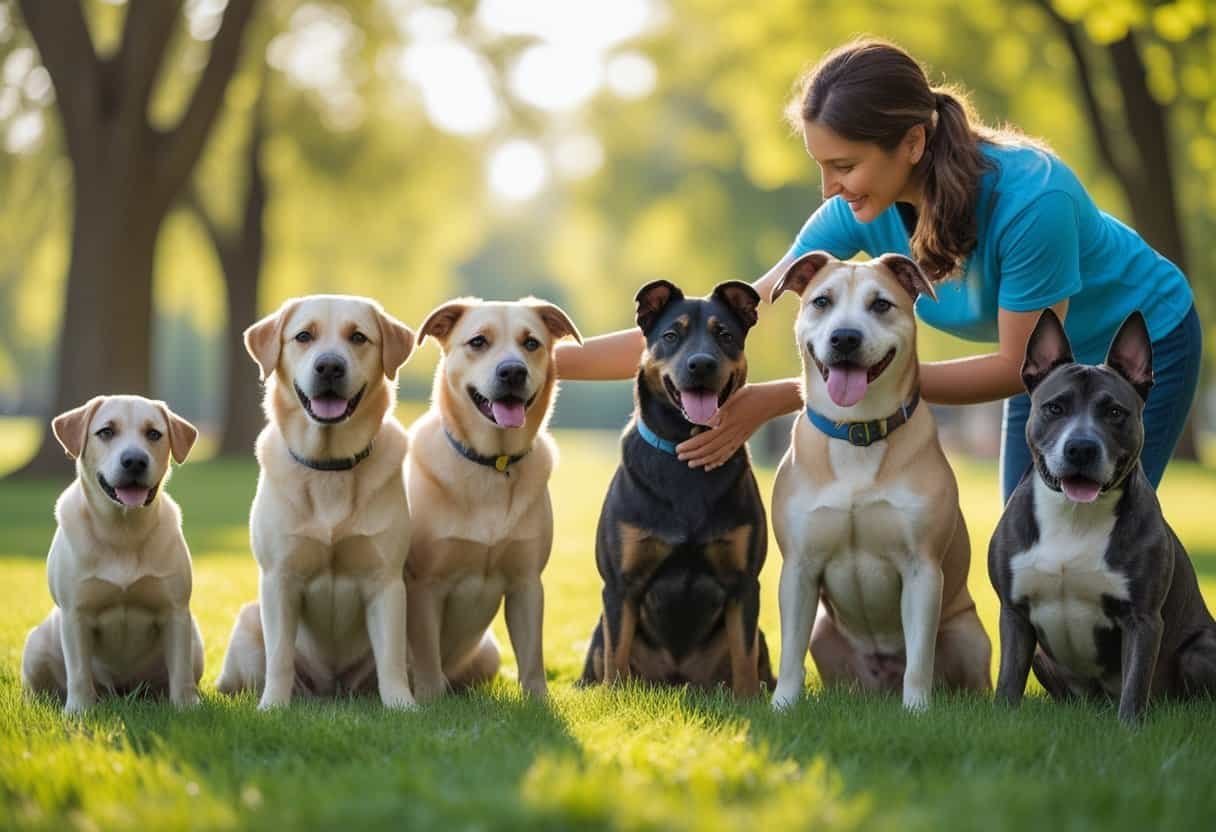
What Are Rescue Breeds?
Rescue breeds are dogs that come from shelters or breed-specific rescues instead of breeders. They might be purebred, mixed, young, or old—really, it’s all about their need for a new home after some twist in their past.
Definition and Key Characteristics
A rescue breed is any dog adopted from a shelter, rescue group, or breed-specific rescue, not purchased from a breeder or pet store. They can be a wild mix of breeds or a specific purebred, depending on where they came from.
Most rescue breeds have faced some kind of displacement. Maybe they were found as strays, surrendered by previous owners, or saved from unsafe conditions.
Because of this, they often show strong loyalty to their new families. With a bit of patience and care, they usually adapt well.
Rescue dogs come in every age, size, and temperament you can think of. Their full histories aren’t always known, but most organizations do health checks and vaccinations before adoption.
Some rescues focus on special needs dogs, seniors, or breeds with unique quirks. If you’re curious about the variety out there, check out this comprehensive guide.
Difference Between Rescue and Purebred Dogs
Purebred dogs are bred for specific traits and usually come with paperwork. Rescue dogs can be purebred or mixed, but most don’t have official documents.
The main difference is how you get them. Purebreds are bought from breeders, while rescue breeds are adopted from shelters or rescues.
Rescue dogs can be just as loving and loyal as any purebred. Even dogs from breed rescues can often fit the breed standards, paperwork or not.
Their previous experiences can vary a lot. Some have faced abandonment or neglect, while others were simply surrendered.
Many settle in quickly and become happy, healthy pets. It’s not always an easy start, but the turnaround can be amazing.
Common Misconceptions
People often assume rescue breeds are always mixed or have unpredictable temperaments. Actually, plenty of rescue dogs are purebreds, and some groups focus on just one breed.
Another myth is that rescue dogs come with more behavioral issues. With the right support, most become well-adjusted companions.
Some folks think rescues are always old or sick. Shelters and rescues have dogs of all ages, including puppies and young adults.
It’s just not true that rescue dogs can’t make great family pets. With time and love, they often become the heart of the household.
If you want to dig deeper into the variety and strengths of rescue dog breeds, there’s a lot to explore.
Types of Rescue Breeds
Some rescue organizations focus on a single dog breed. Others take in mixed-breed dogs of all kinds.
Certain breeds show up in shelters more often, and each group brings something unique for potential adopters.
Breed Specific Rescue
Breed specific rescues help a single breed or a closely related group of breeds. Think Labrador retriever rescues or German shepherd rescues—these groups help dogs that are lost, abandoned, or surrendered by owners.
These rescues know the breed’s needs and quirks inside out. Many operate nationwide, which means dogs have a better shot at finding the right home.
They usually provide extra health checks, training, or behavioral assessments based on typical breed traits. That’s a big plus if you want to know what you’re getting into.
If you’re set on a certain breed, these rescues are a smart way to adopt and still know what to expect. More details are on breed rescues sites.
Mixed Breed Rescues
Mixed breed rescues welcome dogs of every shape and size, no matter their background. These groups focus on the dog’s personality and needs, not their lineage.
Adopting a mixed breed means you’re getting a truly unique pet. Mixed breeds often look different and may have fewer health issues than some purebreds, thanks to their varied genes.
A lot of people love the one-of-a-kind spirit mixed breeds bring. These rescues are often part of local shelters or city-run organizations.
Want to know more about how they work? Check out guides on different types of rescue dogs.
Popular Rescue Breeds
Some breeds pop up in shelters and rescues more often. Labrador Retrievers, Pit Bulls, Chihuahuas, and Beagles are a few of the most common—sometimes because they’re just so popular, other times due to overbreeding.
These breeds can make great family pets, working dogs, or companions. Some might need homes that understand their energy or health quirks.
Here are a few popular rescue breeds you’ll often see up for adoption:
- Labrador Retriever
- German Shepherd
- Pit Bull Terrier
- Beagle
- Chihuahua
For more on popular rescue breeds, check out breed-specific rescues or your local shelter.
How Breed Specific Rescue Groups Work
Breed specific rescue groups are run by people who focus on helping certain dog or cat breeds. Volunteers, foster care, and a careful adoption process all play a part in getting pets from shelters into new homes.
Role of Volunteers
Volunteers really keep breed specific rescue groups running. They feed, walk, transport, and spend time with animals.
Sometimes they help screen adopters or run fundraising events. Many volunteers know the breed inside out, so they’re great at answering questions about behavior, exercise, or health.
Volunteers also help train and socialize animals to get them ready for adoption. They often pull pets from shelters, especially when time is running out.
They work hard to find safe places for each animal. It’s not always easy, but it can make all the difference.
If you want to learn more about how these groups support specific breeds, check out this guide on breed rescue organizations.
Foster Programs
Foster programs bridge the gap between shelters and forever homes. Foster families take in a dog or cat for a few weeks or months.
This gives the animal a chance to recover, learn, and just be comfortable. Fosters get to know the animal’s needs and share that info with future adopters.
That helps make better matches. While in foster care, dogs and cats get medical care, training, and attention they might not have had before.
This system lets rescues help more animals than shelters alone could handle. Some breed-specific rescues don’t even have a physical shelter—they rely entirely on foster homes.
The focus is always on giving animals a safe, loving place to get ready for their next step, according to the ASPCA Adoption Resources.
Adoption Process
The adoption process for breed specific rescues is usually pretty thorough. Interested folks fill out an application and might have to do an interview or home visit.
Rescue groups want to match each animal with the right family. They look at things like home activity level, experience with the breed, and whether there are other pets or kids.
It’s all about making sure everyone is set up for success. Many groups offer support after adoption—answering questions, giving training tips, and checking in.
You can find more about the process in this breed-specific rescue adoption guide.
Finding Rescue Breeds
You’ve got a few solid ways to find a specific breed through rescue. You can reach out to dedicated groups, check with shelters, or browse adoption platforms.
Each approach has its own steps and perks for folks looking to adopt a rescue dog of a certain breed.
Locating Breed Specific Groups
A lot of breed-specific rescue groups are run by volunteers who really love and know their breed. These organizations rehome dogs that fit certain breed traits or needs.
They often work with foster homes, so dogs get care and training while they wait. To find these groups, search online directories or look up breed listings.
The AKC Rescue Network is a big resource for connecting with reputable breed-specific rescues across the U.S. These groups can give you the inside scoop on breed traits and what to expect.
It helps to contact several rescues at once, since some breeds are rare. Some sites list rescues by region, which makes it easier to find local groups.
Usually, you’ll communicate by email or an online application. Sometimes it takes a bit of patience, but it’s worth it.
Working With Animal Shelters
Animal shelters often have both purebred and mixed-breed dogs for adoption. Most dogs in shelters aren’t specific breeds, but staff usually keep a list of contacts for nearby breed-specific rescues.
Shelters sometimes work with rescue groups to rehome dogs with extra needs or breed-specific quirks. Visiting your local shelter can help you meet adoptable dogs face-to-face.
Community events or adoption fairs sometimes focus on certain breeds. If you ask shelter staff for tips and check in often, your chances of finding the right dog go up.
Some shelters are part of alliances that share info about purebred rescues.
Online Adoption Platforms
Websites and online platforms make searching for a specific breed a lot faster. Sites like Petfinder and Adopt-a-Pet let you filter by breed, size, age, and location.
These platforms collect listings from shelters and rescues across the country. Many include photos, background stories, and details like temperament or medical needs.
This info helps you compare options before reaching out. Searching online is great if you’re open to traveling for the right dog.
Some platforms even let you set alerts or get emails when a breed you want shows up. Using both national and local resources gives you the best shot at finding your ideal rescue dog.
Adoption Requirements for Rescue Breeds
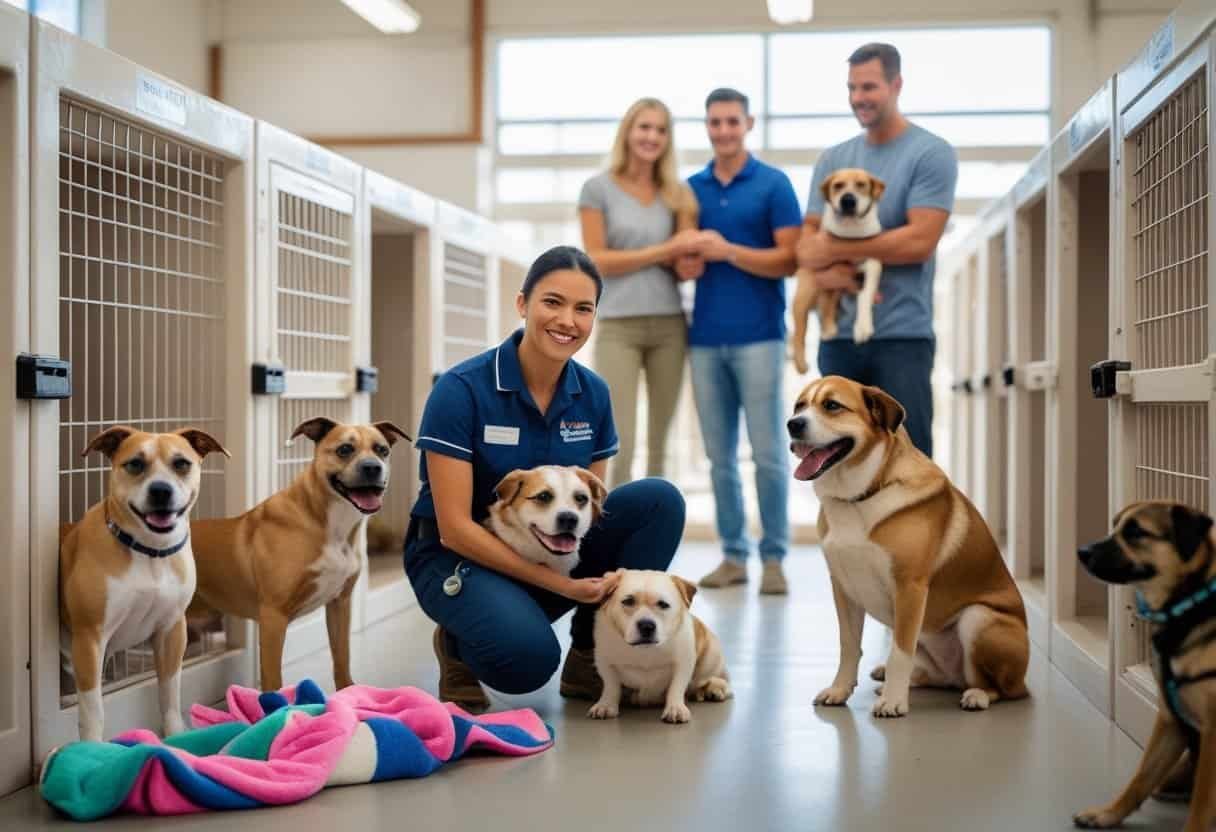
Adopting a rescue breed takes a bit of work to make sure the dog and family fit well together. Trust and transparency help both sides create a safe, loving home for the dog.
Screening and Application
Rescue groups usually kick things off with a pretty detailed application. They’ll ask about your past with pets, who lives in your home, your daily routine, what kind of place you live in, and why you want a dog in the first place.
They want to see if your lifestyle matches the breed’s needs. Screening often includes reference checks.
Rescues might call landlords if you rent, or ask your vet about your current pets. The point? Making sure you can give the right care and attention.
Breed-specific rescues focus on pairing dogs with people who really get what they’re signing up for. Working with these groups gives your new pet a better shot at a stable home.
If you want to dig deeper, check out Adopt a Pet’s guide on shelter and breed rescues.
Home Visits and Interviews
Many rescues require a home visit before you can bring a dog home. Someone from the group will tour your place, looking for hazards like loose wires or missing fencing.
They’ll also answer your questions and offer advice about the breed. Interviews usually happen too—sometimes in person, sometimes over video.
Expect questions about your exercise routines, how much you’re home, and your training plans. This helps everyone get on the same page about the breed’s unique traits.
For more info, see Paw Hacks’ explanation of breed-specific rescues.
Adoption Fees and Agreements
Adoption fees help cover the basics—medical care, food, travel. Fees usually range from $100 to $500, depending on the breed, age, and rescue.
Most of the time, the fee covers spay/neuter surgery, vaccines, microchipping, and sometimes training classes. It’s not about making money; it just keeps the rescue running.
Before you take a dog home, you’ll need to sign an adoption agreement. This contract usually says you’ll return the dog to the rescue if you can’t keep it.
There are rules about care, like not selling or giving away the pet. Some rescues add special terms to make sure every dog ends up in a loving home.
You can read more at CritterNets’ guide to adopting from breed-specific rescues.
Caring for a Rescue Breed
Rescue breeds can really thrive with the right care and a bit of patience. Owners should focus on health, emotional healing, and positive training.
Medical Needs
A rescue dog might arrive with health issues you don’t know about yet. Most need a full checkup soon after adoption.
Vets usually test for common illnesses, update vaccines, check for parasites, and treat injuries. Keep records of shots, surgeries, and microchip info.
Shelter dogs often need a dental cleaning since gum disease is pretty common. Monthly flea, tick, and heartworm prevention keeps them safer.
Pet insurance can be a good idea, especially if you don’t know the dog’s full medical history. Vet bills add up fast.
A clean, safe spot at home helps them recover from old injuries or recent procedures.
Adjustment Period
Moving into a new home is stressful for most rescue dogs. Hiding, barking, or avoiding people is normal at first.
This usually fades as the dog starts to feel safe.
Ways to help your rescue dog adjust:
- Set up a quiet resting area away from loud noises.
- Offer meals on a regular schedule to build trust.
- Limit introductions to new people or pets until your dog seems more relaxed.
Patience is huge here. Some dogs need weeks, others months, before they settle in.
Rescue breeds, especially those with rough pasts, do better with a calm environment and gentle handling. For more tips, check out these suggestions for new rescue dogs.
Training and Socialization
Rescue dogs may not know even the basics. Some adults need to learn sit, stay, or how to walk on a leash.
Positive reinforcement—treats, praise, play—works best. Socialization matters a lot.
Gently introduce your dog to new sights, sounds, and smells. Start with short walks in quiet areas.
Simple lessons at first, then build up as your dog gets more confident. Classes with certified trainers or group sessions at shelters can help a ton.
Early, reward-based training creates structure and trust. Consistency and kindness are key for a well-adjusted pet.
Advantages of Adopting Rescue Breeds
Adopting a rescue breed gives a dog another shot at life. It also helps tackle some big issues in the pet community.
You get to connect with a pet who needs a home, and you support ethical choices.
Supporting Animal Welfare
Choosing a rescue breed makes a real difference for animal welfare groups. Many rescues work hard to save dogs from neglect or dangerous situations, according to the American Kennel Club.
When you adopt, you support their efforts and help care for animals that might not have had a chance otherwise.
Adoption fees go right back into the rescue, funding food, shelter, and medical care for more pets. Breed-specific rescues can give specialized attention to dogs with unique needs, so they recover and adjust faster.
Rescue groups work to match pets with the right families, which makes adoptions more successful. Supporting animal welfare through adoption is a choice that feels good and does good.
If you want to know more, check out mypetsbits.com/breed-specific-rescues-unleashing-the-benefits-of-pet-adoption/.
Reducing Overpopulation
Dog rescues help fight pet overpopulation. Millions of stray or abandoned animals fill shelters and rescues every year.
When you adopt, you help lower the number of dogs waiting for homes. Most rescue dogs get spayed or neutered before adoption, stopping unwanted litters.
That one step means fewer puppies and dogs end up in shelters. Rescuing a dog also helps slow down overbreeding and cuts support for puppy mills or careless breeders.
Want more info? Visit clearlylovedpets.com/blogs/clearly-loved-pets-blog/benefits-adopting-pet-rescue.
Making a Lifelong Impact
Adopting a rescue breed changes the dog’s future—and honestly, it changes yours too. Rescue dogs often form strong bonds with their families.
Adopters get loyalty, companionship, and that sense of purpose you can’t really buy. There’s something rewarding about giving a pet a second chance at happiness.
These feelings can last for years. Each adoption saves a life and opens a spot in the rescue for another animal.
If you’re curious about real-life stories, check out dogtails.dogwatch.com/2025/05/20/save-a-life-7-benefits-of-adopting-a-rescue-dog/.
Challenges Faced by Rescue Breeds
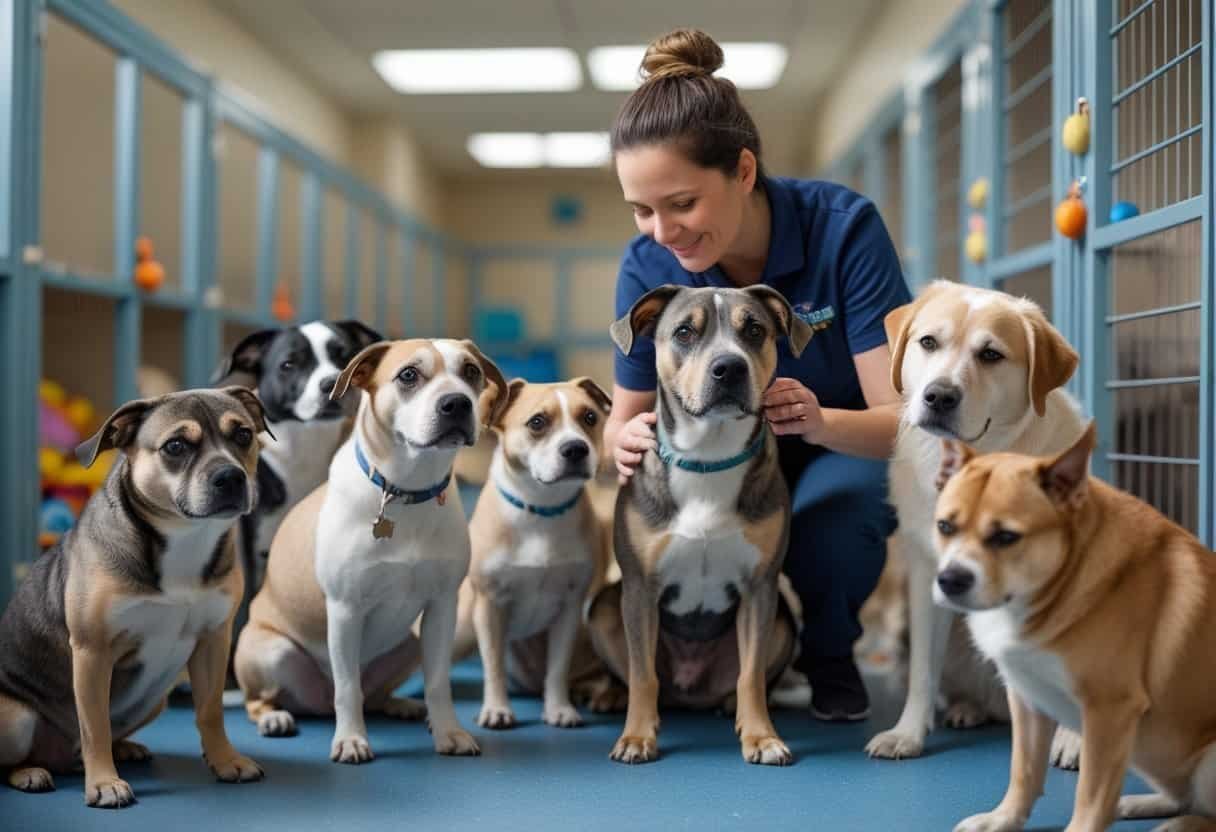
Rescue breeds deal with a lot more than just a new address. Many face health, behavior, and social challenges that shape their daily lives.
Health and Behavioral Issues
Rescue dogs often show up with both physical and emotional scars. Some have chronic medical problems—things like infections, skin issues, or untreated injuries—usually from neglect or rough living.
Others face breed-specific health concerns. For example, brachycephalic breeds can have breathing problems that affect their comfort.
Behavioral issues are common too. Many rescue dogs missed out on proper socialization or lived through trauma.
Fear, anxiety, or even aggression can pop up, especially in dogs from hoarding or abusive backgrounds. You might see barking, hiding, or odd reactions to new people and sounds.
Change takes time. Patience and clear expectations help, along with veterinarians and trainers who get rescue backgrounds.
Learning about breed tendencies matters for managing needs and teaching good habits. For more, visit Wide Open Spaces and The Pet Rescue.
Age and Special Needs
Rescue groups often have seniors and dogs with disabilities. Older dogs might deal with arthritis, vision or hearing loss, or chronic pain.
Puppies can have developmental delays from poor nutrition or lack of early stimulation. Special needs dogs sometimes need daily meds, mobility aids, or custom spaces.
Here’s a quick table of common needs by age:
| Dog Age | Typical Needs |
|---|---|
| Puppy | Socialization, basic training, vaccinations |
| Adult | Exercise, routine care, ongoing training |
| Senior | Pain management, softer foods, frequent vet checks |
| Disabled/Special Needs | Adapted environment, regular medication, physical therapy |
Taking in a special needs dog is rewarding, but it does call for extra planning and patience.
Readjustment to Home Life
Settling into a new home can be tough for rescue dogs. Loud noises, sudden changes, or fast movements might make them anxious.
Some have never lived indoors or with a family, so even house training can feel like a big ask.
Owners need to focus on building trust and security. Structured routines, positive reinforcement, and consistency help lower stress.
Some dogs need weeks—or even months—before they really bond or trust people. Introduce them slowly to new places, people, and pets.
A little extra patience goes a long way. For more on real-life transitions, check out the Open Sanctuary Project.
Rescue Breeds Versus Breeder and Pet Store Dogs

When you’re thinking about getting a dog, the choice between adopting a rescue, buying from a breeder, or picking a pet store pup comes up a lot. Each path has important differences in ethics, cost, and what you’ll deal with down the road.
Ethical Considerations
Dog rescue organizations jump in to save animals that need a second chance. Adopting a rescue dog supports efforts to reduce pet homelessness and pushes back against overbreeding.
Some breeders and pet stores, on the other hand, focus more on profit, which can mean poor conditions or sketchy breeding practices. Puppy mills—yeah, the ones that supply a lot of pet stores—are notorious for bad living conditions and neglect.
Choosing a rescue dog can help lower the demand for commercial breeders and take some pressure off crowded shelters. Animal welfare groups tend to recommend adoption as the more ethical and responsible move.
Buying from a responsible breeder can be okay, but you’ve got to dig into their reputation and practices. Not all breeders play by the same rules.
It’s smart to make sure any breeder you consider is transparent, keeps things clean, and offers real health guarantees. Pet stores usually can’t promise any of that. Dog rescues, on the other hand, have to meet strict standards to protect animal welfare.
Cost Comparison
Adopting a rescue breed almost always costs less than buying from breeders or pet stores. Most rescues charge a modest fee, and that usually covers spaying or neutering, microchipping, and first vaccines.
Buying from a breeder? That can run hundreds or even thousands, depending on the breed and pedigree. Pet store dogs are pricey too, and that sticker price rarely includes vet care or essentials.
Here’s a quick cost breakdown:
| Option | Upfront Fee | Included Care |
|---|---|---|
| Rescue Breed | $50-$400 | Vaccines, microchip, spay/neuter |
| Breeder | $500-$3,000+ | Sometimes vaccines |
| Pet Store | $1,000-$4,000 | Rarely covers vet care |
Adopting a rescue dog is usually the most affordable route. The included care is a real bonus, especially for families watching their budget.
Long-Term Benefits
Rescue dog adoption brings a bunch of long-term benefits. Many rescue breeds have already learned the ropes—socialization, house-training, maybe even some basic obedience.
Shelters usually know a dog’s temperament and can help match you with a good fit. There’s also a positive impact on community welfare since every adoption frees up shelter space for another animal.
Some folks say rescue dogs are especially loyal after getting a second chance. Compared to many breeder or pet store dogs, rescue breeds might have fewer genetic health problems, especially if they’re mixed breeds with more genetic variety.
Breeder and pet store dogs sometimes have a predictable lineage, but overbreeding can lead to hereditary health issues.
Success Stories of Rescue Breeds
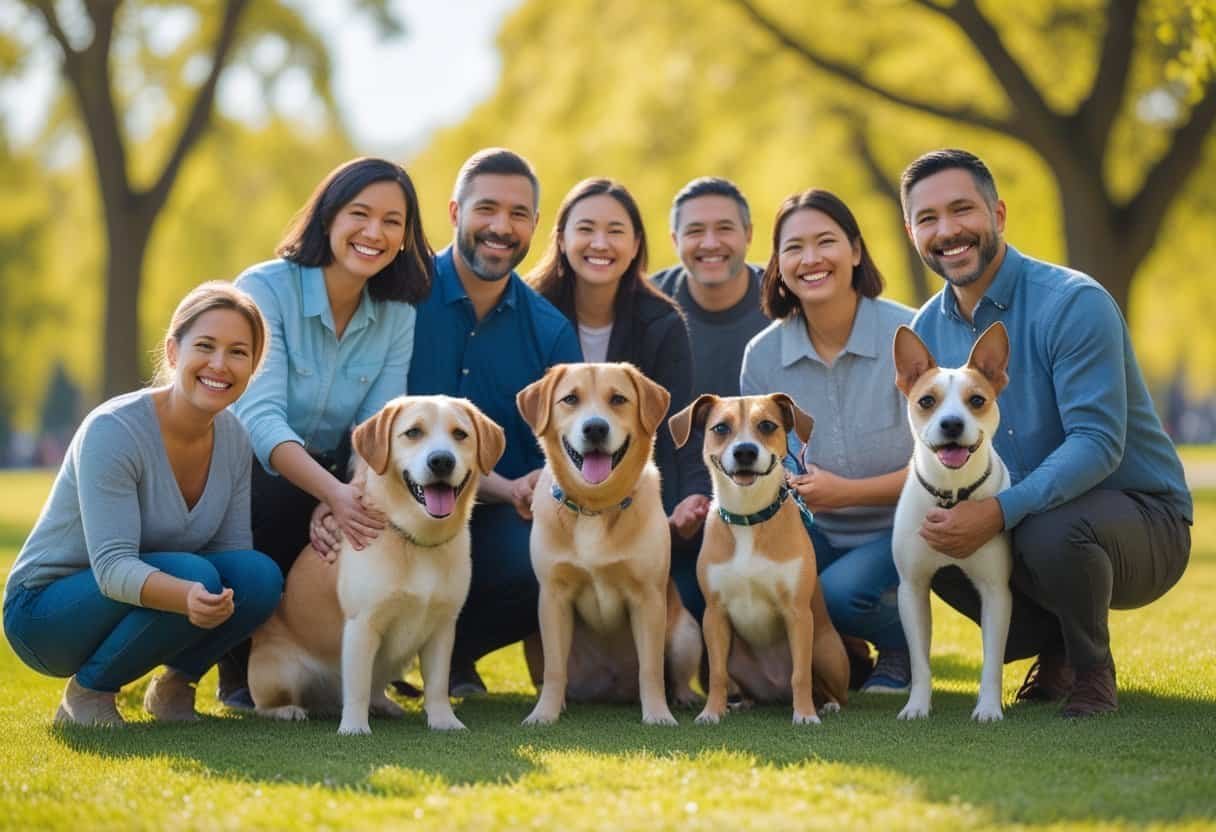
Rescue dogs come from all kinds of backgrounds. Many go on to thrive in loving homes.
These stories show real change, deep family bonds, and strong support from local communities.
Transformation Tales
Rescue breeds often start out with tough odds—abandonment, trauma, or neglect. With patience and care, these dogs can change in amazing ways once they land in a loving home.
A stray dog rescued from the streets might regain its health, trust, and spark over time. Fur gets shiny, old wounds heal, and their personalities come out.
Dogs that once hid in fear can become outgoing, greeting their new families at the door. It’s honestly kind of amazing.
Example transformations: Dogs like Daisy, once underweight and anxious, now loyal and full of life. Real stories like hers are all over platforms like Dog Lime’s rescue dog success stories.
Impact on Families
Adopting a rescue dog changes more than just the dog’s life. Families often say these dogs bring new purpose and joy into their homes.
Parents mention their kids learn responsibility by helping out. Seniors find comfort and friendship, which can really help with loneliness.
Rescue dogs can also get people moving—more walks, more time outside. Some owners say they’ve made new friends at parks or community events thanks to their dogs.
Stories about rescued pets help families feel connected to something bigger. If you want more heartwarming tales, check out these dog adoption stories.
Community Involvement
Communities play a huge role in supporting rescue breeds. Local shelters and rescues rely on volunteers, foster families, and donations.
Groups organize adoption events, spread the word about responsible pet ownership, and sometimes offer training for rescued dogs. Foster homes are crucial—they give dogs a safe place to adjust before finding their forever families.
Schools and youth groups even chip in with fundraisers and education campaigns. These efforts show how teamwork really does make a difference for rescue dogs.
For more on group success, see Love and Rescue’s success stories.
How to Support Rescue Breeds Beyond Adoption
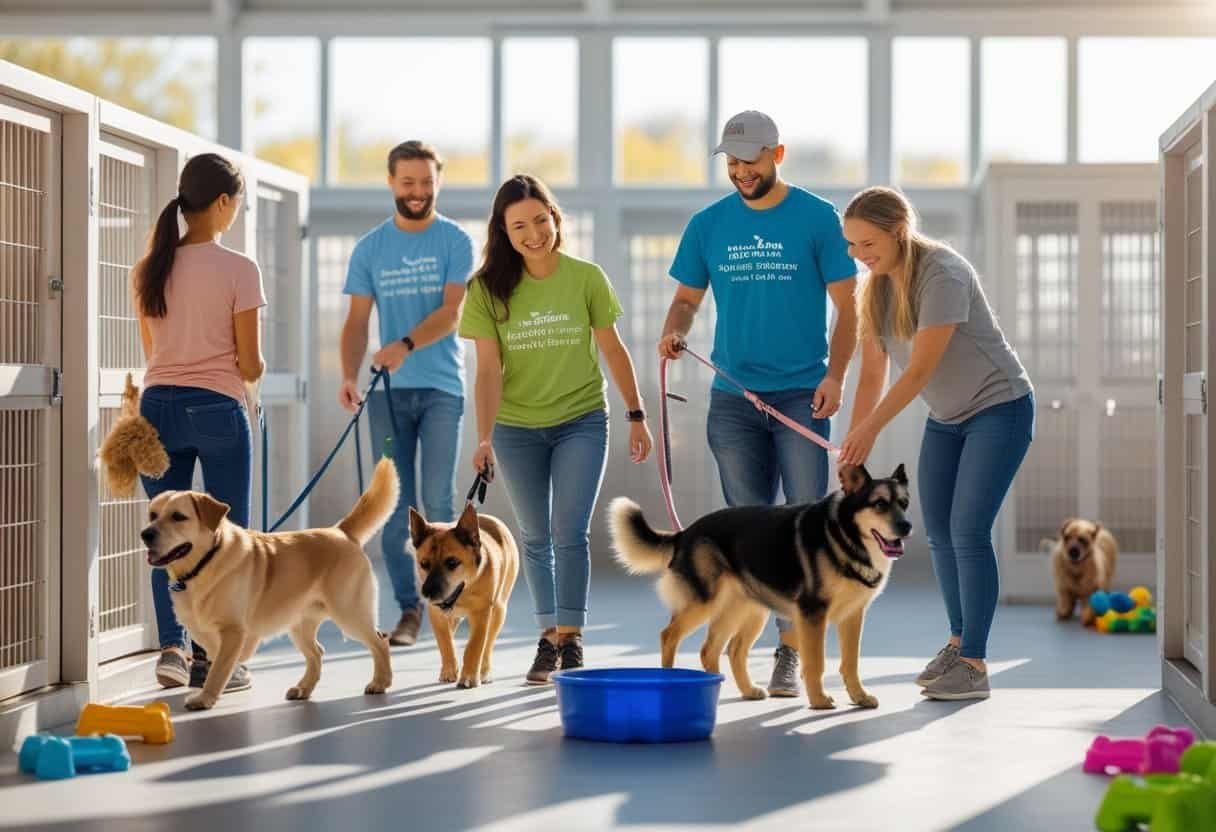
You don’t have to adopt to make a difference for rescue dogs. There are plenty of ways to help out, give direct aid, and keep these organizations going strong.
Donating and Fundraising
Rescue groups depend on donations for food, vet care, supplies, and emergencies. Even small amounts can cover a vaccine or help pay medical bills.
Monetary donations usually go the farthest because organizations can use the funds where they’re needed most. Supplies like dog food, blankets, cleaning stuff, and toys are always welcome.
Many rescues post wish lists online or on social media. Anyone can set up a fundraiser—bake sales, charity walks, online campaigns, whatever suits you.
Some businesses match employee donations or donate a slice of their sales. Supporting these partnerships means even more help for rescue dogs and shelters.
Fostering Programs
Fostering saves space in packed shelters and can be a total game-changer for at-risk dogs. Foster families give dogs a temporary home, help them recover from surgery or trauma, and prep them for adoption.
Most rescues cover food and vet bills while you foster. They often need people willing to care for puppies, seniors, pregnant dogs, or those needing socialization.
It helps to talk with the rescue about what support they offer, how long fostering might last, and who handles vet visits. Fostering helps dogs adjust to home life, making them more adoptable.
It’s honestly one of the best ways to help rescue organizations beyond just donating.
Volunteering
Volunteering puts you right in the action. Roles include walking dogs, cleaning kennels, feeding animals, or helping with socialization and training.
Volunteers are also needed for adoption events, taking photos, transporting dogs, and behind-the-scenes work like admin or running websites. Some organizations need help with special projects, like food drives or creating educational materials.
Remote roles—social media, web updates, that kind of thing—are out there too. Most rescues provide training, so you don’t need experience to get started.
Rescues really depend on volunteers to keep things running and make sure every dog gets the care and attention they need. Local shelters and rescue organizations are always looking for new helpers.
Frequently Asked Questions

Breed-specific rescue organizations focus on certain types of dogs—think pit bulls, shepherds, bulldogs, and other breeds that sometimes get overlooked. These groups have adoption rules, unique processes, and their own guidelines for folks interested in giving these dogs a new home.
What are the steps to adopt a dog from a breed-specific rescue organization?
Usually, you start with an application, either online or in person. The organization checks it out and may follow up with an interview or a home visit.
If things look good, you’ll meet available dogs to find your match. Once approved, you sign an adoption agreement.
Most breed rescues ask for a fee to help cover the dog’s care and medical costs.
How can I find reputable breed-specific rescue groups in my area?
Start by searching online for rescues that focus on the breed you want. Reputable groups usually have their own websites or active social pages.
Some national rescue networks list local affiliates, too. Try sites like Bullied Breeds Rescue and Adopt a Pet to track down groups near you.
What are the common requirements for adopting a rescue dog?
Requirements often include references, proof you can have pets where you live, and some basic knowledge of the breed. Many rescues want to do a home check and a meet-and-greet with your family or other pets.
They’ll usually ask about your past pet experience and your lifestyle to make sure it’s a good match.
How does the adoption process differ between shelters and breed-specific rescues?
Shelters tend to have a quicker process and aren’t always breed-focused. Breed-specific rescues usually spend more time making sure each dog goes to someone who understands the breed’s needs.
They might do deeper background checks and sometimes follow up after adoption to help the dog settle in. For more details, check out Animal Shelter vs. Breed Rescue.
What should I consider when choosing a breed-specific rescue dog?
Think about the breed’s typical energy level, common behaviors, and any special health concerns. It helps to research and talk with the rescue about what to expect.
Matching a dog’s temperament and care needs with your family’s lifestyle is key for a happy adoption.
Are there breed-specific rescue organizations for every type of dog breed?
You won’t find a dedicated rescue for every single dog breed out there. Popular breeds and those abandoned more often—think pit bulls, shepherds, bulldogs, dobermans—tend to have more specialized rescues.
Sometimes, a mixed breed ends up in a breed rescue if they really look or act like that breed. If you’re curious, Bullied Breeds Rescue lists the breeds they usually help.