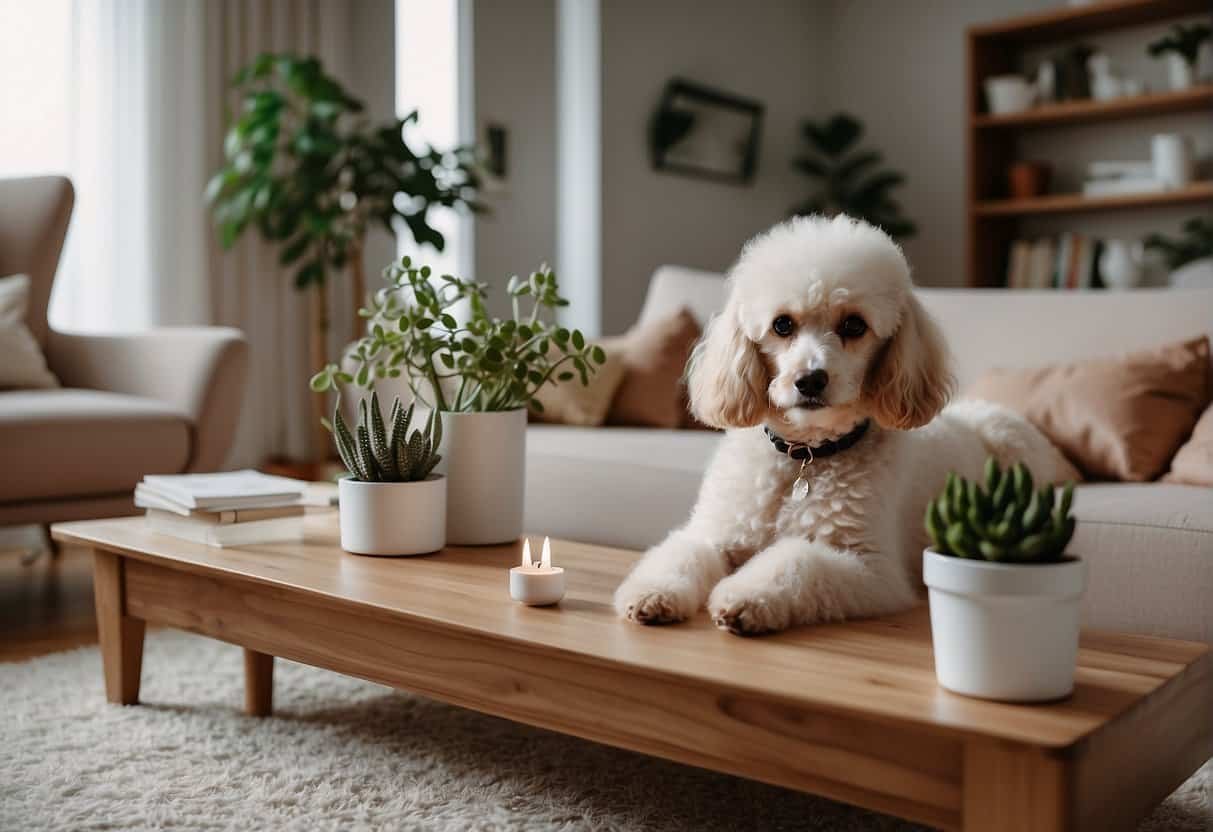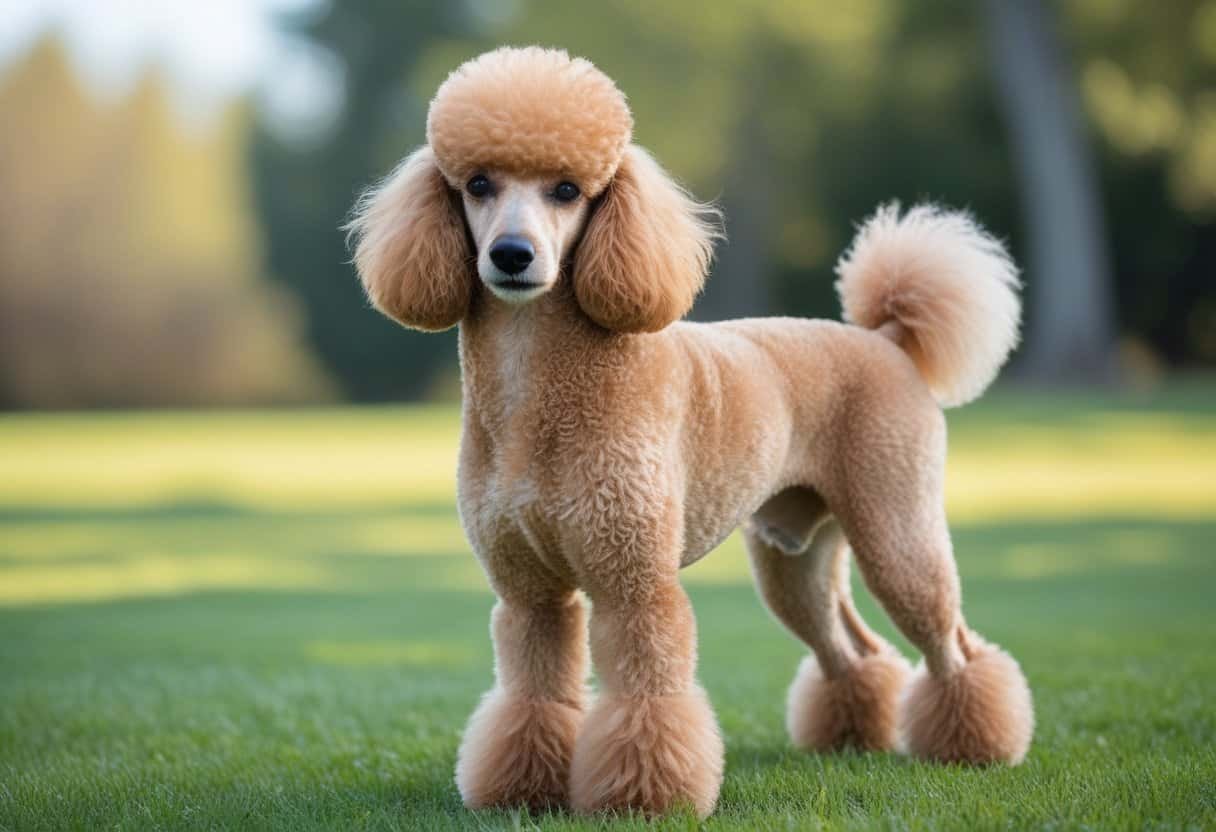
Understanding the Poodle Dog
Poodles stand out for their intelligence, athletic ability, and that unmistakable curly coat. Their roots as working dogs—not just fancy show pups—shape how they act and what they need today.
What Is a Poodle?
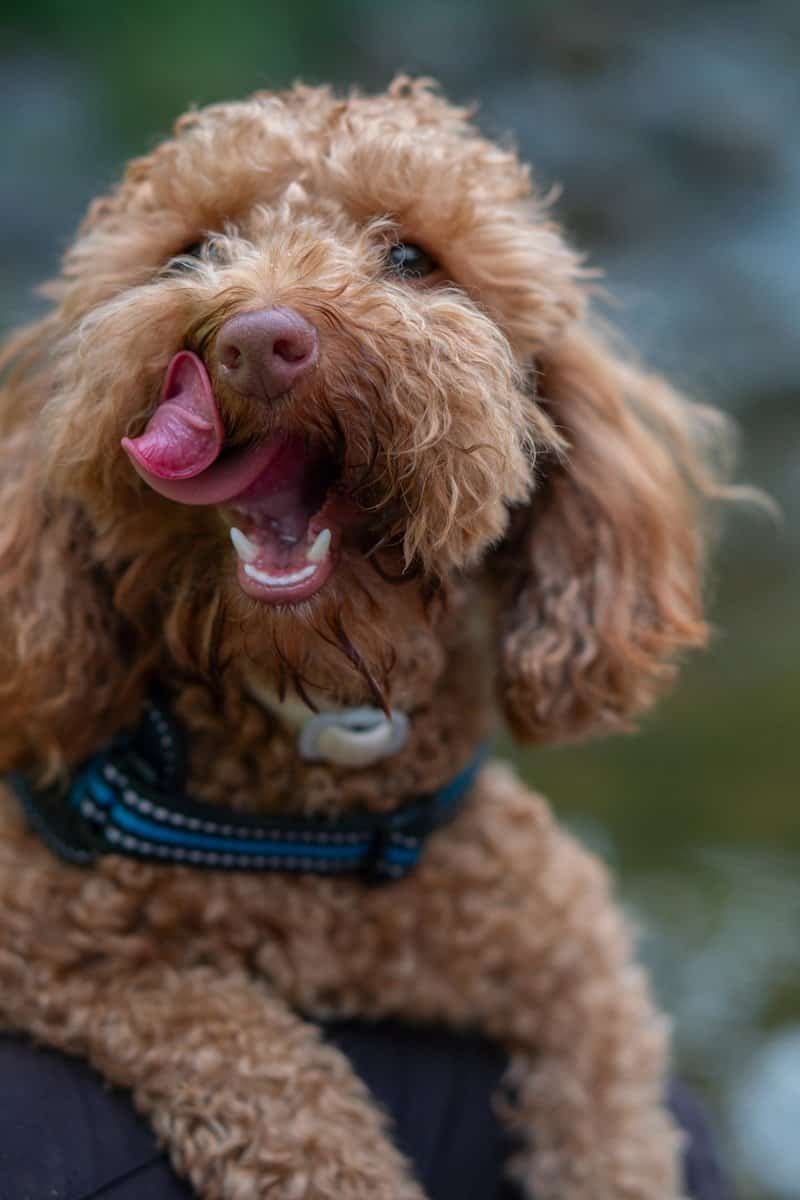
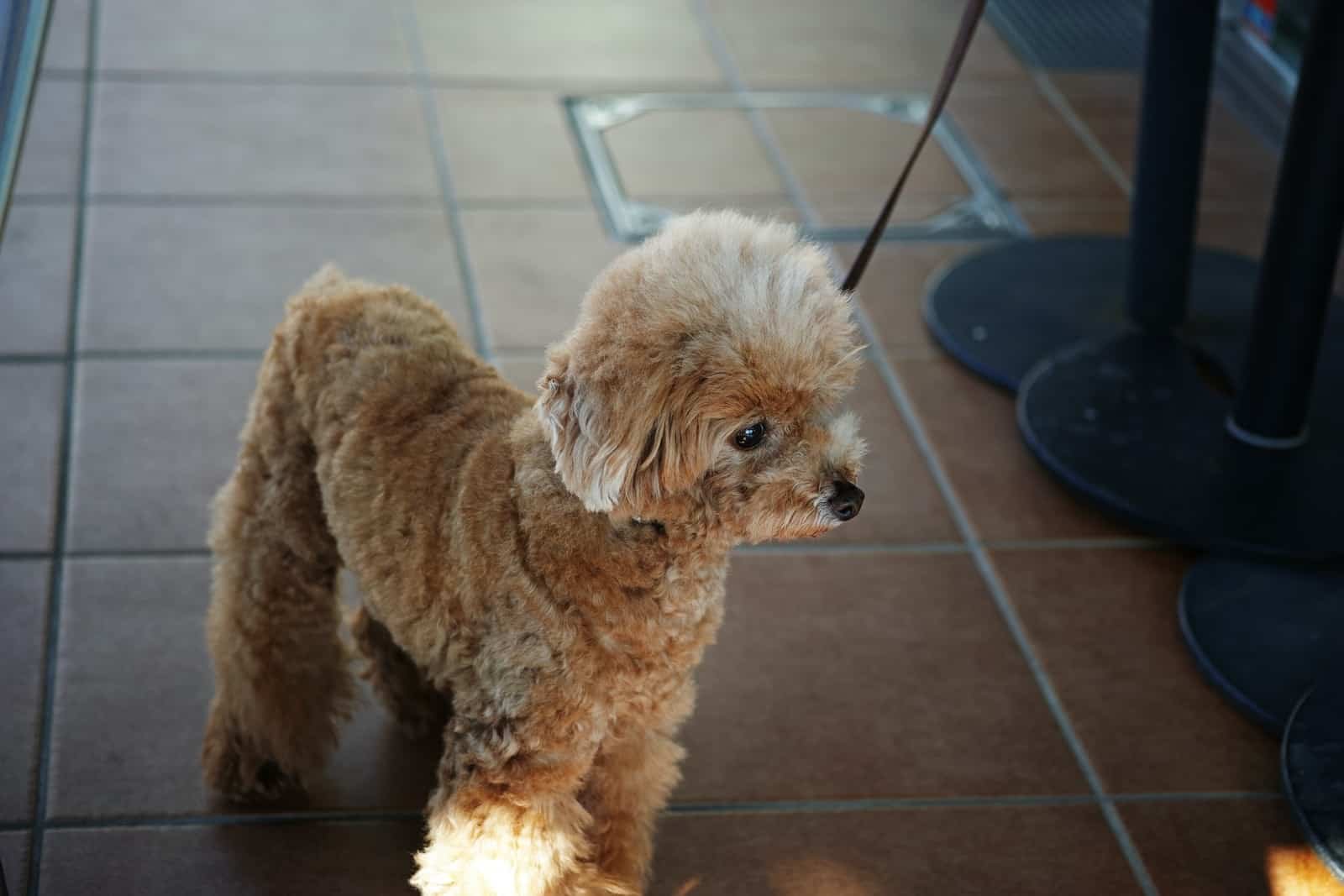
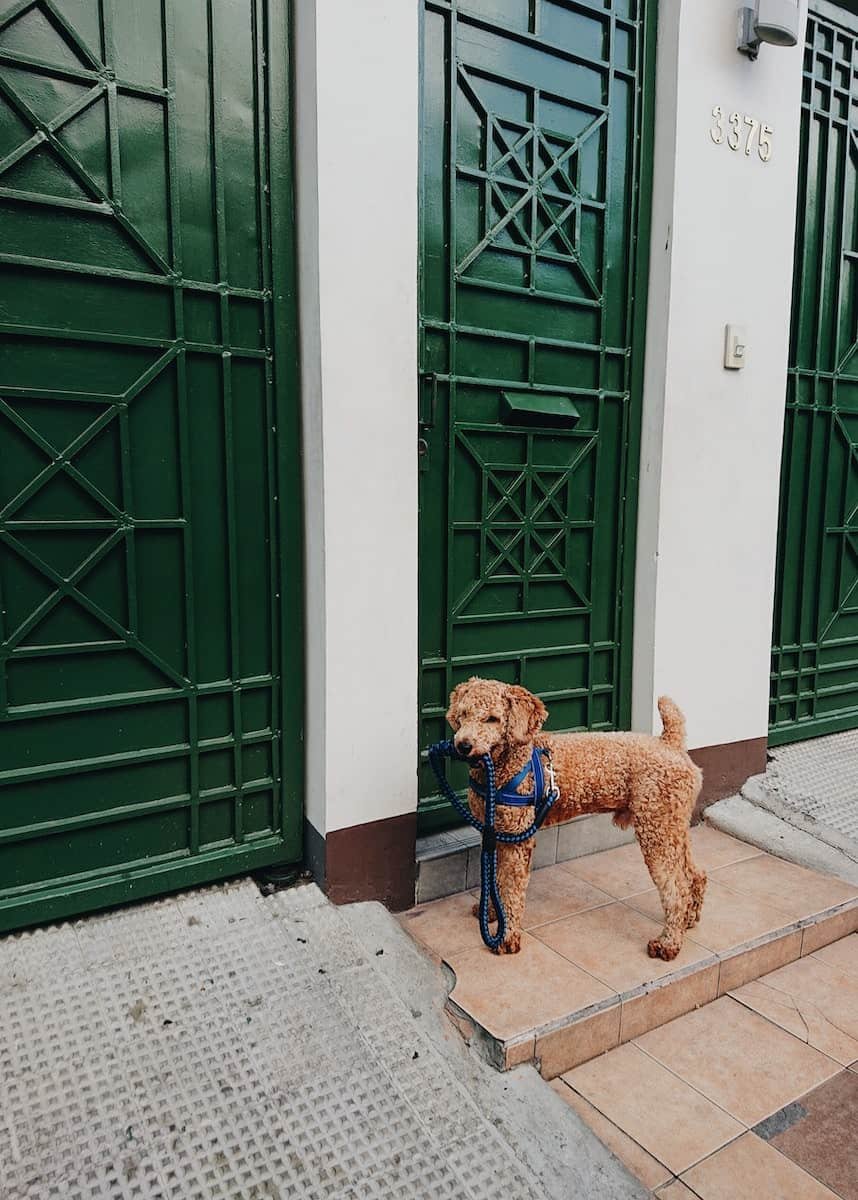
The poodle is a dog breed best known for its curly, dense fur and sharp mind. You’ll find them in three sizes: Standard, Miniature, and Toy.
No matter the size, they all share the same breed standards and similar personalities. Poodles rank among the most trainable and adaptable dogs you’ll meet.
The breed’s name comes from the German word “Pudel,” which means “to splash in water.” In France, they’re called “Caniche,” and you might be surprised to learn they’re actually France’s national dog.
Poodles fit right in as family pets, service dogs, or even performance stars. They often shine in obedience competitions and therapy settings.
If you want to dive deeper into their history or role in different cultures, check out Poodle: Size, Lifespan, Temperament, and Pictures.
Unique Qualities of Poodles
Poodles have a reputation for being exceptionally smart. With the right training, they pick up new commands and tricks quickly.
People love poodles because they shed less than most breeds, thanks to that special coat. Of course, that curly fur needs regular grooming to avoid tangles and mats.
Poodles are energetic and need both mental and physical activity to stay happy. They crave human company and often form tight bonds with their people.
These dogs also get along well with children, which makes them a favorite for families. Their mix of smarts, energy, and affection really sets them apart from other dog breeds.
Poodle as a Water Dog
The poodle started out as a retriever in water. Standard poodles, the biggest of the bunch, were bred to fetch ducks and other game from lakes and rivers.
Their curly coats kept them warm and protected their skin in wet conditions. Poodles are strong swimmers—no surprise, considering “pudel” literally refers to splashing in water.
Their athletic bodies, webbed feet, and stamina made them top-notch water dogs back in the day. Even now, poodles love water sports and activities like dock diving.
That love of adventure and retrieving is still a big part of their personality. For more about their water dog roots, take a look at Standard Poodle | VCA Animal Hospitals.
Origins and History of the Poodle
Poodles are famous for their intelligence, curly coats, and just how easily they pick up new skills. Their background stretches across countries, jobs, and even different names.
Development in Europe
The modern poodle really started to take shape in Europe, especially in Germany and France. Most agree the breed began in Germany, where it was known as the “pudel,” from a word that means “to splash in water.”
Early records show poodles worked as water retrievers, helping hunters bring back birds from lakes and rivers. French breeders later refined the breed, turning them into the elegant dogs we recognize now.
France ended up so closely tied to poodles that they’re now the country’s national dog. Miniature and Toy Poodles came later, each with its own purpose and following.
Artifacts and artwork from as far back as 30 CE show poodle-like dogs, hinting that this breed or its ancestors have been around European culture for a long, long time. Ancient carvings and drawings highlight their curly coats and working posture.
If you want more on their history, here’s a good overview of Poodle development in Europe.
Historical Roles and Uses
Poodles made their mark as water dogs. Their dense, curly coats kept them warm while they retrieved game in cold water.
Large, or Standard Poodles, were especially prized as retrievers and hunting dogs in marshy areas. People quickly noticed their intelligence, and poodles soon found new jobs as circus performers, guide dogs, and loyal companions.
French nobility adored poodles, making them a symbol of refinement and status. Their ability to learn made them stand out in all sorts of tasks, from herding sheep to performing tricks.
Poodles seemed to adapt to almost any environment or job you could throw at them. They really built a reputation as versatile working dogs.
Evolution of the Breed Name
The breed’s name changed as it traveled across Europe. In Germany, people called them “pudel” for their love of water. French breeders went with “caniche,” meaning “duck dog,” because of their retrieving skills.
As the breed spread, countries came up with their own names. In English-speaking places, the breed became known as the poodle.
No matter what you call them, poodles kept their signature traits: curly coats, sharp minds, and a thing for water. Today’s poodle varieties include Standard, Miniature, and Toy.
Each size has its own following, but they all trace back to those early water dogs. For more about breed names and how they evolved, check out this look at Poodle names.
Poodle Breed Varieties
Poodles come in a few sizes, and each one brings its own quirks and care needs. Size can affect exercise, grooming, and even personality.
Standard Poodle
The Standard Poodle is the biggest, standing over 15 inches at the shoulder and usually weighing between 40 and 70 pounds. These dogs are athletic and originally worked as water retrievers.
Standard Poodles are clever and have a strong work ethic. They love both physical and mental challenges and do well in obedience, agility, and therapy work.
Because of their size, they need regular exercise—think long walks or active play sessions. Their thick, curly coat means they need routine grooming.
Many families pick this size for their even temper and because they get along well with kids and other pets. They’re easy to train and tend to fit well into family life.
More details are in this guide to the Standard Poodle.
Miniature Poodle
Miniature Poodles are smaller, standing 10-15 inches tall and weighing 10 to 15 pounds. They strike a nice balance between the energy of a Standard and the compactness of a Toy.
Miniature Poodles are popular with people living in apartments or homes with less space. They’re still active and love to play or train.
Their coat care is similar to the Standard, so regular brushing and trims are a must. Owners like Miniature Poodles for their intelligence and how easily they adapt to family life.
They tend to form close bonds with their people.
Toy Poodle
Toy Poodles are the tiniest, measuring under 10 inches and weighing just 4-6 pounds. Bred mainly as companion dogs, you’ll often see them in city apartments or curled up as lap dogs.
Don’t let their size fool you—they’re lively and smart. Toy Poodles pick up obedience and tricks quickly.
Their small size makes them easy to travel with and perfect for small homes. Like all poodles, they have a soft, curly coat that needs frequent grooming.
They’re friendly and alert, craving attention, but they’re also a bit fragile. Households with young kids might want to think twice.
Curious about the different kinds of poodles? Here’s a complete guide.
Medium Poodle
The Medium Poodle, also known as the Moyen Poodle, isn’t officially recognized by the American Kennel Club but is gaining fans in Europe and beyond. This size sits right between the Miniature and Standard.
Medium Poodles usually stand about 15-20 inches tall and weigh 20-30 pounds. They’re a sweet spot for families who want something bigger than a Miniature but smaller than a Standard.
Their needs are much like other poodles: daily exercise, mental stimulation, and regular grooming. Medium Poodles are adaptable and have a balanced temperament.
They get along well in households with multiple pets. For more on all poodle sizes, check out this overview of poodle varieties.
Physical Characteristics of Poodles
Poodles are famous for their curly, low-shedding coats and that elegant, balanced look. The breed comes in three sizes, and organizations like the AKC set the guidelines to keep things healthy and uniform.
Curly Coat and Colors
That curly coat is the poodle’s trademark. The curls can be tight or a bit wavy, but the fur’s always dense and covers their whole body.
People call the coat hypoallergenic since it sheds so little—great news for allergy sufferers. Poodle coats come in all sorts of solid colors.
You’ll see white, black, apricot, cream, brown, gray, and even red. Some poodles show off more unusual shades like blue or silver.
Markings aren’t common and aren’t preferred in show dogs. Grooming is a must to keep the coat from matting.
Some owners keep their poodle’s hair clipped short, while others go for the classic styles unique to the breed. Brushing and trimming every 4-6 weeks is pretty much the norm.
Read more about characteristics of the poodle coat.
Size and Weight Differences
There are three main sizes: Standard, Miniature, and Toy. Each has its own height and weight range, but they all share similar proportions and traits.
Standard Poodles are the biggest, standing over 15 inches tall and weighing 40 to 70 pounds.
Miniature Poodles come in at 10 to 15 inches and weigh about 10 to 15 pounds.
Toy Poodles are under 10 inches and usually weigh between 4 and 6 pounds.
No matter the size, poodles are athletic and full of energy. These differences let families pick the poodle size that fits their home and lifestyle.
Want more? Here’s a bit more on Poodle size and traits.
Breed Standards
Recognized standards protect the look and health of the poodle breed. The American Kennel Club (AKC) sets out strict requirements for body shape, coat, proportions, and movement.
A poodle should have a squarely built body. Its height from shoulder to ground should be about the same as the length from chest to rear.
The head is rounded, and the muzzle is long and straight. Poodles have dark, oval eyes that look alert.
Ears are long and hang close to the head. The AKC says the coat must be curly, dense, and well-groomed.
Any solid color is accepted in shows. Poodles should move smoothly with an athletic, lively gait.
If you want more details on breed standards, visit the AKC Poodle breed page.
Poodle Temperament and Personality
Poodles are famous for their intelligence, friendliness, and adaptability. Their unique personality makes them stand out, whether at home or in more active settings.
Intelligence and Trainability
Poodles rank as one of the smartest dog breeds. They pick up commands quickly and remember routines.
Most poodles enjoy mental challenges and puzzles. These dogs excel in obedience training and sports like agility or rally.
Owners often notice that even complicated tricks don’t take long for a poodle to learn. Their brains need something to do, or else they get bored.
Consistent training, brain games, and new experiences keep their minds sharp. The poodle’s willingness to please makes positive reinforcement work really well.
Social Nature and Behavior
Poodles are social dogs who love spending time with people and other pets. They often bond closely with their families and don’t enjoy being left alone for long.
Their playful, gentle nature helps them fit in with children and other animals. Many poodles stay alert and will bark if strangers show up, showing off their protective side.
They adapt well to different social situations. Early and ongoing socialization helps prevent timid or shy behavior.
For more on their social side, check out general poodle temperament traits.
Suitability for Families
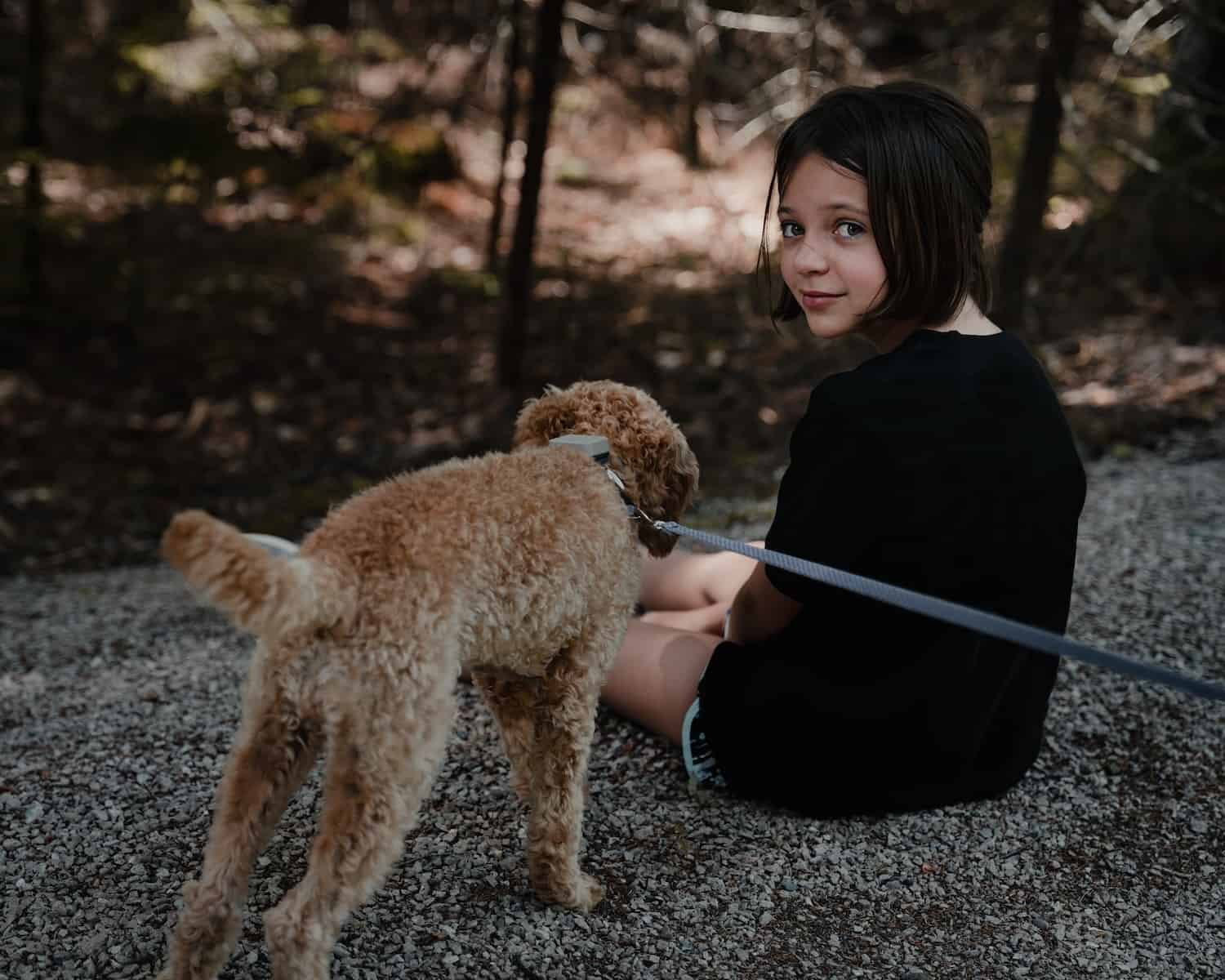
Poodles fit well with families thanks to their gentle, engaging personalities. They usually get along with kids when introduced properly and taught boundaries.
This breed likes being part of the action, whether playing outside or relaxing inside. Their intelligence and trainability make it easy for them to adjust to different lifestyles.
Poodles come in different sizes—standard, miniature, and toy—so it’s easier to find one that fits your home. Their low-shedding coats can also make life easier for people with allergies.
You can read more about how the poodle fits into family life.
Health and Genetic Conditions in Poodles
Poodles can face inherited health issues, but with awareness and good care, many enjoy long, active lives. Genetics, regular check-ups, and a solid diet matter a lot for their well-being.
Common Hereditary Diseases
Poodles face several genetic health risks. Hip dysplasia is a big concern, especially in Standards, where the hip joint forms wrong and causes pain or lameness.
Addison’s disease pops up often in poodles. It messes with hormone production in the adrenal glands and can cause weakness, vomiting, and low energy.
Other risks include hypothyroidism, which leads to weight gain and tiredness, and progressive retinal atrophy (PRA), a disease that causes blindness over time. Toy and Miniature poodles sometimes deal with patellar luxation, where the kneecap moves out of place.
Rare but serious issues like sebaceous adenitis (a skin disease), idiopathic epilepsy (seizures), and von Willebrand’s disease (a blood clotting disorder) can affect some poodles. You’ll find more info in this comprehensive guide to common poodle health issues.
Lifespan and Longevity
Poodles are lucky to have long lifespans. Toy and Miniature Poodles usually live about 14–16 years.
Standard Poodles often reach 12–15 years. The risk of diseases like PRA, Addison’s, and epilepsy can affect quality of life, but not every poodle gets these conditions.
Good breeding practices lower the risk of inherited illnesses. Smaller poodles tend to outlive their bigger cousins.
Lifespan depends on regular vet visits, diet, exercise, and catching problems early. For more on lifespan and what affects it, see this complete guide for poodle owners.
Preventive Health Care
Spotting diseases early helps poodles stay healthy longer. Regular vet visits, blood tests, and screenings matter a lot for inherited issues like hip dysplasia and PRA.
Responsible breeders do genetic testing to lower risks of things like Addison’s disease and von Willebrand’s in puppies. Eye checks, joint exams, and thyroid testing are smart moves.
Prevention Checklist:
- Schedule yearly veterinary exams
- Keep vaccinations and parasite control up-to-date
- Ask about breed-specific health screenings
- Feed a balanced diet and keep poodles at a healthy weight
- Watch for early signs of illness, like limping, vision issues, or seizures
It’s worth staying proactive about health. Learn more from the Poodle Club of America’s health concerns page.
Grooming and Coat Care
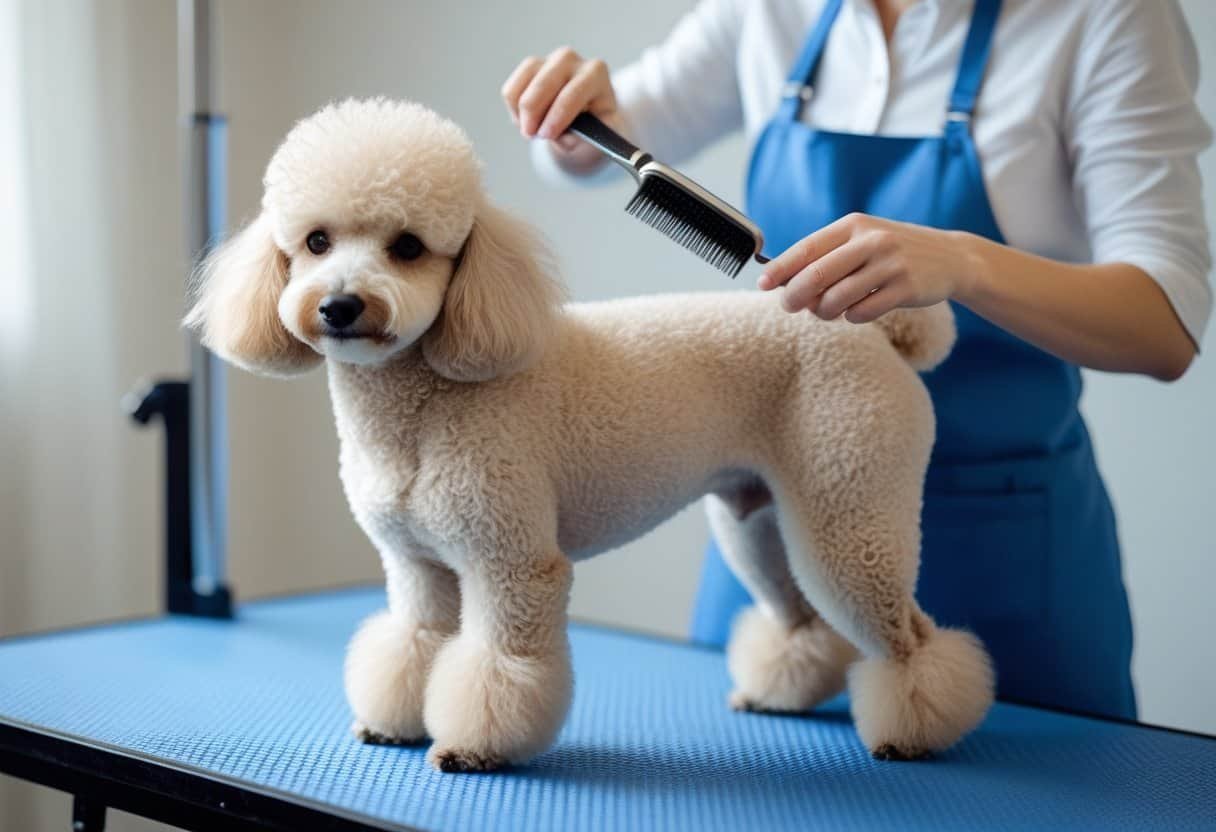
Poodles need careful grooming because of their curly coats. Their hair is different from most dogs and needs regular upkeep to avoid problems.
Grooming Needs
The poodle’s curly coat needs brushing at least every other day to stop mats and tangles. For active dogs or those with longer hair, daily brushing is better.
Brushing removes dirt and helps skin stay healthy. Most poodles need professional grooming every 4 to 6 weeks.
A groomer will usually give a full haircut, trim nails, clean ears, and sometimes brush teeth. Home grooming tools like slicker brushes, combs, and clippers make basic care easier.
Trouble spots include behind the ears, under the legs, and around the collar—these mat fast. Keeping those areas trimmed and clean helps a lot.
For more on brushing and trimming, see this poodle grooming guide.
Hypoallergenic Qualities
Poodles are known for their low-shedding, curly coats, which appeal to allergy sufferers. Their hair traps loose hairs and dander, so you won’t find much fur around the house.
Because they shed so little, you need to remove trapped hair and debris with regular coat care. Bathing every three to four weeks keeps the coat clean and minimizes allergens.
Frequent grooming is key to their hypoallergenic qualities. No dog is truly allergen-free, but poodles are often recommended for people with sensitivities.
Their special coat is a big reason they’re so popular with allergy-prone folks. For more, check out this poodle grooming article.
Styling and Maintenance
Poodle hairstyles range from simple trims to fancy clips like the continental or puppy clip. Some owners pick short trims for easy care, while others go for elaborate styles for shows.
The curly coat responds well to scissoring and clipping, so there are lots of style options. Basic grooming at home means brushing, trimming around the face and paws, and keeping nails short.
Quickly removing mats keeps the coat looking tidy. Many families go for a “sporting” or “pet” clip because it’s practical and simple.
Regular trips to the groomer and at-home brushing keep poodles looking and feeling good. For more advice on styles and routines, see this complete poodle grooming guide.
Activity Level and Exercise Requirements
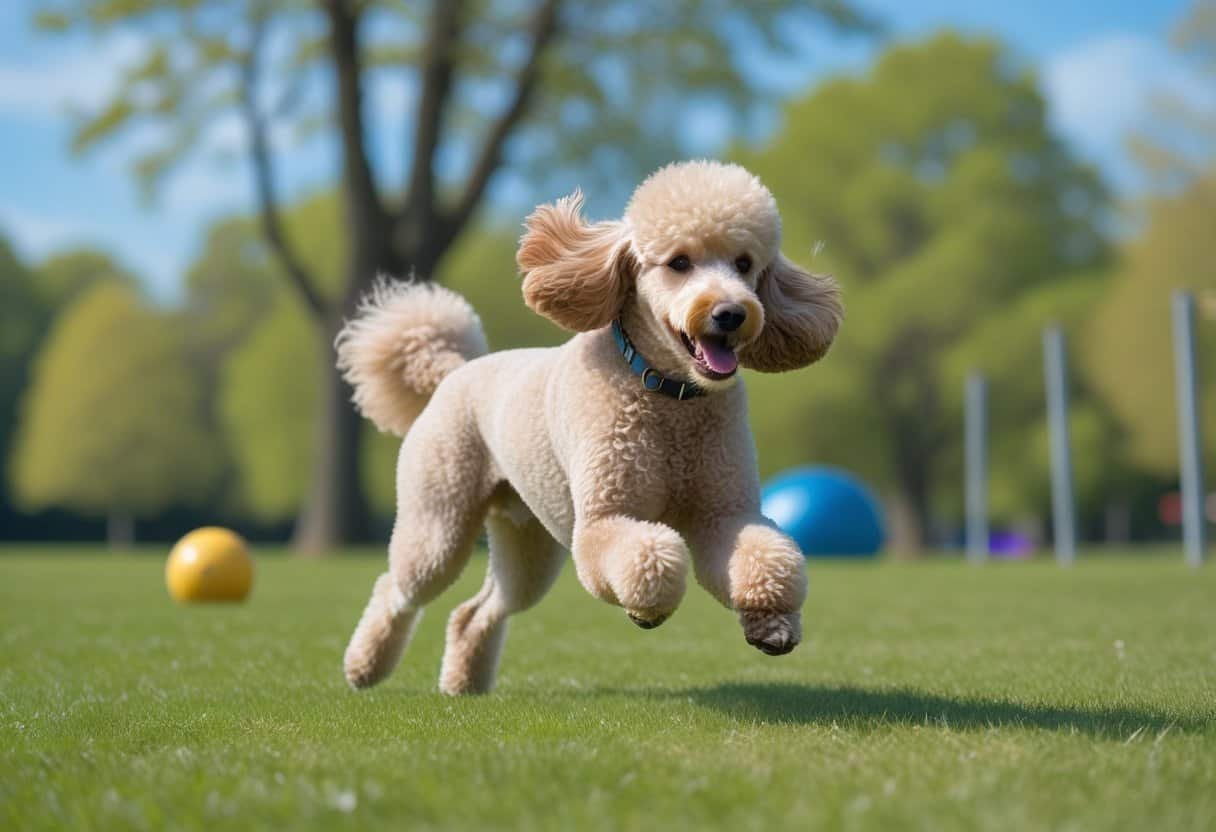
Poodles are active dogs who need regular exercise and mental challenges to stay happy and healthy. Needs vary by size, age, and personality, but all poodles benefit from both physical and mental activity each day.
Physical Activity Needs
Standard poodles are full of energy and thrive with 60–90 minutes of movement daily. Miniatures need a little less—usually 45–60 minutes.
Toy poodles are happy with 30–40 minutes, but they do best with several short outings. Puppies have tons of energy but tire out quickly, so they need short, frequent playtimes.
Older poodles do well with gentle walks and light play as their energy drops. Exercise helps prevent boredom, keeps weight in check, and avoids behavior issues like barking or restlessness.
Walks, runs, or active play give both physical and social benefits. For more details by variety, see this detailed poodle exercise guide.
Mental Stimulation
Mental challenges are just as important as physical ones for these clever dogs. Training sessions, puzzle toys, and learning new tricks all help keep a poodle’s mind sharp.
Simple games like hide-and-seek or scent work are great options. Activities that make a poodle think can cut down on bad habits and build a stronger bond with you.
Poodles who lack mental work may get bored and start chewing or digging. For more on how to fit mental games into your routine, check out these exercise tips for poodles.
Suitable Activities
There are plenty of ways to keep a poodle active and happy. Some favorites include:
- Daily walks or jogs
- Fetch games
- Agility training
- Swimming (especially for standards)
- Interactive toys
Mixing up these activities during the week works both their bodies and brains. Miniature and toy poodles usually prefer several shorter play sessions instead of one long outing.
Always tailor activities to your poodle’s age, health, and likes. For more ideas, see this list of poodle exercise favorites.
Poodle Training and Intelligence
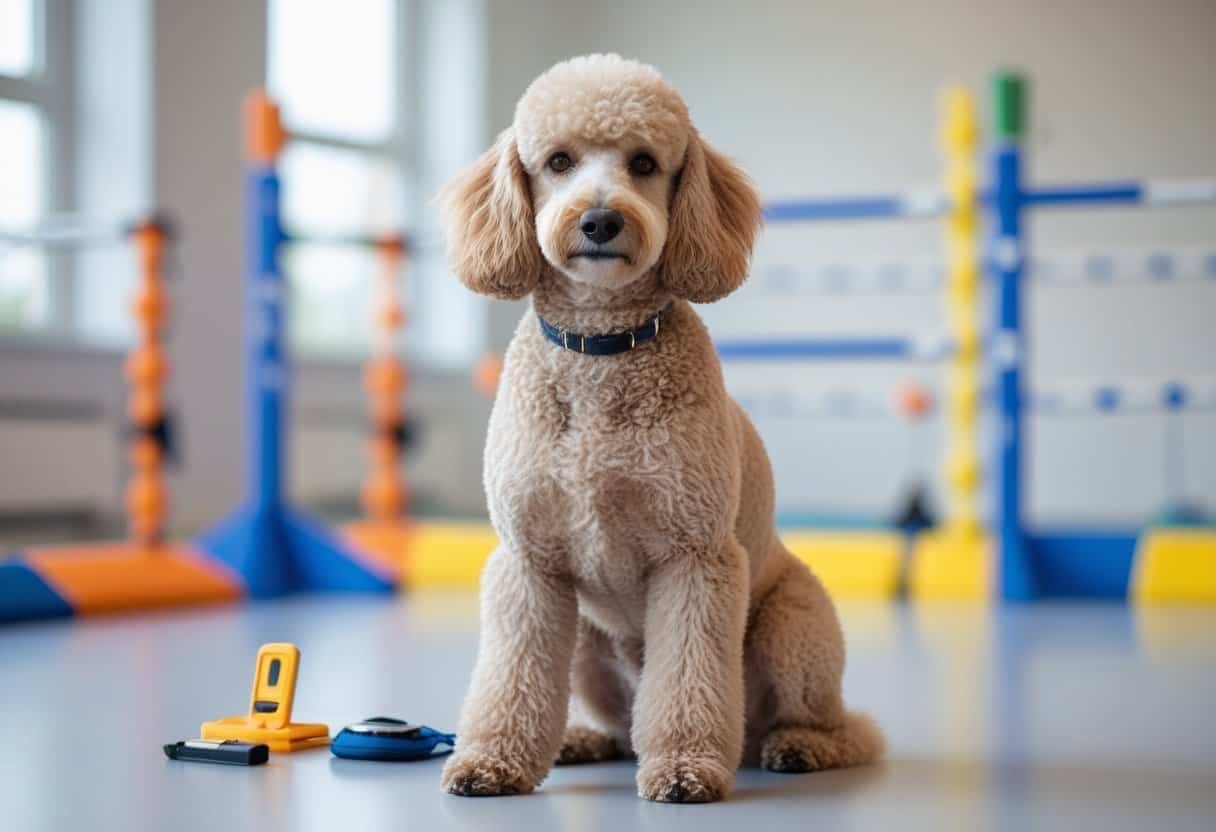
Poodles just stand out for their smarts. They pick up new commands fast and seem to actually enjoy learning.
Their ability to master skills puts them right up there among the most trainable breeds. It’s honestly impressive to watch.
Obedience Training
Poodles respond really well in obedience training. Most learn basic commands like sit, stay, and come after just a few tries.
That makes them easier to train than a lot of other dogs. All three sizes—Standard, Miniature, and Toy—want to please, which helps a ton during training.
Poodles can handle simple manners or more complicated tasks. They’re quick to catch on to human cues like body language and tone.
Studies on canine intelligence put poodles near the top in working and obedience tests. Their sharp minds mean they might get bored if lessons drag on, so it’s best to keep things short and fun.
If you want more details on poodles’ trainability, there’s plenty out there.
Performance in Dog Sports
Poodles shine in dog sports thanks to their agility, speed, and brains. They do great in competitions like agility, obedience trials, and even water sports.
On agility courses, they move fast and follow directions easily. Many poodles actually seem to have fun learning the obstacles and commands.
Their high energy and love of a challenge keep them motivated. Problem-solving skills let them adapt during fast-paced events, which gives them an edge.
All sizes—Standard, Miniature, and Toy—have been spotted winning ribbons. If you want to dig deeper, check out their dog sports skills.
Tips for Effective Training
Training poodles works best with a mix of mental and physical challenges. Keep sessions short and positive, and don’t skimp on praise or treats.
Consistency matters since poodles respond best when rules stay the same. Mental stimulation, like puzzle toys and new tricks, keeps them from getting bored or picking up bad habits.
Regular socialization with other dogs and people helps them stay well-rounded. Harsh methods or punishment just don’t work—poodles are sensitive and need gentle, reward-based training.
If you want more detailed strategies, these tips for successful poodle training are worth a look.
Living with a Poodle
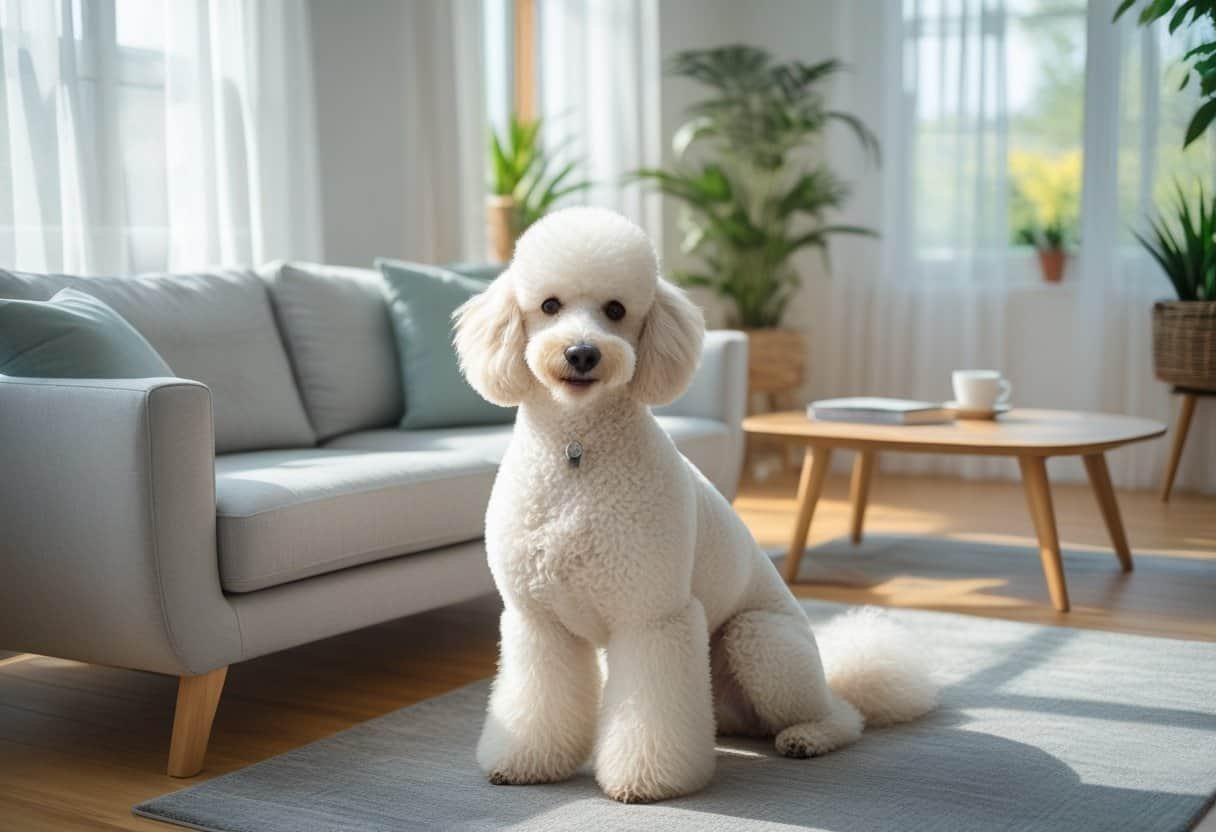
Poodles are clever, friendly dogs who fit into lots of different lifestyles. They’ve got unique personalities and features that really set them apart.
Adaptability to Various Homes
Poodles adjust well to most environments, thanks to their brains and steady temperament. You’ll find them in three sizes: Toy, Miniature, and Standard.
Toy and Miniature Poodles work well for people in apartments or condos since they don’t need a ton of space. Standard Poodles, being bigger, need more room to move around.
All types love daily walks and play. Their coats shed very little, so they’re a solid choice for folks with allergies.
They’re known as versatile house dogs and can do well in cities, suburbs, or out in the country. Regular exercise and grooming are important for their health.
Even in small spaces, poodles stay happy if they get enough movement. A yard is nice, but not a must if you’re willing to walk and play with them.
Interaction with Other Pets
Poodles usually get along with other pets if you socialize them early. Their intelligence helps them read animal signals quickly.
They’re less likely to start fights and more likely to join in group play. In multi-pet homes, poodles tend to fit in smoothly—especially if you introduce them carefully and keep things positive.
Their friendly, easygoing nature makes them good companions. Consistent training helps, since poodles can get jealous if they feel left out.
If you have smaller pets, it’s smart to supervise at first. Poodles don’t have a strong prey drive like some hunting breeds, but every dog’s different.
Most poodles learn house rules and respect other animals’ space with practice.
Travel and Lifestyle Considerations
Poodles usually handle travel and new situations pretty well. Their adaptability lets them stay calm in cars, planes, or new places.
Sometimes they need a little time to settle in, but familiar routines and favorite toys help. Folks who travel often find poodles are pretty low-fuss.
Their easygoing nature makes it simple to bring them along to hotels or friends’ homes. Most public spaces accept poodles because they’re polite and tidy.
If you’re traveling for a few days, don’t forget grooming tools or their favorite toys. Watch for signs of stress, and give your poodle time to adjust.
Sticking to regular feeding, potty breaks, and sleep schedules helps them keep their routine, even on the road.
Choosing and Acquiring a Poodle
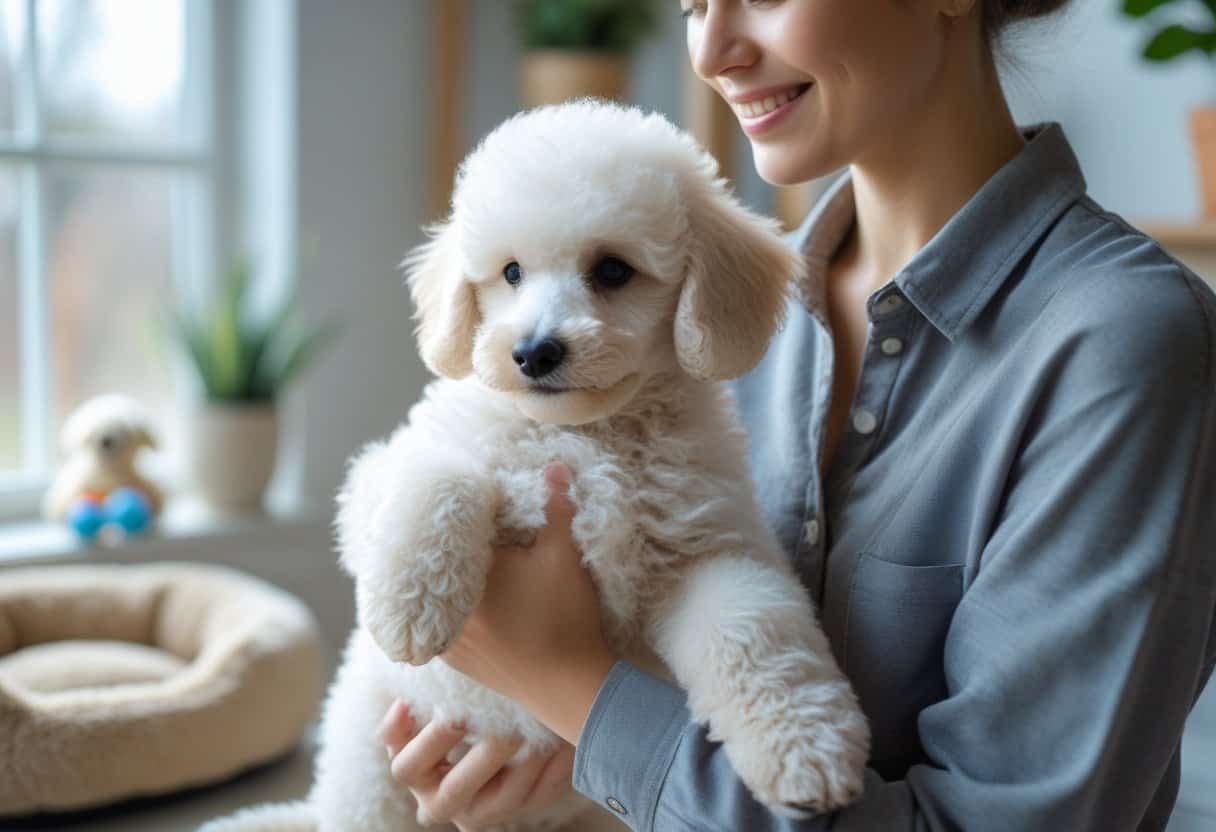
Poodles come in standard, miniature, and toy sizes. Whether you’re buying from a breeder or adopting, making smart choices matters for a happy, healthy companion.
Reputable Breeders
If you want a purebred poodle, finding a reputable breeder is key. Good breeders provide health records and genetic test results, and they’ll gladly show you their facilities.
The American Kennel Club (AKC) has resources to help you find ethical breeders. These breeders follow AKC standards and raise puppies with care.
A trustworthy breeder won’t rush sales and will ask you plenty of questions. If a breeder won’t show paperwork or let you visit, that’s a red flag.
Take your time researching. It really does help you avoid health or behavior issues down the line.
Check out this complete guide to choosing a poodle puppy for more tips.
Rescue and Adoption
Adopting a poodle from a rescue or shelter is a fantastic option if you want to give a dog a second chance. Plenty of purebred poodles end up in shelters because of changes in their owners’ lives, not because of health or behavior problems.
Breed-specific rescues do a great job matching poodles with the right homes. Adoption usually costs less than buying from a breeder and often includes vaccinations, spay/neuter, and a health check.
Be ready to meet a few dogs before you find the right fit. Working closely with the rescue group helps make sure the poodle’s personality matches your family.
Find out more about poodle adoption options at this ultimate guide to choosing a poodle puppy.
Cost and Ownership Considerations
Owning a poodle means more than just paying the adoption or purchase fee. You’ll need to budget for food, grooming, vet care, training, and supplies.
Poodles don’t shed much, but they do need professional grooming every 4 to 8 weeks. That adds up over time.
Buying from a breeder can cost several thousand dollars, while adoption fees are usually much lower. Don’t forget to factor in pet insurance, emergency vet bills, and ongoing care.
Poodles live a long time—many make it well into their teens. Long-term commitment and financial planning are a must.
For more info on what to expect, see this comprehensive poodle buying guide.
Frequently Asked Questions
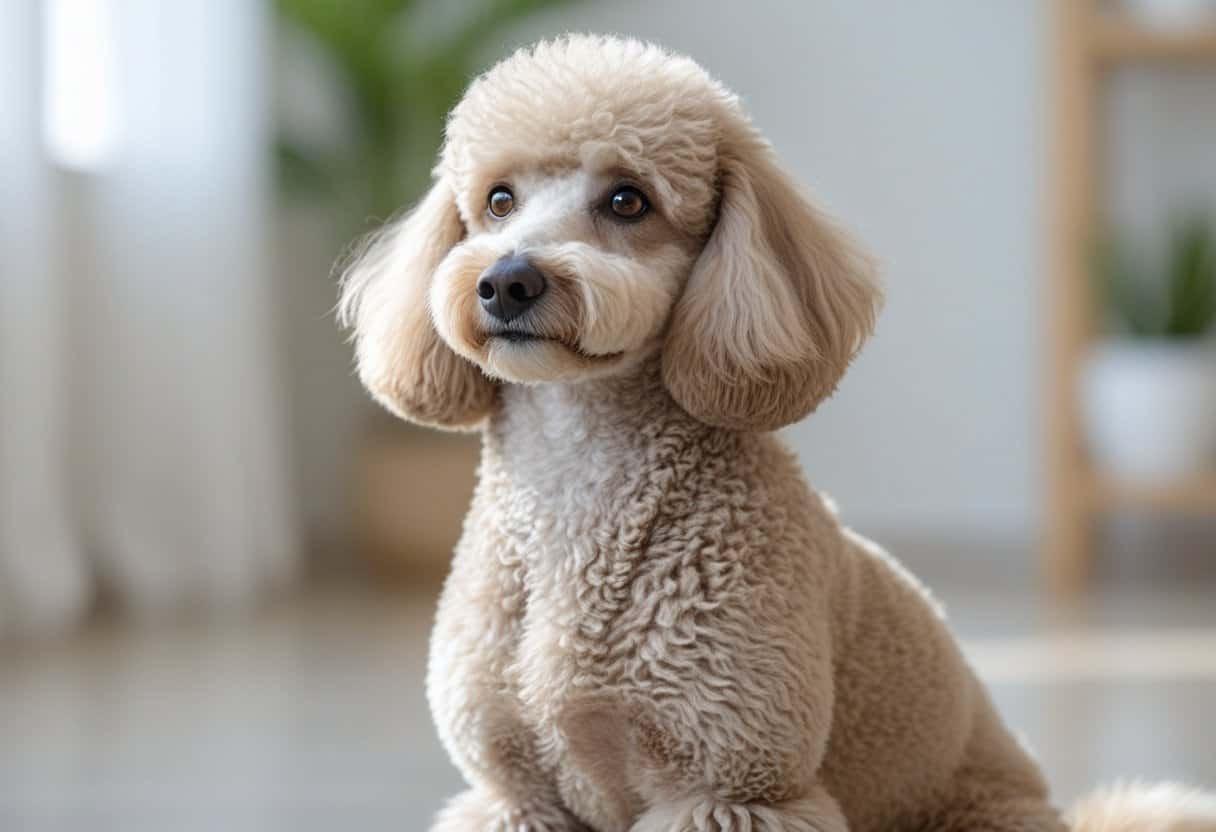
Poodles come in different sizes, have unique health needs, and are known for their long lifespans. People often pick them for their intelligence, trainability, and their long history as a well-established breed.
What are the different sizes of poodles recognized by kennel clubs?
Most kennel clubs list three main sizes: Toy, Miniature, and Standard. The American Kennel Club says Toy Poodles are up to 10 inches tall at the shoulder, Miniature Poodles are over 10 inches and up to 15 inches, and Standard Poodles are over 15 inches.
How much does a standard Poodle typically cost?
A Standard Poodle usually runs between $1,000 and $2,000 from a reputable breeder. Prices depend on location, breeder reputation, and pedigree.
Don’t forget about grooming, food, and vet care—those add to the total.
What is the average lifespan of a Toy Poodle?
Toy Poodles often live between 12 and 16 years. Regular vet visits, good food, and proper grooming help them reach the higher end of that range.
Can Poodles be suitable pets for families with children?
Poodles make great family dogs. They’re smart, gentle, and usually get along well with kids and other pets.
Early training and socialization make them even better companions. There’s more on this at tonkaspoodles.com.
What is the origin of the Poodle breed?
The Poodle started out in Germany but is often linked to France, where it became super popular and is now the national dog.
Originally bred as a water retriever, the poodle is known for being smart and easy to train. If you want more background, check worlddeer.org.
What are the common health issues faced by Miniature Poodles?
Miniature Poodles sometimes deal with genetic health problems like hip dysplasia and epilepsy. Eye disorders, especially progressive retinal atrophy, can also show up in this breed.
Taking your poodle for regular checkups goes a long way. Choosing a responsible breeder can really help lower these risks too.
You can find more details at tailsbuddy.com.