Understanding Puppy Dog Breeds
Dog breeds come grouped by specific traits, behaviors, and unique histories. When you’re choosing a puppy, it really helps to know what makes up a breed, how purebred dogs differ from mixes, and how groups like the AKC recognize certain breeds.
What Defines a Dog Breed
A dog breed is just a group of dogs that share certain characteristics—think size, coat, or behavior. Breeders set these traits over many generations, sometimes for jobs like herding or hunting.
For example, Labrador Retrievers are famous for being friendly, strong, and having a short coat. Herding breeds like the Border Collie help with livestock, while hunting breeds like the Beagle track small animals.
Breed names often hint at their history or what they were bred to do. Traits pass from parent to puppy, so dogs from the same breed usually act and look pretty similar.
There can be some differences, but you can usually predict a breed’s main traits.
Purebred vs Mixed Breed Puppies
A purebred puppy comes from two parents of the same breed. That makes their appearance and temperament a lot more predictable.
People who want a puppy with certain qualities, like a Poodle’s hypoallergenic coat, often go for purebreds.
Benefits of purebred puppies:
- Predictable size, coat, and personality
- Detailed health and care info
- Can enter dog shows
A mixed breed puppy has parents from different breeds. These pups, often called “mutts,” can have a blend of looks and traits, so each one’s a bit of a surprise.
Benefits of mixed breed puppies:
- Often fewer inherited health problems
- Unique looks and personalities
- Many waiting in animal shelters
When you’re picking a puppy, choosing the right breed or mix matters. It affects things like energy, grooming, and health needs.
Recognized Breed Standards
Breed standards are official descriptions of what a dog breed should look and act like. They cover things like size, color, coat, movement, and temperament.
Kennel clubs, like the American Kennel Club (AKC), set and maintain these standards. Only dogs that meet these guidelines can be registered as purebreds with organizations such as the AKC.
Registration tracks a breed’s history and health. It also lets owners enter their dogs in official events, like conformation shows or obedience trials.
Breed standards help breeders aim for healthy, consistent puppies. They give buyers a better idea of what to expect from a breed.
Not every dog meets every point, but being close helps keep the breed strong and predictable.
Popular Puppy Dog Breeds
Some puppies become popular dog breeds thanks to their friendly nature, size, or just their looks. A lot of new owners want pets that are easy to care for and fit right into family life.
Most Sought-After Breeds
Labrador Retrievers are super popular for their gentle attitude and smarts. They often top lists of the most popular dog breeds in the UK, especially for families with kids.
The French Bulldog is small, easy to groom, and calm, making it perfect for city living. People with apartments or small homes love this breed.
Cocker Spaniels and Cavalier King Charles Spaniels have loyal, friendly personalities and a playful side. They’re favorites for good reason.
Other hits include the Pomeranian, a tiny ball of energy, and the Labradoodle, a mix between a Labrador Retriever and a Poodle. Labradoodles are popular for their brains and low-shedding coats.
These breeds stand out not just for their looks but also for how well they fit into different homes and lifestyles.
Trends in Breed Popularity
People want breeds that are hypoallergenic and easy to train. Designer breeds like the Labradoodle and Goldendoodle are riding this wave, and their popularity just keeps rising.
Small dogs are also in demand. French Bulldogs and Pomeranians are getting scooped up more often, especially by city folks or anyone with limited space.
Trends can shift fast—media, local culture, or changing family needs all play a part. These days, more families pick dogs known for being good with children and easy to handle.
Some owners go for breeds with fewer health problems, while others want unique features, like a certain coat color or shape. Lists from Dogster and kennel clubs update these trends every year.
Breed Sizes and Characteristics
Different puppy breeds grow into totally different sizes, personalities, and energy levels. Care needs can vary a lot, too.
Things like weight, height, grooming, and health issues change from breed to breed.
Toy and Small Breed Puppies
Toy and small breed puppies—think Maltese or Shih Tzu—usually end up under 20 pounds as adults. They’re often less than a foot tall at the shoulder.
These pups are gentle and affectionate, and they do well in small spaces like apartments. They don’t need as much exercise as bigger dogs but still want daily walks and play.
Grooming matters, especially for long-haired breeds like the Maltese. Small breeds can be sensitive to rough play and need gentle handling.
Because they’re tiny, they can have dental issues and sometimes need extra care in cold weather. Here’s a handy size chart for small dog breeds.
Medium Breed Puppies
Medium breeds—Beagles, Cocker Spaniels, Bulldogs—usually weigh 20 to 50 pounds as adults. They reach about 13–22 inches tall.
These dogs are friendly and playful. Beagles love tracking scents, while Bulldogs are loyal and gentle, though their build can make breathing tough.
Cocker Spaniels have those long, flowing ears and need regular grooming. Medium-sized breeds work well for families who want a dog that’s not too small or too big.
Exercise needs are moderate. For more details, check out these size charts by weight and height.
Large and Giant Breed Puppies
Large and giant breeds include Golden Retrievers, Labs, German Shepherds, and Great Danes. These dogs can hit 60 pounds or more as adults.
Giant breeds like the Great Dane can top 100 pounds and stand over 30 inches at the shoulder. Goldens and Labs are known for being smart, trainable, and friendly.
German Shepherds are alert, loyal, and great working dogs. Great Danes grow fast and need plenty of space to move around.
Big dogs need more food, bigger living spaces, and regular exercise. Some, like the Great Dane, can face joint and heart problems as they get older.
If you’re curious about large and giant breeds by size, check out breed-specific charts.
Temperament and Personality Traits
Dogs have a huge range of personalities—from outgoing and gentle to confident and protective. Breed, genetics, and upbringing all shape how puppies act and bond with people.
Friendly and Sociable Breeds
Some breeds are just naturally friendly and easy to approach. Golden Retrievers, Labs, and Beagles are famous for their gentle temperament and love of people.
These dogs usually enjoy meeting strangers and get along well with kids. Their outgoing nature makes them awesome family companions.
They adapt well to different social situations, from parks to family gatherings. Dogs in this group are usually easy to train because they want to please and respond well to positive vibes.
Key traits:
- Gentle
- Good-natured
- Outgoing
- Trainable
They thrive on companionship and don’t like being left alone for too long. If you want to know more about how breed affects friendliness, check out puppy personality types.
Energetic and Lively Puppies
High-energy breeds need lots of activity to stay happy. Border Collies, Jack Russells, and Australian Shepherds are all about action.
They need plenty of exercise and mental challenges every day. These dogs love games, sports, and long walks.
If they get bored, they might find their own (sometimes naughty) ways to entertain themselves. Their lively temperament means they’re always up for play or learning new tricks.
Some are super agile and do great in dog sports. Owners should be ready to put in time for exercise and training.
Traits of lively breeds:
- Energetic
- Active
- Confident
- Independent
For ideas on matching puppy temperament with your life, see this puppy temperament guide.
Protective and Loyal Puppies
Many breeds are prized for their loyalty and protective instincts. German Shepherds, Rottweilers, and Dobermans are famous for being devoted and often work as guard dogs.
These dogs are fearless, confident, and always watching out for their family. Protective breeds form strong bonds with their owners.
Their personalities make them reliable companions for anyone wanting security and a close connection. Consistent, positive training really helps guide their protective nature.
Key qualities:
- Loyal
- Protective
- Devoted
- Fearless
Want more insights? Visit this page about puppy personality traits and breed influences.
Trainability and Behavior
Some puppy breeds are a breeze to train, while others might test your patience. Training shapes good habits, but some breeds bring their own quirks and challenges. New owners should know what they’re signing up for.
Easy-to-Train Breeds
Dog breeds like the Border Collie, Poodle, and Golden Retriever have a reputation for quick learning and strong obedience. These dogs love having tasks to do and usually listen well, always eager to please their owners.
Quick learners like the Border Collie really stand out—they pick up new commands and routines after just a few repetitions. You can see why so many trainers and families gravitate toward these breeds.
Labrador Retrievers and German Shepherds also make the list for being easy to train. Their willingness to learn makes them popular for families and for jobs like service or therapy work.
Most of these breeds do best with positive rewards and short, upbeat lessons. If you’re looking for a breed that’s easy to train in basic commands, leash walking, or simple tricks, these trainable dog breeds are solid choices.
A calm, patient approach helps puppies learn faster and builds a stronger bond between dog and owner. It’s not magic—just consistency and a bit of understanding.
Puppy Behavior Challenges
Not every puppy learns at the same pace, even with great training. Breeds like Beagles or Dachshunds can be stubborn or easily distracted.
Others, such as Huskies, might test boundaries and make training a bit more challenging for some owners. It’s all part of the puppy adventure, right?
Chewing, nipping, barking, and house accidents are common puppy issues. Some breeds deal with these more often or more intensely than others.
Consistent routines, early socialization, and gentle corrections help manage unwanted behaviors. It can feel like a lot some days, but it pays off.
Active, independent breeds sometimes lose interest during long training sessions. Mixing in fun and using treats or toys can keep a puppy focused.
Persistence and positive reinforcement really do shape good habits over time. It’s a process, and sometimes it’s messy, but that’s just how puppies are.
Health and Lifespan Considerations
Picking a puppy means learning about breed-specific health challenges and how long your dog might live. Genetics, size, and the breeder’s practices all play a big part in a dog’s health and lifespan.
Common Health Issues by Breed
Each breed faces its own set of health issues. Large dogs like German Shepherds and Great Danes often deal with hip dysplasia or arthritis as they age.
Bulldogs and Pugs, with their short snouts, can have breathing problems. The struggles can be real for these brachycephalic breeds.
Dachshunds, being small and long, are prone to spinal problems. Cavalier King Charles Spaniels often face heart disease, and some terriers have skin issues.
Purebred dogs usually have a higher risk for inherited conditions. That’s just the reality of selective breeding.
A veterinarian’s checkup and early health screening are important. Knowing the health risks helps owners make better choices for their puppy’s long-term health.
Longevity in Puppy Dog Breeds
Small and medium breeds usually live longer than large or giant breeds. Chihuahuas and Toy Poodles can reach 14–16 years, while Mastiffs might only live 6–10 years.
Mixed breeds often have fewer health problems and may live longer, thanks to genetic diversity. You can check dog life expectancy charts by breed and weight for more details.
Keeping a dog at a healthy weight, feeding good food, giving daily exercise, and seeing the vet regularly can all help a dog live longer. Early socialization and mental stimulation don’t hurt, either.
Environmental factors, parasite prevention, and vaccinations also lower the risk of illness in all breeds. It’s a lot to keep track of, but it’s worth it.
Responsible Breeding Practices
Responsible breeders pick dogs for health, genetics, and good temperament. They test for inherited diseases, maintain health records, and avoid frequent inbreeding.
Good breeders make sure puppies get proper care early on, including good food, social experiences, and a clean space. It’s not just about the puppies—it’s about the whole process.
A puppy from a responsible breeder is less likely to have inherited health problems. This boosts the dog’s quality of life and may even help it live longer.
Ask breeders for health clearances and visit their facility before choosing a puppy. There’s more on this in dog breeds, lifespans, and care tips.
Grooming Needs and Coat Types
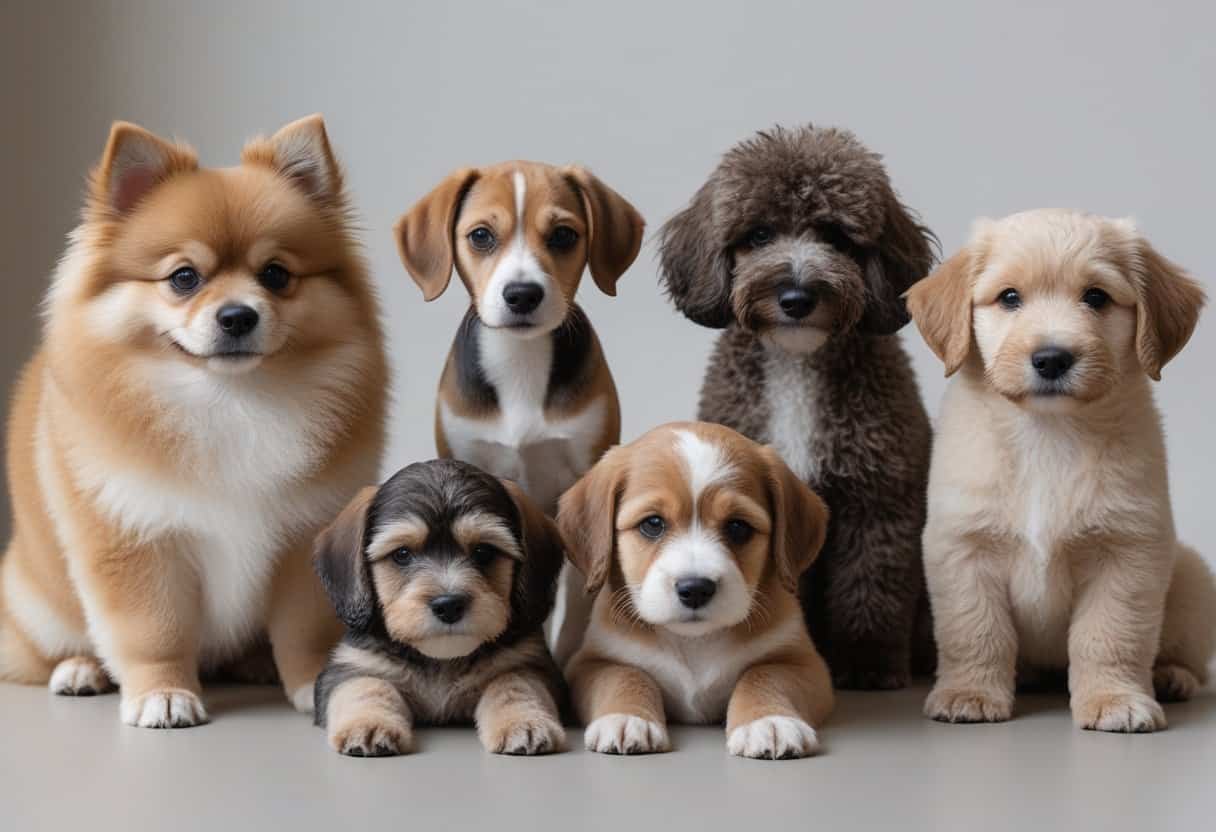
Puppy breeds have different grooming needs based on coat type, shedding, and skin sensitivity. Some need just basic care, while others require frequent brushing, professional trims, or special attention for allergies.
Low Maintenance Breeds
Low maintenance puppies usually have short or smooth coats. Breeds like Beagles, Boxers, and some Terriers fit this group.
Their hair lies flat and doesn’t tangle much. You might only need to brush them once a week to remove loose hair and keep their coat shiny.
Bathing is only needed every few months—unless your puppy finds something gross outside, which, let’s face it, they probably will. Nail trims, ear checks, and dental care matter for every breed.
These simple steps help prevent health problems and keep grooming easy. If you want more info, here’s a guide to dog coat types.
High Maintenance Puppies
High maintenance breeds have long, thick, curly, or double coats and need regular grooming. Shih Tzus, Maltese, and Sheepdogs are classic examples.
These puppies need brushing several times a week, sometimes every day, to stop mats and tangles. Trips to a professional groomer are often part of the deal.
Some breeds with thick undercoats need special tools like a slicker brush or stripping comb to handle shedding. Owners should check the skin under thick coats, since tangles can cause irritation or infection if ignored.
There’s a lot to know—this guide on dog coat types might help if you’re feeling lost.
Hypoallergenic Puppy Breeds
Hypoallergenic breeds work well for people with allergies to pet dander. They shed less and make less dander, which can help with allergies.
Popular hypoallergenic puppies include the Poodle, Bichon Frise, Maltipoo, Labradoodle, Goldendoodle, Cockapoo, Schnoodle, and Havachon. These breeds usually have curly or wavy coats that trap fur and dander, but they do need regular grooming to stay healthy.
No dog is completely allergy-free, though. Regular brushing and grooming control shedding and keep coats in good shape.
If you want to know more about caring for these breeds, check out this overview on coat care for hypoallergenic puppies.
Energy Levels and Exercise Requirements

Puppies have different energy levels and exercise needs, mostly depending on their breed. Some are born to work and need lots of movement, while others are happy with play and short walks.
Active Working Breeds
Active working breeds like Border Collies, Australian Shepherds, and Dalmatians have tons of energy. These dogs were bred for jobs like herding or running for hours, so they need plenty of exercise.
They usually need at least one to two hours of activity each day, sometimes more. That might sound like a lot, but these breeds thrive on it.
A good routine for them includes brisk walks, running, and mental challenges like agility games. Without enough stimulation, they can get bored or develop bad habits.
A Border Collie or Aussie might even try to herd your kids or chase cars when bored. Dalmatians and Boxers love fetch, tug, and interactive toys.
Sporting and herding breeds may need several hours of exercise to stay healthy and happy. Mixing up activities helps burn off their extra energy.
Playful and Moderate Activity Puppies
Some breeds have moderate energy and are satisfied with playful sessions or steady walks. Bernese Mountain Dogs, Pembroke Welsh Corgis, and lots of mixed-breed puppies fit here.
They enjoy games, but don’t need extreme workouts. About 30 to 60 minutes of activity a day usually does the trick.
Short walks, gentle fetch, and puzzle toys keep them happy. Corgis especially love herding-style games and might enjoy learning tricks if training is fun.
Here’s a quick chart for moderate breeds’ activity:
| Breed | Daily Exercise (Minutes) |
|---|---|
| Bernese Mountain Dog | 30-60 |
| Pembroke Welsh Corgi | 45-60 |
Even dogs with moderate needs benefit from physical play and brain games. Just watch for signs of tiredness—puppies can overdo it if you’re not careful.
Unique and Designer Puppy Breeds
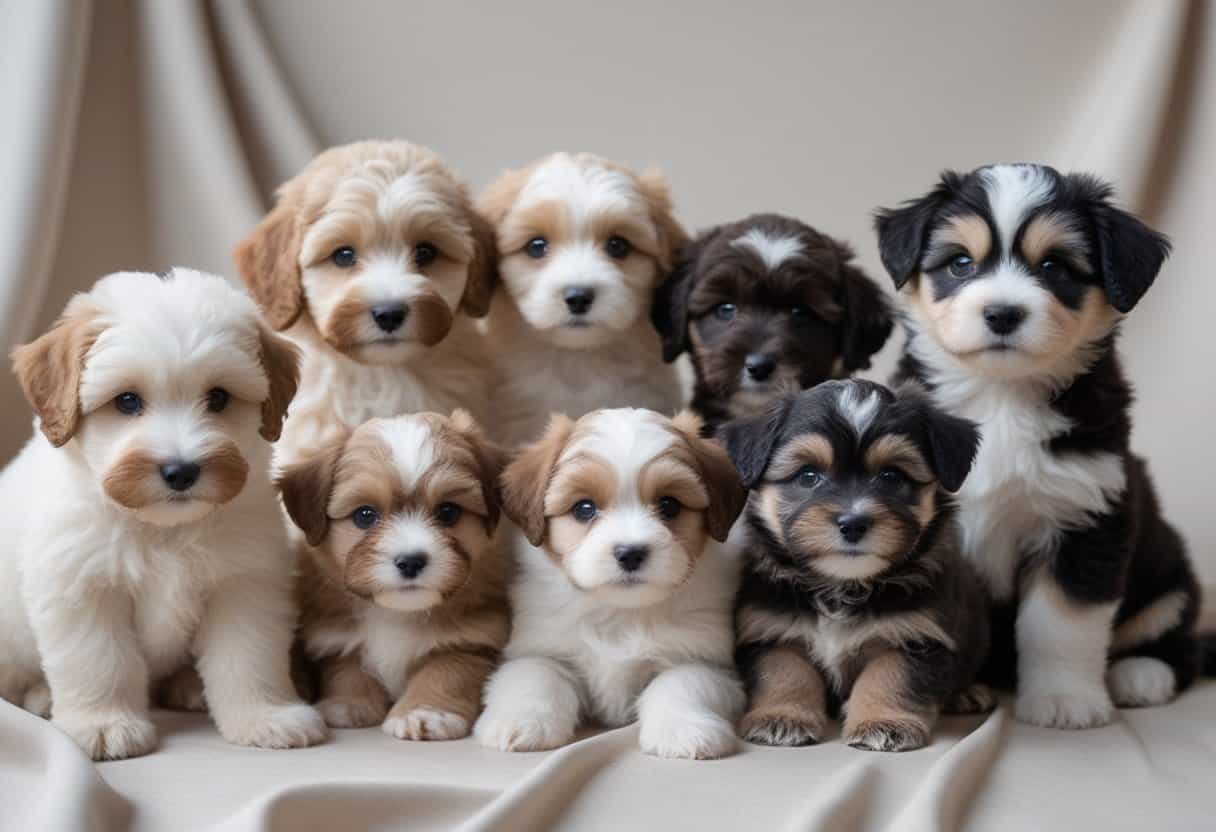
Designer puppy breeds come from crossing two purebred dogs to blend their traits. This mix-and-match approach has led to all kinds of unique dogs with new looks, personalities, and sizes.
Popular Hybrid Puppies
Some of the most famous designer puppies are the Labradoodle, Goldendoodle, and Cockapoo. Labradoodles combine the Labrador Retriever and Poodle, often making a low-shedding, friendly pet.
Goldendoodles mix the Golden Retriever and Poodle, which usually means a smart, gentle, family-friendly dog. Cockapoos, one of the first hybrids, pair a Cocker Spaniel and Poodle and are loved for their affectionate nature and trainability.
Other popular mixes like the Cavapoo (Cavalier King Charles Spaniel x Poodle), Maltipoo (Maltese x Poodle), and Cavachon (Cavalier King Charles Spaniel x Bichon Frise) are chosen for their cute looks and adaptability. The Puggle, a mix of Pug and Beagle, brings together a playful attitude and a compact size.
If you want to see more, check this list of popular designer dog breeds for all sorts of styles and personalities.
Emerging Cross-Breeds
Newer designer breeds are popping up all the time. The Bernedoodle, a mix of Bernese Mountain Dog and Poodle, is known for its gentle temperament and striking looks.
The Pomsky (Pomeranian x Siberian Husky) stands out for its small size and big personality. Corgipoo (Corgi x Poodle) and Sheepadoodle (Old English Sheepdog x Poodle) both offer low-shedding coats and friendly attitudes.
Frenchtons, a cross between French Bulldog and Boston Terrier, are loved for their compact size and affectionate behavior. There’s a growing list of emerging designer dog breeds gaining popularity in 2026—there’s always something new for families who want a unique puppy.
Breed-Specific Puppy Spotlight

Puppies come with unique needs and personalities, depending on their breed. Physical features, energy, and care requirements can be wildly different.
Knowing these differences makes it much easier to find a puppy that fits your family’s lifestyle. It’s not just about looks—temperament and daily needs matter a lot.
Labrador Retriever Puppies
Labrador Retriever puppies are famous for their friendly, easygoing personality. They’re medium to large, sturdy, and have soft, short hair that’s nice to pet.
Labs adore playing, fetching, and swimming. They need daily exercise to stay healthy and avoid boredom.
Labs are eager to please, so training usually goes smoothly. They often become loyal companions and fit right into family life.
Early socialization and training help keep bad habits at bay. Labs tend to be gentle with children, which is a big plus for families.
Routine brushing keeps their coat clean. Since Labs shed, regular grooming is a must.
Labs are prone to hip dysplasia and obesity, so owners need to watch their diet and make sure they get enough activity.
French Bulldog Puppies
French Bulldog puppies are small and muscular, with a short nose and those signature bat-like ears. They’re calm but playful, and they usually form strong bonds with their people.
Frenchies fit well in apartments because they don’t need a ton of exercise. They’re pretty quiet too—not big barkers.
French Bulldogs can be stubborn, but patience and positive reinforcement usually win them over. Socialization matters to prevent shyness or defensiveness.
Their short coat is easy to care for with light brushing. Because of their flat faces, Frenchies can have breathing problems, so avoid heavy exercise and high heat.
Regular checkups help catch issues like skin allergies or joint problems. They’re cute, but they do need a little extra care.
Cocker Spaniel Puppies
Cocker Spaniel puppies are known for being friendly, gentle, and super affectionate. Their long, wavy ears and big eyes are hard to resist.
Cockers love being around people and are great with kids. They need daily activity—short walks and gentle play go a long way.
Their long coat needs regular brushing to avoid mats and tangles. A trip to the groomer every few months keeps their hair healthy.
Cockers can be sensitive, so gentle, positive training works best. They’re not the best fit for harsh discipline.
Their floppy ears make them prone to ear infections, so regular checks and cleaning are important. Balanced meals and regular vet visits help keep them healthy.
Siberian Husky Puppies
Siberian Husky puppies have those striking blue or multicolored eyes and bold markings. They’re energetic, curious, and always up for socializing.
Huskies have a thick double coat built for cold climates. Daily exercise is a must—they’re happiest when running, playing, or even digging.
Huskies need space, so they do best in homes with big yards. They’re strong-willed, so patient, consistent training is key.
Owners should expect a lot of shedding, especially during seasonal changes. Regular brushing helps keep fur under control.
Huskies are usually healthy but can inherit issues like hip problems or eye disorders. They’re escape artists, so a secure fence is a must.
Learn more about breeds like Pug, Shih Tzu, Yorkshire Terrier, German Shepherd, Pomeranian, and Boston Terrier through complete puppy breed guides.
Choosing the Right Puppy Breed
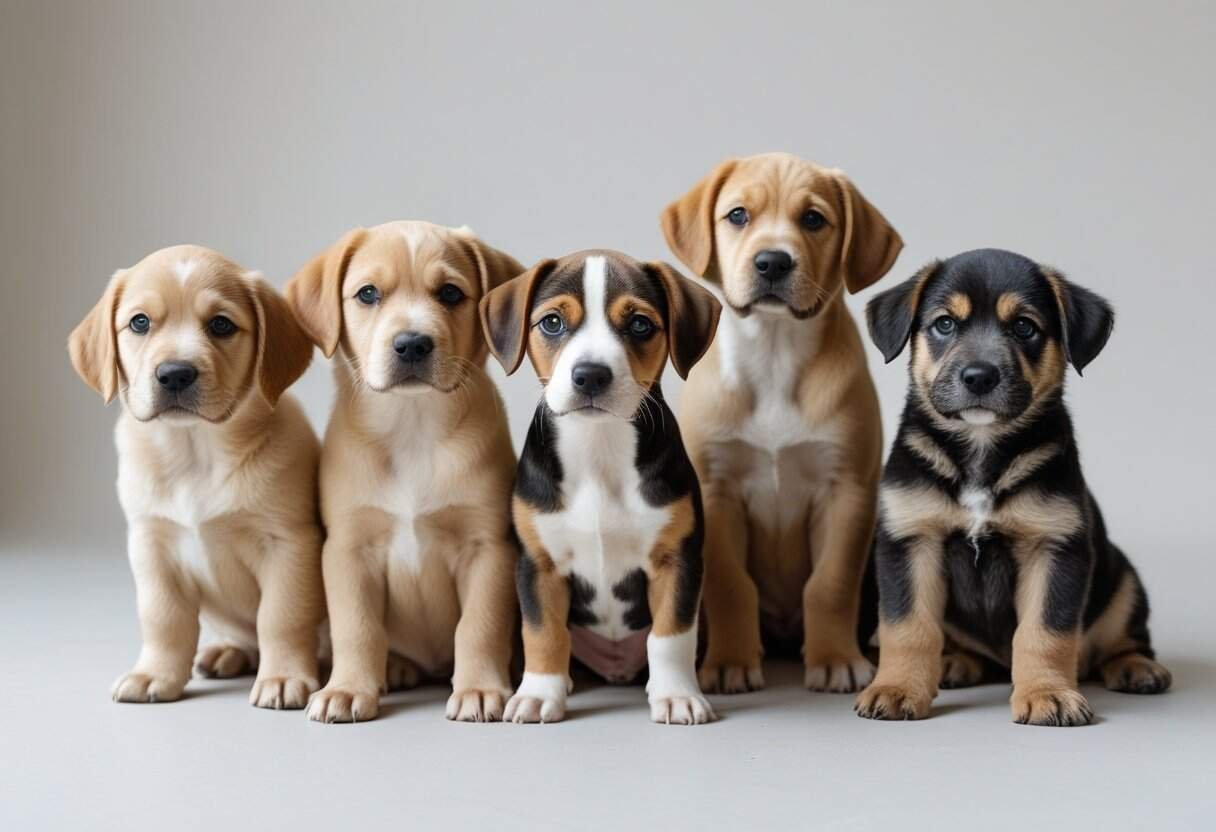
Picking a puppy breed is a big deal—it shapes your daily life and future plans. Think about the dog’s energy, coat type, space needs, and temperament before you decide.
Matching Breed to Lifestyle
Every breed has unique characteristics that make it a better match for certain people. If you’re active, breeds like Border Collies or Labs need lots of exercise and mental stimulation.
If you want a quieter home, smaller or calmer breeds like Cavaliers or Bulldogs are happy with short walks and lots of cuddles. Apartment dwellers should look for breeds that adapt to small spaces, like French Bulldogs or Dachshunds.
Busy folks might prefer breeds with lower grooming and exercise needs, such as Basset Hounds or Whippets. Large, fluffy breeds shed more and need extra brushing.
Some breeds, like Huskies or Australian Shepherds, are best for owners with a yard and time for training. If you’re unsure, try an online breed selector tool to narrow things down.
Considerations for First-Time Owners
First-time dog owners usually do best with breeds that are easy to train and manage. Golden Retrievers, Poodles, and Beagles are friendly and eager to learn.
These dogs make the transition into dog ownership smoother. Breeds with more independence or stubbornness, like Shiba Inus or some terriers, can be tough for beginners.
Research breed-specific needs—socialization, grooming, medical care—before you commit. Long-haired breeds need more grooming, and large breeds need training to handle their size.
First-time owners should check if the breed is generally healthy or prone to genetic conditions. Connecting with breed-specific groups and using sites like Purina’s breed selector tool can help you feel more confident before you bring a puppy home.
Frequently Asked Questions

Choosing a puppy breed means thinking about size, personality, and energy level. Some breeds suit certain homes better, while others have unique quirks that make them special.
What are some popular small breed puppies suitable for families?
Families often pick small breed puppies like Cavalier King Charles Spaniels, French Bulldogs, or Beagles. These breeds are friendly and pretty adaptable.
Chihuahuas and Pugs are also favorites, especially for apartment living. Each breed brings something different to the table.
How do you determine the best puppy breed for your lifestyle?
Think about your daily routine and how active you are. Some dogs, like Border Collies and Australian Shepherds, need lots of exercise.
Others, like Basset Hounds, are more laid-back. Consider how much grooming and training you can handle.
Matching a puppy’s needs to your habits sets you up for a better experience. It’s worth taking your time with this decision.
What are some rare but rewarding dog breeds to own as puppies?
Some rare breeds, like the Norwegian Lundehund or Azawakh, have unique qualities. They’re not well known, but with research, they can be amazing companions.
The Finnish Lapphund or Thai Ridgeback are also less common but can make loving pets for the right owner.
Can you list medium-sized breeds that are ideal for first-time puppy owners?
Labrador Retrievers, Cocker Spaniels, and Whippets are all good picks for new owners. These breeds are friendly and usually easy to train.
Other solid options include Shetland Sheepdogs and Bulldogs. They tend to have calm tempers and respond well to basic training.
What are the considerations when choosing a puppy from a breeder?
When you’re talking to breeders, always ask about health testing. Good breeders will show vaccination records and let you see where the puppies live.
Ask about the puppy’s parents, their health, and temperament. Avoid breeders who dodge questions or won’t let you meet the puppies.
You can find more new puppy questions at the American Kennel Club’s expert advice.
Where can I find a comprehensive guide to dog breeds, including photos?
If you’re hunting for a solid, photo-rich breed guide, check out the Vetic ultimate list of dog breed FAQs. It’s packed with breed descriptions, images, and quirky facts—pretty handy when you’re trying to pick the right pup or just want to learn more.
{
“@context”: “https://schema.org”,
“@type”: “BlogPosting”,
“headline”: “Poodle Puppy Breed Guide – Choosing the Right Size”,
“url”: “https://poodlesforadoption.com/puppy-dog-breeds/”,
“datePublished”: “2026-03-22T06:43:32Z”,
“dateModified”: “2026-03-22T06:43:32Z”,
“author”: {
“@type”: “Person”,
“name”: “J.W.”,
“url”: “https://poodlesforadoption.com/author/jwauthor/”
},
“publisher”: {
“@type”: “Organization”,
“name”: “Poodles For Adoption”,
“url”: “https://poodlesforadoption.com”
}
}
Related Posts
- The Importance of Mental Stimulation for Your Poodle: Keeping Your Pet Happy and Healthy
Poodle Personality
Mini Poodles: The cutest dogs ever!- Characteristics of Poodle: A Comprehensive Guide

Poodle Adoption Process: Essential Tips for a Successful Journey- Standard Poodle Tail: Appearance, Care, and Health Considerations
Essential Tips for Rescuing and Caring for a Poodle Toy- White Chihuahua Poodle Mix: Characteristics and Care Tips