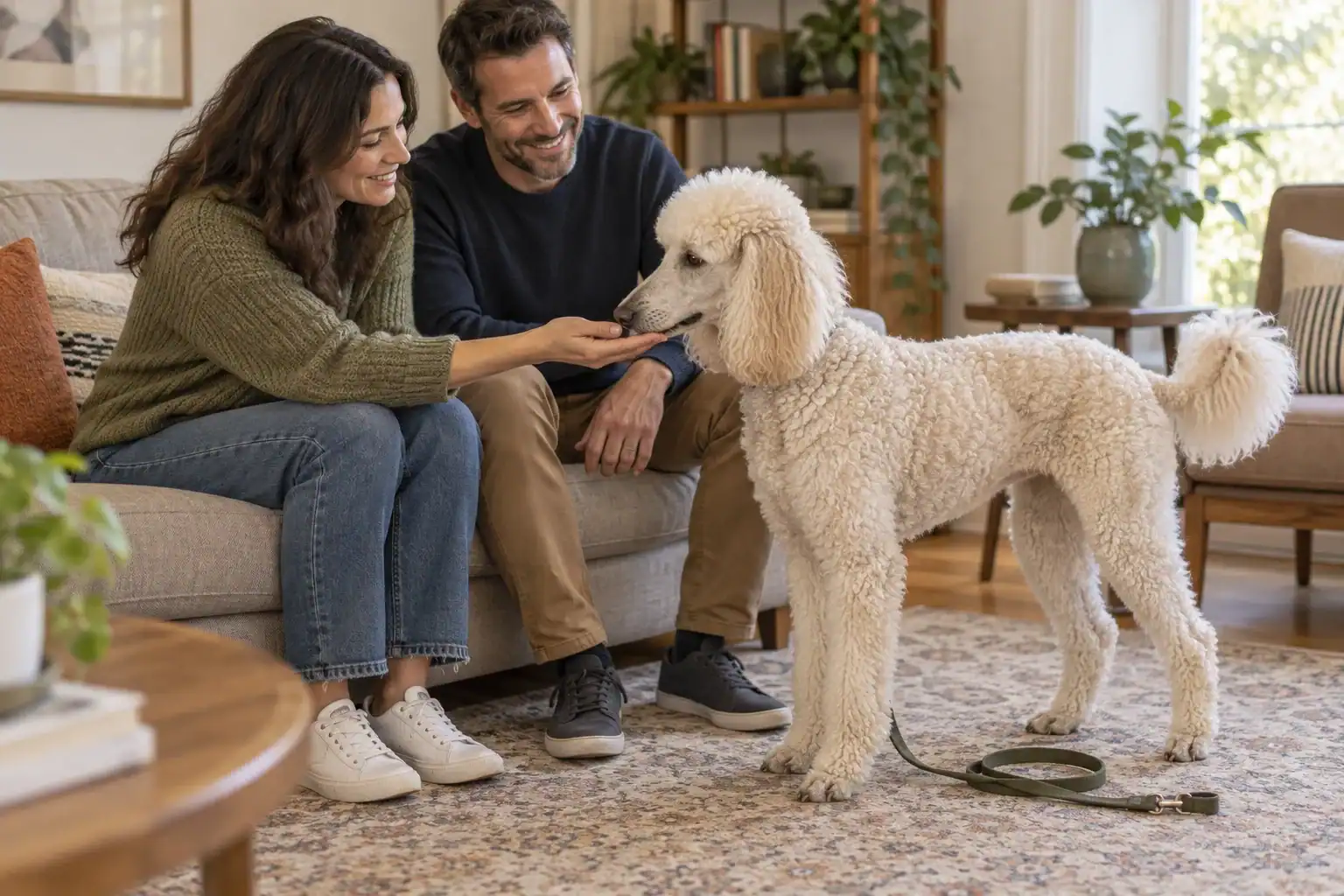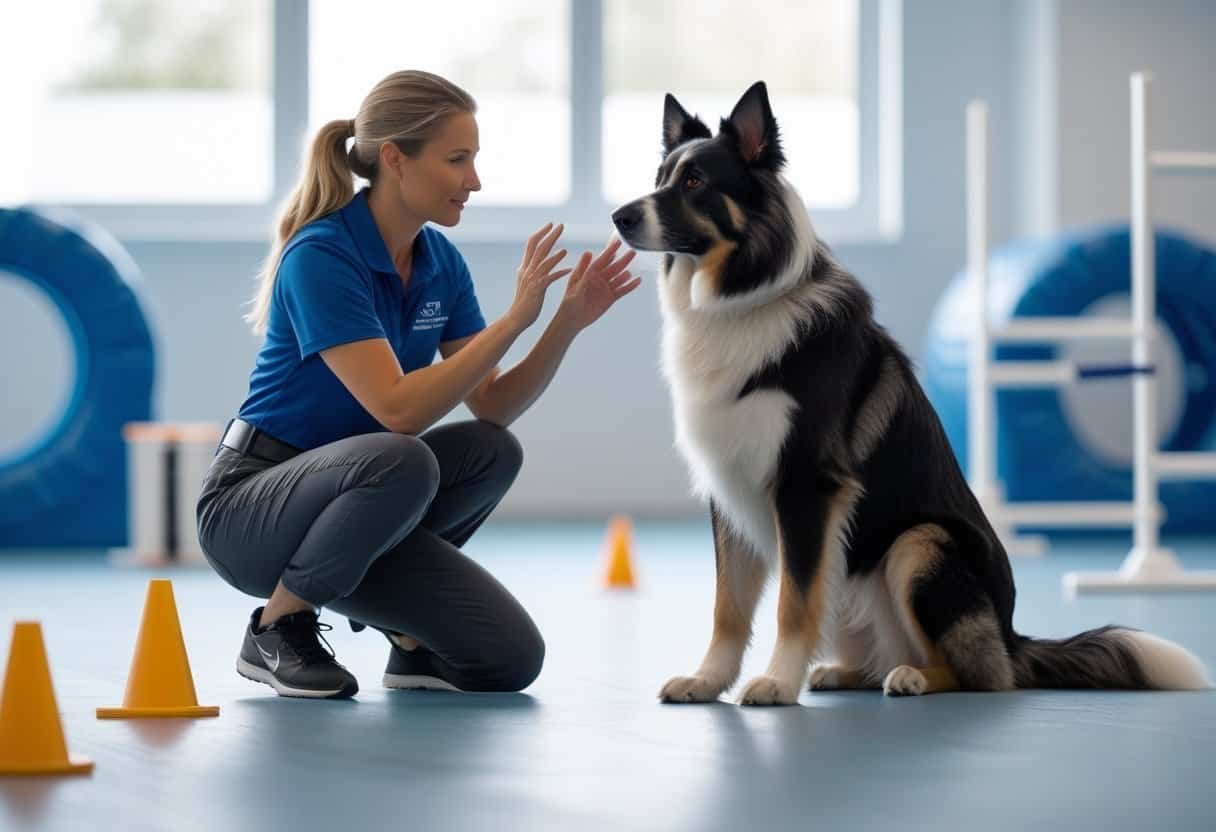
Understanding Intelligent Canine Behavior
Dog intelligence shows up in the way dogs learn, solve problems, and handle new situations. You’ll notice it when a dog follows commands, reads human emotions, or makes choices in unfamiliar places.
Defining Canine Intelligence
Canine intelligence isn’t just about following orders. It covers a bunch of mental skills.
Adaptive intelligence means learning from experience and figuring out daily problems. Working intelligence is how well a dog understands and follows instructions. Social intelligence is about reading human body language and tone. Some dogs shine in one area, while others seem to have it all.
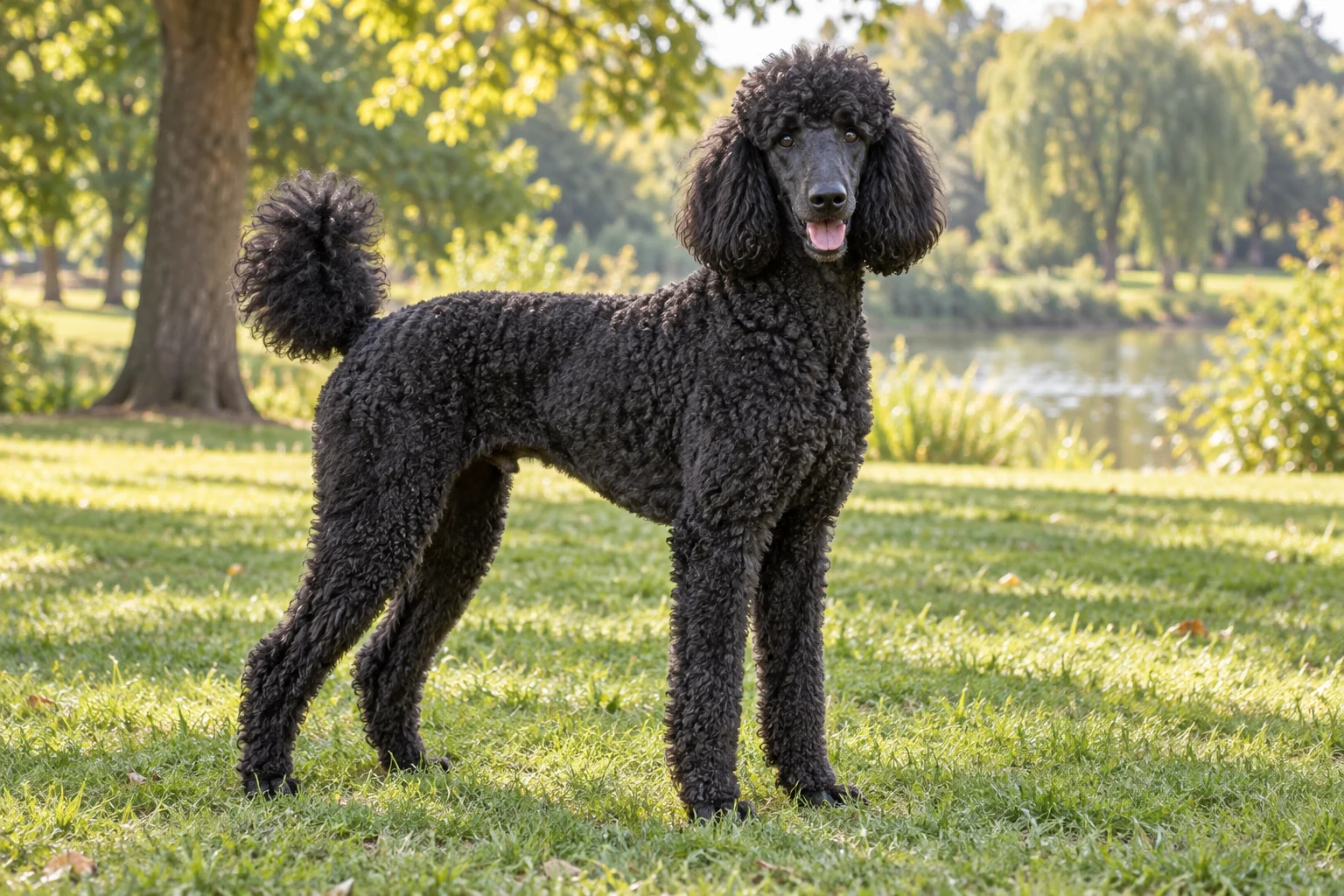
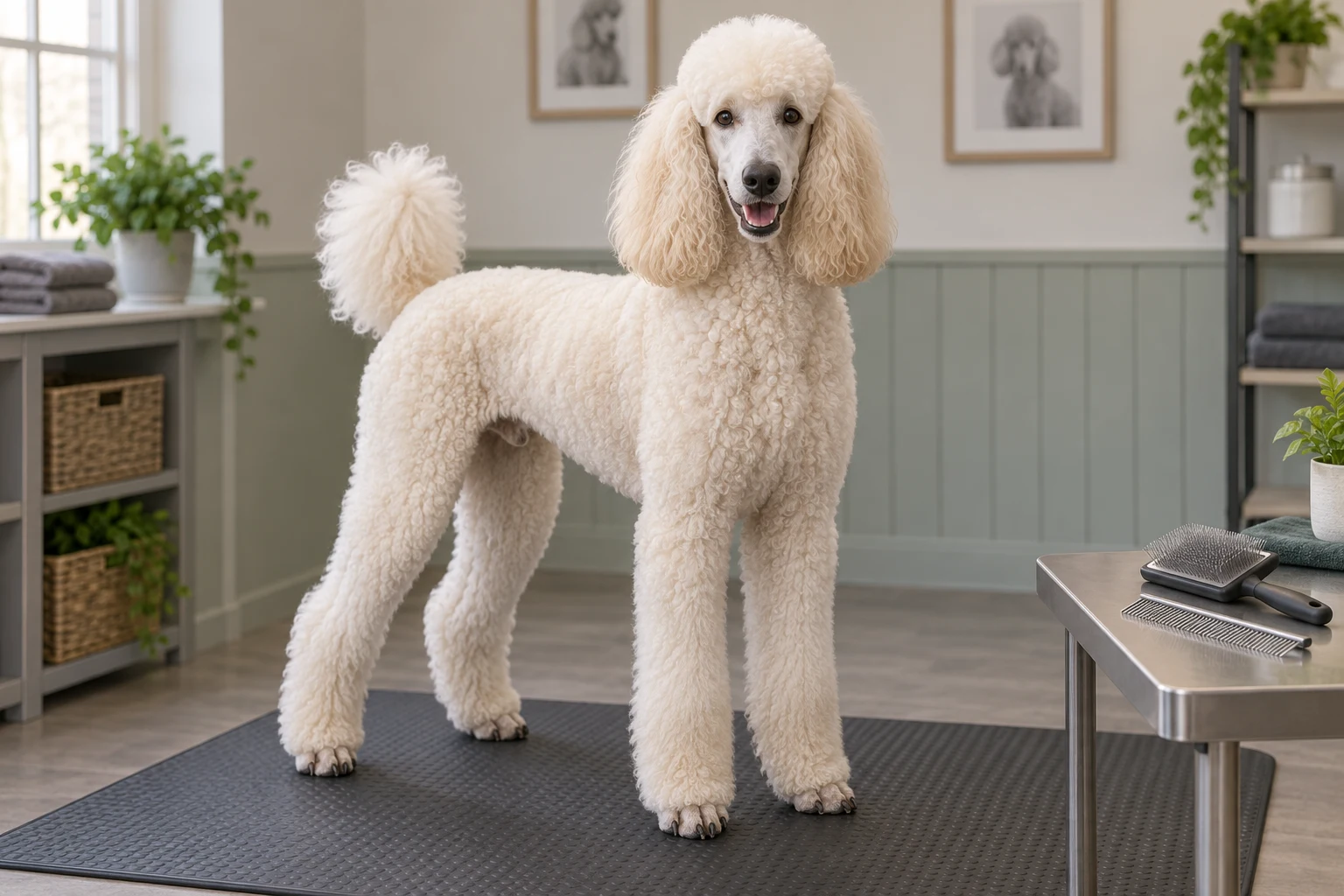
Experts look at memory, attention, and communication when they measure dog smarts. Smart dogs pick up new commands fast—sometimes after just a few tries. Breeds like Border Collies and Poodles often top the charts because they learn and respond so well. If you want a deep dive into the details, check out the Canine Intelligence Guide.
Cognitive Abilities in Dogs
Intelligent dogs show a whole range of cognitive skills. They remember names for objects, understand signs, and make choices based on what’s happened before. Some even recognize pictures or simple symbols.
Cognitive skills help dogs notice routines and signals in their world. They adapt when things change, finding new ways to snag treats or avoid trouble. Dogs thrive when they get mental stimulation.
Puzzles, games, and training keep their minds busy. Studies on canine intelligence show that dogs learn a lot by watching and are pretty good at picking up human cues. Emotional and social smarts also shape how dogs react in different situations—there’s more about that in this research on social and emotional intelligence in dogs.
Problem Solving and Adaptability
Problem solving is a huge sign of canine intelligence. Dogs will try different things to overcome obstacles or learn new tricks.
When a dog faces a challenge, it might try several ways before getting it right. Adaptability is another big one—it’s all about adjusting when routines or environments shift.
Smart dogs often show curiosity and independence when they explore. They notice changes quickly, whether it’s a new piece of furniture or a shift in their person’s mood.
Dogs that adapt easily usually aren’t too stressed in new situations. They handle travel, visitors, and changes at home without much fuss. Some breeds really stand out here, thanks to their knack for problem-solving and quick thinking—there’s more on that in these studies on problem-solving and adaptability in dogs.
Benefits of Intelligent Canines
Intelligent dogs make a real impact on daily life. They learn fast, remember tasks, and solve problems—helping people in all sorts of ways.
Roles in Human Society
Intelligent canines play key roles in service work. They guide people who are blind. Some help those who are deaf. Others can detect seizures or alert people with diabetes when their blood sugar drops.
Police and military teams rely on these dogs, too. They track missing people, sniff out illegal substances, and help with search and rescue. Their sharp noses and ability to follow directions make them perfect for the job.
Therapy dogs bring comfort in hospitals and nursing homes. They pick up on human emotions and lower stress for everyone around them. At home, smart dogs can warn owners about dangers like fires or break-ins. Want to know more? Check out Dog Smart: The Science and Secrets of Canine Intelligence.
Advantages in Training
Smart dogs pick up new commands and routines with ease. This helps them fit into all kinds of lifestyles and homes.
They remember what they learn for a long time, which makes them reliable. Trainers can teach these breeds more advanced behaviors, too.
Many learn tricky tricks, compete in sports like agility, or work in obedience contests. Because they learn so fast, you spend less time on the basics.
Here’s a quick look at the benefits:
| Benefit | Impact |
|---|---|
| Quick learning | Faster adaptation to family routines |
| Good memory | Retain commands for longer periods |
| Problem-solving | Able to adapt when situations change |
| Task performance | Suitable for jobs needing precise actions |
Intelligent dogs need mental challenges. Owners who give them puzzles and mix up activities often see better behavior and stronger bonds. If you’re curious about what makes a dog smart, there’s a lot more to explore.
Effective Canine Training Methods
Training smart dogs means picking methods that help them understand, follow, and stick with good behaviors. The right approach builds trust and helps dogs feel confident in new situations.
Positive Reinforcement Techniques
Positive reinforcement is all about rewarding dogs when they get it right. Treats, praise, or playtime all count.
The trick is to reward them right after the good behavior, so they make the connection. This method encourages dogs to repeat what works—like sitting or coming when called.
Positive reinforcement skips force, making training less stressful for everyone. It works especially well with smart breeds who quickly pick up on clear signals and rewards.
Lots of trainers and pet owners use positive reinforcement at home and in classes. Consistency matters. Some folks use charts or checklists to track progress and keep things on course.
Socialization Practices
Socialization means getting dogs used to different people, animals, places, and situations early on. This helps them grow up confident and less fearful.
It usually starts in puppyhood and continues as they get older. Well-socialized dogs are less likely to act out or get scared, according to the ASPCA Dog Care.
Activities might include park visits, meeting friendly dogs, or short strolls in busy spots. These experiences help dogs figure out how to behave in different settings.
Effective socialization and bite inhibition set the stage for a well-rounded dog. Some training services offer socialization classes, group walks, or controlled meetups. Good experiences during socialization make future learning and behavior way easier.
Day Training Options for Intelligent Canines
Day training programs mix focused lessons and mental challenges with hands-on help from pro trainers. Dogs learn new skills during the day and go home at night.
Typical Day Training Programs
Day training programs have structured lessons led by experienced trainers. Dogs arrive in the morning and spend the day learning advanced obedience, practicing impulse control, and doing mental exercises.
Many programs offer one-on-one attention. Trainers adjust exercises to fit each dog’s smarts, skill level, and personality.
Highly intelligent breeds might get puzzles or problem-solving games along with basic commands. Dogs also get social time with other dogs under supervision, which builds manners and confidence.
Owners often get daily updates and homework to practice. Some places, like Instinct and Intelligence Canine Training, let dogs go home at night—so there’s no stress from overnight stays, but you still get expert help. Here are more day training program details.
Scheduling and Training Hours
Day training usually lines up with regular work hours, which is pretty handy. Drop-off might start around 7 or 8 a.m., and pick-up is usually between 4 and 6 p.m.
Some trainers offer flexible or half-day options for young dogs or those with special needs. The daily schedule mixes short training sessions with play and rest, so dogs don’t get bored or overwhelmed.
Owners can pick weekly or multi-week packages, depending on training goals and the dog’s abilities. Sticking to a routine helps smart dogs soak up new info and feel at ease in the program.
Private Sessions for Canine Development
Private sessions give dogs and owners focused attention and flexible learning. These sessions tackle specific needs and can speed up progress with clear guidance.
Customizing Training Plans
Private training lets trainers create plans that fit each dog’s behavior, age, and learning style. Some dogs need help with social skills, while others work on basics or more complex stuff.
Trainers adjust the plan as the dog improves or if new challenges pop up. Owners can talk about their concerns and set personal goals.
If a dog gets anxious meeting new people, the trainer can build steps to help the dog feel safer in those moments. At Intelligent K9 Training, private lessons focus on each dog’s unique needs, from custom obedience to behavior consults. This tailored approach just works better for the dog and family.
One-on-One Instruction Advantages
One-on-one sessions mean no outside distractions, so both dog and owner can focus. The trainer watches the dog’s reactions closely and gives instant feedback, which makes learning smoother and less stressful.
Dogs often make faster progress in private lessons since they aren’t competing for attention. Owners get to practice new skills with real guidance, which builds confidence at home and in public.
Instinct Dog Training points out that frequent communication between trainer and owner is a big plus in private coaching. Trainers answer questions and help fix issues between sessions, which leads to better results and a better experience for everyone.
Group Classes and Social Learning
Group classes give dogs a real shot at practicing social skills. They also help dogs learn cooperation and pick up cues by watching others.
These group settings let owners see how their dogs react to different situations. Honestly, it just makes training way more fun for everyone.
Group Dynamics in Training
In a group class, dogs interact with trainers, other dogs, and fellow owners. This setup lets them practice reading body language and vocal signals.
When they run into different personalities and energy levels, dogs pick up the right reactions and boundaries pretty quickly. A shy pup might gain confidence by watching a friendly dog, while a hyper dog could learn to chill out around calmer friends.
Social learning from both humans and other dogs shapes behavior, even in puppies. It’s kind of amazing how much they pick up just by observing.
Dogs get a bunch of other perks in group classes:
- They face distractions, so commands get more reliable.
- There’s structured play and controlled greetings.
- Owners and trainers swap feedback and tips.
Skill Building in Class Settings
Skills practiced in group sessions tend to stick better in real life. Dogs get used to all kinds of noises and movements, which helps them generalize commands.
Learning around other dogs brings extra excitement and pressure, just like what they’ll face out in the world. Tasks like sit, stay, recall, and leash walking become more solid when dogs practice with distractions.
Classes often include games or teamwork exercises where dogs have to wait their turn and focus on their handler. That’s real impulse control right there.
Joining group dog training pushes owners to practice consistently and spot their own training challenges.
Table: Common Skills Practiced in Group Classes
| Skill | Benefit |
|---|---|
| Sit/Stay | Builds focus and patience |
| Recall | Strengthens responsiveness |
| Leash Manners | Improves control in company |
| Social Greetings | Teaches polite introductions |
Virtual Orientation in Modern Canine Training
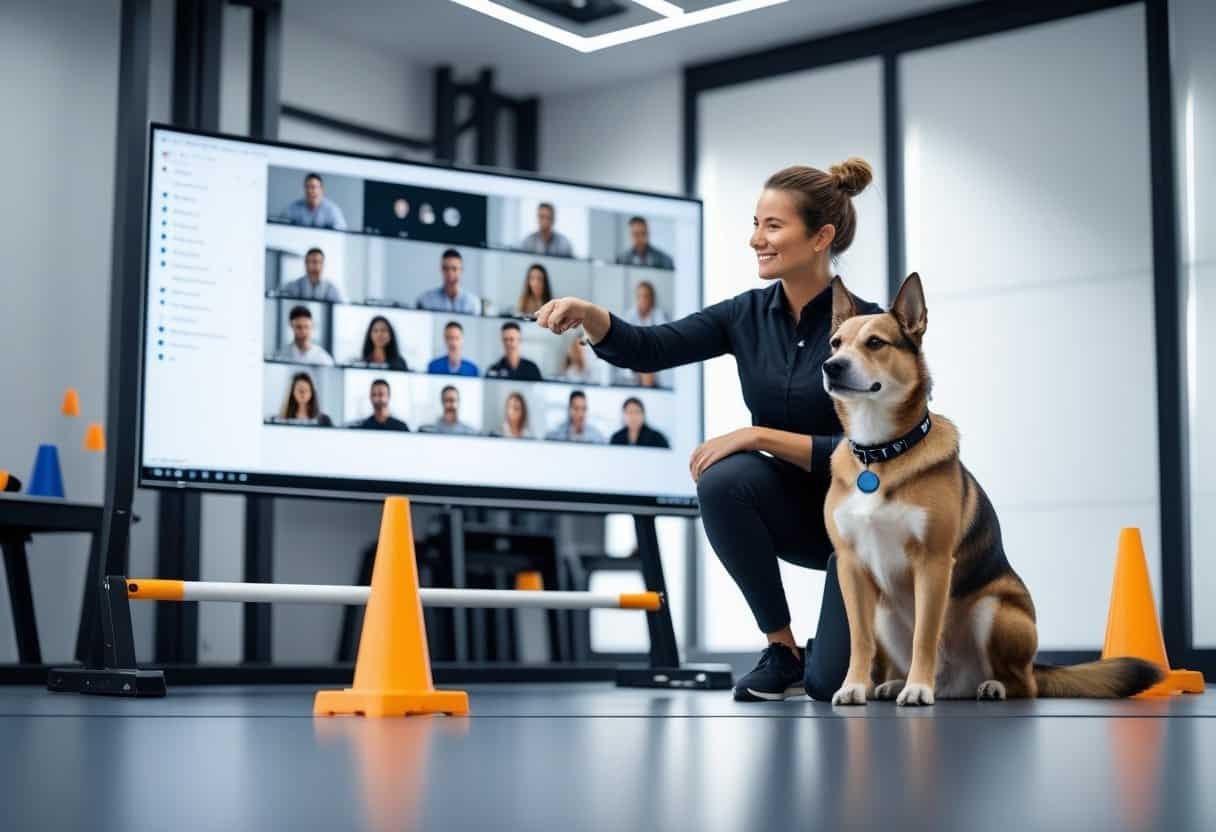
Virtual orientation lets owners kick off dog training from home. It uses online resources that are easy to access.
This approach brings information and guidance before anyone even steps into a training center. Technology really makes things easier these days.
Remote Training Opportunities
Dog trainers now offer virtual orientation for both puppies and adult dogs. These sessions usually cover program details, basic commands, and what supplies to have ready.
Pet owners can watch video presentations or join live group sessions from their living room. It’s pretty convenient.
Virtual orientation opens up training to more people. Folks can learn at their own pace and revisit key topics whenever they want.
If someone’s got a packed schedule or lives far from a training center, this is a game-changer. Some programs, like Intelligent Canine, even break down orientation by dog age.
Submitting paperwork, like vaccination records, is often done online now. That really streamlines the process.
Benefits of Remote Orientation:
- Flexible scheduling
- Less travel
- Personalized resources
- Access to expert trainers
Integrating Technology with Training
Modern dog training blends classic methods with digital tools. Trainers share recorded lessons, interactive quizzes, or live video support to help owners get the hang of things.
People can reinforce skills outside of class, which helps a lot. Platforms use cloud storage for files and records, so owners can track their dog’s progress online.
Weekly reminders, step-by-step videos, or feedback on submitted training clips are pretty common. The rise of virtual reality and digital tools in dog training shows how technology fills gaps when in-person help isn’t possible.
Owners everywhere can now follow consistent, easy-to-understand programs.
Outdoor Events for Skill Enhancement
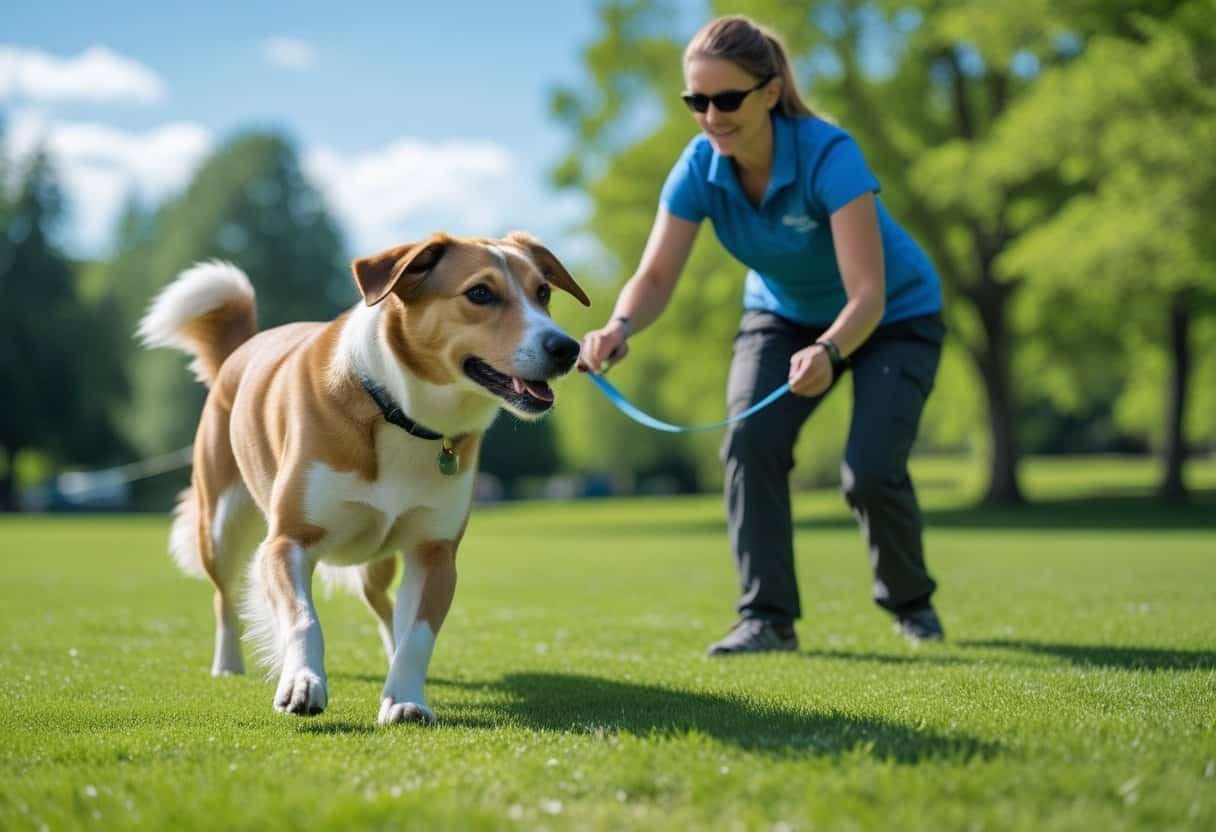
Outdoor events give dogs a chance to build skills and confidence. They also help dogs handle real-world distractions.
These activities mix exercise, mental challenges, and bonding time in new environments. Nothing like a good park session, right?
Canine Sports and Activities
Canine sports aren’t just about running around. They offer physical benefits and teach important lessons.
Agility, hoopers, and flyball are all popular. Dogs learn to follow commands, solve problems, and work with their handlers as a team.
Places like some training centers offer agility classes or games for different breeds and personalities. Activities like sled dog runs, group fetch, and relay races get dogs moving and thinking.
Structured play boosts focus, self-control, and trust. Group events also give shy or energetic dogs a safe place to learn cooperation.
These sports can help with boredom or behavior issues by keeping dogs busy and engaged. For more ideas, check out enrichment activities for dogs.
Public Behavior Training
Public settings throw all sorts of distractions at dogs—people, animals, weird noises. Outdoor training helps dogs stay calm and responsive during walks or park visits.
Trainers often set up real-life situations to practice loose-leash walking, polite greetings, and safe street crossings. Role-play exercises, short strolls, and recall practice all help dogs handle unpredictable stuff.
Owners usually need to bring up-to-date vaccination records to these events, just like at Intelligent Canine.
These sessions help reduce stress and prevent problem behaviors outside. Dogs who master this are just easier to handle in public.
Boarding Training: Immersive Experience
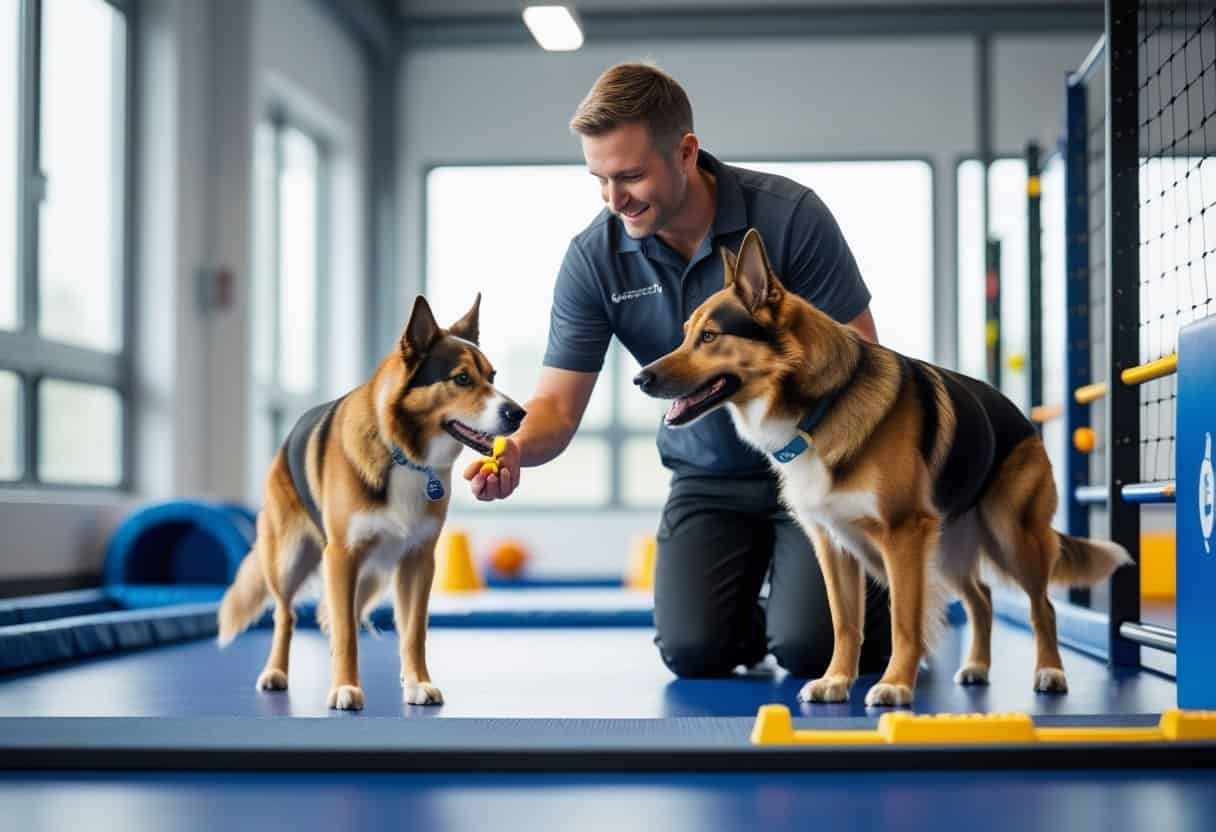
Boarding training gives dogs a chance to learn and adapt in a controlled setting. Trainers guide daily routines, skill development, and behavior improvement.
Structure of Boarding Programs
In boarding training, dogs stay at a trainer’s home or facility for a set time. Each day follows a routine with exercise, obedience lessons, social time, and rest.
This structure helps dogs learn quickly and respond better to commands. Trainers work hands-on with each dog every day.
Dogs practice basic cues, leash manners, and get help with unwanted behaviors like jumping or pulling. Some days include group activities, others focus on one-on-one attention.
Activities build confidence and good habits. A health check is usually needed before starting, and owners bring current vaccination records, as Intelligent Canine lists.
Clean, safe environments keep dogs healthy during their stay.
Assessment of Progress
Trainers track progress using different methods. They watch how dogs respond to commands, adapt to routines, and interact with others.
Written notes or daily logs highlight improvements or challenges. Owners get frequent feedback—photos, progress reports, sometimes videos.
Trainers talk through any setbacks and explain how to keep training going at home. This keeps owners in the loop.
Some places, like Intelligent Canine, offer follow-up support—private sessions or group classes. That way, progress sticks.
Detailed assessments help trainers tweak the plan if needed.
Health and Safety in Canine Training
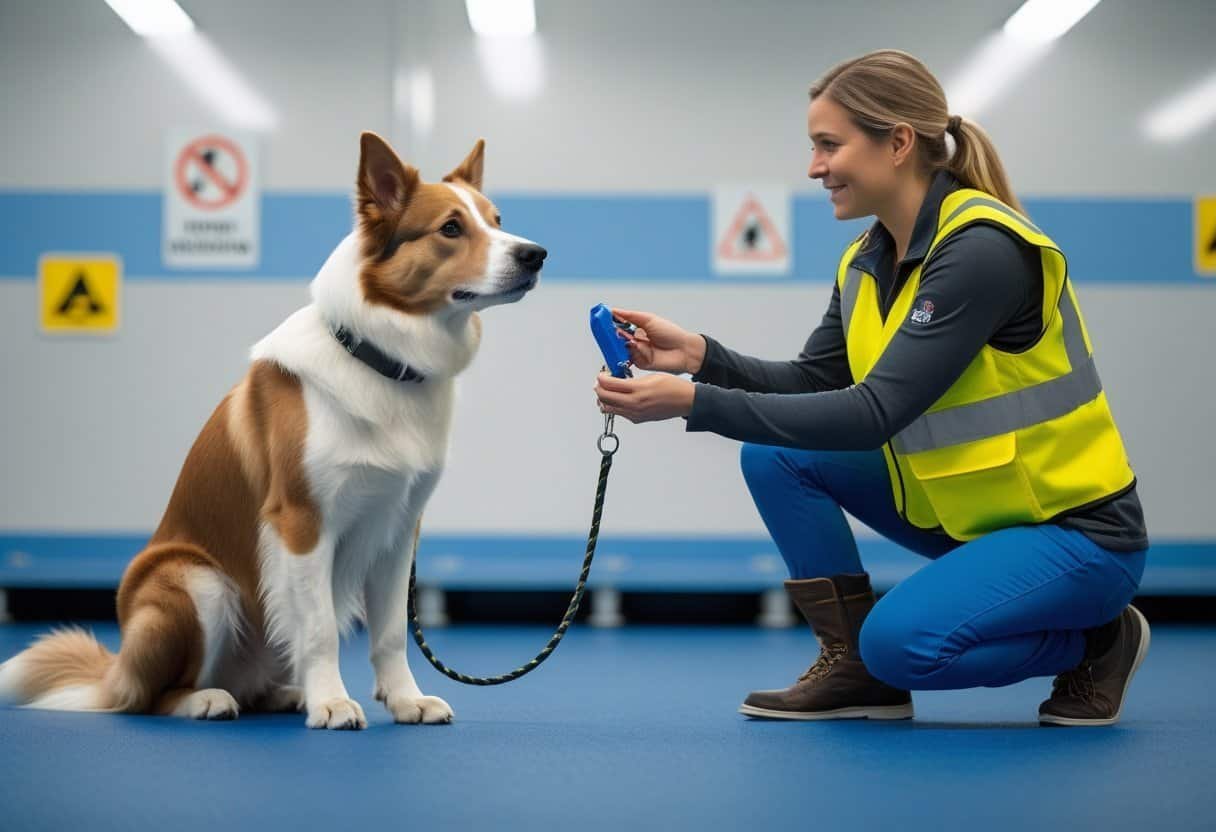
Health and safety are at the heart of any dog training program. Dogs do best when their physical needs are met, and a secure space keeps everyone safe.
Importance of Vaccination Records
Vaccination records protect dogs from preventable diseases, especially in group classes or public spaces. Every dog should have up-to-date shots—rabies, parvovirus, and distemper are the big ones.
Owners really should check with their vet to make sure everything’s current before joining group activities. Most training facilities require proof of vaccinations before letting dogs join in.
It’s a solid rule that keeps outbreaks at bay. Trainers also track vaccination status, so if something pops up, they can respond fast.
Keeping records up to date is pretty simple—a table or digital file with vaccine names, dates, vet info, and next due dates does the trick:
| Vaccine Name | Last Given | Next Due | Veterinary Clinic |
|---|---|---|---|
| Rabies | 01/10/25 | 01/10/28 | Main Street Vet |
| Parvovirus | 01/10/25 | 01/10/26 | Main Street Vet |
Safe Training Environments
A safe training environment keeps injuries down and stress low. Floors need to be clean and dry, with no sharp stuff lying around.
Fencing should be secure, and gates have to latch right. Good lighting helps trainers keep an eye on everyone, and climate control or shady spots protect dogs from the weather.
Safe spaces limit contact with unknown dogs until health checks are done. In group sessions, trainers use leash zones, separate play areas, or color-coded collars to group dogs by size or temperament.
More trainers now use AI cameras and tech devices to monitor spaces and catch issues early. That’s actually a smart move—better health and behavior for all. Curious? Check out this article on AI in pet care.
Evaluating Training Outcomes and Progress
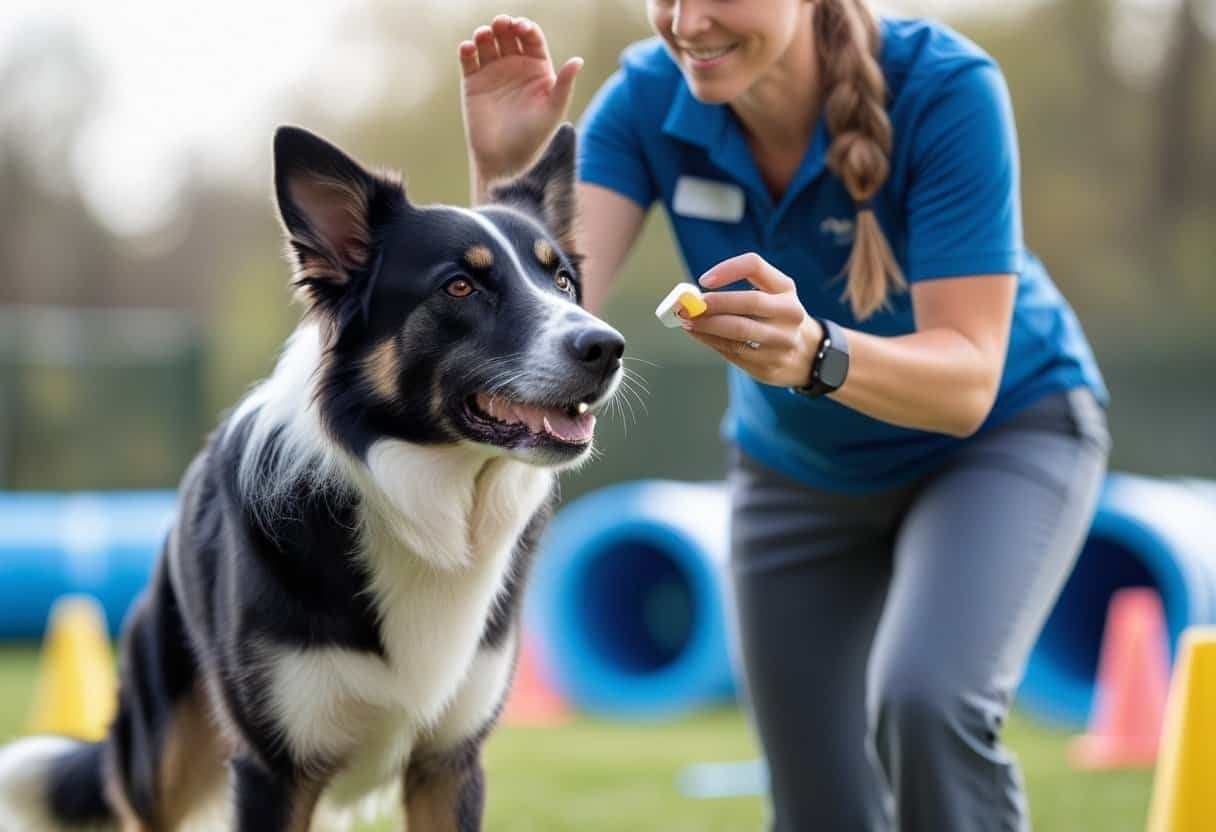
Tracking a dog’s training progress means watching closely and setting clear goals. Good methods help spot improvements and signal when it’s time to change things up.
Measuring Behavioral Improvement
Basic behaviors—like sit, stay, or coming when called—are pretty easy to test. Trainers usually look at duration (how long a dog holds a command), distance (how far away the handler can get), and distraction (how the dog does in new places or around other animals).
A simple table makes tracking skills straightforward:
| Skill | Starting Level | Current Level | Goal |
|---|---|---|---|
| Sit/Stay | 3 sec, 2 ft | 30 sec, 10 ft | 1 min, 15 ft |
| Recall | 1 out of 5 | 4 out of 5 | 5 out of 5 |
Frequent check-ins help trainers notice if things are stalling or moving fast. Special assessments, like those used for service and assistance dogs, can even predict which dogs will ace advanced training.
Adjusting Training Strategies
When a dog’s progress slows, trainers often try new techniques or rewards. Sometimes they’ll break commands into smaller steps or grab higher-value treats.
If a dog gets distracted easily, training might shift to a quieter spot. Once things click, they’ll try busier places again.
Trainers usually jot down what seems to work best. They notice which commands confuse the dog or which rewards get tails wagging fastest.
Some trainers use tools like the BR method to check if they’re meeting the dog’s needs. It’s not a one-size-fits-all thing, so they keep tweaking as they go.
Frequently Asked Questions

Intelligent dogs have abilities and quirks that set them apart. Training, genetics, breed, and mental stimulation all play a role in shaping a dog’s cognitive skills and behavior.
What characteristics define a highly intelligent dog breed?
Highly intelligent breeds pick up new commands quickly. They remember routines and can adapt when things change.
These dogs usually handle advanced training and seem to enjoy complex tasks. Their curiosity is pretty obvious if you watch them work.
How does canine intelligence affect training and behavior?
Smarter dogs often learn tricks with fewer repetitions. They need mental challenges to stay out of trouble—otherwise, boredom creeps in.
Training these breeds can be super rewarding, but honestly, it might take some creativity to keep them interested.
Which factors contribute to variations in intelligence across different dog breeds?
Breed intelligence can depend on genetics, early socialization, and what kind of training they get. Why the breed exists matters too—dogs bred for herding or retrieving usually score higher in problem-solving.
Age and environment make a difference in mental abilities too. Some dogs just have more opportunities to learn.
What are the top five breeds known for their exceptional intelligence?
A handful of breeds stand out for smarts. Most often, people list Border Collies, Poodles, German Shepherds, Golden Retrievers, and Doberman Pinschers at the top.
You can check out more details and rankings at this smartest dog breeds guide.
How can an owner effectively challenge and stimulate an intelligent dog’s mind?
Owners can give puzzle toys, teach new tricks, or try agility games. Interactive play, scent games, or just mixing up routines keeps smart dogs busy and happy.
Honestly, it’s a bit of trial and error—just don’t let them get bored, or they’ll invent their own games.
What role does genetics play in the intelligence of a dog?
Genetics shapes a dog’s intelligence in big ways. Some breeds just seem born to master certain tasks.
Traits pass down through generations, making some dogs natural problem solvers. Your dog’s unique genetic background can really affect how quickly it learns new commands.
If you’re curious, this article on dog intelligence dives deeper into the topic.
Related Posts

The History and Origin of Poodles: A Comprehensive Overview
Poodle Puppy Haircut
How to Teach Your Poodle to Walk on a Leash: A Step-by-Step Guide
Poodle Cuts – Understanding Grooming Options

- Pit Bull Poodle Mix: All About The Pit Boodle

Chihuahua and Poodle Mix: A Comprehensive Guide
Goldendoodle Mix with Poodle: An Adorable Hybrid Breed
Breeding Miniature Poodles