

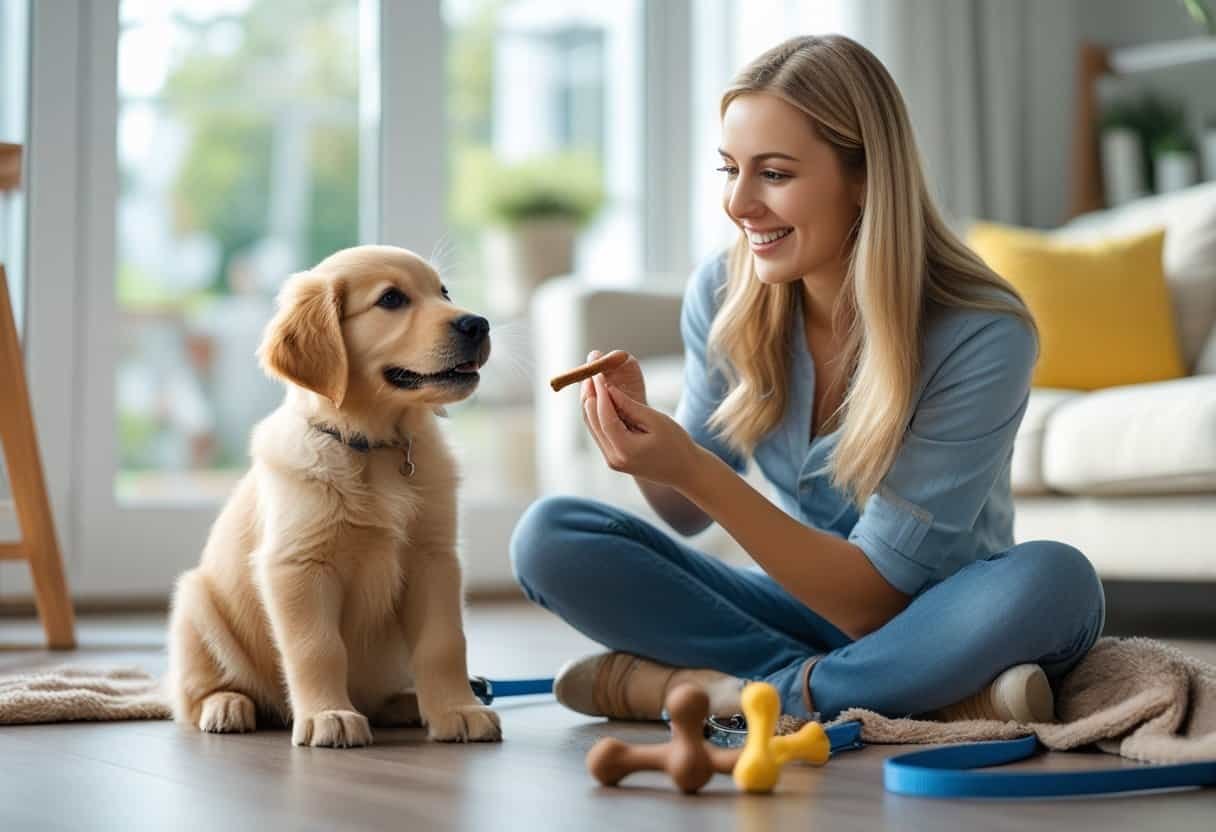
Establishing a Safe Environment
Keeping a puppy safe starts with preparation and a sharp eye for hazards around the house. Young dogs love to explore with their mouths and paws, so safety and comfort really matter for their growth.
Puppy-Proofing Your Home
Securing your home keeps puppies away from dangers like electrical cords, sharp things, poisonous plants, and anything toxic—cleaners, certain foods, you name it. Gates can block stairs and off-limits rooms, which helps prevent accidents and even assists with early training.
Make sure trash cans have tight lids. Check floors for anything small enough to swallow. Put medications and breakable items far out of reach.
Lock or keep a close watch on windows, balconies, and open doors. For a deeper dive into safety by room, check out this room-by-room puppy-proofing guide.
Creating a Puppy Zone
Every puppy needs a personal space to feel secure. This should include a soft bed, a couple of favorite toys, fresh water, and enough room to stretch out.
Pick a spot away from heavy foot traffic, loud sounds, or temperature extremes. Playpens, baby gates, or just a closed door can help keep the puppy in their safe zone when you aren’t watching.
Routines make a difference, so try to keep the crate or sleeping spot in the same place every day. Consistency and a cozy setup go a long way toward building good habits. Need more ideas? Here are some tips for creating a nurturing puppy environment.
Choosing Safe Toys and Chews
The best toys for puppies are sturdy and the right size—nothing they can swallow or break apart easily. Chew toys help with teething, but always check the label for age and safety.
Skip toys with buttons, ribbons, or tiny parts that might come off. Watch rope toys and bones for fraying or cracks. Rotate toys now and then to keep things interesting and check for damage.
Toys that challenge a puppy’s mind, like puzzle feeders or treat balls, help fight boredom. For more advice on fun and safe picks, see this guide to picking puppy toys.
Essential Puppy Supplies
Having the right supplies makes puppies feel safer and more at home. Key items like crates, beds, walking gear, and grooming tools set the stage for good health and early training.
Crates and Bedding
A crate gives puppies a private spot to rest and helps with house training. It should be big enough for the puppy to stand, turn, and lie down.
Crates with removable dividers can grow with your puppy and help limit space during training. Choosing bedding matters for comfort and cleanliness.
Look for beds that are machine-washable and chew-resistant, and make sure they fit inside the crate. Soft bedding helps new puppies feel secure and can ease stress those first few weeks.
Tips for safe crate use:
- Don’t use a crate as punishment.
- Give water if the puppy will be crated for more than a couple hours.
- Place the crate somewhere quiet, but not totally isolated.
For more detailed ideas, check out the AKC’s new puppy checklist.
Leashes, Collars, and Harnesses
Every puppy needs a sturdy collar and leash for walks and training. Adjustable, flat collars with secure buckles work for most breeds, and every dog should wear a small ID tag with your current contact info.
Harnesses are often safer, especially for puppies that pull or have delicate necks. Step-in or front-clip harnesses give better control.
Retractable leashes? Honestly, skip them for puppies—they can cause more problems than they solve.
A basic supply list:
- Nylon or leather collar
- 6-foot standard leash
- Comfort-fit harness
For more expert-approved products, see NBC’s guide to puppy essentials.
Grooming Tools
Start grooming early to keep your puppy healthy and get them used to being handled. Short-haired breeds do well with a soft-bristle brush, while long-haired pups may need a slicker or pin brush.
Dog nail clippers prevent overgrown nails. Use puppy shampoo for sensitive skin.
Toothbrushes and dog-safe toothpaste help keep teeth clean. Many owners add grooming wipes for quick cleanups.
Basic grooming kit:
- Soft brush or comb
- Puppy nail clippers
- Mild puppy shampoo
- Toothbrush and paste
Find a full supply list on Rover’s new puppy checklist.
Early Socialization Strategies
Early socialization shapes how a puppy reacts to people, dogs, and the world. Puppies who have positive experiences tend to become calmer, friendlier, and more adaptable adults.
Introducing New People
Puppies need to meet all kinds of people in their first few weeks at home—adults, kids, people in hats, folks using canes or wheelchairs. Different voices, movements, and smells help a puppy feel safe around strangers.
Let guests offer treats or gentle pets to make every meeting positive. Don’t force it if your puppy seems nervous; let them approach at their own pace.
Short, relaxed visits work way better than big, noisy gatherings. Early, positive encounters with people help prevent fear or reactivity later. For more ideas, see the American Kennel Club’s guide to puppy socialization.
Safe Dog Interactions
Puppies benefit from meeting healthy, vaccinated dogs in safe spots. Puppy classes are great for this—they’re supervised, and puppies learn dog body language.
Good classes keep play calm and prevent roughness. Hold off on dog parks and crowded places until your puppy finishes all vaccines.
Early experiences with friendly dogs help puppies gain confidence and avoid fear or aggression as adults. Watch for signs of stress: tucked tail, hiding, or freezing up.
If your puppy gets scared, take a break and try again later somewhere quieter. Here’s a puppy socialization tips article for more info.
Exposure to Environments
Take puppies to lots of different places so they get used to everyday noises, scents, and sights. Think car rides, parks, pet-friendly stores, and walks on grass, tile, or concrete.
A checklist helps cover your bases:
| Environment | Possible Activities |
|---|---|
| Busy sidewalk | Walk on leash |
| Vet office | Practice calm waiting |
| Moving vehicles | Watch from a safe distance |
| Home appliances | Expose to washing machines |
Introduce new places slowly and reward calm behavior. If you see signs of fear, stop and try again another time.
Regular, positive outings reduce anxiety and help puppies adjust as they grow. For a deeper look, visit this overview of environments and socialization tips.
House Training Basics
House training a puppy takes patience and a bit of consistency. With a good plan and daily practice, puppies pick up where and when to go to the bathroom much faster.
Potty Training Techniques
The fastest way to house train a puppy is positive reinforcement. Every time your puppy goes in the right spot, use a happy voice, treats, or playtime right away.
This helps puppies link good bathroom habits to rewards. Take your puppy outside every few hours, especially after eating, playing, or waking up.
Most puppies need to go every 1–2 hours at first. Use a leash to guide your puppy to the same spot each time—familiar smells cue them to go.
Crate training helps too. Puppies don’t want to soil their sleeping area.
Choose a crate that’s just big enough for standing and turning, but not so roomy it turns into a bathroom. For more step-by-step tips, check out this potty training guide.
Establishing Routines
A daily schedule makes house training way easier. Feed your puppy at the same times every day to make potty times more predictable.
Set regular times for walks, play, and naps if you can. Take your puppy out first thing in the morning, right after meals, and before bed.
Keep a simple chart or list to spot patterns if accidents keep happening. Supervise your puppy indoors.
If you can’t watch them, use a crate or a safe, puppy-proofed area. For more help, see these house training dos and don’ts.
Basic Training Fundamentals
Getting started with the right training steps helps puppies learn good behavior and feel more confident. Teaching clear commands and using positive reinforcement just makes learning easier for everyone.
Sit, Down, and Come
The basics—sit, down, and come—really shape a puppy’s manners. To teach sit, hold a treat over your puppy’s nose and move it back over their head.
When your puppy sits, say “sit” right away and hand over the treat. Try this in short, simple bursts.
Down works best after your puppy understands sit. First, have them sit.
Hold a treat near their nose and lower it slowly to the floor. When they lie down, say “down” and reward them.
For come, start with a leash. Step back a few feet, call your puppy’s name, and say “come.”
Gently guide them toward you if they hesitate. Give lots of praise and treats when they come over.
Short, cheerful training sessions work wonders and help avoid frustration. Puppy classes can also help if you want extra support or new tricks from trainers.
For more step-by-step guidance, check out this puppy training guide.
Marker and Clicker Training
Marker and clicker training use sound to pinpoint the exact moment your puppy gets it right. You can use a word like “yes” or a clicker.
When your puppy does what you want, click or say the marker word, then follow up with a treat. The timing really matters—try to mark the behavior the instant it happens.
First, help your puppy link the click or marker with a treat. Use the clicker during basic commands to show your puppy what you expect.
A lot of trainers and puppy classes recommend clicker training because it speeds up learning and keeps things clear. Puppies seem to enjoy it too—there’s less confusion, and sessions stay positive.
For more details, see puppy clicker tips.
Managing Common Puppy Behaviors
Puppies love to chew and sometimes bite when playing. These are normal habits, but they can turn into bigger problems if ignored.
Chewing and Teething Solutions
Puppies chew for a bunch of reasons—teething pain, boredom, or just curiosity. Chewing soothes their gums and helps keep teeth clean.
To prevent destructive chewing, offer plenty of safe chew toys. Switch up the toys regularly and keep off-limits items out of reach.
Here’s a quick table of good chew items:
| Chew Item | Features |
|---|---|
| Kong toys | Durable, can hold treats |
| Rubber bones | Gentle on puppies’ gums |
| Rope toys | Good for tug and teeth |
Keep shoes, cords, and valuables out of your puppy’s reach. Supervise when they’re loose indoors.
If your puppy chews something off-limits, calmly redirect to a toy. When they chew the right thing, praise and reward them.
Regular exercise and mental games also help curb too much chewing. You’ll find more ideas for puppy chewing issues if you need them.
Handling Puppy Biting
Biting is super common in puppies, especially when they’re playing. They use their mouths to learn boundaries, but those little teeth can hurt.
Puppies learn bite limits from their littermates, but you’ll need to teach gentle play at home. If your puppy bites, say “ouch” in a calm, firm tone, then pause the fun for a moment.
This shows your puppy that biting ends the game. Skip yelling or rough discipline—consistency and positive reinforcement work faster.
Offer a chew toy or treat if your puppy wants to nip fingers. When your puppy plays gently, give them lots of praise and a gentle pat.
You’ll find more tips for managing puppy biting if this stage gets tough.
Feeding and Puppy Nutrition
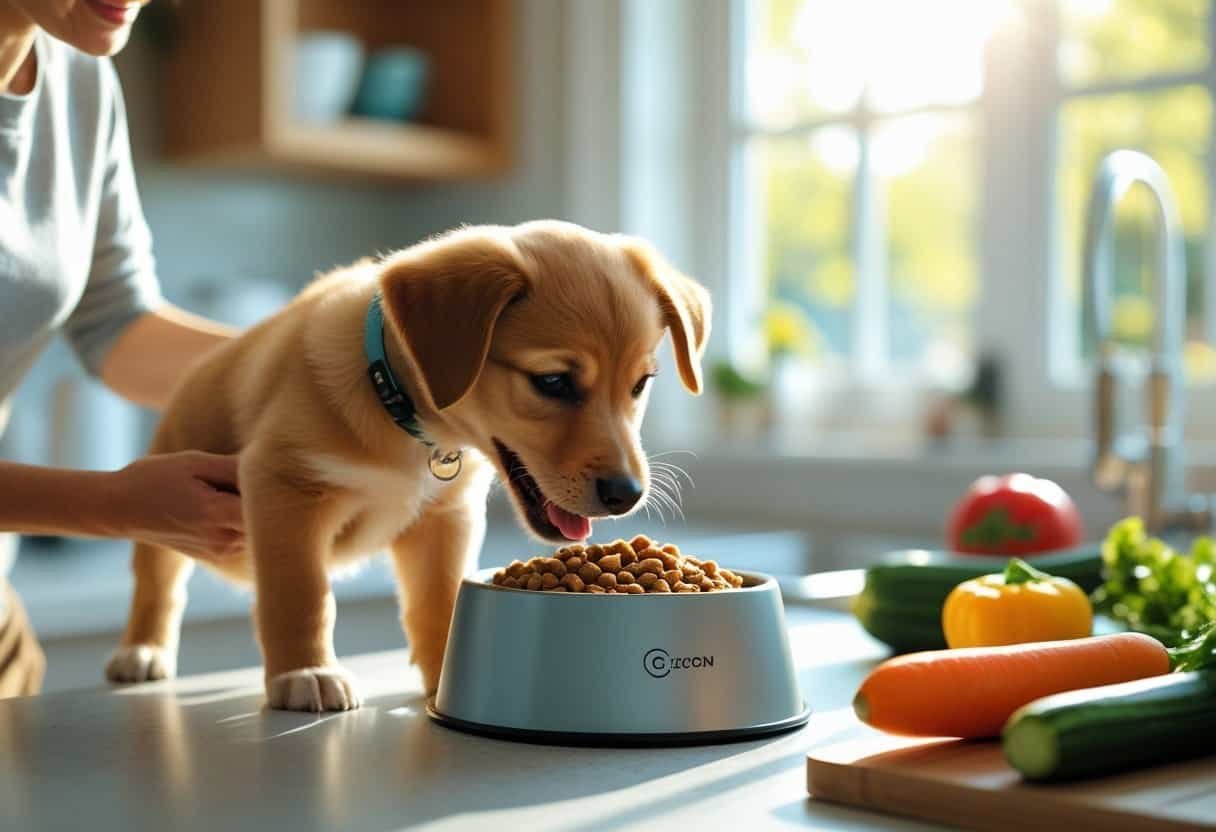
Puppies need balanced nutrition to grow and stay healthy. The right food, routine, and portions can really shape their future.
Choosing the Right Puppy Food
Always pick food labeled for puppies. Puppy formulas have more protein and fat than adult dog food.
These nutrients help build strong muscles, bones, and support brain growth. Check the label for an AAFCO (Association of American Feed Control Officials) nutritional requirements statement.
Dry kibble and wet food both work, but dry food can help with dental health. Look for feeding trials, whole meat as the first ingredient, and avoid artificial preservatives or dyes.
Some breeds need special formulas—large breed puppies, for example, often need controlled calcium and phosphorus for healthy bones. For more, see this puppy feeding fundamentals guide.
Establishing Feeding Schedules
Young puppies eat more often than adult dogs. Start with four meals a day, then drop to three at three months, and eventually two by six months.
Set meal times so your puppy knows when to expect food. This helps with digestion and house training.
Don’t let puppies graze all day—it can lead to overeating. Take away uneaten food after 15–20 minutes.
Meal schedules depend on age, size, and breed. A tailored timetable supports healthy growth and keeps weight in check.
For more on age-appropriate feeding, see this puppy feeding guide.
Treats and Portion Control
Treats are handy for training, but they shouldn’t be more than 10% of your puppy’s daily calories. High-value treats—like tiny bits of cooked chicken or commercial puppy treats—work best for new skills.
Keep track of your puppy’s food and treats each day. Overfeeding, even with healthy snacks, can cause weight problems later.
Feeding charts on the food bag are a starting point, but watch your puppy’s body and adjust as needed. Use small treats, breaking them into even tinier pieces during training.
That way, you can motivate your puppy without overdoing calories. For more reward-based training tips, see these puppy feeding tips.
Health and Veterinary Care
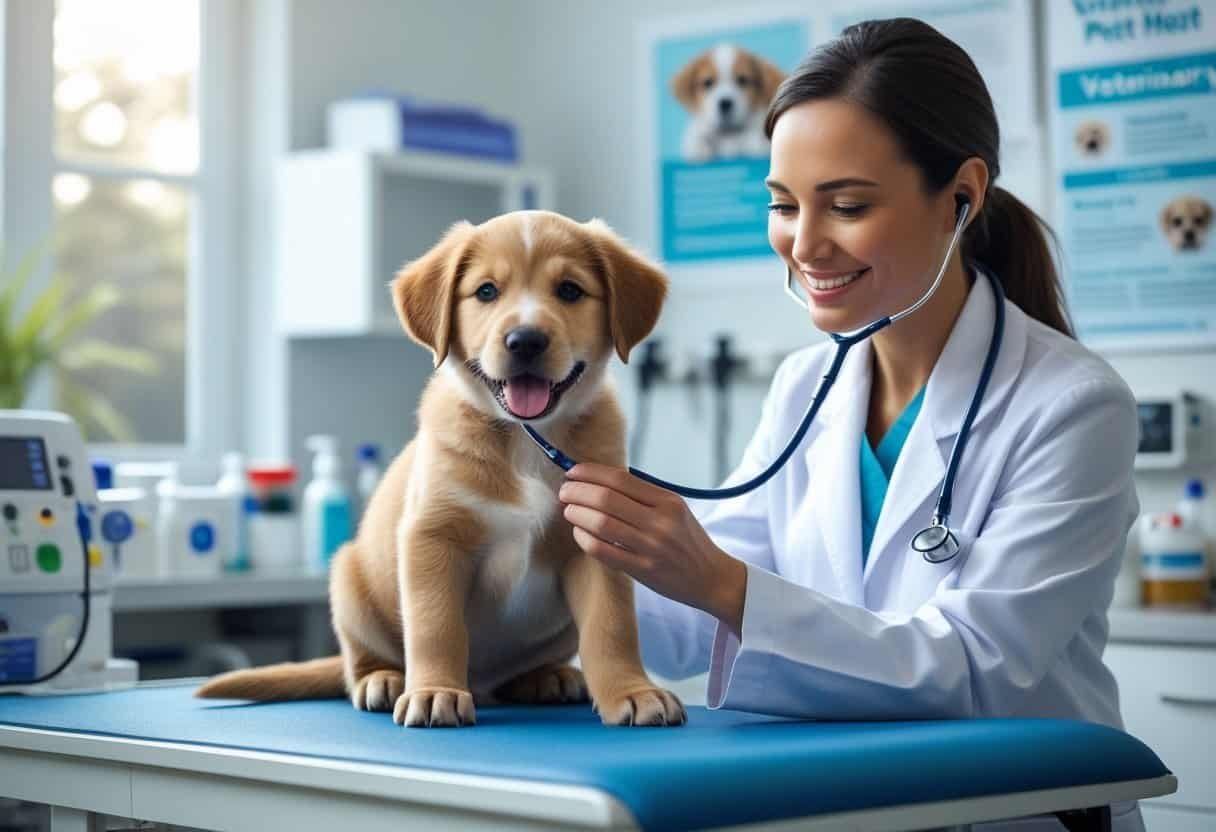
A puppy’s health relies on regular vet care, timely vaccines, and solid routines. Good habits and check-ups help puppies grow strong and avoid illness.
Puppy Vaccinations and Parasite Prevention
Puppies need several rounds of vaccines for protection. Key vaccines include parvovirus, distemper, hepatitis, and rabies.
Most vets start shots at 6–8 weeks old and repeat them every few weeks until four months. Parasite prevention matters, too.
Puppies are vulnerable to fleas, ticks, and worms. Many vets recommend starting deworming early and repeating it every few weeks.
Flea and tick preventatives help prevent irritation and illness. For detailed health and puppy vaccine charts, talk to your vet about the right schedule and medicines.
Wellness Exams
Wellness exams spot health issues early. Most vets want to see new puppies within a few days of coming home.
In the first year, puppies visit the vet several times for shots, growth checks, and exams. During check-ups, your vet will look over your puppy’s body, listen to their heart and lungs, and check skin, eyes, and ears.
They’ll ask about eating, behavior, and activity. Wellness visits might also include advice on nutrition, weight, and training.
You’ll find more on puppy wellness in dedicated guides.
Dental and Ear Care
Dental care starts early. Your vet should check your puppy’s teeth, and you should brush them at home.
Use a soft puppy toothbrush and dog toothpaste—never human toothpaste. Brushing a few times a week helps keep tartar and gum disease away.
Ears need weekly checks. Look for redness, swelling, dirt, or a bad smell.
Clean ears with a gentle, vet-approved solution and a cotton ball. Don’t stick anything deep in the ear.
Dry ears after baths or swimming to lower the risk of infection. Good dental and ear habits—like those in puppy care tips—set your puppy up for a healthy life.
Puppy Exercise and Enrichment
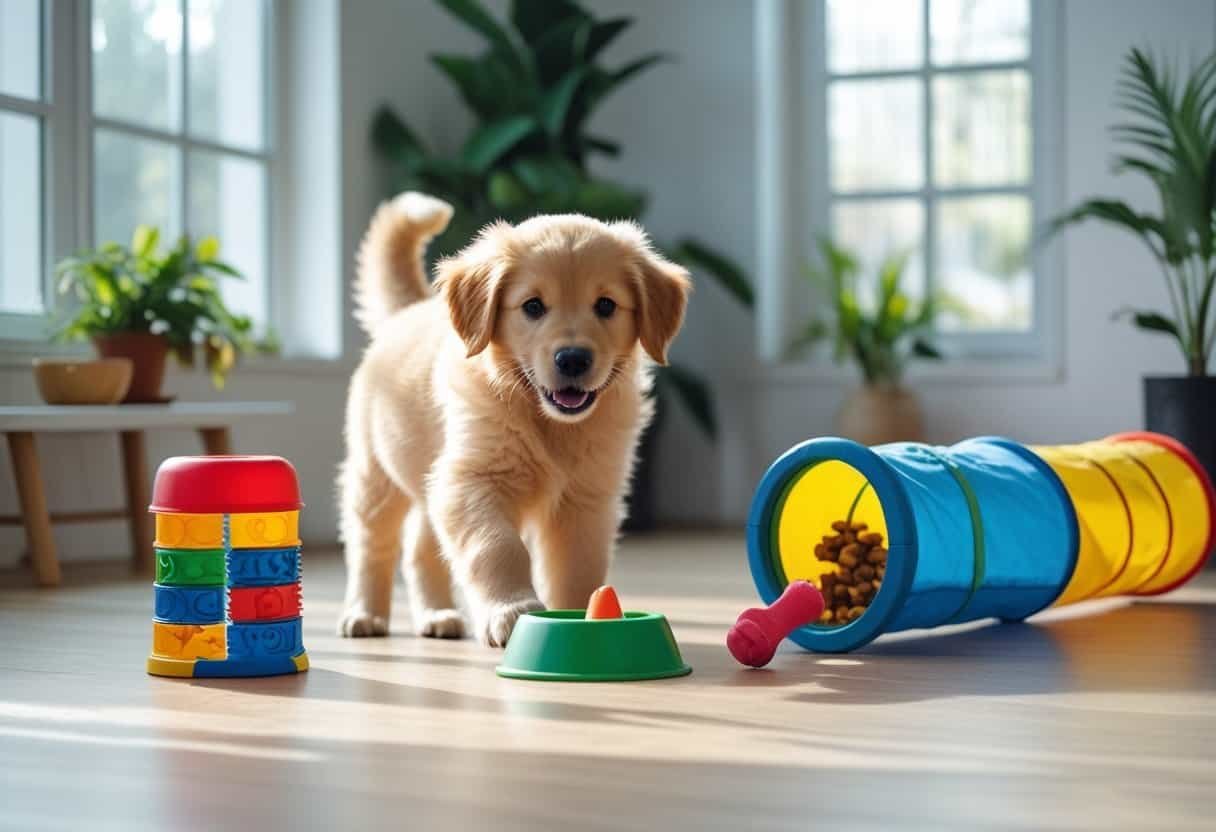
Puppies need exercise and mental challenges to grow up healthy and happy. Physical activity builds strong bodies, and mental games keep their minds sharp and prevent boredom.
Physical Activity Guidelines
Puppies need daily exercise for muscles and bones. Young pups do best with short, gentle play—think chasing toys or tug—not long walks or rough games.
Too much jumping or hard exercise can hurt growing joints. The right amount depends on age and breed.
A good rule is five minutes of walking per month of age, up to twice a day. So, a three-month-old puppy would get about 15 minutes per walk.
Playtime in the yard or with other friendly dogs counts, too. Supervised play keeps things safe.
Puppies love fetch with soft toys, exploring new places, and practicing recall. For more on this, see the puppy exercise chart by age.
Balanced exercise helps prevent weight gain and keeps joints healthy. If your puppy lags behind or lies down, take a break—overdoing it can be harmful.
Mental Stimulation Techniques
Mental stimulation matters just as much as physical activity. New experiences, training, and problem-solving games help puppies learn and grow.
Quick training sessions with simple commands—sit, stay, come—keep puppies engaged. Puzzle toys and snuffle mats make them think while hunting for treats.
Hide-and-seek games, whether with people or toys, are fun and educational. Socialization is huge for mental growth.
Meeting people, seeing other animals, and hearing new sounds build confidence. Rotate toys and switch up walking routes to keep things interesting.
Enrichment can be simple—chew toys, digging boxes, safe indoor games. For more ideas, check out puppy enrichment activities.
Building Confidence and Independence
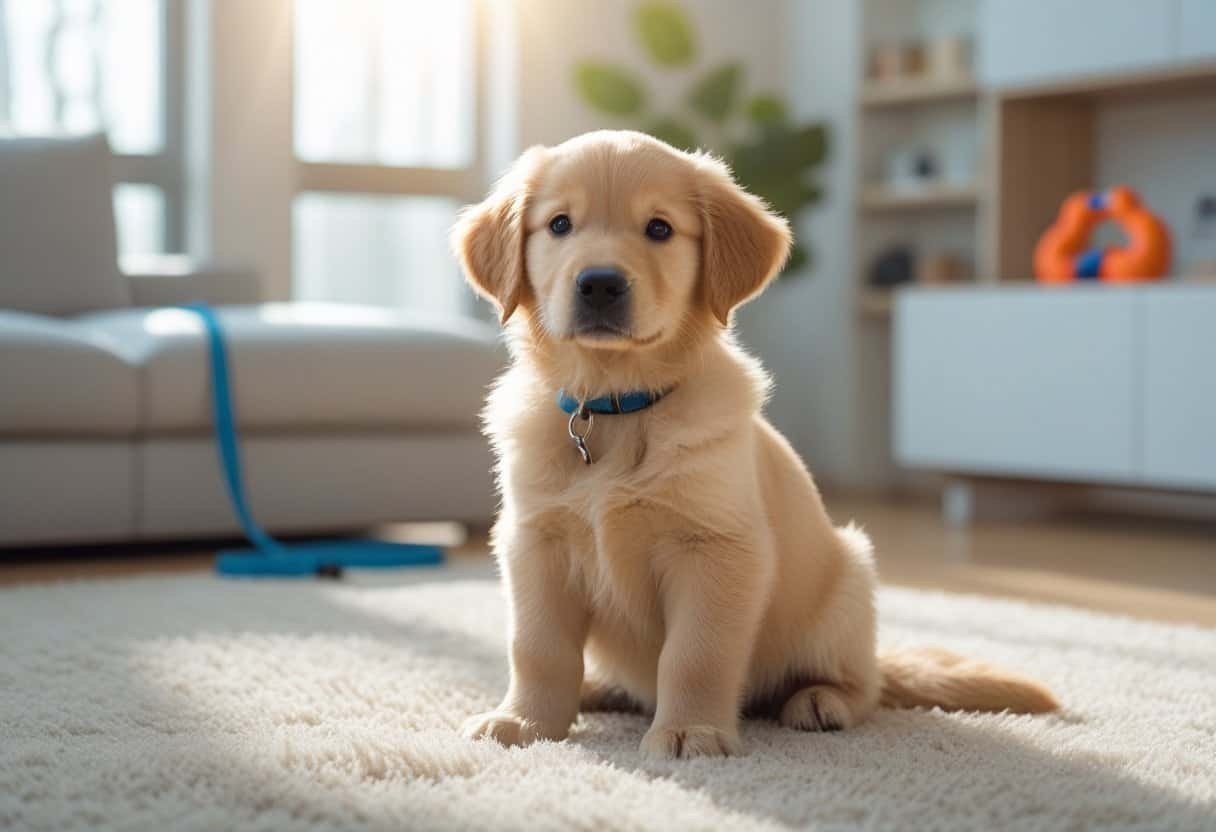
Confidence and independence help a puppy grow into a well-adjusted adult dog. Puppies need a safe way to learn how to spend time alone and explore the world without fear.
Coping With Alone Time
A puppy who learns to relax alone is less likely to struggle with separation anxiety.
Start by leaving your puppy in a safe spot, like a crate or a small, puppy-proofed room, for just a few minutes.
Gradually add a little more time apart, but always come back before your puppy starts to worry.
Handing over an interactive toy or a food puzzle can keep them occupied and help them see that alone time isn’t so bad.
Sticking to a routine helps a ton, so try to leave and return at about the same times each day.
When you come or go, keep greetings and goodbyes calm—no drama, just normal comings and goings.
Praise and treat your puppy when they stay calm alone. Positive reinforcement rewards quiet, relaxed behavior.
Being consistent helps your puppy feel safe and build independence.
Tips for Alone Time:
- Use safe toys and treats
- Start with short absences
- Build up to longer periods
- Keep departures and returns low-key
Introducing New Experiences
Early socialization teaches your puppy that new places, sounds, and people aren’t scary.
Take them on short trips to safe outdoor spots and let them sniff, watch, and listen to new things.
This builds trust and helps shape a calm, open-minded attitude.
Reward your puppy with treats and praise for exploring, but don’t force them if they seem nervous.
Let them hear household noises, like the vacuum or doorbell, and meet friendly people and dogs.
Keep new experiences short and positive so your puppy doesn’t get overwhelmed.
Make a checklist of new things to try—car rides, stairs, different surfaces, gentle handling.
Every new exposure can help your puppy grow confident and secure.
Examples of New Experiences:
| New Experience | How to Introduce |
|---|---|
| People & children | Calm greetings, gentle petting |
| Sounds | Start soft, reward calm responses |
| Different surfaces | Short walks on grass, concrete, or carpet |
| Dogs/animals | Supervised meetings with healthy pets |
Managing Stress and Transitions
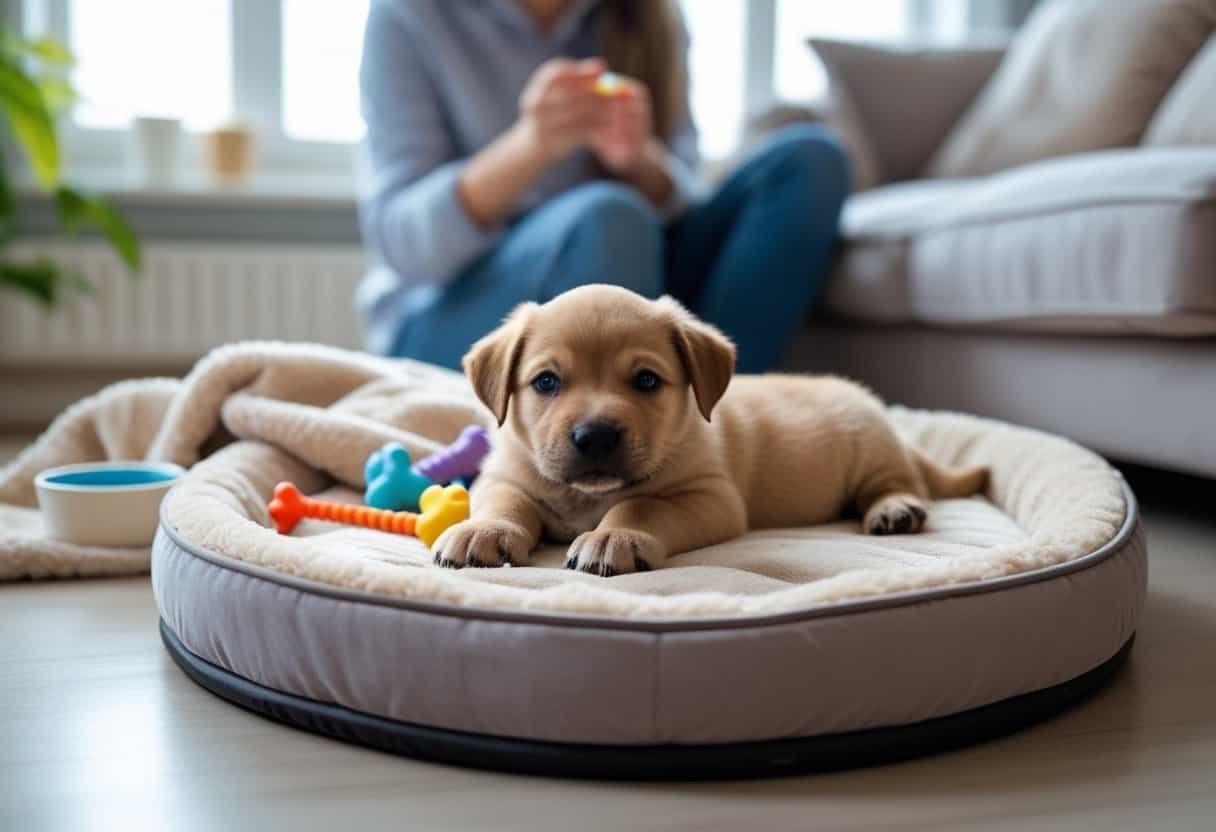
Puppies often feel uneasy when their world changes all at once.
Simple routines, comfort, and patience can really help during those first days in a new home.
Easing Separation Anxiety
Separation anxiety pops up in lots of puppies, especially right after leaving their litter.
You might notice whining, barking, or pacing when they’re alone.
Set up a safe, cozy area like a crate or small room to help your puppy feel secure.
A soft blanket with a familiar scent, favorite toys, or even calming music can bring comfort.
Stay calm when you leave or return—your puppy will take cues from you.
Practice short periods apart, then slowly add more time.
This teaches them that being alone is okay and supports healthy independence.
For more ideas, check out these puppy separation anxiety tips.
Key steps to ease separation anxiety:
- Set a regular schedule for meals, play, and naps
- Practice short departures and greetings
- Offer safe chew toys or treats while away
- Don’t make a big fuss when leaving or coming home
Supporting Through Change
Change can feel huge for puppies.
They notice every new smell, sound, and face, and it can make them nervous.
Give your puppy a “safe space,” like a quiet corner with their bed and toys.
Introduce new experiences slowly.
Limit visitors and skip crowded or noisy spots during the first week.
Gentle handling and patience help everyone adjust.
Watch for stress signs like not eating, hiding, or barking nonstop.
Consistency and calm support help puppies feel loved and safe.
If you want more tips, visit puppy transitions.
Selecting and Participating in Puppy Classes
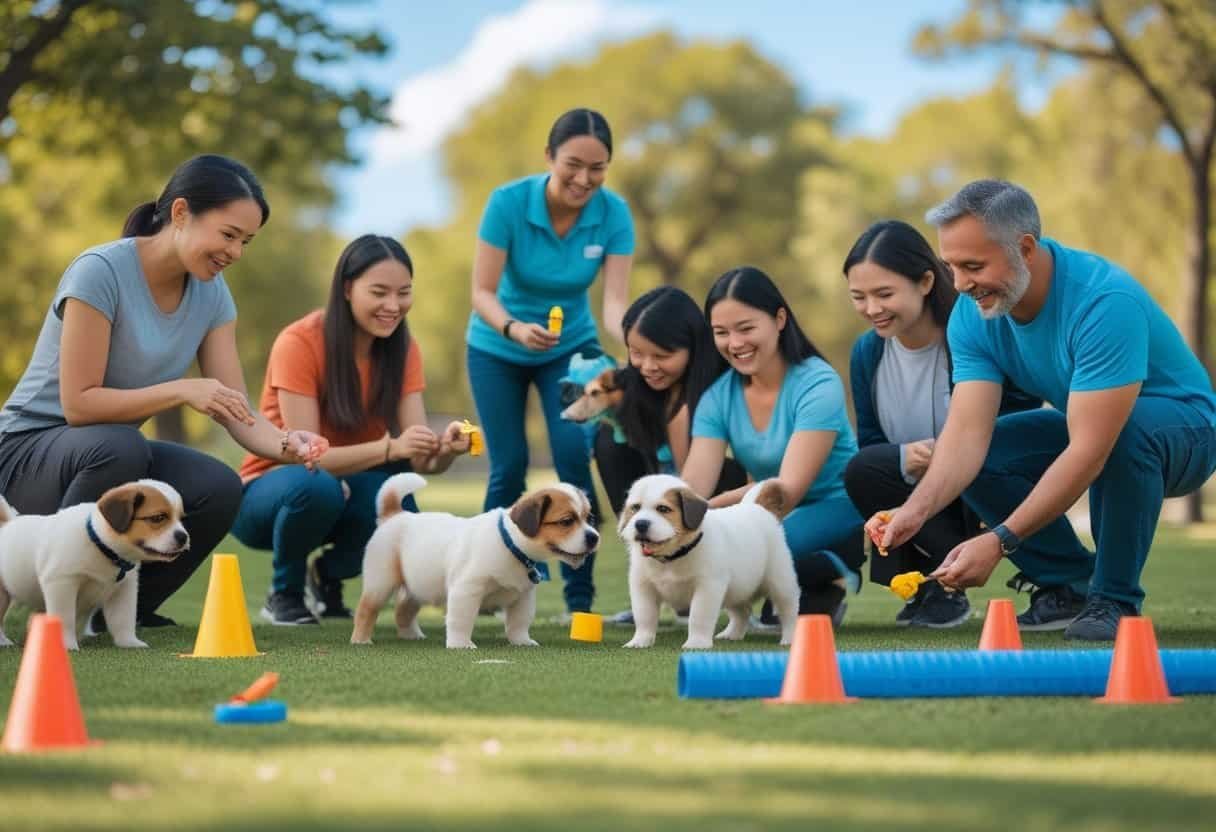
A good puppy class can make a real difference in socialization, basic manners, and life at home.
The right class sets a strong foundation for the future.
Choosing a Quality Class
A quality puppy class uses positive, reward-based training—think treats, toys, or affection, not punishment.
Puppies learn faster and have more fun this way.
Check the trainer’s qualifications.
Certified trainers usually follow up-to-date puppy guidelines.
Ask if the trainer is licensed or has credentials from trusted dog training groups.
Class size matters.
Small groups—about six puppies—work best so everyone gets attention.
Location and cleanliness count, too.
The space should be clean, safe, and roomy enough for puppies to play and learn.
A good class helps shy puppies feel comfortable and keeps outgoing ones focused.
For more, see this puppy training class guide.
What to Expect in Puppy Training
Puppy classes usually cover basic commands like sit, stay, come, and leave it.
These skills make life easier for both you and your dog.
Your puppy will also meet other dogs and new people.
Socialization is a huge part of class.
It helps puppies become less fearful and more confident.
Regular exposure to new things makes stuff like vet visits less stressful.
Classes often include tips for house training and how to handle biting or chewing.
Trainers answer questions about common puppy problems.
One big perk: expert support.
Trainers spot mistakes and show you better techniques.
According to Pet Parenting experts, trainers can tweak lessons to fit each dog’s needs and quirks.
Frequently Asked Questions
Bringing home a puppy takes planning, the right gear, and some consistency.
You’ll need to set up routines for feeding, training, socializing, and housebreaking—while avoiding common mistakes.
How should I structure the first week with my new puppy to ensure proper care?
Give your puppy a quiet space to feel safe.
Let them explore each room slowly and keep things calm.
Take frequent potty breaks and play in short, gentle sessions.
Your puppy needs lots of positive attention and regular meals.
Early training and gentle handling help healthy development.
Go slow with socialization and stick to family or fully vaccinated pets at first.
What are the essential items to have at home when training a puppy?
You’ll need a crate that fits, food and water bowls, and a comfy bed.
Pick up puppy-safe toys, an adjustable collar, leash, and the right puppy food.
Pet-safe cleaning supplies are a must for accidents.
Puppy pads and training treats help, too.
A first-time puppy owner guide can make shopping easier.
What are some effective housebreaking techniques for puppies?
Crate training works well since puppies usually won’t soil their bed.
Take your puppy out after meals, naps, or play.
Stick to a schedule for potty breaks to build good habits.
Praise and reward your puppy right after they go in the right spot.
House training can take a few months, so patience is key.
Schedules and close supervision mean fewer accidents—see expert advice.
What are common mistakes to avoid when raising a puppy?
Skipping socialization, using punishment, or being inconsistent with routines can cause problems.
Overfeeding treats leads to stomach trouble or weight gain.
Ignoring early illness signs is risky.
Lack of supervision lets bad habits form.
This list of common mistakes can help you steer clear.
How do I establish a feeding schedule for a 2-month-old puppy?
At two months, puppies need three to four small meals a day.
Space meals out evenly and feed at the same times every day.
Pick puppy food made for their age.
Always have fresh water available.
Adjust amounts as your puppy grows or if your vet suggests changes.
What routine should I follow in the first 72 hours after bringing a puppy home?
The first 72 hours should focus on gentle introductions and bonding. Try to keep things calm at home and hold off on inviting visitors.
Take your puppy outside often, especially right after meals or naps. Stick to a feeding schedule, offer water, and let your puppy have short play or cuddle sessions.
Sleep matters a lot at this stage, so don’t let things get too busy or loud. If you want more details, check out these expert puppy tips.
Related Posts
Facts About the Terrier Poodle Mix
What’s the Best Poodle Breeds for My Age Group?
Understanding Poodle Developmental Stages: Key Milestones and Growth Patterns
Poodle Rescue or Adoption Red Flags
What is the Poodle Teddy Bear Cut?
Popular Miniature Poodle Mix Breeds and their Characteristics
Poodle Cost- Grooming Tool Maintenance and Care: Essential Tips for Long-lasting Tools