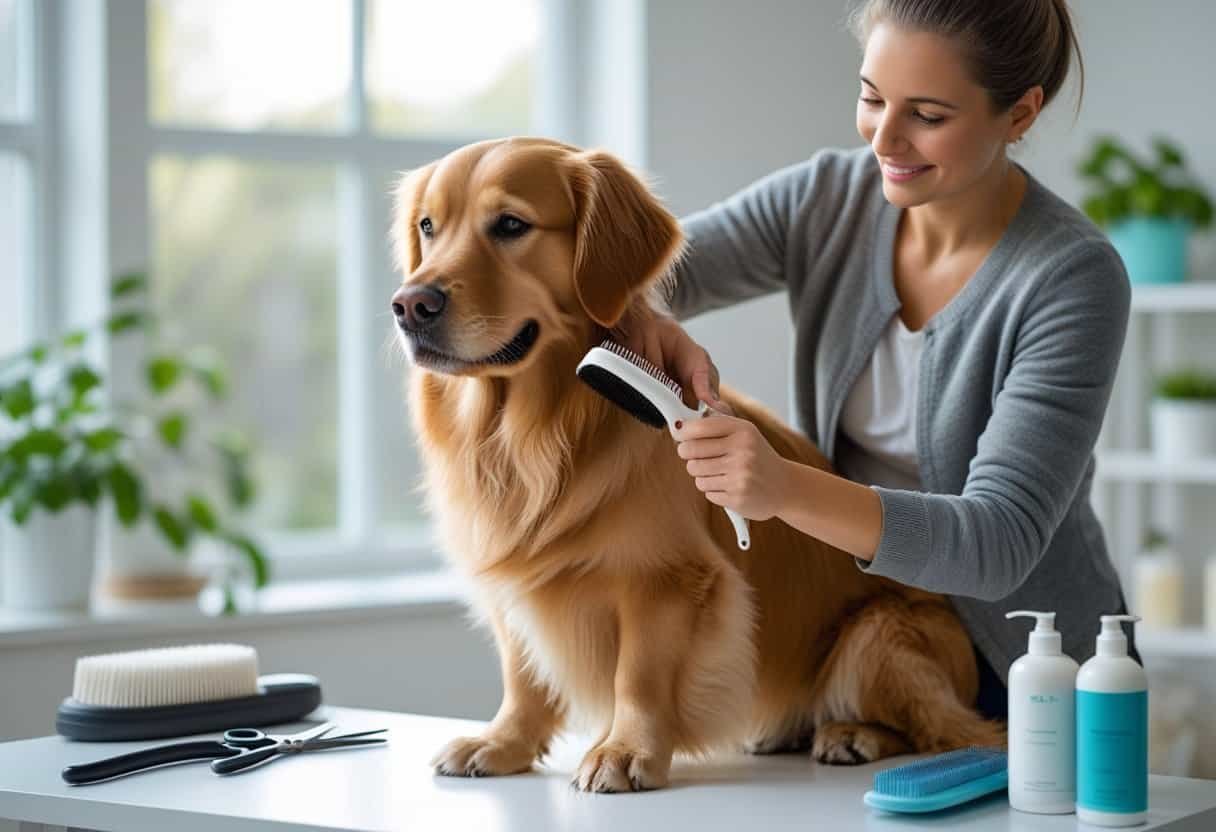
Essential Dog Care Principles
Caring for a dog goes way beyond just tossing out some food and giving a few pats on the head. Routine habits, safe spaces, and regular health checks all play a part in helping your canine buddy feel their best.
Daily Routines for Your Dog
Dogs really crave structure. Regular feeding times help with digestion and keep begging at bay.
Always make sure there’s fresh, clean water within reach. That’s non-negotiable.
Exercise is a must for both their body and mind. Most breeds need at least 30 to 60 minutes of walking or fetch every day.
Puzzle toys can give their brains a workout too. It’s honestly kind of fun watching them figure stuff out.
Daily grooming helps you spot fleas, ticks, or skin issues early. Short-haired pups just need a quick brush, but long-haired breeds will definitely take more time.
Training fits into the daily routine as well. Short, upbeat sessions with treats and praise go a long way.
Consistent rewards help dogs learn commands and basic manners. It’s all about keeping things positive and easy to understand.
Ensuring a Safe Living Environment
Safety at home starts with a secure house and yard. Check fences for gaps so your dog can’t sneak out.
Keep cleaning supplies and tiny objects well out of reach. Dogs have a knack for finding trouble.
Protect your dog from extreme temperatures. In summer, set up shade and give extra water.
When it’s cold, offer warm shelter and avoid icy or salted walkways that can hurt their paws. Nobody wants cracked pads.
Give your dog a quiet, comfy spot to sleep, away from loud noises and busy areas. Soft bedding helps their joints and lets them relax.
Clean their sleeping space often to keep pests and smells away. It’s worth the effort.
Use pet gates, secure cords, and remove sharp stuff to prevent injuries. For more, check out these essential dog care tips.
Monitoring Health and Well-Being
Keep an eye on your dog’s health every day. Watch for changes in appetite, energy, or bathroom habits.
If something feels off, it could mean your dog’s not feeling well. Better safe than sorry.
Routine veterinary visits are important for:
- Vaccinations
- Dental checks
- Preventing parasites
Weigh your dog once a month. Track vaccines, meds, and allergies somewhere handy.
Notice limping, scratching, or lots of licking? Talk to your vet if your dog starts acting differently. Need more ideas? Check out these dog health tips.
Nutrition and Feeding Guidelines
Good eating habits set your dog up for a longer, happier life. Food choice, feeding routine, and water all matter more than you might think.
Choosing the Right Dog Food
When you’re picking out dog food, quality beats a bargain every time. Premium foods usually have better ingredients.
Look for meat as the first ingredient. Skip foods packed with fillers or weird by-products.
Puppies need special food to help them grow. Puppy formulas pack in extra protein, fat, vitamins, and minerals.
Switch to adult food once your pup’s fully grown—usually around a year old. Don’t rush it.
Treats are fine, but they shouldn’t make up more than 10% of the daily calories. They’re great for training, but not a meal replacement.
If you’re not sure about food quality, ask your vet. Or check these dog food quality and feeding tips.
Feeding Schedules for Puppies and Adults
A good schedule keeps your dog’s weight and energy steady. Puppies eat three or four times a day since they burn through calories fast.
By six months, most puppies can switch to two meals a day. Adult dogs usually do best with two meals, spaced out 8–12 hours apart.
Stick to a routine so your dog knows when to expect food. It helps prevent overeating and keeps things predictable.
Follow the guidelines on the food bag, but tweak them for your dog’s age, weight, and activity. For more, check feeding schedules and quantities.
Proper Hydration Tips
Water is just as important as food—maybe even more. Dogs need clean water all the time.
The amount depends on size, age, and how active your dog is. As a rule, aim for about one ounce of water per pound each day.
Puppies, especially if they eat dry food, might drink more. Watch for signs of dehydration like dry gums, heavy panting, or low energy.
Wash the water bowl every day to keep bacteria away. If you’re handing out treats or feeding dry food, offer extra water.
For more on hydration and dog nutrition, check trusted sources.
Establishing a Comfortable Space
Dogs really appreciate having a cozy spot to call their own. Picking the right bed and arranging a few resting areas can make your home feel safe and welcoming.
Selecting an Appropriate Dog Bed
A solid dog bed supports joints and keeps your dog comfortable—especially as they get older. Make sure it’s big enough for them to stretch but not so huge they feel lost.
Memory foam beds are awesome for dogs with arthritis. Flat mats work for smaller breeds.
Look for these features:
- Removable, washable covers
- Non-slip base
- Hypoallergenic materials
Orthopedic beds can really help big or senior dogs by easing pressure points. If your dog likes to curl up, a donut or bolster bed adds extra coziness.
Keep beds away from direct sun or drafty doors. Dogs care about temperature too, believe it or not.
Setting Up Resting Areas
Dogs like options. If your house is busy, set up multiple resting spots so they can pick where to chill.
Choose quiet corners with soft lighting and little distraction. Toss in a favorite toy or blanket for comfort.
Some dogs love a crate with the door open—it feels like a safe den. For ideas on arranging a comfy spot, check these practical tips and ideas.
Rugs or mats can keep dogs off cold floors and make cleaning up easier. Little things make a big difference.
Exercise and Physical Activity
Dogs need both physical exercise and mental enrichment to stay healthy. Activity helps with weight, muscle tone, and their mood.
Daily Walks and Playtime
Walking your dog every day is a must for their health. Most pups need at least 30–60 minutes of activity, but some breeds want more.
Regular walks keep muscles strong and help digestion. Plus, they give your dog a chance to check out new smells and sights.
Playtime matters too. Fetch, tug-of-war, or a good run in the yard all break up the day.
Let your dog play off-leash in a safe spot if you can. Adjust the routine for puppies, seniors, or dogs with health issues.
Want more ideas? Here’s a guide on exercise for dogs at every life stage.
Quick checklist:
- Short and long walks
- Play sessions with toys
- Time in a secure yard
- Breed-specific activities (like swimming or agility)
Mental Stimulation Strategies
Physical activity alone isn’t enough. Dogs need stuff that challenges their brain.
Try out puzzle toys or treat-dispensing games. It keeps them busy and sharp.
Teach new tricks or commands. It’s a fun way to bond and keeps their mind active.
Hide treats or toys around the house for a game of hide-and-seek. Even a 5–10 minute training session can make a difference.
Let your dog meet other dogs or people on walks or at the park. Social time is mental exercise too.
Find more ideas in these tips for effective exercise and stimulation. Mixing up physical and mental activities just makes life better for your dog.
Basic Dog Training Techniques
Teaching your dog basic behaviors makes home life smoother. Focus on routines, rewards, patience, and clear rules—no need for harsh discipline.
House Training Essentials
House training is one of the first things a new dog or puppy needs to learn. Take your dog outside to the same spot at regular times—after eating, sleeping, or playing.
Consistency helps your dog catch on fast. Praise or reward them right after they go in the right spot.
If there’s an accident inside, clean it up and move on. Don’t punish; it just confuses them.
A regular schedule speeds things up. Crate training can help too. Here’s a guide to housebreaking and obedience for more help.
Building Good Manners
Dogs need to know basic commands like sit, stay, come, and how to walk nicely on a leash. Start with short sessions somewhere quiet.
Stick to simple words and repeat them. Add distractions slowly as your dog gets better.
Set clear rules. If you don’t want jumping or barking, ignore it and reward calm behavior instead.
Practice every day. These basic obedience skills keep your dog safe and well-behaved.
Positive Reinforcement Methods
Reward your dog for good behavior with treats, praise, or play. The closer the reward is to the action, the better.
Keep treats small so your dog stays focused. Skip harsh punishments—they just make dogs nervous or confused.
Use a happy voice and clear cues to show your dog what you like. Over time, positive dog training methods build trust and a strong bond.
Consistency and patience are your best friends here. It might take time, but it’s worth it.
Maintaining Proper Grooming
Proper grooming keeps dogs looking sharp and supports their health. Regular routines help prevent skin problems, manage shedding, and let owners spot early signs of trouble.
Brushing and Coat Care
Brushing gets rid of loose hair, dirt, and tangles. It spreads natural oils, which helps skin stay healthy and makes fur shiny.
Short-haired breeds usually need a brush once a week. Long-haired dogs might need daily grooming.
Brushing also lets owners check for mats, fleas, ticks, and dry spots. Mats can pull on skin and really hurt, so it’s best to catch them early.
Pick a brush that matches your dog’s fur—a bristle brush for smooth coats, or a slicker brush for long or curly fur.
Regular brushing means less shedding around the house. It also helps prevent infection or discomfort.
If you want more details, the ASPCA offers tips on dog brushing and coat care.
Bathing Best Practices
Most dogs don’t need frequent baths. Usually, a bath every month or two is enough—unless they get dirty or have a skin condition.
Bathing too often can dry out their skin, making it flaky or itchy. Always use a shampoo made for dogs, since human shampoos are too harsh.
Before bathing, brush out knots and tangles. Use lukewarm water, work in the shampoo gently, and rinse well.
Try not to get soap in their eyes or ears. Dry them off with a towel, then let them air dry or use a hair dryer on cool if needed.
If your pup has sensitive skin or allergies, look for oatmeal or hypoallergenic shampoos. For more advice, check out these dog grooming tips.
Oral and Dental Health for Dogs
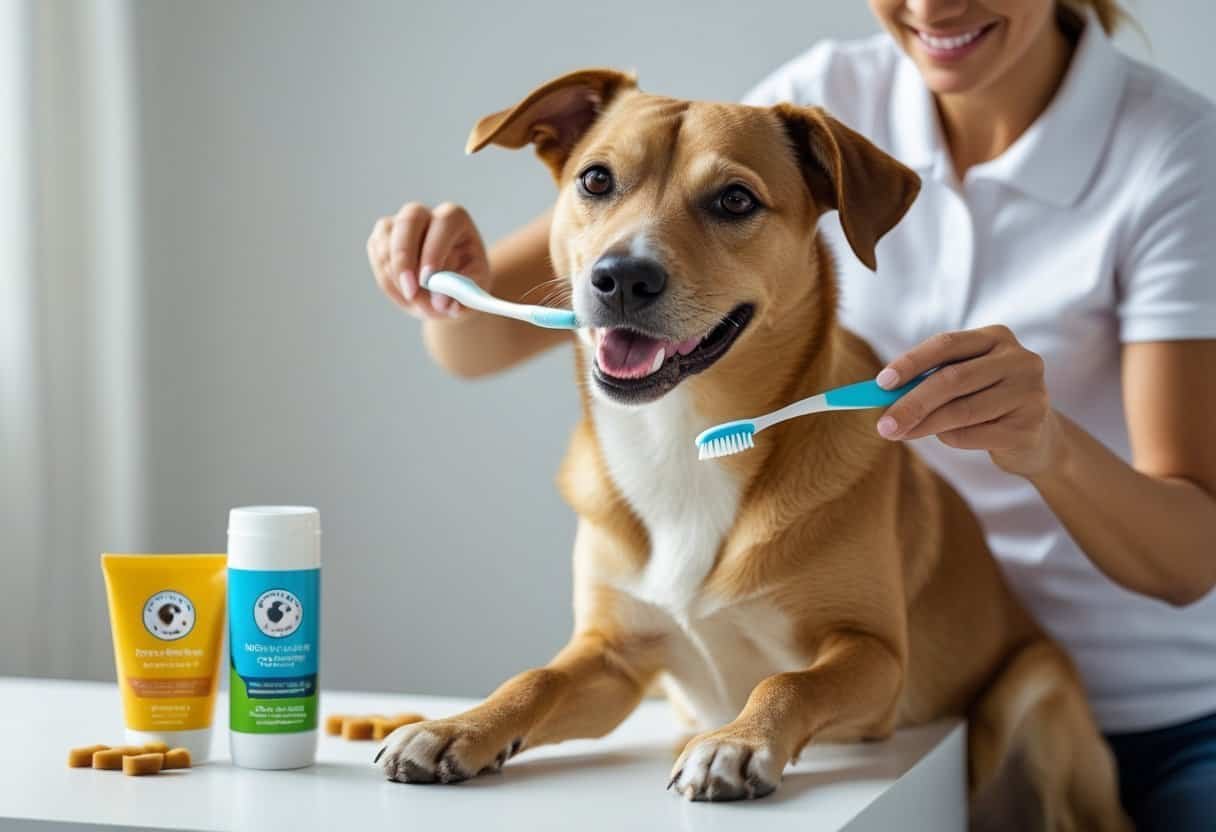
Good dental care helps prevent gum disease, bad breath, and infections. Brushing and the right treats can keep a dog’s mouth healthy and pain-free.
Brushing Teeth Effectively
Brushing removes plaque and leftover food from a dog’s teeth. Use a toothbrush made for dogs and toothpaste with dog-friendly flavors, like chicken or peanut butter.
Never use human toothpaste—it isn’t safe for pets. Brush slowly and gently, focusing on the gum line where plaque builds up.
Most dogs need their teeth brushed two or three times a week. Daily brushing is even better for strong, clean teeth.
If your dog is new to brushing, start slow. Let them taste the toothpaste, then gently rub a finger along their gums.
Move to the brush over time. Make this a routine so your dog gets used to it.
Finger brushes and dental wipes can help, especially for pups who hate regular brushes. For more, check out these tips for brushing dog teeth.
Choosing Dental Treats
Dental treats can help clean teeth when used along with brushing. These treats usually have a texture that scrapes away soft tartar and freshens breath.
Pick treats made for dental health. Look for approval from veterinary groups like the VOHC.
Choose treats that fit your dog’s size and chewing style. Some dental treats include chews, sticks, and bones that wear down as dogs chew.
Don’t overdo it—too many treats mean extra calories. Give them in moderation as part of a balanced diet.
Learn more about dental treats and their benefits.
Veterinary Care and Preventive Health
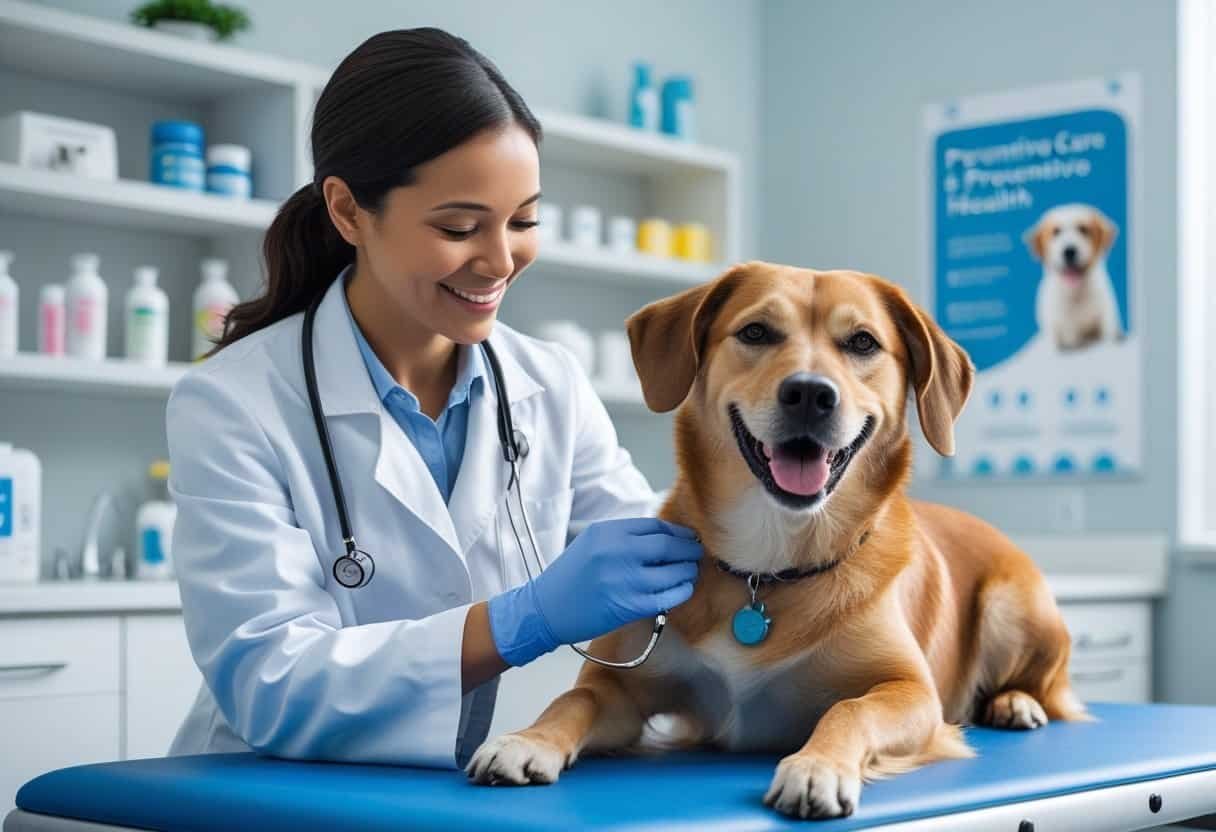
Veterinary care helps catch health issues early and keeps dogs protected from dangerous diseases. Preventive habits like exams and vaccines lower the risk of surprise illnesses and big bills.
Vaccinations and Regular Checkups
Vaccines protect dogs from serious illnesses like rabies, distemper, parvo, and kennel cough. Most puppies start vaccines at 6 to 8 weeks, with boosters at set times.
Adult dogs need boosters too. Owners should talk with their vet to know which shots their dog needs based on age, breed, and lifestyle.
Annual checkups catch health problems before they get serious. Vets check weight, teeth, skin, ears, eyes, and more.
Blood tests or heartworm checks are often part of the visit. Yearly exams and senior checkups can spot early warning signs.
Preventive visits are a chance to ask questions, review diet, and talk about any changes in your dog’s behavior.
Choosing a Veterinarian
Picking the right vet matters for your dog’s long-term health. Look for clinics that are clean, with friendly, professional staff.
It helps if the vet knows your dog’s breed or condition. Consider things like location, office hours, and emergency care options.
Check if they offer services like dental care or grooming. The vet’s communication style is important, too.
Reading reviews and visiting the clinic can help you decide. A good vet listens, explains treatments, and works with you on preventive care.
Regular visits build trust between you, your dog, and the vet.
Pet Insurance Awareness
Pet insurance helps owners get ready for the unexpected. Understanding key coverage options and benefits can make a big difference and save money.
Understanding Coverage Options
Pet insurance comes in a few main types: accident-only, accident and illness, and comprehensive plans. Accident-only plans cost less but only cover injuries from things like falls or car accidents.
Accident and illness policies cover injuries and treatments for infections, cancer, or allergies. Comprehensive coverage might include routine care like vaccines or dental cleanings.
Some plans offer add-ons for things like alternative therapies or behavior help. Deductibles usually range from $100 to $1,000 a year.
Reimbursement rates are often 70% to 90%, so owners get most of their money back on claims. Picking a plan depends on your dog’s age, breed, and health history.
For tips, check out BringFido’s pet insurance guide.
Benefits of Pet Insurance
Pet insurance gives financial protection when your dog needs care. Vet bills can get expensive, especially in emergencies or for ongoing treatments.
Insurance can cover surgery, medications, and diagnostics. With coverage, owners are more likely to take dogs for check-ups and catch problems early.
Some plans help pay for preventive care like exams and vaccines, making it easier to stick to a wellness routine. Insurance can bring peace of mind and help avoid tough choices during emergencies.
The average pet insurance cost for a dog is about $35 a month for typical coverage, with a $250 deductible and 90% reimbursement, according to Forbes Advisor. This can change based on your dog’s age, breed, and where you live.
Travel and Safety Considerations
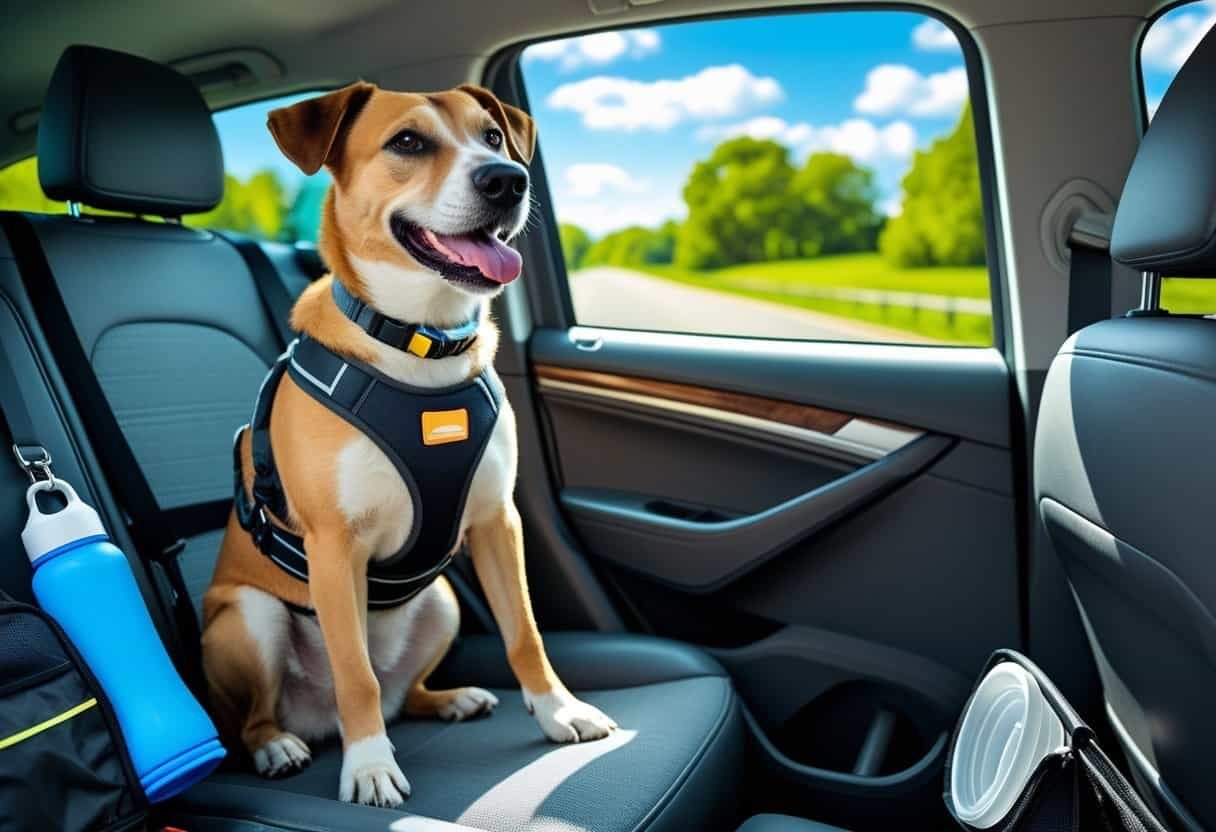
Getting a dog ready for travel can help reduce stress and keep everyone safer. Taking the right steps makes car rides smoother and helps prevent losing a pet during trips.
Car Rides and Secure Restraints
Always secure dogs in the car. Use a dog seat belt, harness, or sturdy crate to keep them safe if there’s a sudden stop or accident.
Unsecured dogs can become projectiles and get hurt—or hurt people. Many harnesses are crash-tested for extra peace of mind.
Don’t let your dog ride with its head out the window—it can cause eye injuries or worse. Dogs should never ride in the front seat, since airbags can hurt them.
For long trips, plan breaks every 2-3 hours so your dog can stretch, go potty, and drink water. Bring a familiar blanket or toy to help them relax.
For more, check out this traveling with your dog guide.
Identification and Microchipping
Proper identification is vital in case your dog gets lost while traveling. Every dog should wear a collar with an ID tag showing their name and your current phone number.
Add a temporary travel tag with your contact info and travel location. Microchipping gives permanent ID that shelters and vets can scan.
Double-check that your microchip info is registered and up to date. Carry a recent photo and copies of vaccination records just in case.
Both a collar tag and microchip give your lost dog the best shot at getting home. Find more travel safety and dog ID tips.
Socialization and Behavior Management
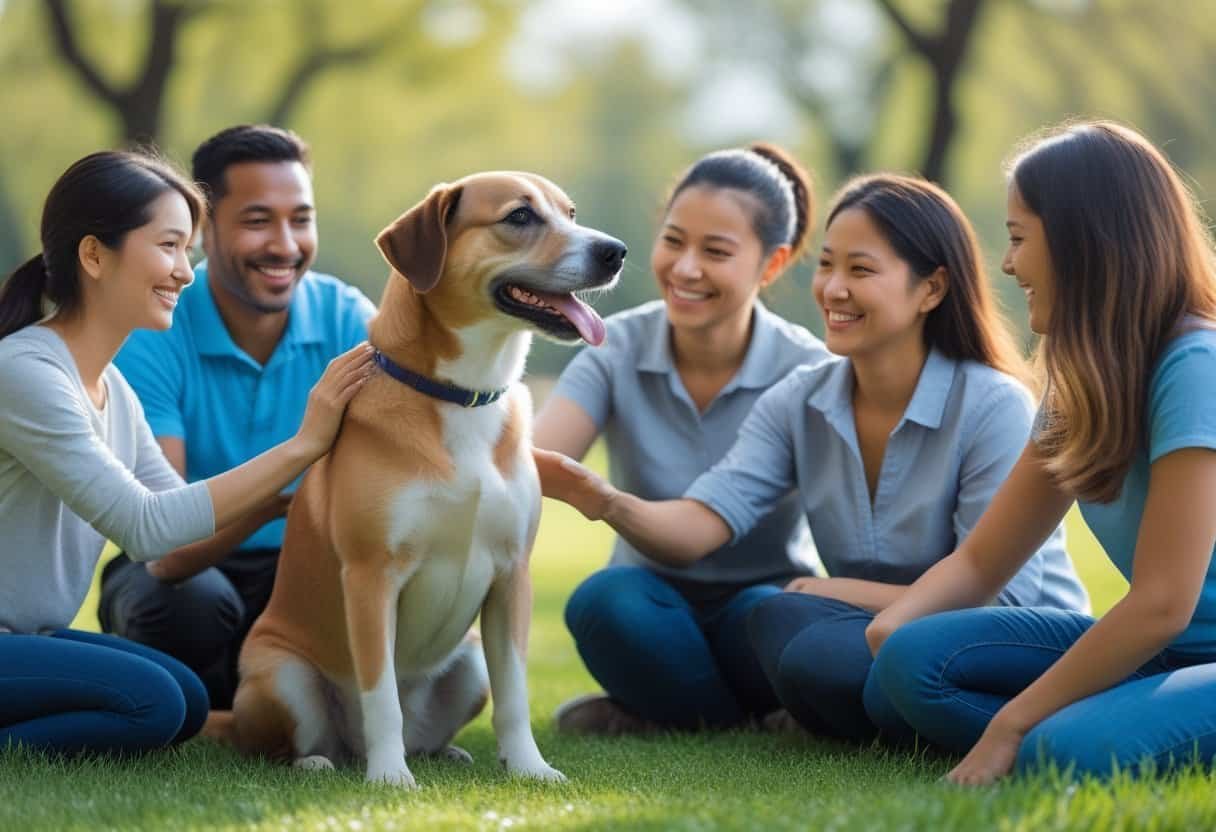
Early, positive experiences help dogs handle busy streets, loud noises, and friendly strangers. Tackling problem behaviors takes patience, consistency, and a bit of empathy.
Introducing Dogs to New Environments
A gradual approach works best when introducing dogs to new places. Short visits to parks, pet stores, or busy sidewalks help them get used to different sights, sounds, and smells.
Keep early outings short. Bring favorite treats or toys for encouragement.
Try these steps:
- Start with quiet spots, then slowly try busier places.
- Bring a calm friend or another dog if possible.
- Watch your dog’s body language for stress, like tucked tails or licking lips.
Positive reinforcement is key. Reward calm and relaxed behavior with praise and treats.
Socialization matters at every age. Puppies need safe, early exposure, while older dogs may need more patience to overcome fears.
For more advice, check these dog socialization tips.
Managing Problem Behaviors
Common problems like jumping, barking, or leash pulling usually come from excitement, boredom, or nerves.
Routine, clear rules, and reward-based training set boundaries and help dogs learn self-control.
Quick behavior management tips:
- Ignore attention-seeking behaviors like jumping.
- Redirect with a toy or ask for a “sit” before greeting.
Keep training sessions short and focus on one command at a time.
Reward good behavior right away—timing really matters.
Everyone in the house needs to stay consistent, or progress gets tricky.
If a dog shows signs of aggression or intense fear, talk to a professional trainer who uses positive methods.
Problems linked to poor socialization might take longer to work through, as mentioned in this complete dog socialization guide.
Spoiling Your Dog Responsibly
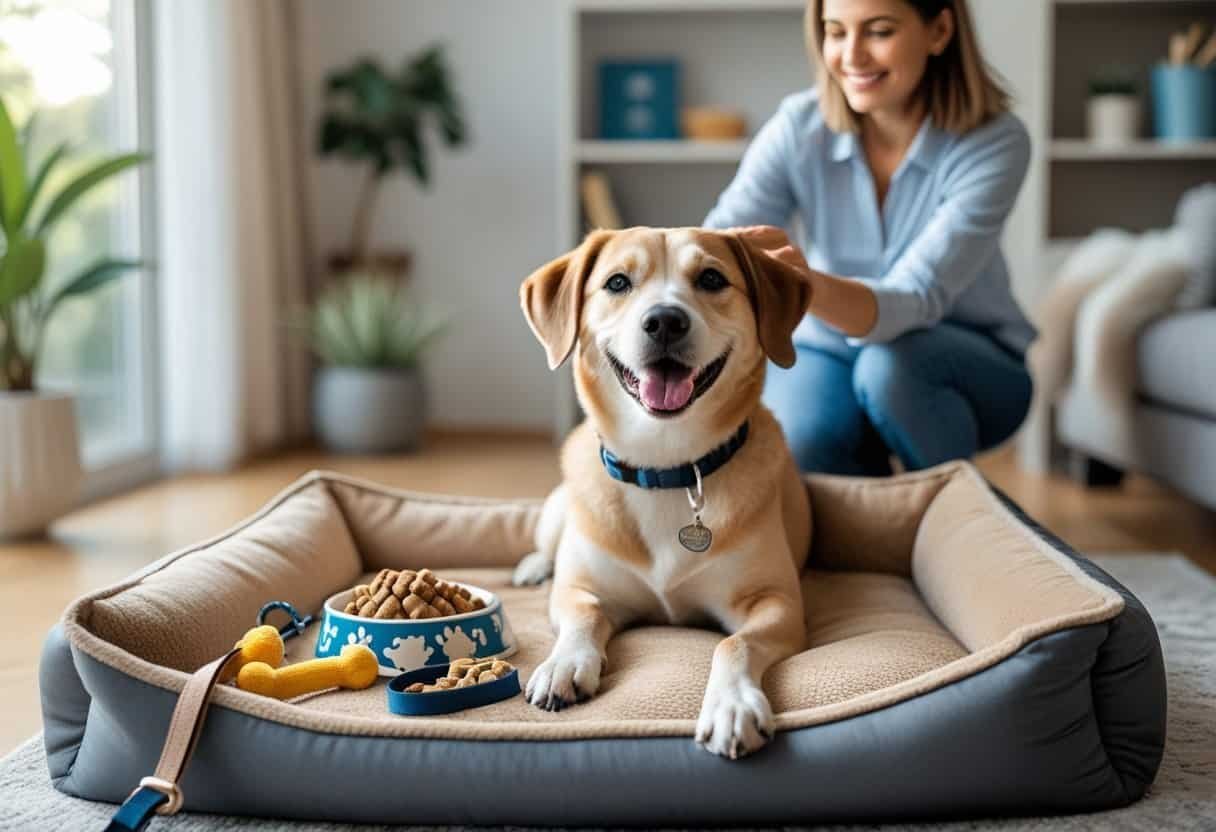
Giving your dog extra attention should support their health and happiness.
Small changes, like safe treats or new toys, can keep your bond strong and your pet engaged.
Choosing Safe Dog Treats
Start by reading ingredient labels when choosing treats.
Steer clear of artificial colors, added sugars, and preservatives.
Single-ingredient treats, like dried chicken or freeze-dried liver, are usually easier on a dog’s stomach and less likely to cause allergies.
Table: Examples of Safe Treat Ingredients
| Good Choices | Ingredients to Avoid |
|---|---|
| Chicken breast | Xylitol |
| Sweet potatoes | Artificial colors |
| Carrots | Added sugar |
| Salmon | Artificial preservatives |
Homemade treats can work well if you keep the recipe simple.
Steamed veggies or a bit of cooked meat are popular picks.
Experts say treats should stay under 10% of your dog’s daily calories to help them stay fit.
Using treats as training rewards makes lessons more fun and effective.
Interactive Toys and Enrichment
Dogs crave both physical and mental activity.
Puzzle feeders and interactive toys can make dogs think before they get a reward.
Balls that dispense treats, snuffle mats, and tug ropes are solid choices for play and training.
Switch up toys now and then to keep your dog interested.
Don’t overwhelm them with too many options at once.
Try toys with different textures or scents to see what your dog enjoys most.
For social pups, a safe dog daycare or playdate adds new experiences and enrichment, as suggested in these fun ways to spoil dogs.
Short training sessions or teaching new tricks also keep your dog’s brain healthy.
Frequently Asked Questions
Caring for a dog means regular health checks, good food, a safe home, and daily activity.
Learning to pick the right care products and handle problems with simple fixes also matters.
What are essential steps to ensure proper dog health care?
Routine vet visits, a balanced diet, and daily exercise keep dogs in good shape.
Dental care and up-to-date vaccinations are musts.
Give clean water and stick to a feeding schedule every day.
Grooming like brushing, nail trims, and ear checks can help you spot health issues early.
Pay attention to changes in behavior or appetite—they can be warning signs.
How can one effectively care for a dog without professional help?
You can follow simple feeding and health tips at home.
Grooming, regular walks, and play are all doable with the right tools.
Positive reinforcement training doesn’t require special skills.
Keep an eye out for illness and track shots and treatments at home.
What are the top care tips for dog owners?
Stick to a regular routine for meals, walks, and bathroom breaks.
Socialize your dog early with people and other animals to avoid behavior problems.
Be patient during training and reward good actions with praise or treats.
Give your dog a safe space to rest after play or stressful moments.
Could you list the necessary items for a dog’s wellbeing?
You’ll need a sturdy collar or harness, ID tags, and a strong leash.
Don’t forget clean food and water bowls, comfy bedding, and safe chew toys.
A crate or cozy sleeping spot helps with training and comfort.
Nail clippers, a brush, dog-friendly shampoo, and waste bags are also essentials.
What considerations should be taken when selecting dog care products?
Choose products that fit your dog’s size, breed, and age.
Look for healthy ingredients in food, and read treat and supplement labels.
Get grooming tools that match your dog’s coat to avoid problems.
Check reviews and ask your vet about new products, especially if you’re unsure.
Safety and quality should always come first, even if it takes a bit longer to decide.
What are the best pet care practices for first-time dog owners?
First-time owners should keep training sessions brief. Always end on a positive note, even if progress feels slow.
Stick with the same commands and house rules every time. Dogs seem to catch on faster when you keep things simple and consistent.
Find a trusted vet as soon as possible for advice and check-ups. Setting up a daily routine helps your dog settle in and feel safe—honestly, it helps you too.