Poodle Puppy Availability in Your Area
Finding a poodle puppy close to home means knowing where to look. You’ll need to understand what listings really say and consider any travel before bringing your new dog home.
The steps below help buyers navigate available poodle puppies, including standard and toy poodles. Making decisions that fit your needs and situation takes a bit of research.
How to Search for Poodle Puppies Near Me
Start your search using websites that list poodle puppies for sale. Large dog marketplaces, breed-specific sites, and local shelter listings all might have poodles and poodle mixes.
Use filters to narrow by zip code, breed, or age—try “toy poodles near me” for example. Some platforms let you search only for nearby sellers or breeders.
If you’re interested in adoption, check rescue sites and animal shelters. They often list poodles waiting for a home.
Always see if the sites offer breeder details, health guarantees, or links to the breeder’s own page. Reputable breeder directories don’t sell puppies directly but list qualified breeders by location.
It’s worth calling or emailing breeders to ask about current or upcoming litters. You can also sign up for alerts or newsletters to catch new listings as soon as they pop up.
Understanding Local Puppy Listings
When you look at listings, pay attention to what kind of poodle puppies they offer. Some will specify miniature, standard, or toy poodles; others just say “poodles for sale.”
Check the age, health guarantees, and whether vet checks are included. Breeder listings might mention AKC registration or health screenings for issues like hips or eyes.
Look for photos, videos, and clear breeder info. Sites like AKC Marketplace or PetClassifieds usually show puppy ages and certifications.
Rescue or shelter listings might focus more on temperament and age. Watch out for vague contact info, missing health documentation, or odd payment requests.
Ask questions before making any deposit or commitment. Don’t rush—trust your gut.
Evaluating Proximity and Travel Considerations
Distance really matters when picking a poodle puppy. Most people want to visit the litter, meet the breeder, and see where the pups live.
Some breeders or rescues are a short drive away. Others might be hours from home.
If you can’t travel far, try online maps or address searches to estimate trip time. Some breeders help with delivery or can meet at an airport—just check their policies and fees first.
Picking up a puppy might mean taking time off work or booking a pet-friendly hotel if it’s a long trip. Local options save time and reduce stress for everyone, puppy included.
If you’re buying from out of state, make sure you get all veterinary documents and ask about travel health requirements.
Choosing a Reputable Poodle Breeder
Picking a reputable poodle breeder is so important for a healthy, stable puppy. Look for breeders who care about health, socialization, and transparency.
Key Questions to Ask Breeders
When you talk with breeders, ask direct questions. How long have they worked with poodles? How many litters do they raise yearly?
Ask if you can visit and meet their adult dogs and puppies. Find out about health guarantees—good breeders offer written contracts that cover congenital health issues.
Do the puppies get vaccines, worming, and vet checks before going home? Ask to see health clearances for both parents, including tests for hips, eyes, and inherited diseases.
How do they socialize the puppies? Are the pups exposed to regular household life before adoption?
Here’s a checklist:
- How are puppies socialized?
- What health tests have the parents had?
- Is there a written health guarantee?
- Can I meet both puppy parents?
- Do you offer support after adoption?
How to Verify Breeder Credentials
Check a breeder’s reputation before buying. Do they belong to breed clubs like the Poodle Club of America? (That club refers breeders but doesn’t guarantee quality.)
Search the breeder’s name online for reviews or complaints. A clear, informative website is a good sign.
Established breeders usually share their philosophy, photos, and health certificates. Ask for proof of AKC registration and health test results.
Request references from families who’ve bought puppies before. If you can, visit the breeder’s property and see how the dogs live.
Reputable breeders are open about their dogs’ environment and willing to answer questions. You can find listings and resources at the Poodle Club of America.
The Importance of AKC Registration
AKC (American Kennel Club) registration means a poodle puppy comes from documented lineage. It helps buyers know they’re getting a purebred puppy with a traceable background.
AKC-registered breeders follow strict rules and must keep ethical standards. But registration alone doesn’t guarantee health or quality, so always check health records and breeder practices.
Some breeders offer full AKC registration (with breeding rights), while others give limited registration. Puppies with breeding rights usually cost more—sometimes several thousand dollars.
Always ask for AKC paperwork and review health documents before buying any poodle puppy.
Comparing Poodle Varieties
Poodles come in three main sizes. Each size has its own look, personality, and needs.
Knowing what makes each variety unique helps you find the right fit for your home.
Standard Poodle Traits
Standard Poodles are the biggest. Males stand over 15 inches at the shoulder, females just a bit less.
They usually weigh between 40 and 70 pounds. These dogs are smart, athletic, and friendly.
They thrive with active families who like running, swimming, or long walks. Standard poodle puppies grow into loyal companions and often do well in obedience training.
Grooming for standard poodles takes effort. Their curly coats need brushing several times a week to avoid mats.
Most people need a professional groomer every 6 to 8 weeks. Standards are among the smartest breeds and pick up new commands fast.
They’re usually great with kids, so families often love them.
Toy Poodle Distinctions
Toy poodles are tiny—10 inches or less at the shoulder, weighing just 4 to 6 pounds. Their small size means they need less space and exercise, so they’re good for apartments.
They bond closely with their owners and often like being carried or sitting on laps. Toy poodle puppies are delicate, so be careful around young kids.
They learn quickly and are eager to please. Toys adapt easily to training but need mental stimulation to avoid boredom.
Their small size brings some health risks, like low blood sugar. Regular meals and close monitoring are a must.
For more, check out this guide to poodle types.
Miniature Poodle Characteristics
Miniature poodles stand between 10 and 15 inches tall and weigh 10 to 15 pounds. They’re a great middle ground—bigger than toys, but easier to handle than standards.
Miniatures are lively and energetic. They love to play and often excel at dog sports.
Miniature poodle puppies fit well in many homes, even with kids. They’re trainable and social, so they’re popular with families and singles alike.
Like the other sizes, their coats need regular brushing and grooming. Miniatures usually have friendly, loving temperaments.
Their size works for most people, and they adjust to different living situations.
Poodle Puppy Health and Wellness
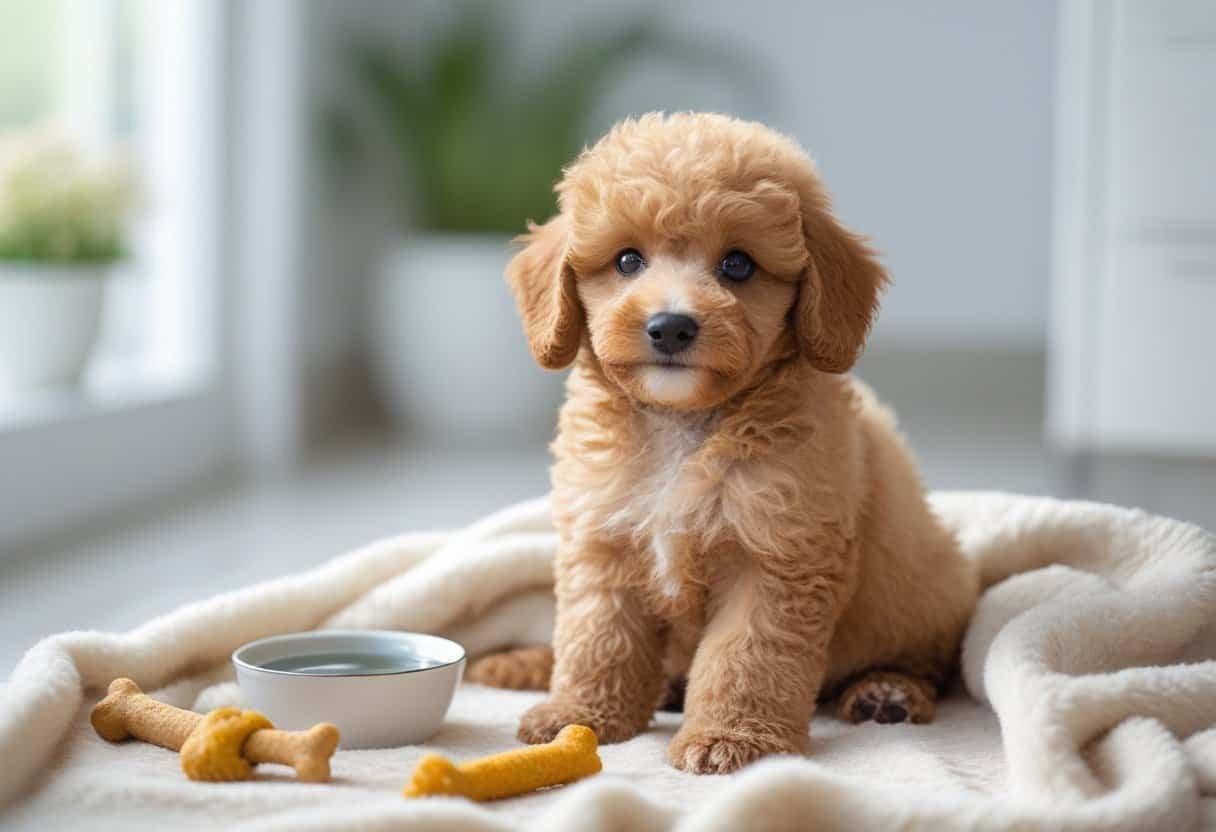
Poodle puppies need proper care to grow into healthy adults. Focus on health guarantees from breeders and make sure puppies get their shots and vet care on time.
Common Health Guarantees Offered
Good breeders usually offer a health guarantee for poodle puppies. This written promise covers common hereditary problems like hip dysplasia, eye diseases, and some hormone disorders.
Guarantees last from a few months up to two years, depending on the breeder. They’ll often require buyers to get the puppy checked by a vet soon after adoption.
Some breeders offer a refund or replacement if specific genetic health problems show up within the coverage period.
Many guarantees only apply if owners follow certain rules, like feeding quality dog food or keeping up with vet visits. Always read the guarantee carefully to know what’s covered and what you need to do.
You can learn more at common poodle health issues.
Vaccination and Vet Checks
Poodle puppies need a series of shots to protect against common diseases like parvovirus, distemper, and rabies. Puppies usually get their first vaccine at 6–8 weeks, then boosters every few weeks until about four months old.
Regular vet checks help monitor growth, weight, and catch health problems early. Vets check for parasites and give advice about worming or flea control at these visits.
Early vet care helps spot inherited health issues sometimes found in poodles. Responsible breeders provide a vaccination record and proof of vet checks before selling puppies.
This helps buyers know their new puppy starts out healthy. If you want more details, check out poodle health and care.
Temperament and Personality of Poodle Puppies
Poodle puppies really stand out for their loving personality and sharp intelligence. They’re cheerful companions who fit well in active homes and learn new things fast.
Affectionate Nature
Poodle puppies form close bonds with their families. They often trail their owners from room to room, wanting to be part of whatever’s going on.
These dogs really love human company. They’ll often nudge in for cuddles or look for a gentle game when things are quiet at home.
When socialized early, poodles usually greet new people and pets with a friendly attitude. They tend to get along well with children and can adapt to life with other animals.
Their need for attention means they do best in homes where someone’s around most of the time. If left alone for too long, they might get bored or anxious.
Poodles pick up on their owner’s moods, sometimes mirroring excitement or offering comfort. They’re rarely aggressive, but early socialization helps prevent shyness or nervous habits.
If you want a caring, loyal companion, poodles really fit the bill. You can find more about their loving personalities in this comprehensive temperament guide.
Intelligence and Trainability
Poodles have a reputation for being one of the smartest breeds out there. Even as puppies, they want to please and catch on to basic commands pretty fast.
Training sessions can be genuinely fun with them, especially if you use positive reinforcement. They love mental challenges, so puzzle toys and games help keep their minds busy.
Routine training is important. If you skip it, a bored poodle puppy will probably invent their own mischief—trust me, they’re clever.
Consistency matters because smart puppies sometimes test the rules. Many poodles enjoy learning tricks, basic manners, and even agility exercises.
If you’re an active family and can spend time training, you’ll probably be impressed by their quick understanding and playful spirit.
Grooming and Maintenance Requirements
Poodle puppies need frequent grooming to stay healthy and comfortable. Their unique coat and fast-growing nails make regular care a must.
Coat Types and Shedding
Poodles have a curly, dense coat that grows continuously and doesn’t shed much. That’s great for reducing loose hair and dander, but the curls trap dirt and tangle easily.
Daily or near-daily brushing is best to prevent mats and knots. If you skip brushing, mats show up fast—especially behind the ears and under the legs.
Mats can irritate skin and might even cause infections if ignored. Unlike some breeds, poodles also need professional grooming every 4 to 6 weeks for haircuts and coat trims.
A regular schedule keeps their coat the right length and helps them stay clean. Special cuts also help them move and play without discomfort.
Want more info? Check out this guide to poodle grooming.
Grooming Tools and Techniques
Start with the right tools. A slicker brush and a metal comb make daily coat care easier.
Slicker brushes tackle tangles, while metal combs help you find any mats close to the skin. Nail clippers, blunt-end scissors, and a gentle dog shampoo are also important.
Poodles have floppy ears that trap moisture, so regular ear cleaning is a must. Use a vet-recommended solution and check weekly for redness, dirt, or wax.
For more details, see this poodle ear maintenance guide.
Baths are usually needed every few weeks, unless your puppy gets extra dirty. Always dry the coat thoroughly to avoid skin problems. A professional groomer can help keep your puppy tidy and comfortable.
Home Preparation for Your Poodle Puppy
A safe, welcoming home helps your poodle puppy settle in faster. The right setup supports their curiosity and high energy, especially during those first weeks.
Puppy-Proofing Essentials
Poodle puppies love to play and explore, often with their mouths. Secure loose electrical cords and block off areas with heavy furniture that could tip over.
Pick up small objects from the floor so they don’t become choking hazards. Keep houseplants, cleaning products, and human food out of reach—they can be toxic.
Baby gates work well to block stairs or rooms you want off-limits. Make sure windows and doors close tightly.
If you have a backyard, check the fence for any holes or gaps—these pups can be surprisingly quick. Set up a potty area outside if you can.
Need more ideas? See this puppy-proofing list.
Supplies and Equipment Checklist
Get your supplies ready before your poodle puppy comes home. Here’s the basics:
- Stainless steel or ceramic food and water bowls
- High-quality puppy food for growth
- Soft, washable bed in a quiet spot
- Size-appropriate crate for training and travel
- Leash and adjustable harness or collar
- Chew toys and puzzle toys for their energy
A pin brush, slicker brush, and metal comb help with poodle coat care. Set up a grooming area—curly fur needs regular attention.
Keep things simple and clean so your puppy feels at home right away. Here’s a shopping list for new poodle puppies if you want more ideas.
Feeding and Nutrition Guidelines
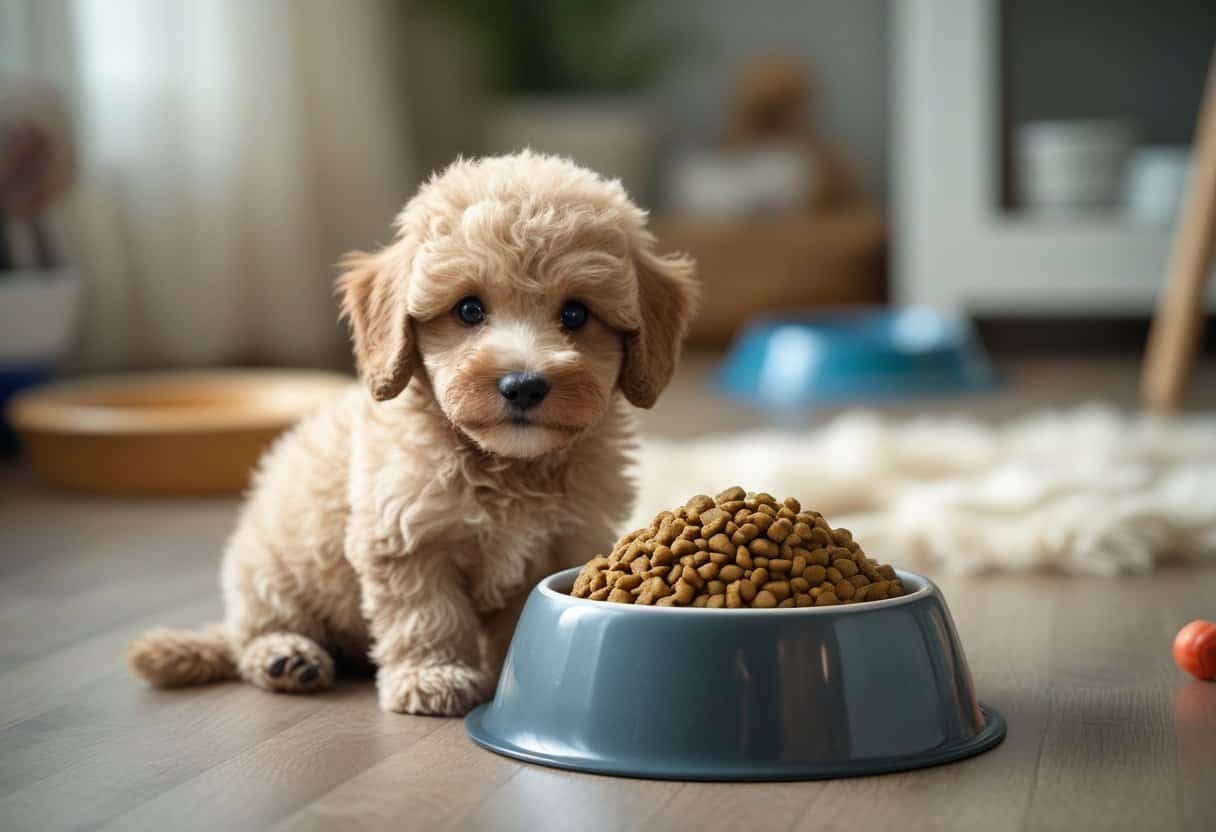
Poodle puppies need a diet that supports fast growth and high energy. It’s worth focusing on the right food types, amounts, and feeding times to keep your puppy healthy.
Recommended Diet for Poodle Puppies
A high-quality puppy food is the best bet for growing poodles. Look for real meat as the first ingredient, balanced with fats, carbs, and essential nutrients.
Foods made for small or medium breeds usually work well. Here’s what a typical poodle puppy diet should include:
- Protein: At least 22–28% for muscle growth.
- Fat: 8–15% for energy and a healthy coat.
- DHA and Omega-3s: For brain and eye development.
- Calcium and Phosphorus: For bone growth.
Skip foods with artificial colors, flavors, or fillers like corn and soy. Always offer fresh water. For more info, check out this feeding guide for poodles.
Portion Control and Feeding Schedules
Poodle puppies need different amounts of food as they grow. Puppies under 3 months can be free-fed—leave food out all day.
From 3 to 6 months, feed three meals a day. After 6 months, two meals a day is enough.
Here’s a quick breakdown:
| Age | Meals/Day | Amount per Meal |
|---|---|---|
| 2-3 months | Unlimited | Small, frequent portions |
| 3-6 months | 3 | 1/2 to 1 cup per meal |
| 6-12 months | 2 | 1 to 1.5 cups per meal |
Use a dry-cup to measure food and avoid overfeeding. Watch your puppy’s weight and adjust as needed. For more on meal timing and quantities, see this poodle feeding chart.
Exercise and Activity Needs
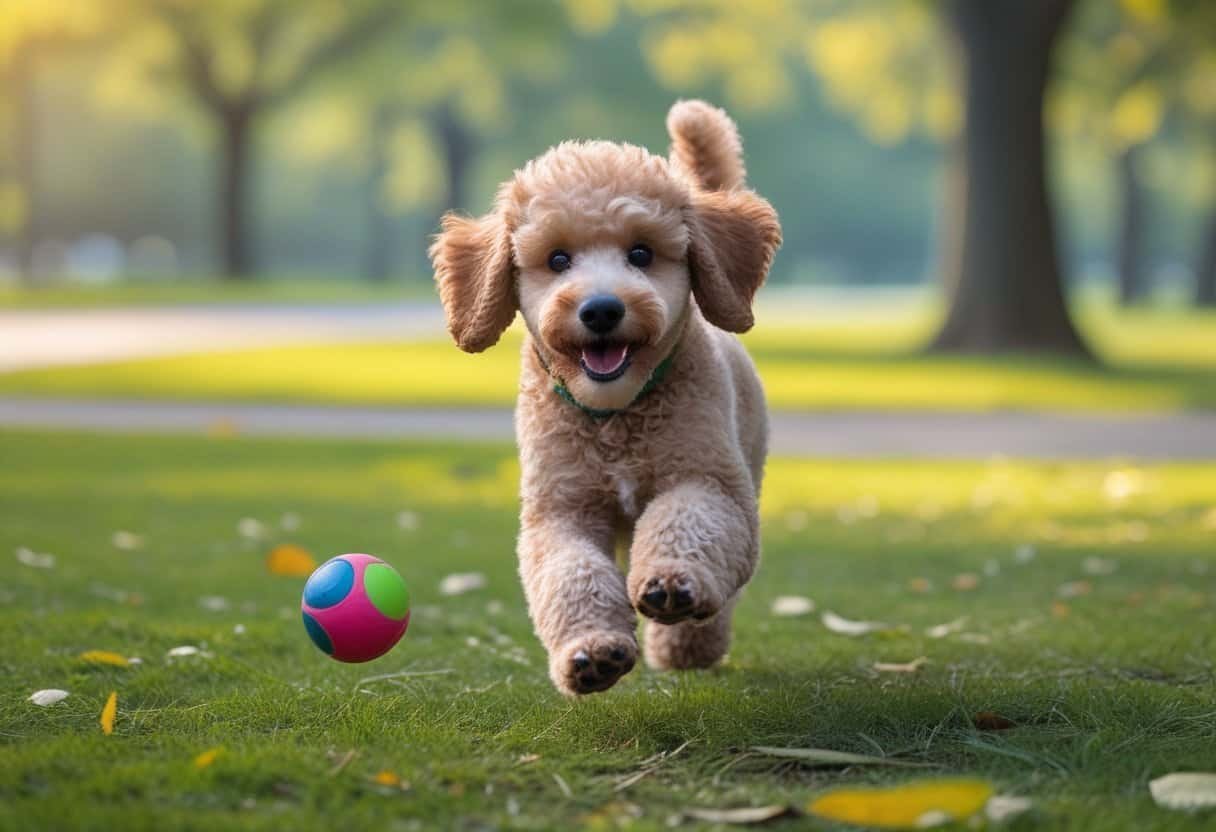
Poodle puppies are smart and active, needing both physical and mental activity to stay happy. Meeting their energy needs helps prevent boredom and unwanted habits.
Physical Activities for Poodle Puppies
Poodle puppies have a moderate to high energy level and need daily exercise. A good rule: about 5 minutes of structured activity per month of age, twice a day.
So, a 4-month-old puppy could handle two 20-minute walks or playtimes. Active games like fetch, short walks, and gentle play in a fenced yard are ideal.
Don’t overdo running or jumping on hard surfaces until they’re older—protect those joints. Here are some sample activities:
- Short leash walks
- Gentle tug-of-war
- Fetch with soft toys
- Puppy playdates with friendly pups
Always supervise when outside. Adjust the length and intensity to your puppy’s age and energy. For more, see this safe puppy exercise guide.
Mental Stimulation Tips
Poodles are known for their sharp minds and need daily mental challenges. Boredom can lead to negative behaviors, so mix up activities that make them think.
Here are some easy ways to add mental stimulation:
- Food puzzle toys
- Basic obedience training like sit, stay, and come
- Hide treats under cups for a “shell game”
- Rotate new toys often
Keep training sessions short—5 to 10 minutes usually works best. Reward good responses and give breaks if your puppy seems tired.
Offer safe chew toys when you need to leave them alone for a bit. As your puppy grows, switch up mental games to keep things interesting.
If you’re curious, here’s more on meeting poodle exercise and mental needs.
Training Your Poodle Puppy
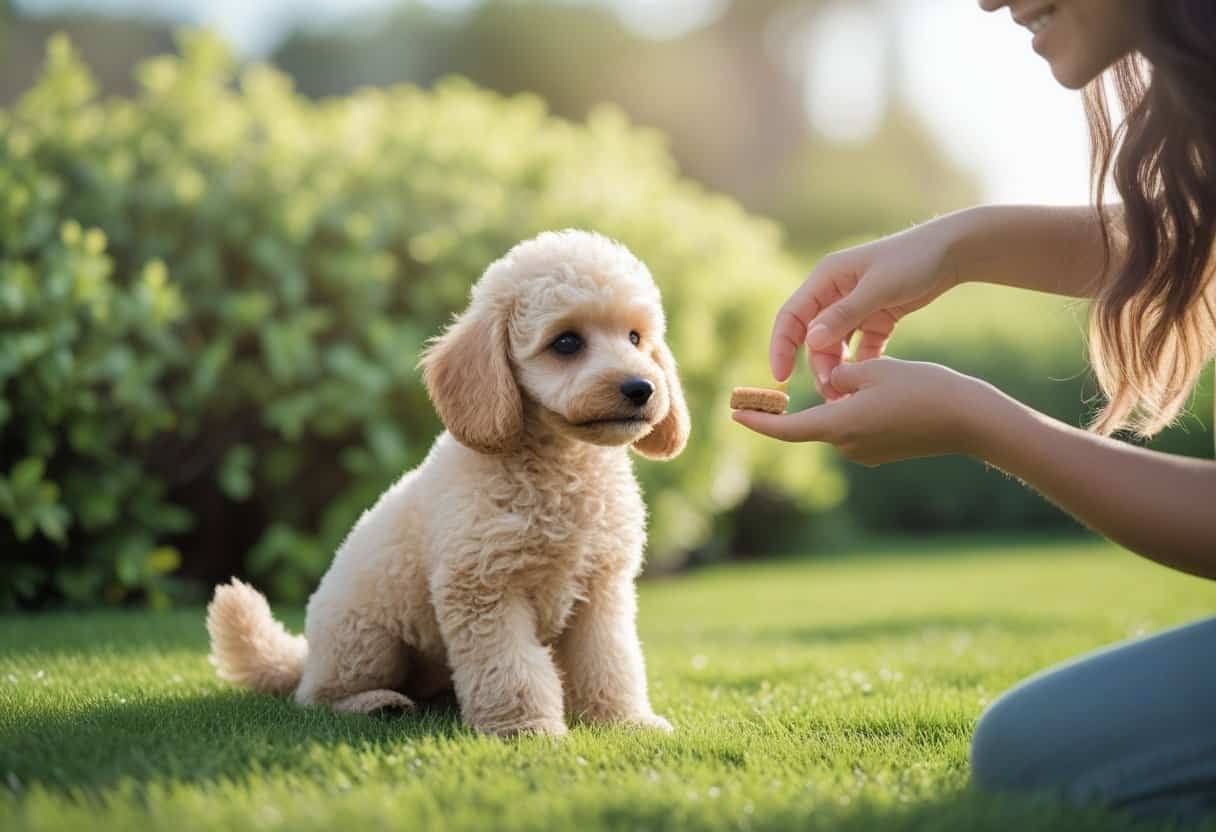
Poodles are smart and affectionate, so they’re usually eager to learn and please. Training early helps shape good habits and builds a strong bond.
Basic Obedience Skills
Teaching basic commands like sit, stay, and come works best if you start early. Here are some key tips:
- Use positive reinforcement like treats and praise.
- Keep training sessions short—5 to 10 minutes is plenty.
- Practice every day to help your puppy remember.
Most poodles pick things up quickly because they want to learn. Focus on one command at a time. Add new ones as your puppy masters each skill.
Rewards help speed up progress and build trust. Group training classes can also help with socialization—look for classes with accredited trainers, like those at PetSmart dog training programs.
Housebreaking
Housebreaking a poodle puppy takes patience. You’ll need to stick with a consistent routine and give regular bathroom breaks.
Steps to Success:
- Take your puppy outside first thing in the morning. Go out again after meals and before bed.
- Always use the same spot outdoors.
- Reward your puppy right after they go where they should.
Watch for signs like whining or circling—those usually mean it’s time to go out. Don’t punish accidents; just clean up and bring your puppy outside again.
Crate training can help, too. It gives your poodle a safe spot and cuts down on accidents.
Young dogs have tiny bladders, so a regular schedule matters a lot. For more tips, check out this poodle puppy housebreaking guide.
Socialization and Interaction with Family
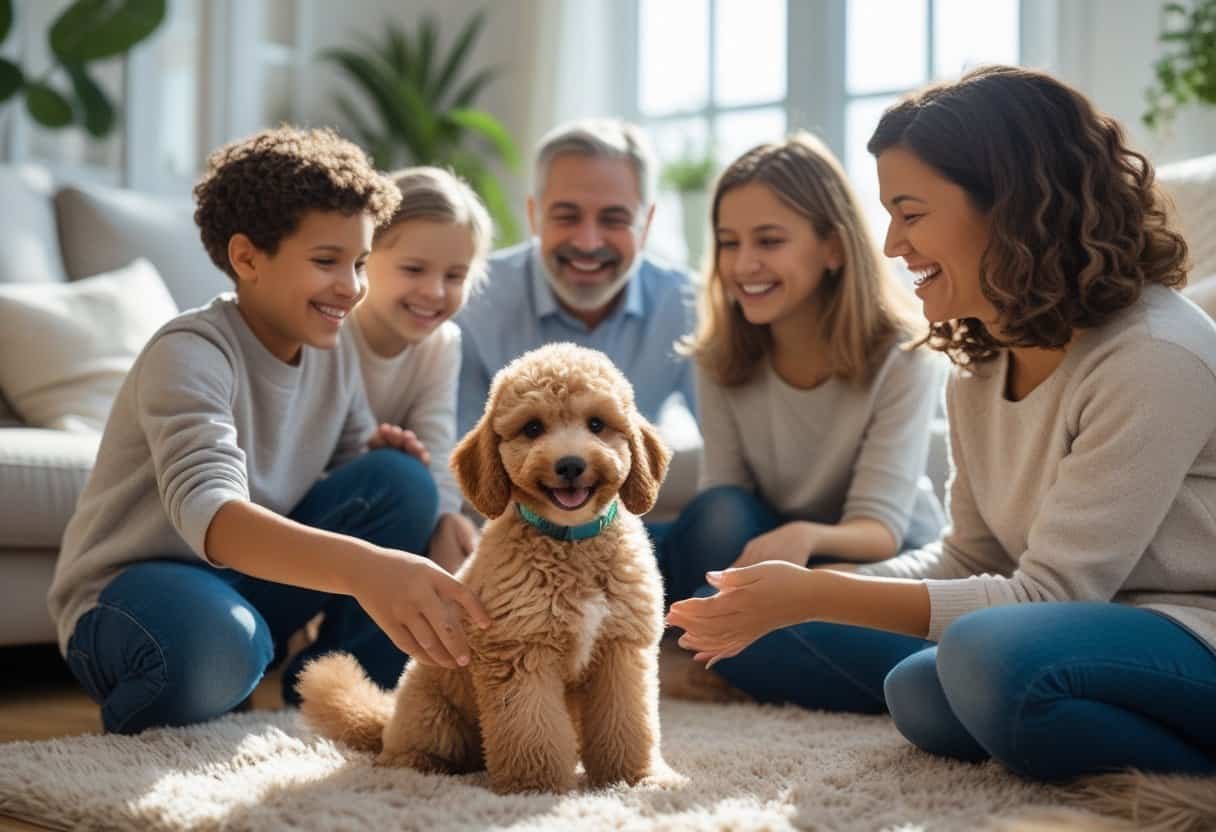
A poodle puppy’s affectionate side really shines with early socialization. Positive experiences with people and animals help them grow up into friendly, confident dogs.
Positive Introductions to Children
Introducing a poodle puppy to kids works best if you keep things calm. Let children sit on the floor and let the puppy come to them, using slow movements and soft voices.
This makes the puppy feel safe and lets it explore without pressure. It’s important to set some ground rules.
Show kids how to pet gently and avoid grabbing tails, ears, or fur. Sudden hugs can startle a puppy, so skip those.
Short, supervised play sessions help build trust. Use treats and praise when the puppy stays calm around children.
That way, meeting kids becomes a good thing. If you want more ideas, take a look at this puppy socialization guide.
Integration with Other Pets
Poodles are pretty social and can get along with other pets if you introduce them the right way. Before meeting, let the animals sniff each other’s toys or blankets.
When it’s time for a face-to-face, keep dogs on leashes and use gates for other pets. Keep the meetings short and positive to avoid chaos.
Reward both pets with treats when they stay calm. Watch for relaxed body language—wagging tails, playful bows—those are good signs.
If you notice stress, separate them and try again later. Gradual, positive introductions teach your poodle how to get along with other animals.
Want more strategies? Here are some poodle puppy socialization tips.
Frequently Asked Questions
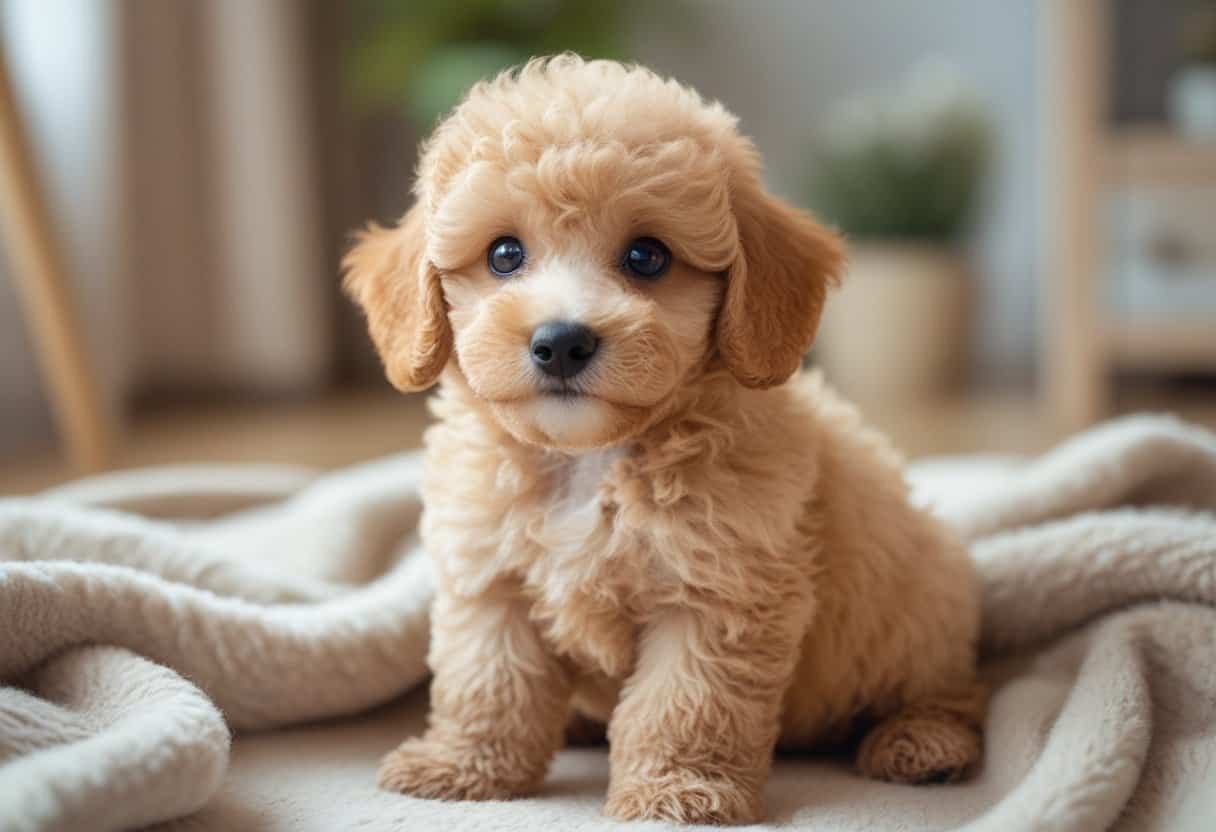
Finding the right poodle puppy can feel overwhelming. There’s a lot to think about—breeders, price, size, adoption steps, health, and what’s special about toy poodles.
How do I find a reputable poodle puppy breeder?
A good breeder should let you visit and meet the puppy’s parents. Puppies should live in clean spaces, look healthy, and act social.
Ask for health records and proof of vet checks. If the breeder belongs to a poodle club, that’s usually a good sign.
You’ll find more tips and questions to ask at Poodle Me Up.
What is the typical price range for a poodle puppy?
Price depends on size, color, pedigree, and the breeder’s reputation. Standard poodles often cost around $1,000, but prices can jump if the puppy has champion bloodlines or if demand is high.
Miniature and toy poodles might be more or less expensive, depending on the breeder and health testing. For more about standard poodle prices, check Nahf.
What are the different sizes of poodle puppies available?
Poodles come in three main sizes: toy, miniature, and standard.
Toy poodles are under 10 inches tall at the shoulder. Miniature poodles stand 10 to 15 inches, and standard poodles are over 15 inches.
Size affects exercise, grooming, and what kind of home suits the puppy best.
How can I safely adopt a poodle puppy?
When adopting, look into the rescue or shelter’s background. Ask about the puppy’s health and history.
Pick organizations that offer vet records, deworming, and vaccinations. Visit the puppy before you bring it home to make sure it’s healthy and friendly.
If you want more advice, see these safe adoption steps at Furs’n’Paws.
What are the key points to consider when buying a toy poodle?
Toy poodles are tiny and can get hurt easily, so gentle handling is a must. They get cold fast and might need sweaters in chilly weather.
Their small tummies mean they need small, frequent meals. Usually, they’re not ideal for homes with toddlers.
For more on caring for small poodles, visit The Poodle Information Center.
What health issues should I be aware of before getting a poodle puppy?
Poodles can run into a few health problems. You might see hip dysplasia, eye issues, skin conditions, or even ear infections pop up.
It’s smart to schedule regular checkups and catch things early if you can. Ask breeders directly for health test results, especially when it comes to hereditary stuff.
Responsible breeders usually explain what tests they’ve done on the parents. If you’re curious or want to dig deeper, check out Poodle Me Up’s FAQ.