Understanding Their Coat
A pet’s coat isn’t just for looks. It acts as a shield, keeps them the right temperature, and can signal health or illness.
Coat Structure and Function
The coat has layers of fur or hair that protect the skin. These layers help keep out dirt, moisture, and even harmful UV rays.
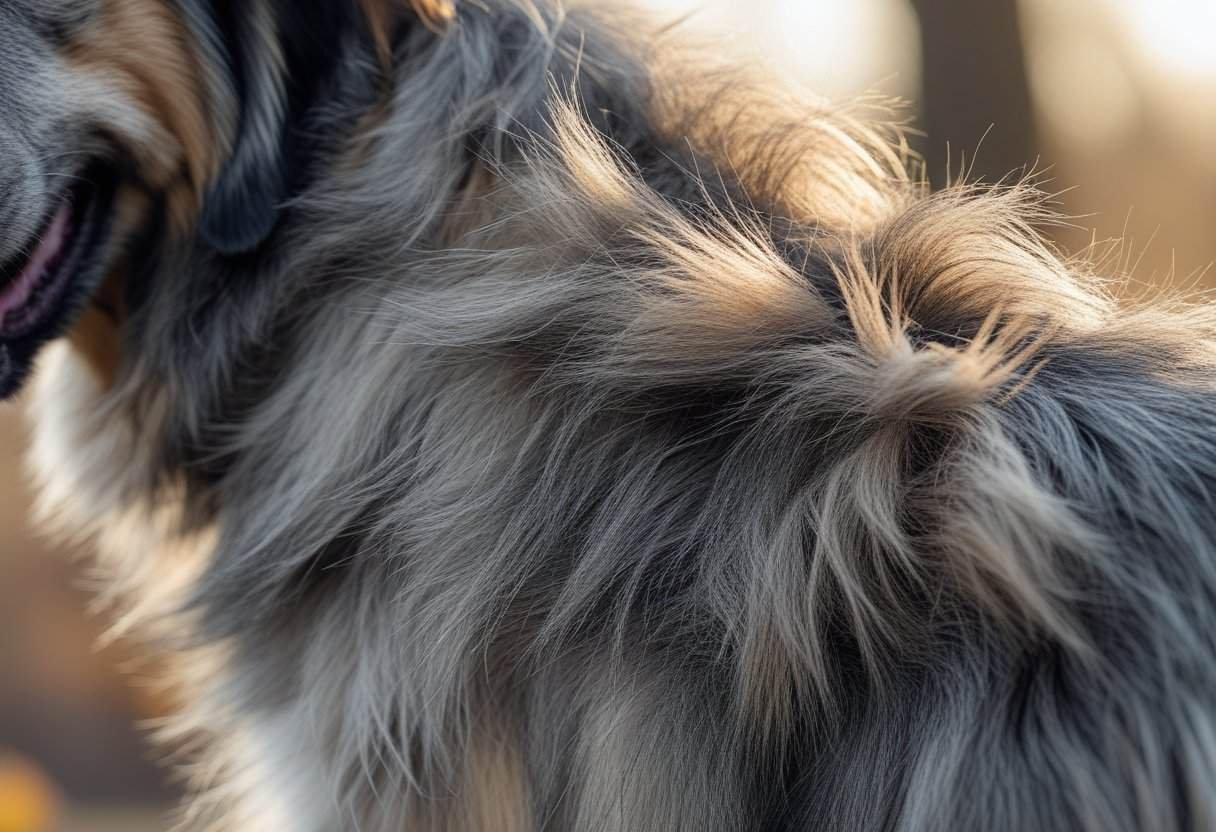
You’ll find two main parts: the undercoat and the outer coat. The outer coat grows longer and looks shinier, shielding the body from sun, rain, and scratches.
The undercoat is soft and dense. It insulates, trapping warmth in cold weather and blocking heat in summer.
Animals have coats built for their needs. Some breeds have short, fine coats, while others develop thick fur to handle harsh winters.
Differences Between Single and Double Coat
Some animals have a single coat, just one layer made up mostly of guard hairs. Single coats shed less and don’t mat as easily, which makes them easier to manage.
Others have a double coat, with a soft undercoat and a rougher outer layer. Think of Huskies and Golden Retrievers—these breeds rely on double coats for extra protection and insulation.
Double-coated pets need more grooming. Dead undercoat fur can get trapped, leading to mats if ignored. Curious about Schnauzers or other breeds? Check out this guide to understanding coat composition.
Role of the Undercoat and Outer Coat
The undercoat keeps pets warm in winter by holding in body heat. When the weather warms up, shedding the undercoat helps them stay cool.
The outer coat gives color and texture. It also sheds water and protects against scratches.
Double-coated pets often shed their undercoat with the seasons. Brushing helps remove loose hairs and keeps skin healthy. Learning about coat layers really matters for proper grooming, as explained in this guide to dog and cat coat types.
Coat Development from Puppy to Adult
A dog’s coat changes a lot from puppyhood to adulthood. These changes affect how the fur feels, its color, and how much grooming you’ll need to do over time.
Puppy Coat Characteristics
Puppy fur is usually soft, fluffy, and finer than adult fur. It keeps puppies warm and can be short or long depending on the breed.
Most puppies start with just one layer, making their fur feel lighter and silkier. The color and texture can look pretty different from what it’ll be later. Some puppy coats are straight, while others are wavy or curly at the ends.
Common features of puppy coats:
- Thin, wispy texture
- Bright, even coloring
- Easy to brush, rarely tangles
This first coat eventually sheds as the puppy matures and the adult coat grows in.
Transition to Adult Coat
Most puppies begin losing their puppy coat and growing their adult coat between 4 and 6 months old. Timing really depends on the breed—some long-haired dogs take up to two years to finish.
During this change, the coat can look patchy or uneven, a stage some call the “puppy uglies.” Brushing matters now because old fur can tangle with the new, leading to mats.
Some breeds shed their puppy fur all at once, while others change gradually. You’ll probably notice more loose fur around the house during this time.
Grooming regularly during this stage helps prevent knots and keeps the coat in good shape.
Color and Texture Changes
The color and texture of a dog’s fur can shift a lot as it grows. Dalmatians, for example, are born white and develop spots as their adult fur grows in.
Black puppies might turn brown, and white ones may become cream or tan. The adult coat is usually thicker, sometimes coarser or more weather-resistant.
Texture can change too—fur may get curlier or straighter, depending on genetics. These shifts help dogs adapt to their environment and the seasons. It’s worth checking and caring for the coat during this stage to spot any problems early.
Types of Dog Coats by Breed
Dog breeds have all kinds of coat types. These differences affect shedding, grooming needs, and how well dogs handle weather.
Some breeds have two layers of fur, others just one, according to the ASPCA Dog Care.
Double-Coated Breeds
Double-coated breeds have a soft, insulating undercoat and a tougher outer coat. This combo protects them from cold and moisture.
Popular double-coated breeds include Huskies, Labs, German Shepherds, and Golden Retrievers. The undercoat is dense and tends to shed seasonally, so these dogs need extra brushing when they’re dropping fur.
Double-coated dogs handle harsh weather pretty well thanks to their coats’ insulation and water resistance. Don’t shave these coats—it can mess up their natural protection. Grooming with an undercoat rake and slicker brush helps keep shedding and mats under control. Curious about coat types? Here’s a guide to different types of dog coats.
Single-Coated Breeds
Single-coated breeds have just one layer of fur. The coat can be short or long, but there’s no thick undercoat.
Examples include Poodles, Dalmatians, and Greyhounds. Single coats usually shed less, which is nice for folks who want less fur on the couch.
These dogs may need different grooming tools—pin brushes or mitts, depending on the coat. Single-coated breeds feel temperature changes more, so they might need extra warmth in winter. You can read more about single and double-coated breeds.
Shedding Cycles and Patterns
Animals lose and regrow fur through shedding. Shedding helps regulate temperature and keeps the coat healthy by removing old hair.
Seasonal Shedding and Molting
Many animals go through seasonal shedding as daylight and temperature shift. In spring, they shed thick winter coats to stay cool. You’ll see this a lot in Huskies, Golden Retrievers, and wild mammals.
When fall hits, animals grow a denser coat to prep for winter. This process is called molting. Some pets shed all year, but the biggest changes usually match up with the seasons.
Indoor pets might not shed as predictably. Artificial light and climate control can throw off their cycles. Still, indoor cats often shed based on how much light they get each day. Here’s more on seasonal shedding in animals.
Factors Affecting Shedding Rates
A few things influence how much and how often an animal sheds. Genetics is a big one—some breeds, especially double-coated ones like Huskies, shed a ton. Breeds like Poodles with curly coats usually shed less.
Other factors: diet, stress, health problems, how often you groom, and changes in the environment. Regular brushing definitely helps control loose hair. Poor nutrition or health issues can make shedding worse. Age and medical conditions like allergies or skin infections can also play a role.
Shedding patterns are unique to each animal. Even within a breed, every pet seems to have its own cycle. There’s more about what affects shedding at coat length and shedding patterns.
Dog Breeds Notable for Their Coat
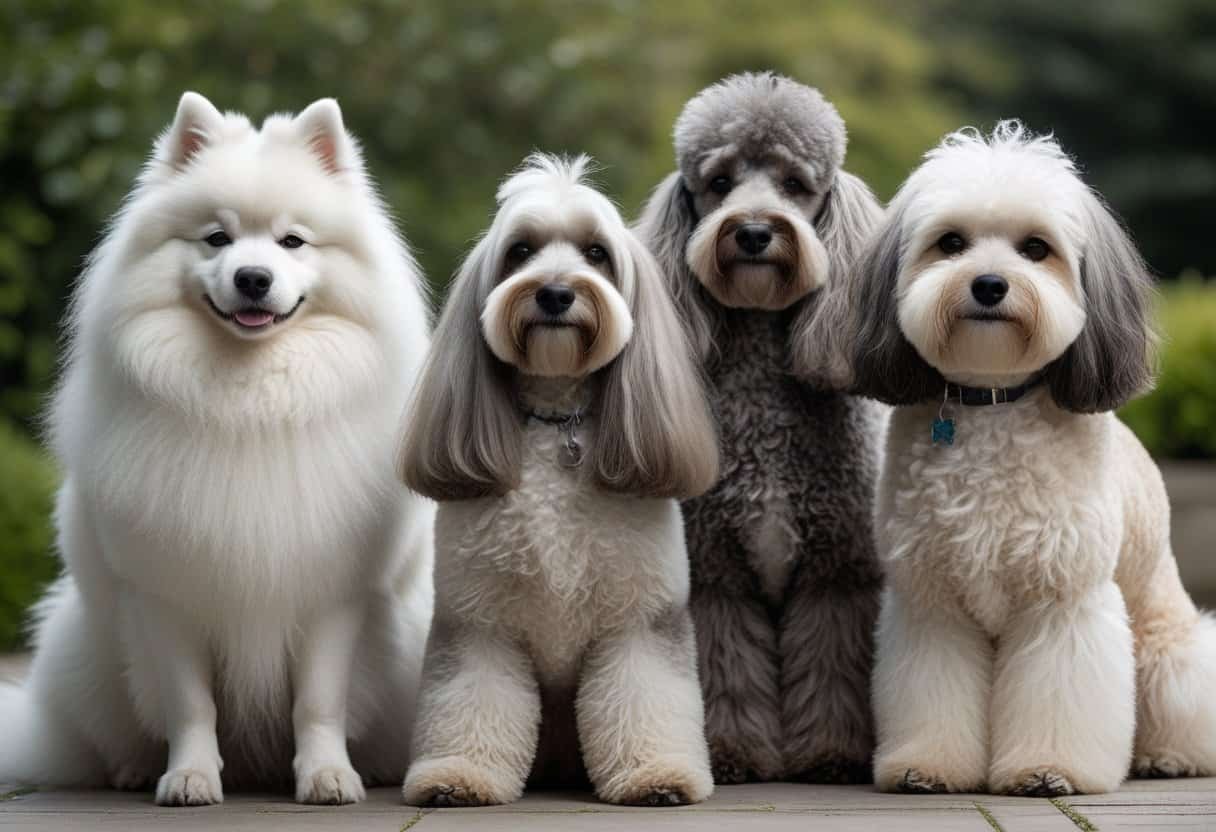
Some breeds have coats that really stand out or need special care. Labrador Retrievers and Dalmatians are classic examples, each with their own quirks.
Labrador Retrievers: Shedding and Care
Labs have a double coat with a soft undercoat and a water-resistant outer layer. This setup keeps them warm and dry, especially when swimming.
Their coats shed a lot, especially in spring and fall. Owners often find loose fur everywhere. Regular brushing—at least twice a week with a slicker brush or de-shedding tool—helps keep hair off your stuff.
Labs don’t need frequent baths, but a wash now and then keeps their skin healthy. A good diet also supports healthy coat growth and can help with shedding.
Dalmatians: Distinctive Coat Features
Dalmatians are famous for their short, smooth white coat with unique black or liver spots. The spots show up a few weeks after birth, making each Dalmatian one-of-a-kind.
Their coat is dense and sheds all year, even though it’s short. Shedding is steady, not just seasonal. Daily brushing helps control loose hair and keeps their coat looking nice.
Dalmatians can have sensitive skin, so gentle grooming tools work best. Some develop allergies or skin issues, so regular care helps avoid irritation and keeps their spots glossy. Want to see more unique coat patterns? Check out doggodigest.com/10-dog-breeds-with-the-most-unique-coat-patterns-2-267266.
Grooming Their Coat
Regular grooming keeps a dog’s coat healthy and clean. Using the right tools and routines for your dog’s coat type makes the whole process a lot easier—and honestly, kind of satisfying.
Brushing Techniques and Tools
For most dogs, brushing is the key grooming step. The type of brush you use really matters for different coats.
Dogs with double coats or thick undercoats do best with a slicker brush. It grabs loose fur and helps stop mats from forming.
Slicker brushes have fine, short wires packed close together. They can work through knots and tangles gently, without hurting the dog’s skin.
Short-haired breeds? A soft bristle brush or rubber curry brush usually does the trick. These remove dirt and spread natural oils.
When you brush, start at the head and move toward the tail. Be gentle on sensitive spots—behind the ears and under the legs are mat magnets.
Brushing a few times a week, or daily for heavy shedders, cuts down on shedding and keeps the coat looking sharp. If you want more detail, check out these brushing techniques for different coat types.
Maintaining Coat Health
Keeping a coat healthy takes more than just brushing. Regular baths with a mild dog shampoo remove dirt and make fur shine.
Dogs with a double coat or thick undercoat need to be dried completely after a bath. Damp fur can cause skin problems and mats.
A wide-tooth comb helps work through damp fur, especially for curly or long-haired breeds.
A balanced diet with enough protein and omega fatty acids supports a glossy, strong coat. Always check for fleas and ticks during grooming.
Trim overgrown fur, especially around paws and the rear. That helps keep your dog clean and comfortable.
For more on tools and tips for specific coat types and breeds, pick products designed for your dog’s unique fur.
Bathing Guidelines for Different Coats
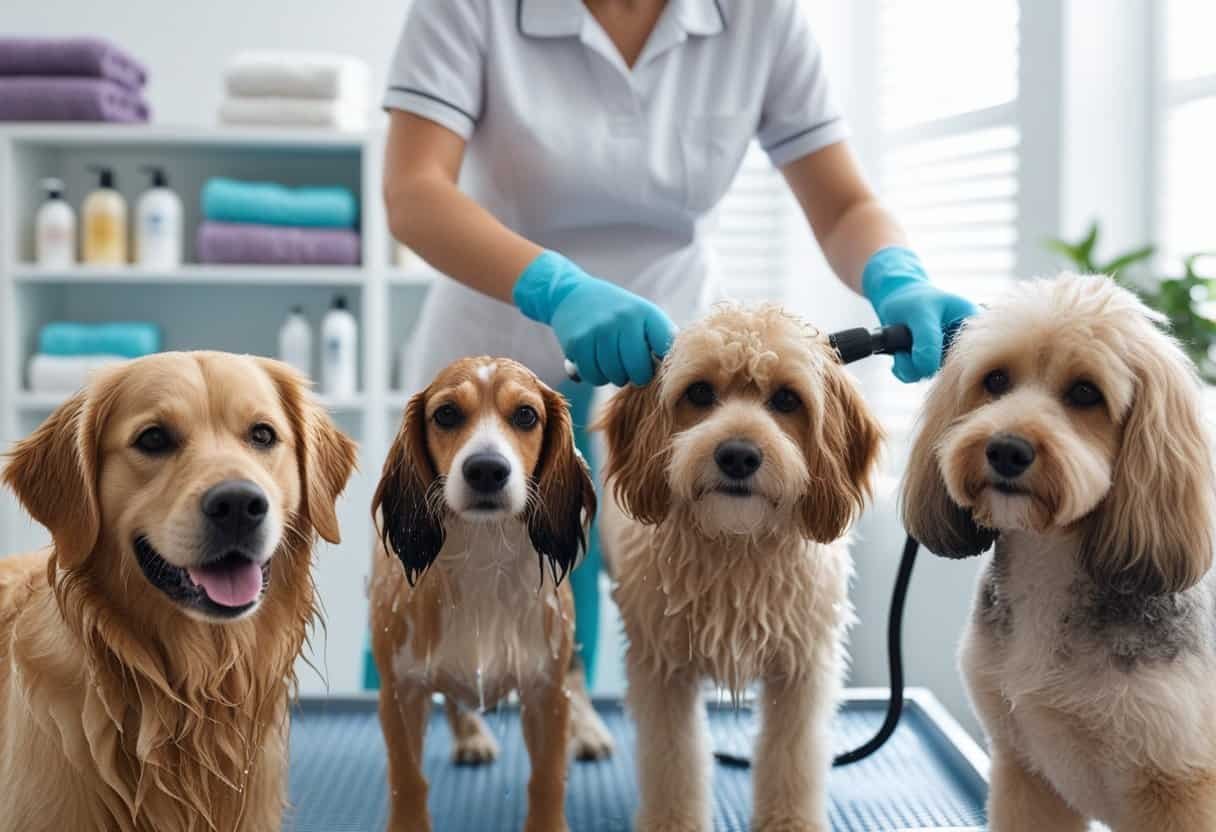
Different coat types need their own approach to stay clean and comfy. Bathing frequency and the right dog shampoo make a big difference for your dog’s skin and fur.
How Often to Bathe
How often you bathe your dog depends on coat type, breed, and how messy they get. Short-haired breeds usually only need a bath every 2-3 months, unless they get into something gross.
Medium or long-haired dogs often need monthly baths to keep mats away. For double-coated breeds like Huskies or Goldens, don’t overdo it. Too many baths strip away natural oils and dry out the coat.
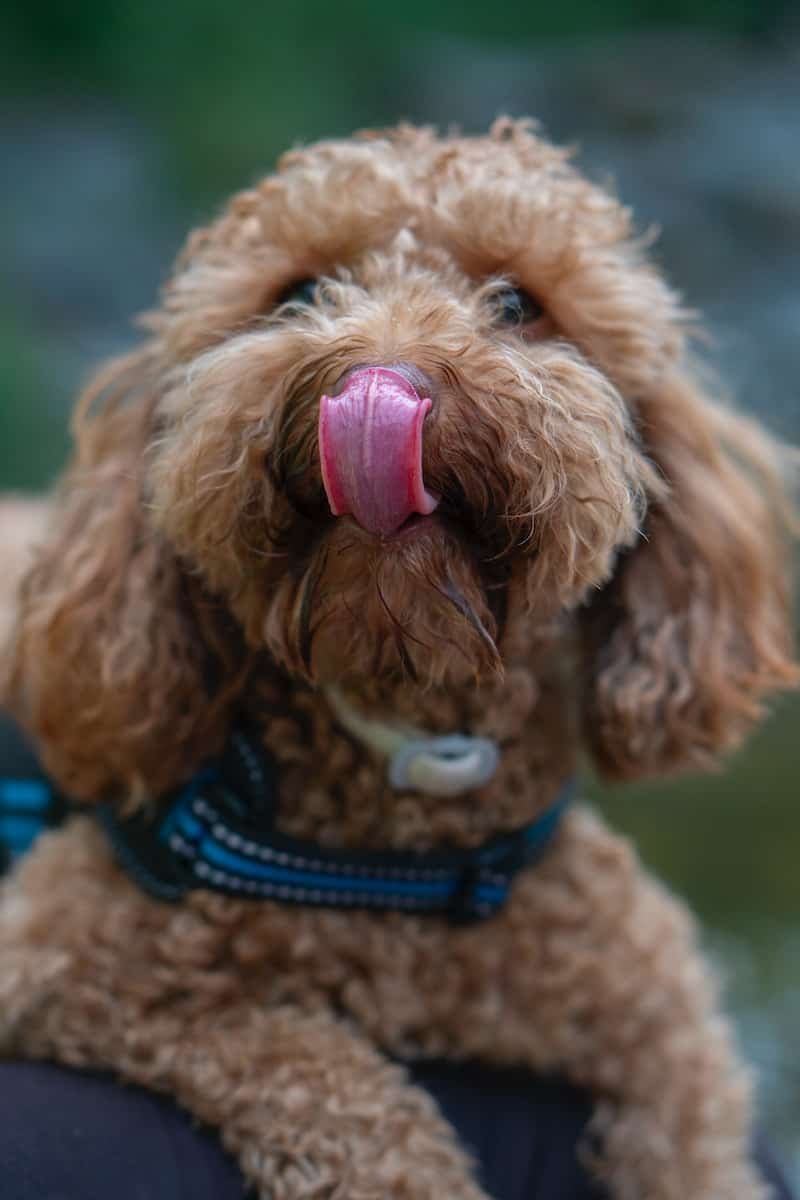
Once every 1-2 months is usually enough for double coats, with regular brushing in between. Curly or wiry coats—think Poodles or Terriers—might need a bath every 3-6 weeks to fight odor and tangles.
If your dog has skin problems or allergies, a vet might suggest a special bathing routine. After swimming or rolling in mud, you’ll probably have to bathe sooner, but don’t over-wash or you risk messing up their skin’s balance.
For more on how often to bathe by coat, here’s a helpful guide.
Choosing the Right Dog Shampoo
Picking the right shampoo for your dog’s coat really matters. Never use human shampoo—it can irritate their skin.
For short or smooth coats, a gentle, basic dog shampoo is usually enough. Double-coated breeds need a moisturizing formula to keep their thick undercoat from drying out, according to the AKC Grooming Guide.
Curly or wiry coats do best with shampoos that include conditioners, which help prevent tangles and make brushing easier. If your dog has sensitive skin, look for labels like “hypoallergenic” or “sensitive skin.”
Dogs with allergies or skin issues often need medicated shampoos from the vet. Always rinse thoroughly—leftover shampoo can make them itchy.
Want more product tips? Check out this dog coat bathing techniques guide.
Managing Excessive Shedding
Dogs shed as part of their natural hair cycle. Too much fur around the house can get annoying fast.
A few smart steps can help keep shedding under control and your dog’s coat looking better.
Regular Brushing and Grooming Strategies
Brushing your dog on a set schedule is the best way to cut down on loose hair. A slicker brush grabs dead hairs before they end up all over your couch.
Long-haired breeds sometimes need daily brushing. Short-haired dogs can get by with a few times a week.
Bathing with a gentle, dog-specific shampoo helps loosen extra fur. Don’t bathe too often—dry skin can lead to even more shedding.
Some owners swear by conditioners for reducing loose hair. You might also try a shedding tool or a grooming glove a couple times a week.
A regular grooming routine also helps you spot skin problems or fleas early—both can make shedding worse. For more ideas, check out Scenthound’s expert tips.
Professional Grooming Options
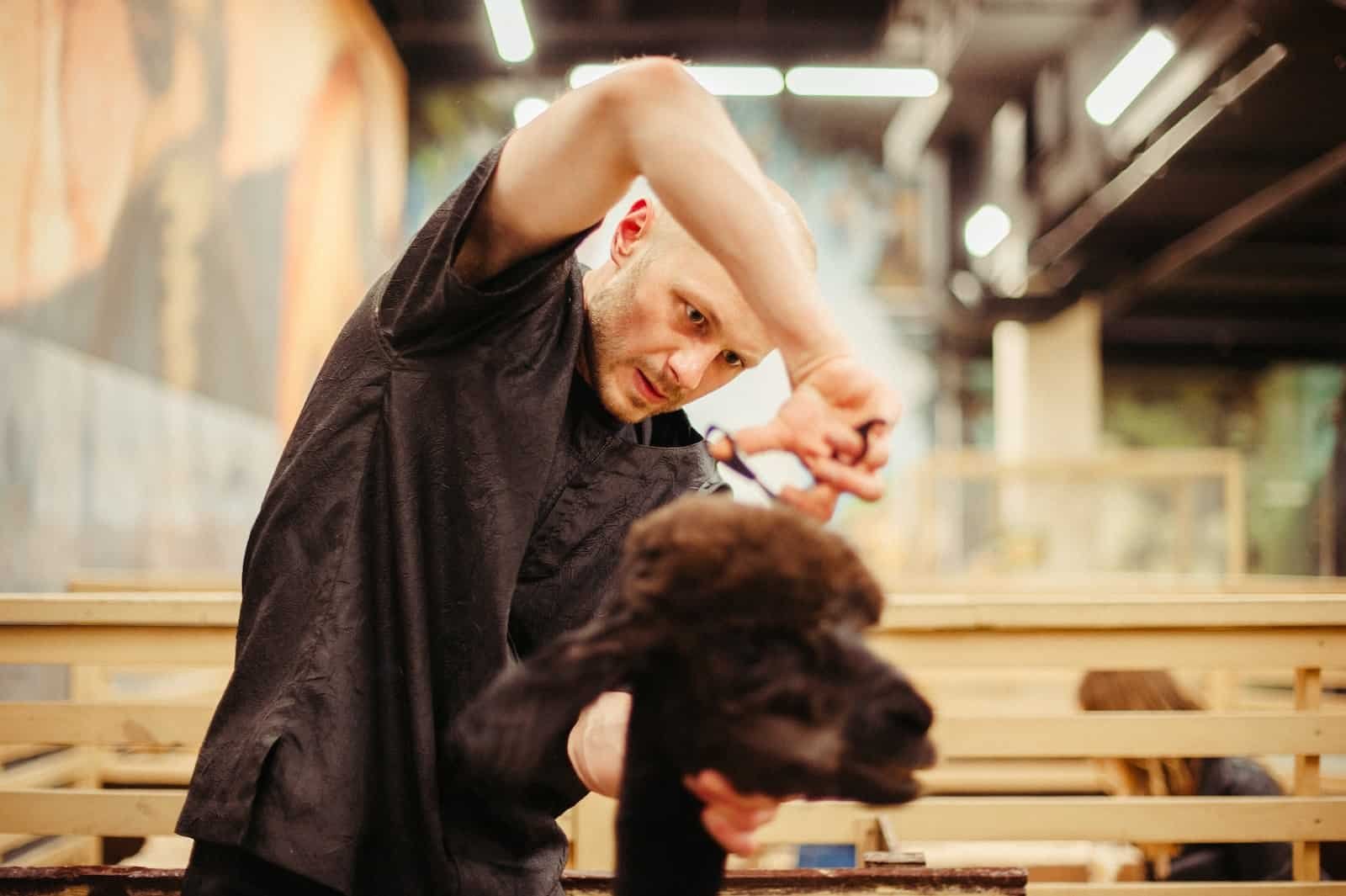
If home brushing isn’t enough, a professional groomer can help. Groomers use special tools and high-velocity dryers to blow out loose undercoat—stuff your brush might miss.
This is a lifesaver for double-coated breeds, especially during heavy shedding seasons. Some salons offer de-shedding treatments that pull out dead hair and leave the coat softer.
A good groomer can spot early signs of skin or coat problems. Don’t be shy about asking which tools and products are best for your dog.
For more on professional help and reducing hair at home, here’s AKC’s advice on dog shedding.
The Risks and Misconceptions of Shaving
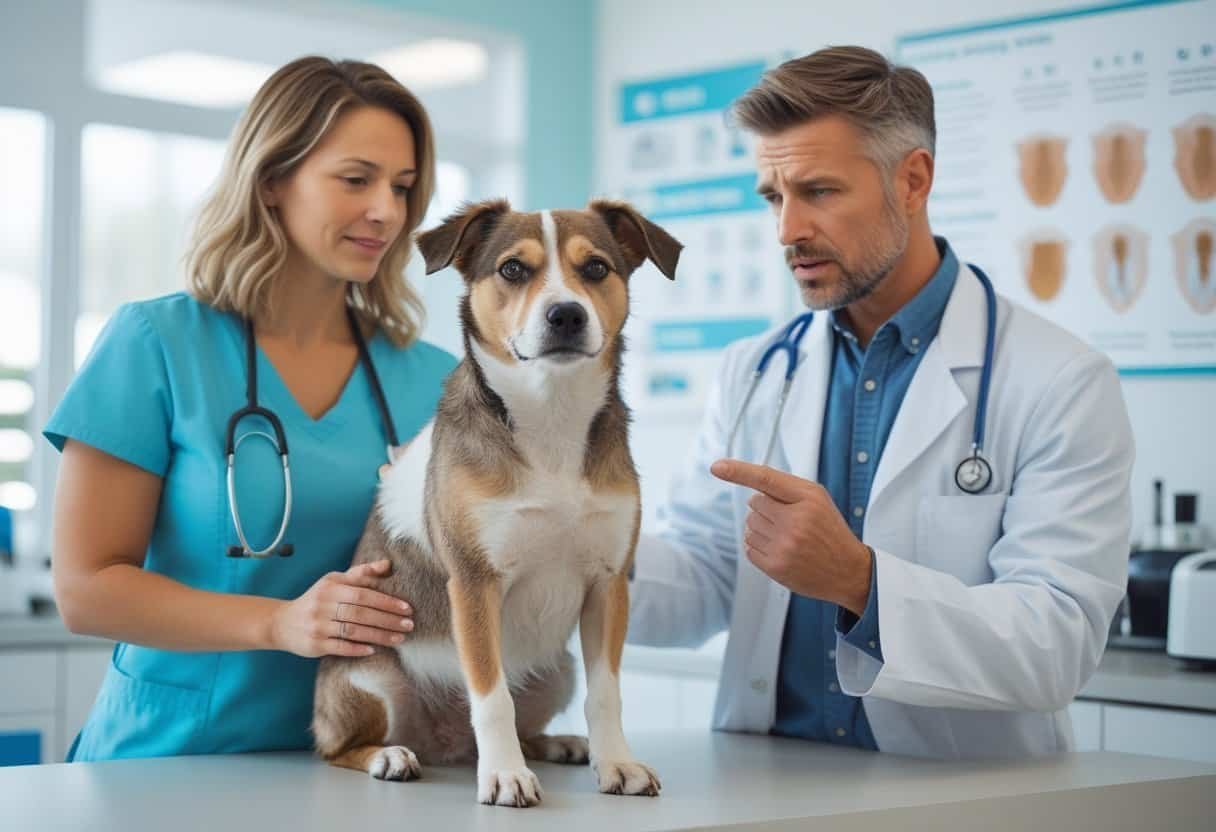
Shaving a dog’s coat might seem like a way to control shedding or keep them cool. For many breeds—especially double-coated ones—shaving can actually cause more problems than it solves.
Why Shaving Double-Coated Dogs Is Harmful
Double-coated dogs like Huskies, Goldens, and Labs have two layers: a soft undercoat and a tougher topcoat. These layers insulate them from heat and cold, plus they shield the skin from sunburn and bugs.
Shaving removes this natural protection. That’s a big deal.
One major risk is that shaving can change the coat’s texture forever. Sometimes the guard hairs don’t grow back right, and the fur ends up patchy or fuzzy.
Dogs can also get sunburned or develop skin problems after being shaved, especially if they have light skin or thin fur. In rare cases, the coat never grows back the same, causing lasting issues with both looks and comfort (more on coat damage).
A lot of people think shaving helps dogs stay cool or shed less, but research doesn’t back that up. The double coat actually helps regulate body temperature, so taking it away can make things worse (double coat info).
Alternatives to Shaving for Cooling
For double-coated dogs, brushing and grooming work better than shaving. Brushing pulls out loose undercoat, prevents mats, and lets air reach the skin.
You can help your dog stay cool by offering shade, cool water, and letting them relax in air-conditioned spaces. Cooling mats and vests are pretty handy too.
A pro groomer can use special tools to thin out the undercoat without removing the protective topcoat. This reduces bulk and heat but keeps the skin safe.
Try to avoid heavy exercise during the hottest part of the day. If you want more cooling tips, here’s a guide to safe alternatives.
Special Grooming Considerations by Coat Type
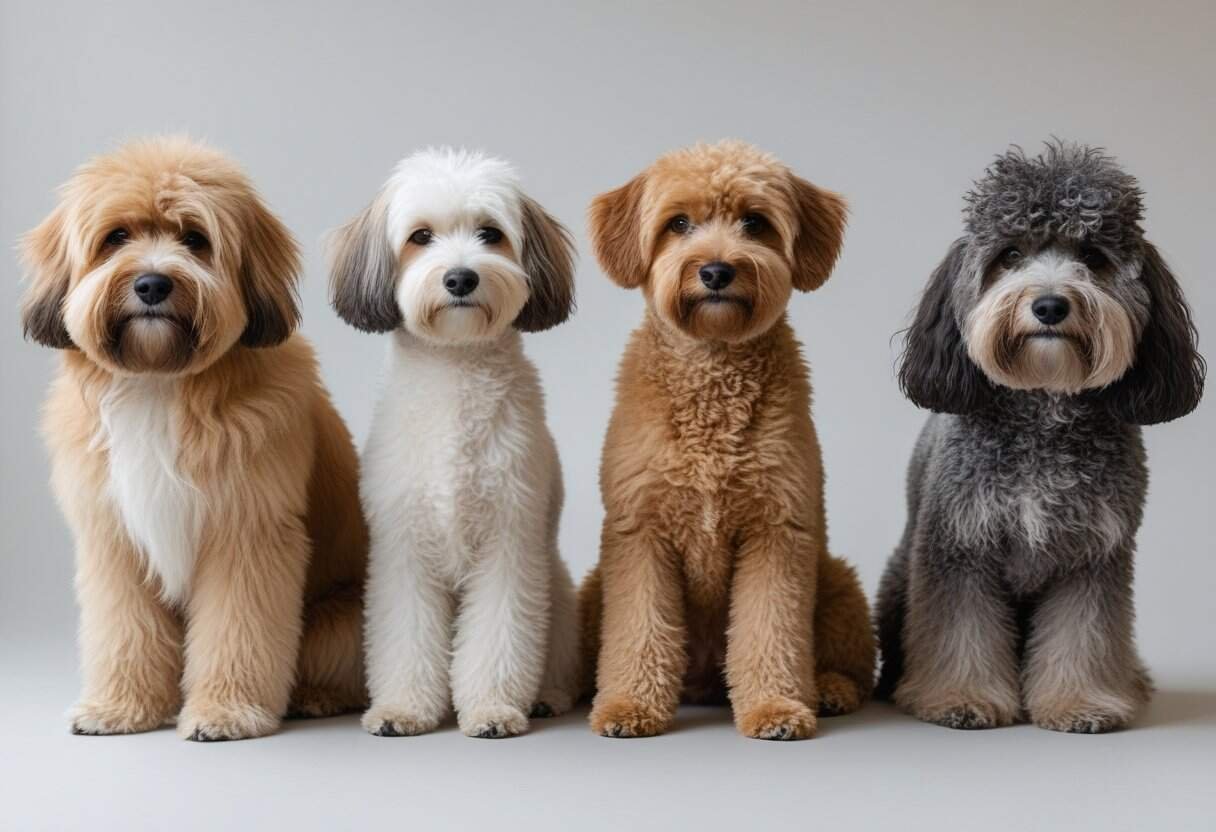
Different coat types need their own care routines. What works for a short-haired dog might be a disaster for a poodle.
Dealing with Matting and Tangles
Matting is a real pain, especially for curly, long, or double coats. Mats love to form behind the ears, under the legs, and around collars.
A slicker brush helps break up tangles before they turn into solid mats. For stubborn mats, try a comb or dematting tool.
Don’t yank on mats—it hurts. Go slow and be gentle.
Curly-coated dogs like Poodles need brushing at least a few times a week. Long-haired breeds? Sometimes daily is best.
For more coat-specific grooming advice, check this guide.
If mats get out of hand, a professional groomer may have to step in. Sometimes trimming problem spots is the only way to prevent future tangles.
Caring for Seasonal Coat Changes
Many breeds with a double coat—Huskies, Goldens, and the like—shed like crazy in spring and fall. People call this “blowing coat.”
Regular brushing during these times can save your furniture (and your sanity). A slicker brush or shedding tool works great for pulling out dead undercoat.
Bathing during shedding season helps loosen dead hair, but make sure the coat’s dry before you brush. Only bathe when needed—too much dries out the skin.
Brush in the direction of hair growth, and always check for hidden mats after outdoor fun. If you want to geek out on coat care, here’s a comprehensive guide.
Impacts of Nutrition and Health on Their Coat
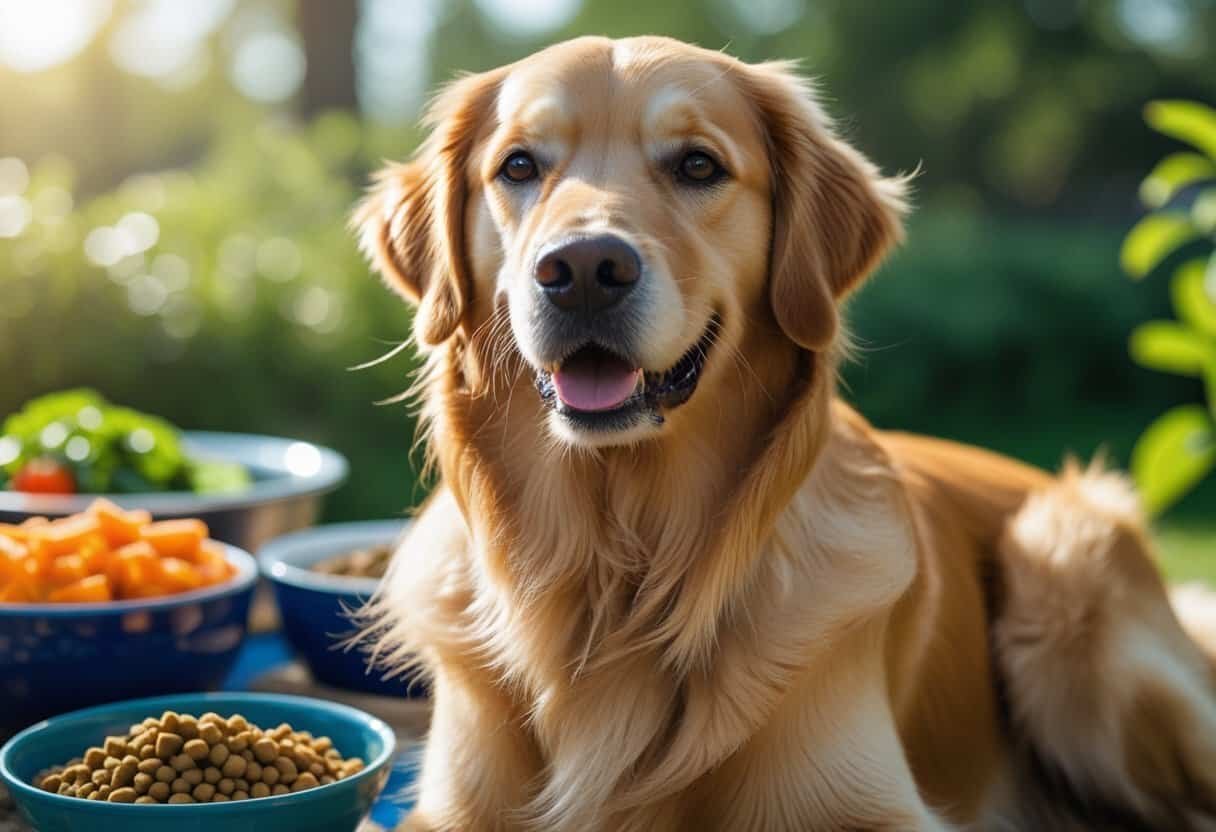
A pet’s coat often tells you how healthy they are. What they eat and how you care for them show up in the look and feel of their fur.
Dietary Requirements for Coat Health
A shiny, full coat starts with a balanced diet rich in key nutrients. Protein builds hair, so pets really need enough high-quality protein every day.
If they don’t get it, fur might turn dry or thin. Omega-3 and omega-6 fatty acids help keep skin and coat strong, and they can ease itching or dryness.
Foods like fish or flaxseed provide these oils. They make a noticeable difference, honestly.
Vitamins and minerals matter, too. Vitamin E protects skin, while zinc helps hair grow and repair.
Hydration shouldn’t be overlooked—a thirsty pet might shed more or have rough fur. A varied, complete diet gives pets a better shot at a healthy look.
If you’re curious, check out the role of nutrition in coat health for more about which nutrients really help.
Recognizing Signs of Poor Coat Condition
It’s worth noticing when a coat loses its shine or looks patchy. Dull fur, excess shedding, bald spots, or flaky skin often point to poor nutrition or health problems.
Greasy, dirty, or brittle hair can be a red flag, too. Sometimes, just changing food or adding a supplement does the trick.
If diet isn’t the issue, allergies, parasites, or illness might be to blame. Checking your pet’s coat now and then helps you spot trouble early.
You can read more about how nutrition affects coat health and what signs to watch for.
Frequently Asked Questions

A dog’s coat, types of fur, and care for outerwear all come with their own quirks and choices. Even grammar—like knowing when to say “their coat”—helps with clear communication.
What determines the quality of a dog’s coat?
A dog’s coat quality comes down to breed genetics, diet, and regular grooming. Good nutrition supports shiny fur, and brushing keeps dirt and loose hair under control.
Climate and health play a role, too. Some dogs need more baths or trims, especially if they have long fur.
How does fur composition affect an animal’s warmth and protection?
Fur has layers that work together to keep animals safe. The undercoat traps heat, while the outer coat blocks water and dirt.
Thicker or denser fur usually means better cold resistance. Breeds with fine or short fur sometimes need extra shelter or a jacket when it gets rough outside.
What are the latest trends in women’s coat fashion?
Trends in women’s coats shift every season, but some classics never fade. Trench coats and tailored wool coats always look sharp.
Lately, oversized fits, bold colors, and eco-friendly fabrics are everywhere. Designers love recycled materials and dramatic shapes these days.
What factors should one consider when choosing a winter coat for men?
Think about insulation, water resistance, and fit. Natural down keeps you warm, but synthetic fills are usually easier to wash.
Weight and comfort matter, too. For tough winters, look for coats with sealed seams, thermal layers, and hoods—this guide covers the details.
How can you maintain and care for high-end outerwear, such as those from The Row?
Luxury coats need gentle cleaning—most need dry cleaning or hand washing. Always check the label first.
Store coats in cool, dry spaces and use padded hangers to help them hold their shape. Spot cleaning with a soft cloth keeps things fresh between deep cleans.
You can find more expert care tips if you want your investment pieces to last.
What are the common grammatical errors when referring to possession of outerwear?
A lot of people mix up “their,” “there,” and “they’re.” “Their” actually shows possession, like in “their coat.”
Some folks slip up with apostrophes, for example, writing “theirs’ coat.” That’s not correct.
Misplacing pronouns in a sentence can make it unclear who owns the coat. Stick with “their coat” for several owners, or just use someone’s name if you want to be extra clear.
{ “@context”: “https://schema.org”, “@type”: “BlogPosting”, “headline”: “Poodle Coat Care Guide – Grooming Tips for All Coat Types”, “url”: “https://poodlesforadoption.com/their-coat/”, “datePublished”: “2026-03-22T06:43:33Z”, “dateModified”: “2026-03-22T06:43:33Z”, “author”: { “@type”: “Person”, “name”: “J.W.”, “url”: “https://poodlesforadoption.com/author/jwauthor/” }, “publisher”: { “@type”: “Organization”, “name”: “Poodles For Adoption”, “url”: “https://poodlesforadoption.com” } }