Understanding Trained Dog Adoption
Trained dog adoption means bringing home a dog that already knows basic commands and generally follows good manners. These dogs often have experience with socialization and some level of formal dog training.
What Is Trained Dog Adoption
Trained dog adoption is when someone adopts a dog that’s already received structured training before arriving in their new home. The training might come from rescue programs, foster care, professional trainers, or even unique programs like prison-based dog training.
These dogs know commands like “sit,” “stay,” and “come.” Many are house-trained and may already walk on a leash without pulling.
Some organizations, like Purebred Rescue Organization of Ohio, use in-home fosters and even a prison training program to help dogs prepare for adoption. The idea is to make it easier for dogs to adjust to a new home and for adopters to have a smoother transition.
Benefits of Adopting a Trained Dog
Adopting a trained dog comes with a bunch of upsides. First off, these dogs typically show better behavior, which makes life with them easier.
They often get along with people and other dogs, and they know how to act in the house. That takes some stress off the adopter and lets families focus on bonding, not just correcting behaviors.
Groups like Service Dogs, Inc., say trained dogs are well-behaved companions, which can help new owners feel confident. If you’re not a pro at dog training or want a pet that settles in quickly, a trained dog just makes sense.
Difference Between Trained and Untrained Dog Adoption
There’s a pretty big difference between adopting a trained dog and one without formal training. Trained dogs usually have basic commands down, are housebroken, and know how to act in most situations.
Adopters spend less time on basic training and correcting unwanted behaviors. On the flip side, an untrained dog might need more patience and consistent work to learn routines and manners.
The adoption process for trained dogs sometimes includes support sessions with trainers. Trained dog adoption programs often offer extra guidance and resources, but you still have to think about each dog’s needs and background.
Types of Trained Dogs Available for Adoption
Trained dogs up for adoption can fill all sorts of roles, depending on their background, skills, and temperament. Many come with obedience training, special skills, and experience working with people or other animals.
Rescue Dogs with Basic Training
Rescue dogs with basic training usually come from shelters or foster homes. They’ve often learned simple commands like sit, stay, and come.
Many have basic house manners, like being crate trained or walking nicely on a leash. Adopting a dog with basic training can save a ton of time and effort, especially if you want a pet without starting from scratch.
Lots of rescue groups put extra training into dogs before placing them. Some groups, like Service Dogs, Inc., offer career change dogs—pets who started out training for service roles but turned out to be better as companions.
Service Dogs
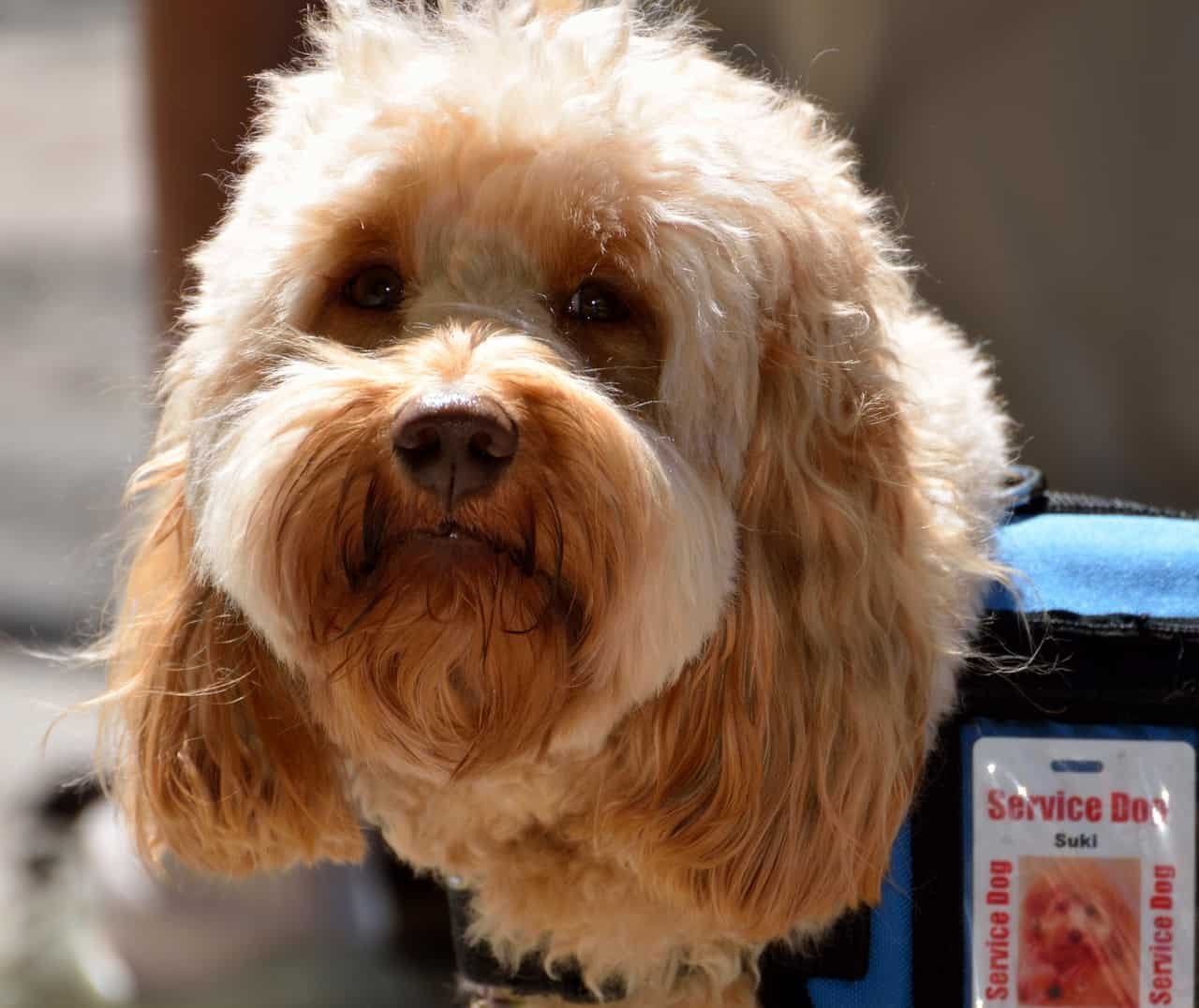
Service dogs are specially trained to help people with physical or mental disabilities. They learn essential tasks like picking up items or alerting handlers to sounds.
These dogs go through intense training and temperament testing to make sure they can work reliably in public. Sometimes, dogs that don’t quite meet strict standards for service work become available for adoption as well-mannered pets.
They may not be certified for service anymore, but they’re still great with obedience and socialization. Service dogs tend to offer a calm, stable presence at home.
They fit well with families looking for a well-adjusted pet who’s already used to routines.
Assistance Dogs
Assistance dogs are a lot like service dogs but are trained for more specific jobs. They might be guide dogs for the blind, hearing dogs for the deaf, or dogs helping people with mobility issues.
Their training is thorough and often tailored to unique needs. When an assistance dog retires or changes careers, they’re often put up for adoption.
These dogs are patient, kind, and used to focusing on people. They make suitable family pets or companions for folks who want a steady, polite dog.
Adopting one of these dogs means bringing home a canine who’s been trained not just in obedience, but in life skills that can really add value for people of all ages.
Working Dogs
Working dogs are trained for jobs like protection, search and rescue, detection, or guarding. Breeds like German Shepherds, Belgian Malinois, and Labradors are common in these roles.
Their skills range from tracking missing people to alerting handlers to certain substances. Many working dogs are available for adoption after retiring or when they’re not quite right for advanced work but still make great family or security pets.
Some organizations offer trained protection dogs who are socialized and ready for home life, though their energy and needs can really vary. These dogs do best in homes that can handle their drive and enjoy a focused, intelligent companion.
They thrive in active households where they can keep using their skills through play, training, or tasks.
The Trained Dog Adoption Process
Adopting a trained dog involves a few steps, from picking a reliable source to finishing the paperwork. Each stage helps make sure the dog gets a safe home and the family finds a good match.
Finding Reputable Organizations
The first thing you’ll want to do is find a trusted organization. Many people look for rescue groups or shelters that focus on trained or career change dogs who need a second chance.
Some trainers run programs where foster dogs are pre-trained and ready for adoption. Check the organization’s background and reviews.
Ask about their training methods and try to meet the dogs and staff in person. A lot of reputable groups post info on their websites or social media pages.
Visiting in person helps with transparency and builds trust. Always work with organizations that won’t send dogs back to shelters if they’re not a fit.
That way, every dog gets proper care and avoids extra stress.
Application and Screening Steps
Once you find a good organization, you’ll need to fill out an adoption application. This form asks about your lifestyle, experience with dogs, and home setup.
Some groups want an in-person or virtual interview to talk more about expectations. There might be a background check to keep the dog safe, according to the AKC Training Resources.
Home visits are pretty common to see if your space is suitable for a trained shelter dog. References may be required too.
The screening process isn’t meant to be tough—just to make sure it’s a good match. Taking the time here helps connect trained dogs with the families who are ready for them.
Adoption Paperwork and Legal Requirements
After you pass screening, you’ll review and sign a contract. This covers legal responsibilities, basic care, and sometimes training methods to keep up.
Some organizations offer a trial period or follow-up support during the adjustment. Adoption fees are usually required and cover training, vet care, and support.
You’ll handle payment, return policies, and microchip transfers at this point. The paperwork protects both you and the dog.
It makes sure the adoption is safe and legal, and that everyone knows their roles. Keep copies of everything you sign, just in case.
Adoption Fee and Costs Involved
The total cost to adopt a trained dog depends on the adoption fee and the care the dog’s already received. Some fees help other animals in need, while others are based on the dog’s specific needs.
Factors Affecting Adoption Fee
Several things affect the adoption fee for trained dogs. Age is a big one.
Puppies often cost more than older dogs. Senior dogs usually have a lower fee.
Breed and size matter too, since some breeds are pricier due to demand or extra care. Shelters and rescues often set higher adoption fees for trained or popular breeds.
If a dog has advanced training, it might cost more. Features like spaying or neutering, vaccinations, and microchipping are usually included.
Some groups adjust fees based on medical treatments or behavioral support. Adoption fees can range from $50 to $500, but the average is about $300 in many shelters.
Breakdown of Typical Costs
The adoption fee covers a bunch of services provided before you take your dog home. Here’s what’s usually included:
- Veterinary exams
- Vaccinations
- Spay or neuter surgery
- Microchipping
- Dog training or behavioral assessments
Some groups throw in extras like starter food or a collar. These services make sure the dog’s healthy and ready for a new family.
The fee also helps care for other animals in the shelter who might need more help than their fee covers. These fees are way more affordable than paying for each service separately and help shelters keep going.
For trained dogs, the adoption fee might be a bit higher, reflecting the extra investment in training and behavior support. You can find more details on typical fees at Animal Humane Society and Rescue Dogs 101.
Training Assessment and Temperament Testing
When you’re adopting a trained dog, it’s important to check both the dog’s temperament and its level of training. These assessments help you figure out if the dog will fit well in your home and respond to basic commands and routines.
What a Temperament Test Involves
A temperament test checks how a dog reacts to different situations, people, and other animals. The main goal is to spot signs of friendliness, fear, aggression, or nervousness.
Tests like Volhard’s Puppy Aptitude Test are pretty common for figuring out if a dog is easy to train or might need extra attention. The examiner watches how the dog greets strangers, shares toys, and responds to being handled.
Dogs might hear unexpected noises or see odd objects to see how they handle stress. Stable, calm dogs usually have a better shot at being adopted, since shelters and trainers know they’ll settle in more easily.
Animal shelters often include temperament testing as part of their intake evaluations to help match dogs with the right families.
Key qualities checked:
- Reaction to new people
- Resource sharing
- Startle response
- Handling tolerance
How Training Is Evaluated
Evaluating dog training means looking at the dog’s habits, obedience, and how they respond to commands. The dog is asked to sit, stay, come, and walk on a leash.
Good training also covers housebreaking and proper reactions to both indoor and outdoor situations. Trainers or shelters sometimes use a checklist or score sheet to keep track of which commands the dog knows.
They watch for consistency—does the dog obey every time or just sometimes? Dogs that pass basic training are usually easier for new owners to manage.
Training assessments give shelters and rescues more info for adopters. Knowing a dog’s training and skills helps families prepare for what to expect.
For a detailed look at what a typical training and behavioral assessment in shelters involves, check out this article.
Matching Trained Dogs with Families
Matching a trained dog with the right family takes careful planning and a real focus on compatibility. The adoption process includes steps to make sure both the dog and the new owners have a positive, lasting experience.
Choosing the Right Family Pet
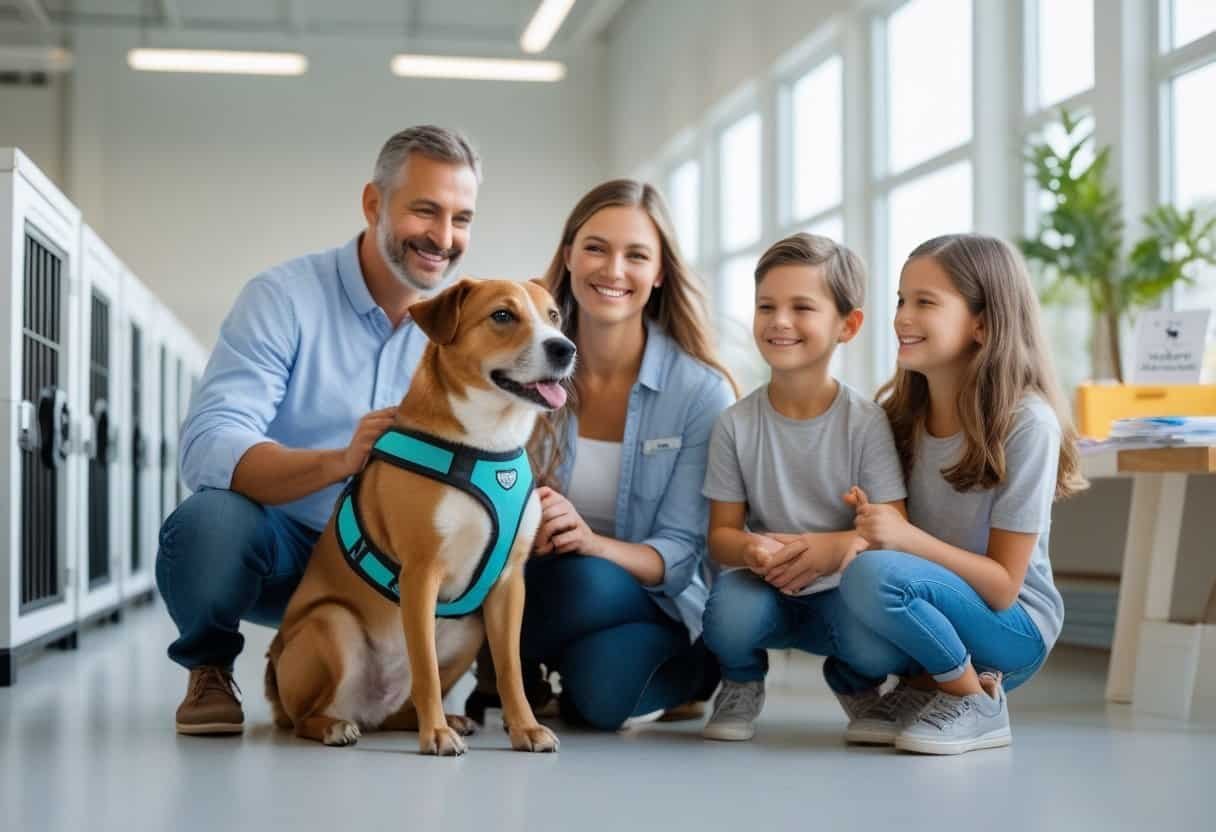
Choosing a trained dog starts with understanding the family’s needs and lifestyle. Rescue groups and trainers look at things like kids’ ages, activity levels, and any special requirements.
This helps them suggest dogs that’ll fit in well. Adoption specialists might use personality tests or interviews to figure out which dog is a good match.
For example, How I Met My Dog custom matches dogs by looking at personality, expectations, and training style. Families usually get to meet and spend time with the dog before adoption.
These meetings let everyone—including current pets—see if the new dog is a good fit. Some groups, like The Dog Alliance, focus on certified, fully trained dogs to make the transition smoother.
Key factors for choosing a family pet:
- Temperament
- Training history
- Family size and makeup
- Home environment
- Activity level
Ensuring a Forever Home
Ensuring a forever home means more than just making the initial match. It’s about ongoing support and keeping communication open during and after adoption.
Some organizations, such as Service Dogs, Inc., keep training and supporting their dogs and adopters after placement. Adoption groups often offer follow-up visits, training refreshers, and advice.
They might ask families to update them on how things are going at home. This kind of support helps both dogs and people adjust and strengthens their bond.
Families should prepare their home before bringing in a new trained dog. Setting up a safe space, buying food and supplies, and talking through responsibilities can make a big difference, according to the ASPCA Dog Care.
A clear plan helps avoid issues and supports a lasting relationship for both the dog and the family.
Popular Breeds for Trained Dog Adoption
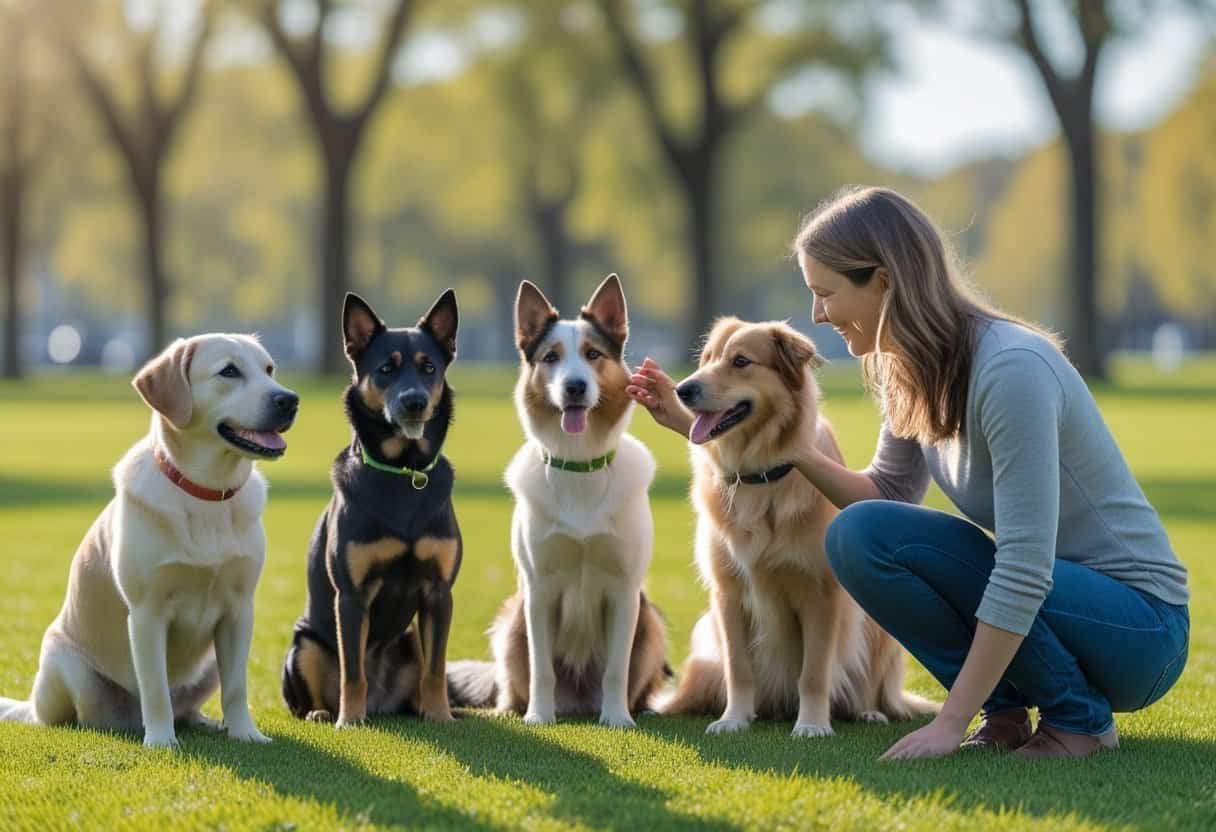
When you’re looking to adopt a trained dog, some breeds really stand out for their intelligence and willingness to learn. These breeds often show up in programs that provide fully trained dogs to families.
German Shepherd Characteristics
German Shepherds are a top pick for trained dog adoption. They’re smart and quick to learn.
With a strong work ethic, they often work as police, service, or therapy dogs because they’re reliable and loyal. The breed is medium to large, muscular, and has a thick double coat that comes in black, tan, sable, or mixes of those.
German Shepherds respond well to commands and advanced tasks. In working roles, they handle obedience, agility, and protection work with confidence.
They’re protective and often chosen by families who want both a companion and a watchdog. Their loyalty makes them bond closely with their owners, and they really thrive in active homes.
To see how popular and versatile they are, check out this summary of most trainable dog breeds, including German Shepherds.
Other Commonly Trained Breeds
Besides German Shepherds, other breeds pop up a lot in trained dog adoption programs. Labrador Retrievers and Golden Retrievers are two big ones.
Both breeds are friendly, eager to please, and do great in therapy, assistance, and search and rescue work. Border Collies are also favorites because of their high intelligence and energy.
These dogs need regular mental and physical challenges to stay happy. Poodles are known for their smarts and hypoallergenic coats, which is handy for families with allergies.
Other large breeds like Belgian Malinois show up in service work, especially with law enforcement. Smaller breeds, such as the Shetland Sheepdog, sometimes get trained for therapy or emotional support.
Lists of the most trainable dog breeds really show off the skills and versatility of these dogs.
The Role of Professional Dog Trainers
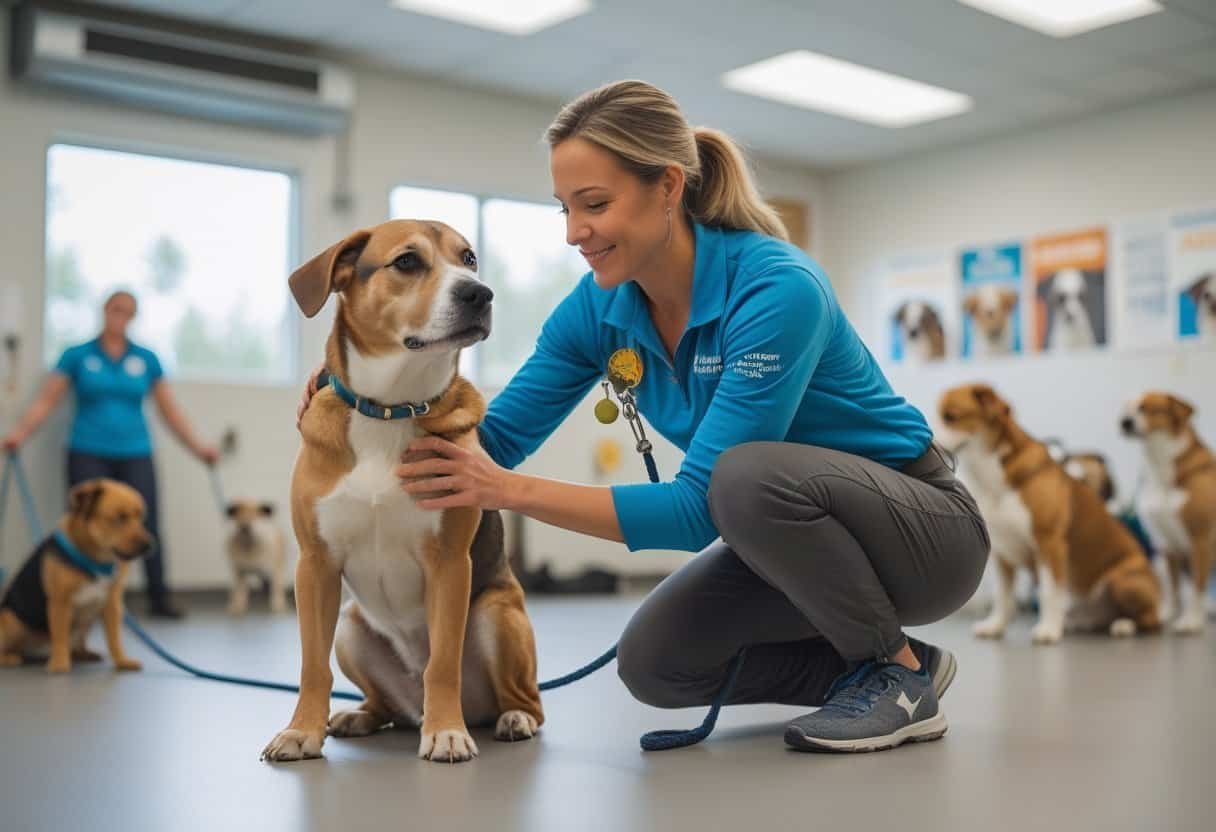
Professional dog trainers play a huge part in getting shelter dogs ready for adoption. They teach essential skills and behaviors that make a difference.
Picking a certified trainer matters, too, since good training methods can make the whole process easier for the dog and the new family.
How Professional Training Prepares Dogs for Adoption
Dog trainers work with shelter dogs to improve their behavior and social skills. They often use positive reinforcement, treats, and tools like clickers or leashes to teach basics like “sit,” “stay,” and “come.”
As dogs learn, they become easier to handle and more comfortable around people. A well-trained dog is just more appealing to adopters because they can settle into a new home faster.
Training also helps cut down on common behavior problems, which lowers the chance the dog ends up back at the shelter. Short training sessions have even been linked to higher adoption rates in shelters.
Want to dig in deeper? Check out studies on how professional dog training impacts adoption rates at SPCAs.
Selecting Certified Dog Trainers
Not all dog trainers are created equal. Certified trainers usually get tested on their knowledge of animal behavior, humane training techniques, and ethical standards.
Certification means trainers use methods that won’t damage the bond between people and dogs. When picking a trainer, it helps to look for membership in respected organizations, like the Pet Professional Guild.
Many certified trainers can tailor their approach to each dog, which is key for shelter pups. Owners should steer clear of trainers who use harsh corrections or outdated methods.
For more, see this advice on what to expect from professional dog trainers.
Socialization and Behavior Preparation
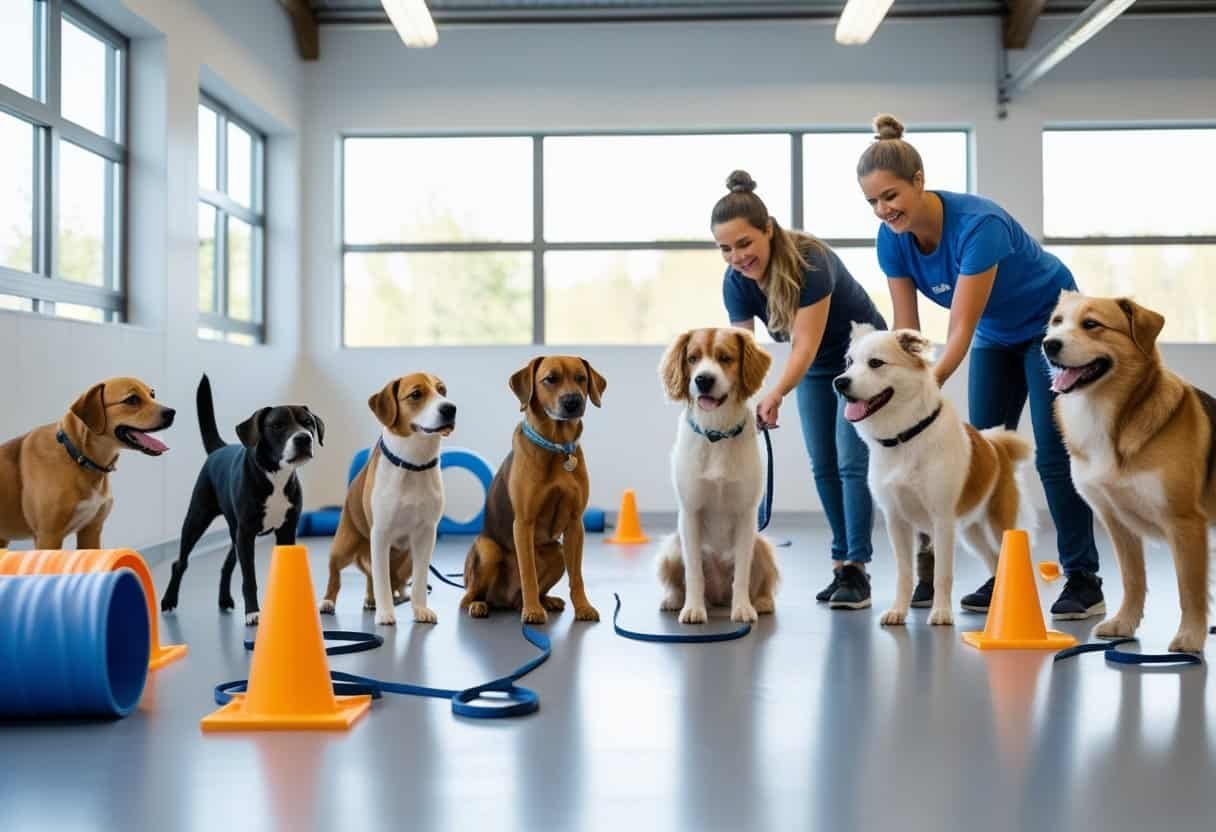
Adopted trained dogs need good social experiences and steady behavior support. Early socialization and ongoing training help dogs adjust to new homes and people.
Importance of Early Socialization
Early socialization gets dogs used to common sights, sounds, people, and animals. Dogs that meet new things when they’re young are less likely to get fearful or anxious in new situations.
They learn how to behave around other dogs and people, which makes adoption transitions smoother. Shelters and trainers often run supervised playgroups for dog-to-dog socialization.
In these groups, dogs pick up proper play and communication skills. Early socialization helps cut down on issues like aggression or extreme shyness.
Exposing dogs to different settings builds their confidence. Trainers usually pair new experiences with treats and praise so dogs form positive associations.
Ongoing Behavior Support
Even after adoption, dogs need support to thrive. Owners should keep up with training at home using simple commands and positive reinforcement.
Practice builds routines and trust between the dog and the family. Some adopted dogs might need help with things like fear or overstimulation.
In those cases, professional consultations or advanced classes can really make a difference. Consistent routines reduce anxiety and help dogs know what to expect.
A few simple tools help:
- Regular walks for mental and physical stimulation
- Interactive toys for safe solo play
- Short training sessions to keep skills sharp
Ongoing behavior support keeps adopted dogs happy, relaxed, and safe in their new homes.
Private Lessons and Additional Training After Adoption
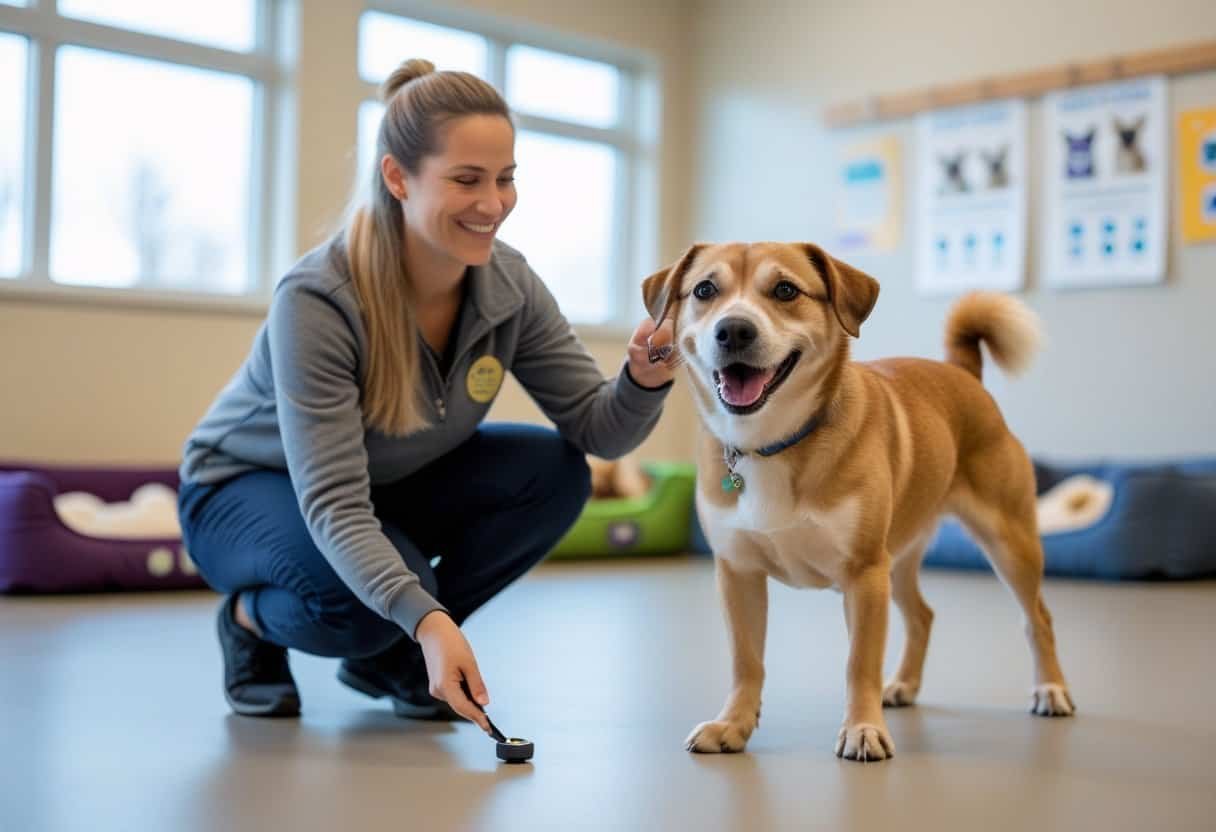
A lot of adopted dogs do better with extra support after they go home. Private lessons and training sessions can help the dog settle in and build a strong bond with their new owner.
Benefits of Post-Adoption Private Lessons
Private lessons mean one-on-one time with a trainer. The trainer can focus on the dog’s unique needs and tackle specific issues the family is facing.
These lessons usually happen at home. Training at home cuts down on stress and helps the dog learn skills in their everyday environment.
With fewer distractions, the dog can focus and respond more quickly. Owners get direct feedback and guidance during each session, which helps them learn the right training techniques and feel more confident.
Scheduling is usually more flexible than group classes, which is a big plus for busy people. Some organizations give you a training kit or offer follow-up for months, which is super helpful for new adopters.
Want to see how training might help your new pet? Read more about post-adoption private training for rescue dogs.
Long-Term Training Success
Consistent follow-up after adoption gives a dog a much better shot at thriving in their new home. Regular training builds confidence and helps dogs figure out what you expect from them.
Private lessons help set routines and boundaries right from the beginning. Dogs pick things up faster when lessons match their learning style and pace.
Owners get to know useful strategies and tools they can use as their dog grows and faces new challenges. Some programs even offer ongoing support, like a full-year follow-up, so families can tackle new behaviors and celebrate progress together.
You might find organizations that include resources like a K-9 Coach’s Training Kit and continued support after adoption.
Long-term training helps owners and dogs communicate better, keeping their relationship strong for years.
Second Chance Programs for Trained Dogs
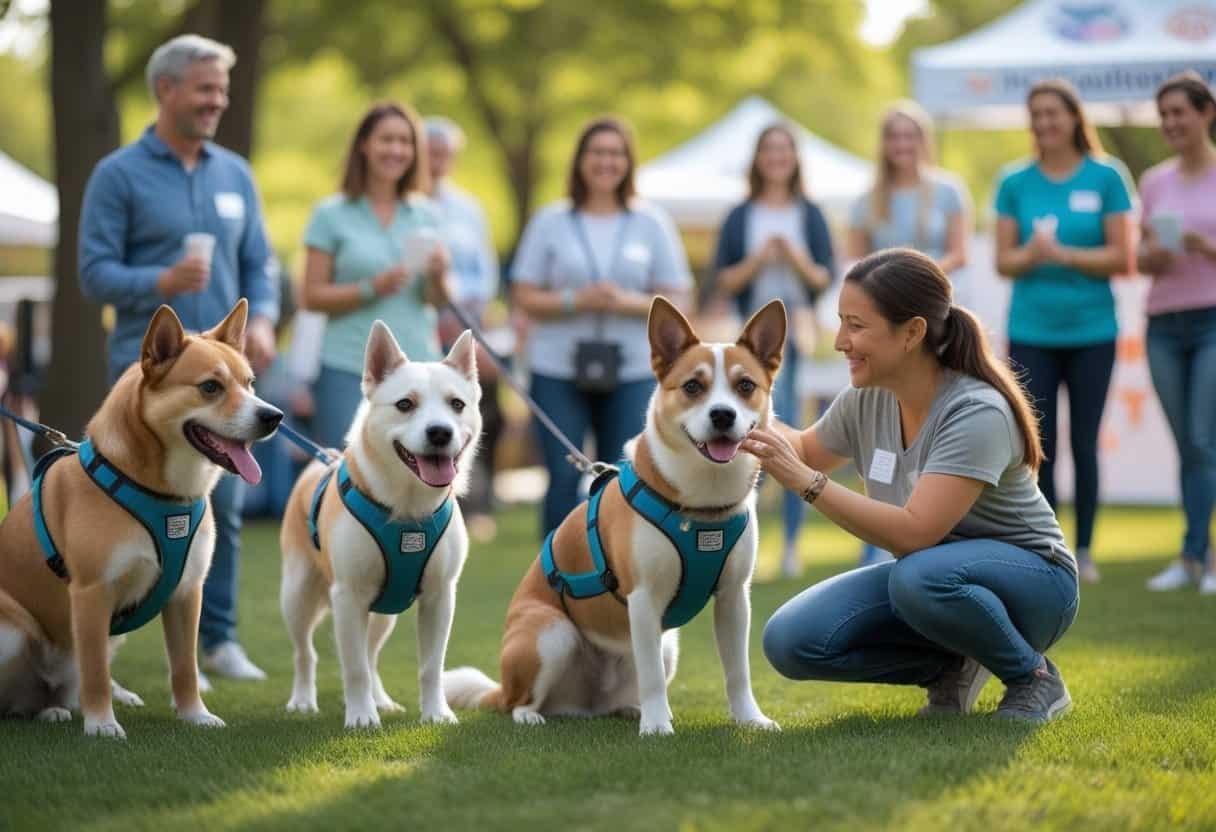
Second chance programs offer trained rescue dogs and shelter dogs more ways to find loving homes. These programs focus on dogs that have been abandoned or surrendered, helping them gain skills that make adoption easier.
Many second chance programs pair dogs with trainers or even inmates in correctional facilities. The dogs get basic obedience training and behavior help.
A lot of these dogs become “canine good citizen” certified, which boosts their adoption chances.
Key benefits for dogs in these programs include:
- Improved behavior
- Socialization with people and other dogs
- Increased adoptability
- Lower risk of being returned to the shelter
Programs like Second Chance Pups give people a chance to improve their training skills while helping shelter dogs. These trained dogs leave the program with better manners, making them a great fit for families who want a pet ready to settle in.
Some groups, like the Second Chance Program at Highland Canine Training, focus on helping unwanted dogs through structured training. They usually team up with animal shelters and rely on community donations.
Here’s a quick overview of what second chance programs offer:
| Feature | Benefit to Dog | Benefit to Adopter |
|---|---|---|
| Obedience Training | Better behavior | Easier adjustment |
| Socialization | Less stress in home | Friendly pet |
| Medical Care | Healthier dog | Peace of mind |
Supporting a Smooth Transition into a New Home
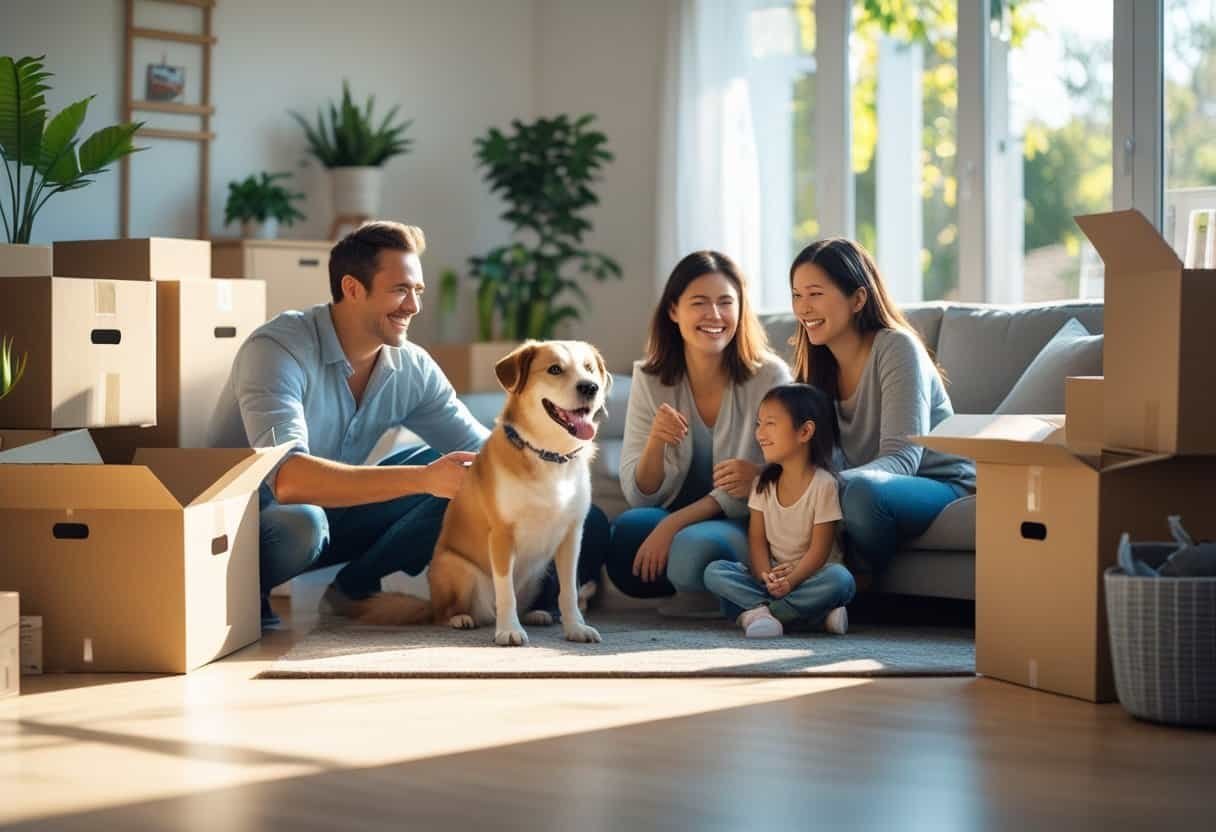
Bringing a trained dog into your home takes some time and patience. Those first few weeks matter a lot for both your family and the dog.
It’s totally normal if your new dog seems stressed or overwhelmed at first.
The 3-3-3 Rule can help guide the transition:
- First 3 Days: Your dog might feel nervous and unsure. Don’t worry, that’s expected.
- First 3 Weeks: They start getting used to routines and the new place.
- First 3 Months: Most dogs begin to feel comfortable and settle in as real family members. You can read more about the 3-3-3 rule for pet adoption.
Set up a safe spot, like a cozy bed or crate, where your dog can relax and feel secure. Keeping routines consistent—feeding, walks, bedtime—helps your dog feel at home sooner.
Tips for a smoother transition:
- Slowly introduce your dog to everyone in the household and any other pets.
- Speak softly and try to avoid sudden loud noises.
- Use positive reinforcement with treats and praise.
- Give your dog time to explore at their own pace.
During adoption, having clear expectations and open communication really helps. Every dog is different and might need more or less time to adjust.
A steady, understanding approach helps your trained dog become a beloved family member. For more ideas, check out these tips for the first 30 days after adopting a dog.
Frequently Asked Questions
Adopting a trained dog involves a few steps, like finding available dogs, checking their training level, and learning about fees. The 3-3-3 rule is a handy guide for understanding your dog’s adjustment period.
How can I locate a dog trained for adoption near my location?
Shelters and organizations usually have online search filters to help you find trained dogs nearby. Sites like The Dog Alliance list fully trained dogs and let you search by location or training type.
What are the steps involved in adopting a trained service dog?
Adopting a trained service dog usually starts with an application. After that, the organization matches you with a suitable dog.
You’ll probably have an interview, a home visit, and a chance to meet the dog. Training programs often last 9-12 months before you can officially adopt, according to Cell Dogs.
What does the 3-3-3 rule refer to in the context of dog adoption?
The 3-3-3 rule is a simple timeline to help you understand how your new dog will adjust. Most dogs feel overwhelmed for the first 3 days, start to settle in after 3 weeks, and feel at home by 3 months.
Every dog is different, but this rule gives you a helpful starting point, as SpiritDog Training explains.
Is there a fee associated with adopting a trained dog, and how much is it typically?
Adoption fees for trained dogs vary depending on the level of training and the organization. Dogs with basic obedience training usually cost less, while service dogs with specialized skills come with higher fees to cover all that extra training.
It’s a good idea to ask each group for their current rates, since these can change.
What should be considered when adopting a small or large dog from a rescue?
Size matters when it comes to exercise needs, space, and maybe even medical costs. Small dogs can be better for apartments or folks with less room, while big dogs often need more exercise and space.
Ask about each dog’s behavior and training, because both small and large dogs have their own quirks and personalities.
Are there options for adopting a dog without a fee in Arizona?
Some rescues and shelters in Arizona hold fee-waived adoption events now and then. They usually announce these on their websites or social media pages.
If you’re hoping to catch one, it’s smart to check with local organizations directly. Sometimes you’ll stumble on a promotion you wouldn’t have known about otherwise.