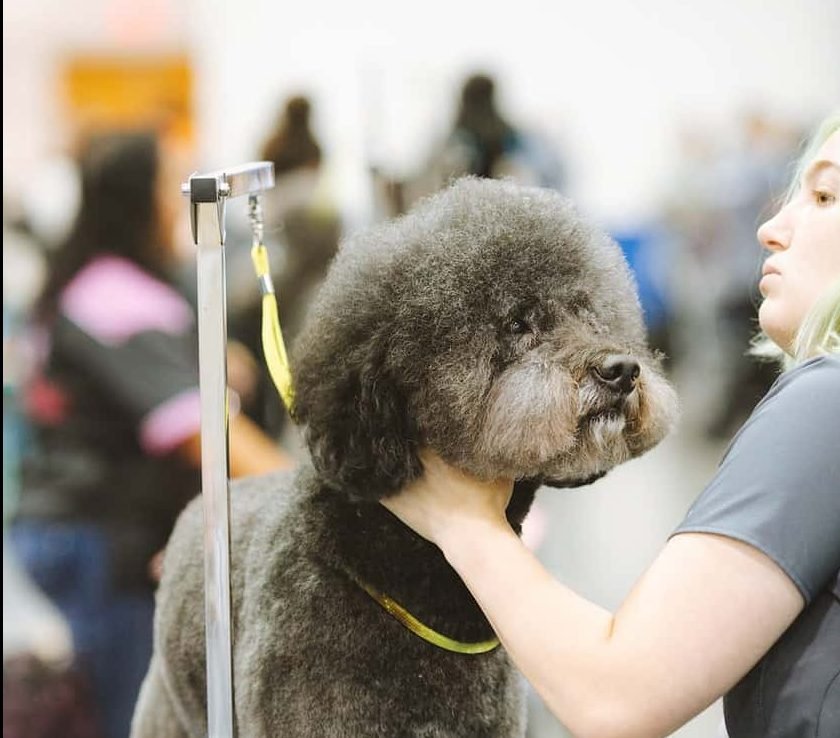
Toy poodle training presents unique opportunities because these tiniest poodles pack the intelligence of their larger cousins into a package weighing just 4-6 pounds. Toy poodles rank among the most intelligent dog breeds and maintain an eager-to-please temperament that makes them exceptional learners. However, toy poodle training requires a specific approach to overcome owner tendencies toward over-coddling and to build the confidence these delicate but clever dogs need.
Proper toy poodle training begins early and emphasizes treating these miniature dogs like actual dogs, despite their toy-like appearance. Many owners make the critical mistake of viewing toy poodles as fragile accessories exempt from training, resulting in behavioral problems and a dog lacking confidence. This comprehensive guide covers training techniques specifically designed for toy poodles, addressing their unique physical characteristics, fragility considerations, and special behavioral needs.
Quick Facts
- Intelligence Rank: Top 5 most intelligent dog breeds
- Size: 4-6 pounds, under 10 inches tall
- Training Start: Begin at 8 weeks old
- Session Length: 3-5 minutes, 3-4 times daily
- Key Focus: Build confidence while preventing over-coddling
Toy Poodle Training Challenges
Toy poodle training differs significantly from training larger breeds due to owner psychology and the dog’s physical characteristics:
**Owner Challenges:** • Tendency to treat toy poodles as accessories or toys • Fear that toy poodle training is too harsh • Picking up toy poodles instead of addressing behavior • Coddling and over-protecting • Inconsistent rules due to perceived fragility • Allowing behaviors because “it’s cute at this size”
**Physical Considerations:** • Extremely fragile skeletal structure • Tiny bladder (affects house training timeline) • Sensitive to temperature extremes • Susceptible to hypoglycemia (drops in blood sugar) • Prone to dental problems • Joint and bone fragility • Miniature organ systems
**Behavioral Tendencies:** • Intelligence creates boredom issues if under-stimulated • Can develop excessive barking without boundaries • May display aggression (“Napolean complex”) • Can become anxious without proper socialization • Demanding behavior if allowed to develop • Fear and anxiety from lack of positive exposure
**Why Toy Poodle Training is Essential:** The combination of high intelligence, owner tendencies toward over-coddling, and toy-like appearance creates a perfect storm for behavioral problems if toy poodle training isn’t taken seriously. These intelligent dogs know exactly how to manipulate their owners, resulting in demanding, anxious, or aggressive little dogs that lack confidence. Proper toy poodle training creates well-adjusted, confident companions despite their tiny size.
Preventing Over-Coddling in Toy Poodle Training
The Dangers of Over-Coddling
Over-coddling is the biggest obstacle to successful toy poodle training:
- Constant picking up instead of allowing walking
- Sleeping in bed (not trained to crate)
- Feeding table scraps and human food
- Allowing jumping on people
- Permitting aggressive snapping or biting
- Not enforcing house training
- Carrying toy poodle instead of walking
- Protecting from all activity and interaction
- Treating like a toy, not a dog
- Anxious, insecure dogs
- Excessive barking and demanding behavior
- Aggression toward people or other animals
- Inability to handle routine veterinary care
- Difficulty with grooming
- House training failures
- Destructive behavior from anxiety
- Reduced quality of life for toy poodle
- Dog doesn’t develop normal behaviors
- Owners see fragility, assume protection needed
- Size makes it seem harmless when toy poodle misbehaves
- Cute appearance makes coddling feel appropriate
- Guilt about toy poodle’s small size
- Confuse love with appropriate care
- Real protection: Keeping toy poodle safe and confident
- Over-protection: Creating anxiety and preventing normal behavior
- Toy poodle training requires balance: safety + confidence + boundaries
Building Confidence in Toy Poodles
Proper toy poodle training builds confidence instead of creating dependency:
**Confidence-Building Strategies:**
- Don’t pick up toy poodle constantly
- Allow walking on own terms
- Let toy poodle navigate stairs (properly)
- Encourage exploration in safe spaces
- Allow toy poodle to problem-solve
- Don’t rush to help immediately
- Early exposure to varied people
- Different environments and stimuli
- Other dogs (safe, friendly interactions)
- Various sounds and situations
- Positive experiences build confidence
- Gradual exposure prevents fear
- Teaching commands provides structure
- Success in training builds confidence
- Toy poodles enjoy learning
- Praise for accomplishments
- Appropriate challenges
- Toy poodles need exercise and play
- Supervised play prevents boredom
- Age-appropriate activities
- Don’t prevent all activity from fear of injury
- Proper supervision ≠ preventing movement
- Same rules for all family members
- Clear expectations
- Toy poodles feel safer with structure
- Knowing boundaries increases confidence
- No exceptions to rules
- Protection from genuine dangers (predators, traffic, hot pavement)
- Freedom to be a dog within safe parameters
- Training that builds skills and confidence
- Socialization that prevents fear
- Love expressed through appropriate care, not coddling
Confident toy poodles are happy, well-adjusted, and less prone to behavioral problems than anxious, over-coddled dogs.
Early Toy Poodle Training (8 Weeks – 6 Months)
House Training Tiny Poodles
House training toy poodles requires understanding their unique physical needs:
- Extremely small bladder (cannot hold long)
- Immature bladder control (takes longer to develop)
- Easy to miss accidents due to tiny size
- Small piles easy to overlook
- Owners sometimes give up too early
- Every 1.5-2 hours during day
- After each meal (within 10-15 minutes)
- After naps (immediately)
- After drinking water
- After playing
- Before bedtime
- First thing in morning
- Additional breaks as needed
**Successful Potty Process for Toy Poodles:** 1. Choose designated potty spot 2. Take toy poodle outside on schedule 3. Use verbal cue (“Go potty”) 4. Wait patiently (5-10 minutes) 5. Praise immediately when toy poodle succeeds 6. Reward with tiny treat 7. Bring back inside
- Use small potty pads temporarily
- Keep designated relief area
- Puppy pen with pad in corner
- Frequent check-ins (toy poodles are sneaky)
- Use enzymatic cleaner thoroughly
- Track patterns to predict timing
- Toy poodles may prefer indoor pads initially
- Gradual transition to outdoor-only
- Male toy poodles sometimes lift leg earlier
- Watch for medical issues (UTIs common)
- Consult vet if house training struggles
- 8-12 weeks: Frequent accidents (tiny bladder)
- 3-4 months: Improving but still mistakes
- 4-6 months: Often reliable with consistency
- 6-8 months: Usually fully trained
- Some toy poodles take longer due to size
Patience is essential—toy poodles’ physical size means legitimate challenges with bladder control.
Essential Commands for Toy Poodles
Start toy poodle training with foundational commands:
- Most important foundation
- Say name once, reward when looks
- Practice throughout day
- Never use name negatively
- Foundation for recall and safety
- First command most toy poodles learn
- Hold tiny treat above nose
- Move back over head
- Bottom naturally lowers
- Say “Sit,” reward immediately
- Practice before meals, doorways, greetings
- Essential command for toy poodles
- Even tiny toys can bolt or hide
- Start in secure, low-distraction area
- Say “Come!” enthusiastically
- Reward heavily and immediately
- Never punish when toy poodle comes
- Practice daily with lightweight long line
- Most important safety command
- From sit position
- Move tiny treat toward floor
- Toy poodle follows into down position
- Say “Down,” reward
- Useful for keeping toy poodle calm
- Prevents eating dangerous items
- Even small dangerous objects risk injury
- Hold treat in closed fist
- Say “Leave it”
- Reward when toy poodle stops pawing
- Progress to items on floor
- Practice with various items
- For items already in mouth
- Offer high-value trade
- Say “Drop it” as mouth opens
- Never chase or force (turns into game)
- Reward the release
- Use pea-sized or smaller treats
- Very short sessions (3-5 minutes)
- 3-4 sessions daily
- Practice in low-distraction areas
- End every session positively
- Celebrate successes
- Be extremely patient
Socialization and Handling
Early socialization prevents fearfulness in toy poodles:
- Most important window for toy poodles
- Positive experiences prevent lifelong fear
- Lack of socialization = anxious adult dog
- Safety must balance with exposure
- Protect from negative experiences
- Different ages (babies, children, adults, seniors)
- Different appearances (beards, hats, uniforms, glasses)
- Different ethnicities and body types
- People using mobility devices
- Different genders and energy levels
- Gentle handling of toy poodle’s fragility
- Different surfaces (carefully—tiny paws)
- Grass, pavement, tile, carpet
- Various rooms in house
- Different outdoor environments
- Parks and busy areas (on leash)
- Car rides
- Vet clinic (positive visits only)
- Elevators and stairs (supervised)
- Vacuum and appliances
- Doorbell and knocking
- Traffic and sirens
- Children playing
- Thunder (recordings, low volume)
- Various music
- Normal household sounds
- Paws touched frequently (nail care)
- Ears handled gently (cleaning needed)
- Mouth opened gently (dental care)
- Body touching during grooming
- Accepting baths and brushing
- Collar, harness, leash wearing
- Nail trimming
- Ear cleaning
- Dental care acceptance
- Start early (safe after initial vaccination)
- Make exposures positive (treats, praise)
- Don’t force—let toy poodle approach
- Protect from negative experiences
- Repeat in different contexts
- Celebrate brave behavior
- Consider puppy classes (gentle instructors)
- Protect from rough handling
- Supervise interactions with children
- Prevent jumping on and off heights
- Avoid overly boisterous play
- Choose calm environments initially
- Gradual exposure to busier areas
- Monitor for stress or overwhelm
- Balance exposure with safety
Basic Obedience for Toy Poodles
Training Methods for Toy Poodles
Specific training approaches work best for toy poodles:
- Only training method appropriate for sensitive breed
- These tiny dogs respond to reward-based training
- Maintains strong bond and trust
- Keeps temperament confident and secure
- Encourages problem-solving and thinking
- Creates eager, engaged learners
- Prevents fear and anxiety
- Makes training enjoyable
- Use pea-sized or smaller treats
- High-value options: cheese, chicken, special treats
- Enthusiastic verbal praise (tone matters)
- Physical affection (petting, scratching)
- Play with toys (many toy poodles love toys)
- Life rewards (going outside, walks)
- Varied rewards maintain engagement
- Reward within 1-2 seconds of behavior
- Use marker word (“Yes!”) or clicker
- Follow marker immediately with reward
- Consistency in timing strengthens learning
- Toy poodles are smart—they learn what earns rewards
- Very short: 3-5 minutes for toy poodles
- Multiple sessions: 3-4 daily
- Best times: after meals, naps, before bed
- Vary location to prevent context dependency
- End always on a success
- Keep energy fun and positive
- Celebrate successes enthusiastically
- Keep toy poodle engaged and interested
- Mix reward types
- Practice in varied locations
- Include training in daily routine
- Make training fun for both of you
- Never punish toy poodles (damages temperament)
- No harsh corrections or yelling
- No physical force or intimidation
- No dominance-based techniques
- No punishment for accidents or mistakes
- These create fearful, anxious toy poodles
- Ruin the training relationship
- Initially: Reward every successful response
- Gradually: Reward intermittently
- Long-term: Occasional rewards maintain behavior
- Unpredictability keeps toy poodle engaged
- Creates more reliable behavior long-term
Preventing Common Toy Poodle Behaviors
Address problem behaviors early in toy poodle training:
- Common issue in toy poodles without training
- High-pitched bark can be disturbing
- Often stems from boredom or anxiety
- Early training prevents problems
- Teach “Quiet” command early
- Provide adequate mental stimulation
- Address separation anxiety if present
- Don’t reward barking with attention
- Ensure appropriate exercise
- Seems harmless in tiny dog
- Creates behavioral problems
- Falls on people, nips faces
- Unprofessional in public
- Completely ignore jumping
- No eye contact, touch, or voice
- Reward when all four paws on floor
- Teach “Sit” for greetings
- Consistent enforcement by everyone
- Can develop in toy poodles without boundaries
- Even small bites cause injury
- Often learned behavior from coddling
- Must be addressed immediately
- Establish clear boundaries
- No tolerance for any aggression
- Teach “Leave it” and impulse control
- Reward calm, polite behavior
- Professional trainer for serious cases
- May need veterinary behaviorist
- Whining, pacing, paving for attention
- Results from toy poodle learning manipulation
- Common in over-coddled dogs
- Ignore demanding behavior completely
- Reward calm, patient behavior
- You initiate interaction, not toy poodle
- Establish boundaries
- Be consistent
- May persist longer than expected
- Sometimes related to anxiety
- Medical issues must be ruled out
- Continue schedule consistently
- Don’t punish accidents
- Watch for medical problems
- Increase frequency if needed
- Consult vet if not progressing
Advanced Training for Toy Poodles
Despite their tiny size, toy poodles excel at advanced training:
**Intermediate Obedience Commands:**
**Stay/Wait** • From sit position, step away gradually • Return and reward before toy poodle breaks • Increase duration and distance slowly • Add distractions gradually • Practice in various locations
**Heel/Walk Nicely** • Even tiny toy poodles benefit from leash training • Reward for walking without pulling • Change direction when pulling begins • Use lightweight leash and harness • Practice in low-distraction areas
**Place/Go to Bed** • Designate mat or bed • Lure toy poodle to location • Say “Place,” reward for staying • Increase duration gradually • Useful for doorbell, mealtimes, guests
**Advanced Activities for Toy Poodles:**
**Trick Training:** • Toy poodles love learning tricks • Provides mental stimulation • Examples: spin, bow, weave through legs • Play dead, back up, shake paw • Builds confidence and bond
**Scent Work:** • Engages natural sniffing abilities • Can do indoors or outdoors • Excellent mental exercise • Fun game for toy poodle and owner
**Agility (Adapted for Size):** • Low jumps, tiny obstacle course • Can be done in home • Great physical and mental exercise • Builds confidence • Strengthens bond
**Therapy or Comfort Dog Work:** • Toy poodles excel as therapy dogs • Hospital and nursing home visits • Comfort dogs for anxiety support • Excellent for right owner/dog combo • Requires training and certification
**Benefits of Advanced Toy Poodle Training:** • Prevents boredom and behavior problems • Provides mental and physical stimulation • Deepens bond between dog and owner • Builds confidence in toy poodle • Creates purpose and engagement • Fun activity to enjoy together • Showcases toy poodle intelligence • Keeps toy poodle happy and fulfilled
Toy Poodle Training FAQs
Are toy poodles difficult to train?
No, toy poodles are highly intelligent and trainable, ranking among the smartest dog breeds. However, toy poodle training is often hampered by owner tendencies toward over-coddling and not taking training seriously because of the dog’s small size. Treated like actual dogs with proper training, toy poodles learn quickly and completely. The challenge is getting owners to commit to consistent training despite the toy-like appearance and fragility concerns.
How do I prevent over-coddling my toy poodle?
Prevent over-coddling by treating your toy poodle like a real dog, not a toy. Set rules and enforce them consistently: toy poodles walk on their own (don’t pick up constantly), sleep in their crate, follow house rules, and undergo basic training. Love doesn’t mean preventing all activity from fear of injury—it means creating a confident, well-adjusted dog. Balance protection from genuine dangers with appropriate independence and normal dog behavior. Toy poodles with boundaries and structure are happier and less anxious.
How long does it take to house train a toy poodle?
Toy poodles often take longer to house train than larger breeds due to their tiny bladder capacity and slower bladder control development. Expect the process to take 4-6 months or longer, though some toy poodles need until 8 months. The key is maintaining a consistent schedule every 1.5-2 hours, never punishing accidents, and recognizing that toy poodle’s small bladder is a physical limitation. With patience and consistency, most toy poodles eventually become reliable.
What’s the best training method for toy poodles?
Positive reinforcement is the only appropriate training method for toy poodles. These sensitive, intelligent dogs respond excellently to reward-based training with tiny treats, enthusiastic praise, and play. Avoid punishment-based methods, which damage the bond and create fear or anxiety in toy poodles. Keep sessions very short (3-5 minutes) and conduct 3-4 daily. Toy poodles thrive when training is fun, engaging, and consistently rewarded with positive feedback.
Should toy poodles sleep in the bed with owners?
Sleeping in the owner’s bed isn’t recommended during toy poodle training and early development. Crate training and sleeping in the crate is healthier for the dog and supports house training, provides a safe space, and prevents accidental injury while sleeping. Once fully trained and mature, some owners choose to allow bed sleeping, but during the critical training period (first 6+ months), a properly sized crate in the bedroom provides security while maintaining boundaries and supporting training goals.
How much exercise do toy poodles need?
Toy poodles need 20-30 minutes of daily exercise, including walks and playtime, though mental stimulation is equally important as physical activity. Training sessions, puzzle toys, and trick training provide essential mental engagement for this intelligent breed. Many behavior problems in toy poodles stem from boredom and lack of mental stimulation, not insufficient physical exercise. Regular training provides the mental challenges toy poodles need to stay happy and well-adjusted.
Are toy poodles good with children?
Toy poodles can be wonderful with properly trained children and well-socialized toy poodles, but supervision is essential. Toy poodles are fragile and can be injured by rough play; children may accidentally hurt them. Additionally, unsocialized or undertrained toy poodles may snap or nip. Early socialization with gentle children, training in boundaries, and teaching children to respect the toy poodle’s space ensures positive, safe interactions. Toy poodles need to be handled gently, unlike more robust small breeds.
Why do toy poodles bark so much?
Toy poodles can bark excessively due to boredom, anxiety, lack of boundaries, or insufficient training. Without proper toy poodle training addressing small dog syndrome, these intelligent dogs bark for attention and don’t learn impulse control. Prevention requires starting training early, teaching the “Quiet” command, providing mental stimulation through training and puzzles, ensuring adequate exercise, and ignoring barking behavior while rewarding calm behavior. Professional training can help if excessive barking develops.
Success with Toy Poodle Training
Toy poodle training is perhaps most rewarding of all poodle training because it overcomes the tremendous obstacles posed by owner perceptions and the tiny dog’s appearance. These delightful, intelligent companions deserve to be trained and treated like real dogs, not fragile toys exempt from rules. The key to success is recognizing that your toy poodle has the same need for training, boundaries, structure, and confidence-building as any other dog—their diminutive size doesn’t change their fundamental nature.
Successful toy poodle training requires commitment to consistency, positive reinforcement, early socialization, and resisting the temptation to over-coddle. By treating your toy poodle like a real dog and investing in proper training, you’ll develop a confident, well-adjusted, obedient companion who is secure and happy. The time invested in toy poodle training pays incredible dividends in years of enjoyable companionship with one of the world’s smartest, most loving dog breeds.
Learn More About Toy Poodles
Explore comprehensive guides on toy poodle care, size considerations, temperament, and training to become the best possible owner for your intelligent toy companion.