What Are Hypoallergenic Dog Breeds?
Hypoallergenic dog breeds are a top pick for allergy sufferers who want a pet without worrying about constant sneezing. These breeds create fewer allergens than most, but there’s still a lot to consider before you bring one home.
Definition of Hypoallergenic Dogs
When a dog is called hypoallergenic, it means they’re less likely to set off allergies compared to other breeds. Usually, these dogs shed less and produce less dander, which is the main culprit behind dog allergies.
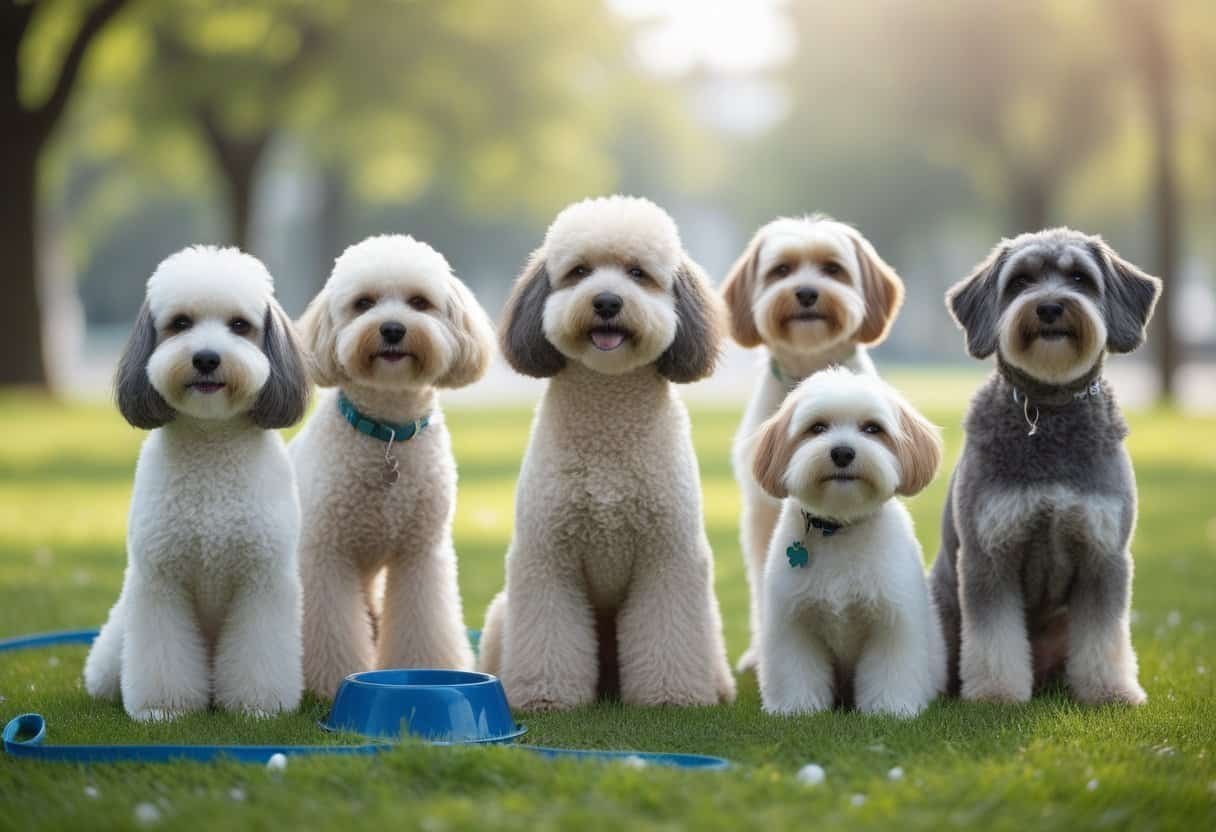
Poodles and Bichon Frises, for example, are well-known among hypoallergenic dog breeds. Their coats can be curly, wiry, or just not shed much at all.
Less shedding means fewer stray hairs and less dander floating around your place. Still, let’s be real—no dog is totally allergen-free. All dogs make at least some dander, saliva, and urine, all packed with proteins that can cause reactions.
If you’re allergic to dogs, your body reacts to those proteins. That’s why so many people with allergies look for breeds labeled hypoallergenic—they usually cause fewer or milder symptoms.
Common Misconceptions About Pet Allergies
Lots of folks think dog hair alone causes allergies. Actually, it’s the dander—tiny skin flakes—that’s usually to blame.
Some people also react to proteins in a dog’s saliva or urine. It’s a common myth that all low-shedding dogs are safe for people with allergies, but that’s just not true.
Some low-shedding breeds can still pump out plenty of dander. Even hairless dogs aren’t always safe for allergy-prone people.
Another myth is that hypoallergenic dogs are totally safe for anyone with allergies, but no dog is completely free from allergens. You might have fewer symptoms, but it’s never a guarantee.
Everyone’s body is different. Spending time with a specific dog before adopting is the only way to know for sure how you’ll react. Regular grooming and cleaning can help too—here are some tips.
Top Hypoallergenic Dog Breeds for Adoption
Some dog breeds just work better for people with allergies. These dogs shed less dander, so they’re easier on sensitive noses.
Poodle and Poodles
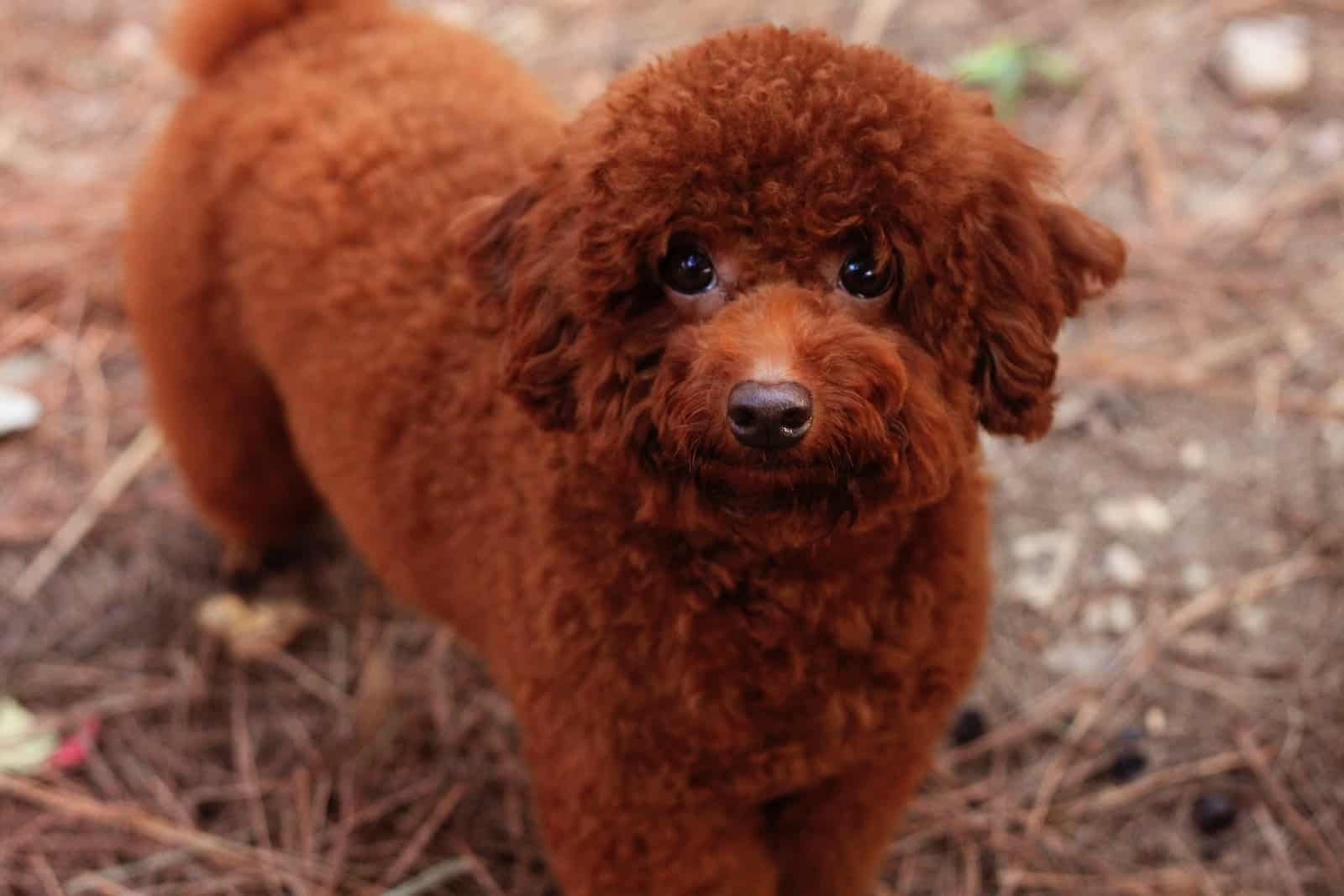
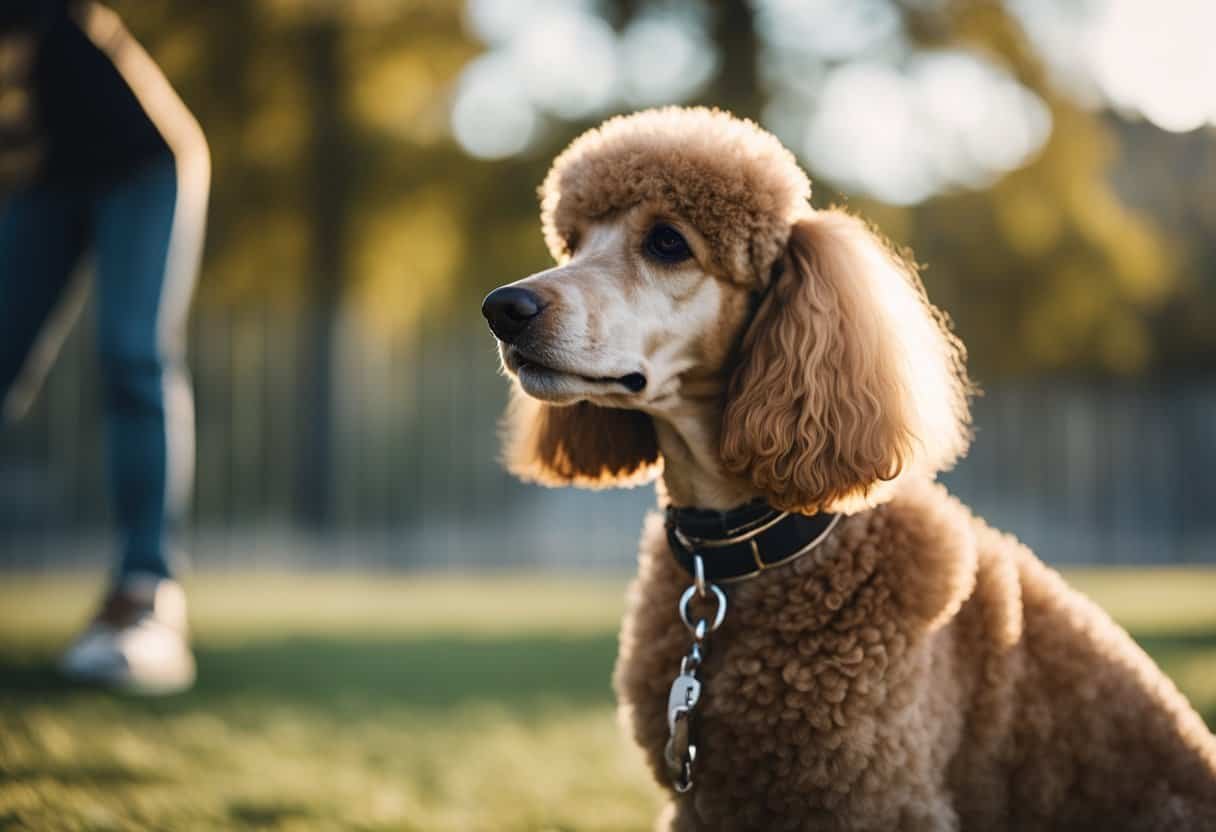
Poodles are famous for their brains and those curly, low-shedding coats. You’ll find them in standard, miniature, and toy sizes.
All sizes tend to make fewer allergens, which helps keep allergy attacks at bay. But their coat needs regular grooming or it’ll turn into a tangled mess.
Poodles show up in mixes like Labradoodles and Goldendoodles, too. Their allergy-friendly traits often get passed down.
They’re easy to train and fit in with all sorts of people—families, singles, seniors. Poodles are energetic and love both brain games and physical activity.
If you want to dig deeper, check out more about adopting poodles and poodle mixes.
Bichon Frise
The Bichon Frise is a small dog with a soft, curly coat that barely sheds. That means less dander ends up around your home.
They’re cheerful, playful, and great for families with kids or older adults. Bichons need regular grooming to keep their coats fluffy and clean.
They love daily walks and some indoor play. This breed fits nicely in both apartments and houses with yards.
Bichons are friendly, alert, and usually get along with other pets. Want more info? Here’s a solid Bichon Frise hypoallergenic guide.
Portuguese Water Dog
Portuguese Water Dogs have curly or wavy coats that hardly shed. Fishermen originally bred them for work in the water, so they’re strong swimmers.
Their coat needs regular brushing and trimming to avoid mats. These dogs are loyal and form tight bonds with their people.
They’ve got tons of energy and need lots of exercise—swimming, running, or fetch all work. Portuguese Water Dogs are smart and pick up training quickly.
Allergy sufferers often look to the Portuguese Water Dog for its hypoallergenic coat and lively personality.
Other Popular Hypoallergenic Dog Breeds
Plenty of other dogs shed less dander and hair, making life easier for some allergy sufferers. These breeds come in all shapes, coat types, and personalities.
Soft Coated Wheaten Terrier
The Soft Coated Wheaten Terrier is medium-sized and has a silky, wavy coat. This single-layer coat sheds less than most and needs regular brushing to avoid mats.
Wheaten Terriers are friendly and active, which makes them great family dogs. They love to play and need daily exercise—both physical and mental.
They adapt well to different homes, whether it’s an apartment or a house with a yard. Early socialization helps them avoid shyness or too much excitement.
Owners should groom them often and trim their hair every few months.
Schnauzers: Miniature, Giant, and Standard
Schnauzers come in three sizes: Miniature, Standard, and Giant. All have a dense, wiry coat that makes less dander, so they’re a hit with allergy-prone families.
Their trademark beard and eyebrows give them a quirky, memorable look. Miniature Schnauzers are small and alert, perfect for city life.
Standard Schnauzers are medium-sized and fit active families. Giant Schnauzers, the biggest, need plenty of exercise and steady training.
Grooming and trimming are a must to keep their double coats in shape and manage shedding. Hypoallergenic dog lists often mention all three Schnauzer types for their low-shedding coat and how easy they are to train.
Maltese and Havanese
Maltese and Havanese are both small companion dogs with silky coats that don’t shed much. Maltese have long, white hair and a gentle personality.
They’re friendly, love attention, and need daily brushing. Havanese have a soft, wavy or curly coat and are Cuba’s national dog, according to the PetMD.
Havanese are playful, social, and fit just about anywhere. Both breeds need regular grooming and sometimes professional haircuts.
Because they’re small and affectionate, these breeds are a favorite for people who want to avoid allergy flare-ups. Dog breed guides often recommend both Maltese and Havanese for allergy-sensitive homes.
Yorkshire Terrier
The Yorkshire Terrier, or Yorkie, is tiny with a fine, human-like coat. They don’t have an undercoat and barely shed, so there’s less to trigger allergies.
Their hair keeps growing and needs regular trimming and brushing. Yorkies are bold and energetic, acting like “big dogs” in a small body.
They’re loyal and handle apartment living well. Early socialization helps keep barking and stubbornness in check.
Their small size makes them easy to carry and great for people with limited space. Hypoallergenic dogs lists almost always include the Yorkie.
Regular grooming is a must to prevent tangles and keep their hair shiny.
Lesser-Known Hypoallergenic Dog Breeds
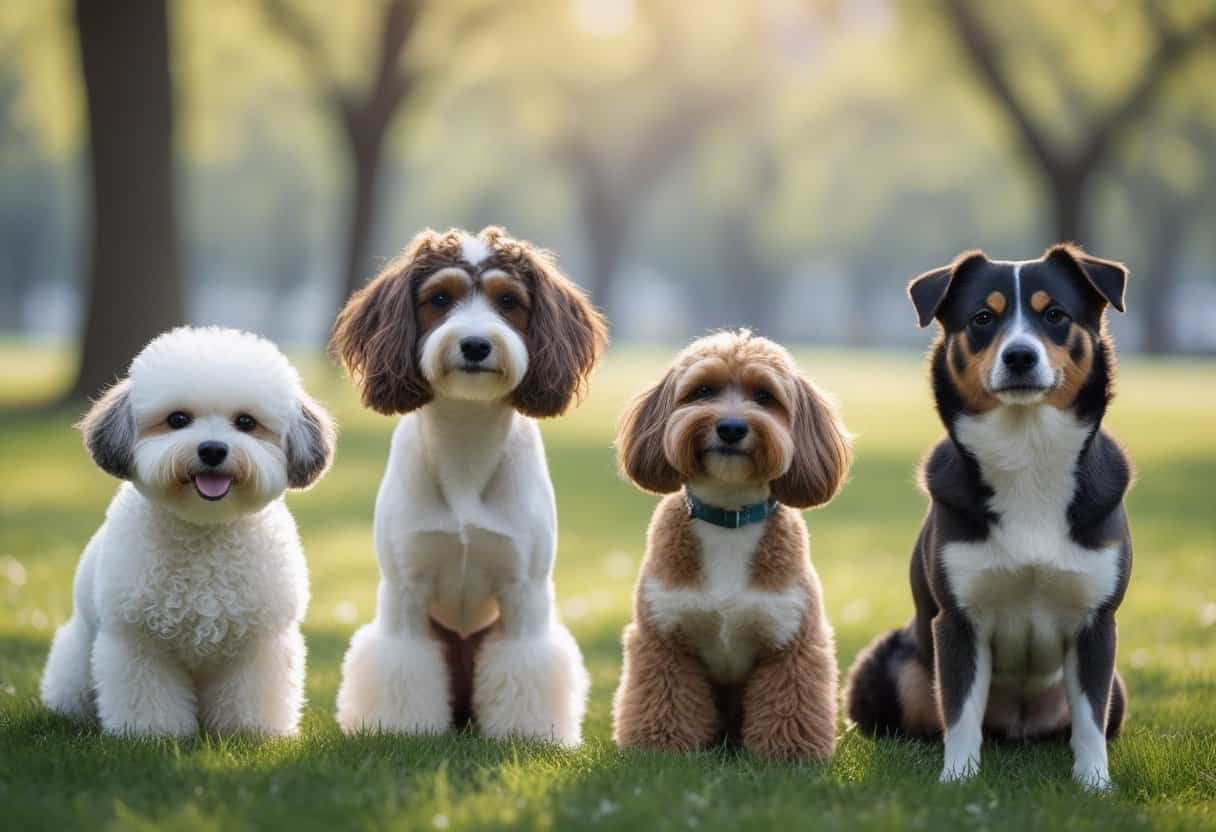
Some hypoallergenic breeds aren’t as mainstream as Poodles or Schnauzers, but they still offer low-shedding coats and quirky personalities. Going for one of these breeds can help with allergies and add something different to your home.
Basenji
The Basenji is a small-to-medium dog that barely sheds and makes very little dander. People call it the “barkless dog” because it yodels instead of barking.
Basenjis have short coats that are easy to care for and only need an occasional brush. They’re super clean and groom themselves like cats.
Basenjis are compact and athletic, with plenty of energy. They need lots of exercise and mental challenges every day.
Their independent streak means you’ll want to start training early. If you’re active and have allergies, a Basenji could be a great fit.
Kerry Blue Terrier
The Kerry Blue Terrier stands out with its blue-gray, curly coat. It barely sheds and works well for allergy-sensitive homes.
You’ll need to brush and trim the coat every 6-8 weeks to keep mats away. These dogs are alert, smart, and loyal—great family companions.
They started out herding and guarding livestock in Ireland. Kerry Blues are protective but not aggressive, and they’re usually friendly with kids.
They need daily walks and some playtime to burn off energy. Want to know more? Check out HeyAllergy’s guide to hypoallergenic breeds.
Bedlington Terrier
The Bedlington Terrier’s crisp, curly coat feels a bit like lamb’s wool and doesn’t shed much. You’ll need to keep up with grooming and clipping to maintain its look.
Their coat helps keep dander under control. Bedlingtons are medium-sized, gentle, and usually fit right into family life.
They’re affectionate and alert, but not hyper. Their slim build lets them excel at dog sports and other activities.
A calm temperament and low-shedding coat make the Bedlington a good pick for homes where allergies are a concern.
Rare and Unique Hypoallergenic Breeds
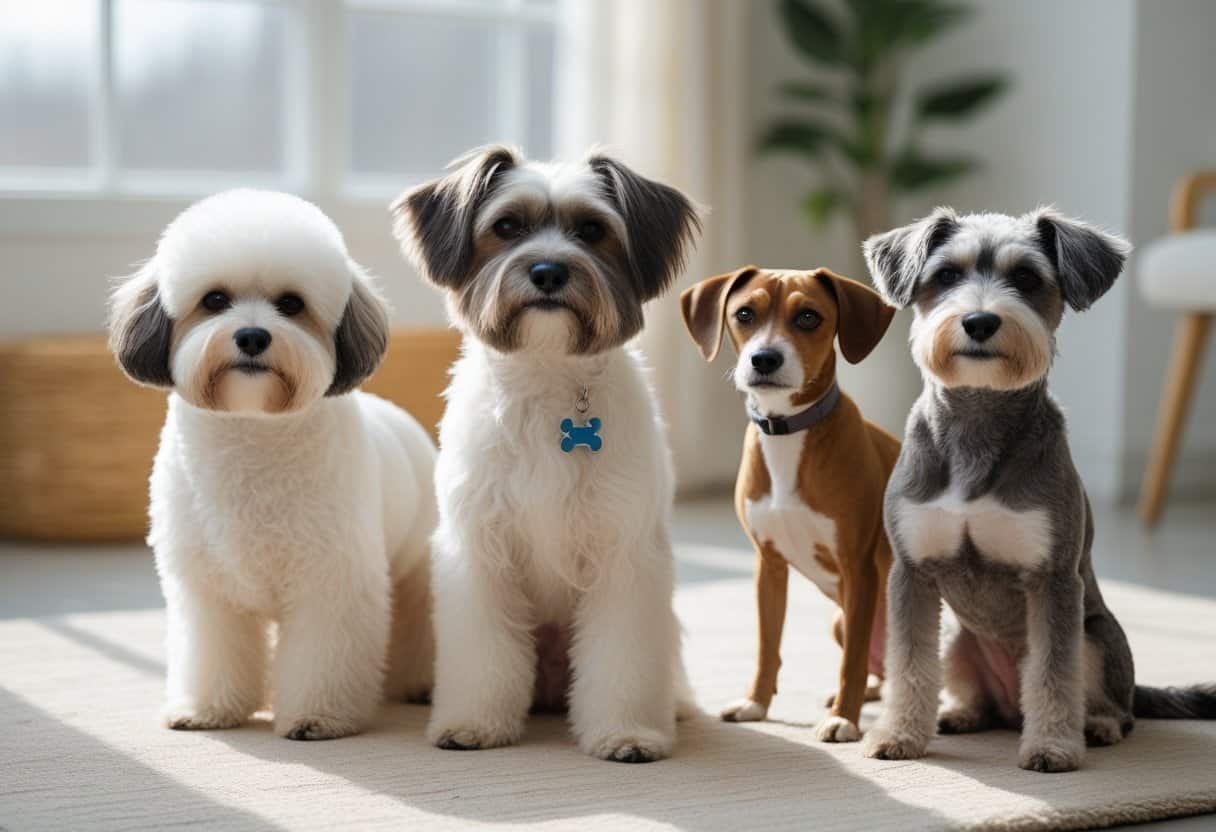
Some hypoallergenic breeds are hard to find and bring something special to the table. Each one comes with its own personality, size, and grooming quirks—perfect for anyone wanting something a little different.
Affenpinscher
The Affenpinscher is a small breed with a monkey-like face and a playful attitude. Weighing 7 to 10 pounds, they’re lively and alert without being hyper.
Their wiry coat sheds very little, so there’s less dander floating around your home. Regular brushing helps keep their fur in check and makes them look tidy.
They’re independent but stick close to their families, often forming strong bonds with their people. Because of their size and moderate exercise needs, Affenpinschers fit into apartment life pretty well.
Curiosity runs deep in these little dogs, and sometimes they can be a bit stubborn with training. Early socialization and steady routines go a long way to prevent unwanted behaviors.
Key facts about Affenpinscher:
- Height: 9-12 inches
- Weight: 7-10 pounds
- Coat: Wiry, short, hypoallergenic
- Temperament: Curious, loyal, sometimes stubborn
Afghan Hound
The Afghan Hound stands out with its long, silky hair and dignified vibe. Even with all that coat, Afghan Hounds shed less dander than you might think, which is good news for allergy sufferers.
They stand tall—about 25 to 27 inches at the shoulder—and weigh between 50 and 60 pounds. Grooming is a must to keep their fine hair from tangling.
Afghan Hounds tend to be independent and sometimes a bit aloof. Still, they’re affectionate with those they trust.
Because of their strong prey drive, it’s best to keep them in a secure yard and always on a leash during walks. They’re athletic and love a good play session, but they can chill indoors too.
Key facts about Afghan Hound:
- Height: 25-27 inches
- Weight: 50-60 pounds
- Coat: Long, silky, sheds little dander
- Temperament: Independent, elegant, sometimes aloof
Puli
The Puli grabs attention with its corded, mop-like coat, which is naturally hypoallergenic. This unique fur traps dander, so it doesn’t spread as much in the house.
Originally bred for herding, the Puli is lively, agile, and super smart. Pulik (that’s the plural) usually weigh between 25 and 35 pounds.
They need daily exercise and plenty of mental challenges. That corded coat? It takes patience and regular care to keep mats and odors at bay—especially after a wet romp.
Pulik bond closely with their families and pick up new things quickly. Their protective streak and adaptable nature make them one-of-a-kind.
Key facts about Puli:
- Height: 16-17 inches
- Weight: 25-35 pounds
- Coat: Corded, dense, hypoallergenic
- Temperament: Intelligent, active, loyal
Barbet
The Barbet, a French water dog, is known for its dense, curly coat that barely sheds dander. Its name comes from the French word “barbe,” or beard, which totally fits their look.
Barbets are medium-sized, weighing anywhere from 37 to 62 pounds. They’re friendly and outgoing, and they usually get along with kids and other pets.
Their thick coat needs regular grooming to avoid mats, but their gentle personality suits family life. Barbets are athletic and love water, so they’re great for outdoor adventures.
Key facts about Barbet:
- Height: 19-24.5 inches
- Weight: 37-62 pounds
- Coat: Curly, thick, hypoallergenic
- Temperament: Friendly, intelligent, playful
Learn more about other rare and lesser-known hypoallergenic breeds.
Hairless and Low-Shedding Dogs
Some hypoallergenic breeds have non-shedding or low-shedding coats, which means less dander and hair in your space. Hairless types are a favorite for allergy-prone folks, but others just shed less and need special grooming.
Chinese Crested and Hairless Chinese Crested
The Chinese Crested stands out for its unique look and minimal shedding. There are two types: the Hairless Chinese Crested and the Powderpuff.
The hairless kind has mostly bare skin with tufts of hair on the head, feet, and tail. This variety produces less dander than most breeds, according to the ASPCA Dog Care.
A lot of people with allergies pick the Chinese Crested since it barely needs brushing. Skin care is key for the hairless type, though—they can get sunburn or dry skin, so gentle dog sunscreen or moisturizer helps.
Even though they’re small, Chinese Crested dogs are active and friendly. They love being with their people, but can be shy with strangers.
For more hypoallergenic breeds, check out this guide to non-shedding and low-shedding dogs.
Wire Fox Terrier
The Wire Fox Terrier is sturdy and falls into the small-to-medium size range. Its wiry coat doesn’t shed much, but it does need hand-stripping—a grooming method where you pull out old hair by hand.
This keeps dander and loose hair to a minimum. Wire Fox Terriers are lively and always up for something new.
They need daily exercise and mental challenges. Grooming every few weeks helps keep their coat healthy and allergens low.
If you want a playful dog with minimal shedding, the Wire Fox Terrier could be a good fit. They’re good with older kids and can pick up tricks quickly, especially with positive training.
Scottish Terrier
The Scottish Terrier has a dense, wiry outer coat and a soft undercoat, which means hardly any shedding. Their coats make them a solid choice for allergy-sensitive homes.
Regular brushing and trimming are needed to avoid tangles and keep dander down. Scotties are independent and loyal.
They might come off as reserved, but they form tight bonds with their families. Some are protective, so they make decent watchdogs.
Scottish Terriers do well in apartments or houses. Their small size and low-shedding coats mean less cleaning and fewer allergy worries. Find more low-shedding breeds that suit allergy sufferers.
Mixed Breeds and Hypoallergenic Traits

Mixed breeds often inherit low-shedding and low-dander traits, making them a good pick for many allergy sufferers. Some breed pairings bring not just fewer allergens but also fun personalities and different looks.
Advantages of Adopting Mixed Breeds
Mixed breeds usually blend the best features of their parents. Many have coats that shed less, so dander doesn’t spread as much.
This makes them a practical option for people who want a dog but worry about allergies. Mixed breeds often have fewer genetic health issues, thanks to their wider gene pool.
They come in all shapes, sizes, and personalities. Shelters and rescue groups often have mixed-breed dogs that fit the hypoallergenic bill.
Adopting from a shelter gives a loving home to a dog that needs it. Mixed breeds with poodle or schnauzer parents are often the best bet for less allergy trouble.
Common Hypoallergenic Mixes
Some mixed breeds are known to be easier on allergies. The Labradoodle—a Labrador Retriever and Poodle mix—often keeps the Poodle’s allergy-friendly coat and is great with families.
The Cockapoo, a mix of Cocker Spaniel and Poodle, sheds less and is easy to train. The Schnoodle, a Schnauzer and Poodle combo, is another favorite for allergy sufferers.
No dog is totally hypoallergenic, but these popular hypoallergenic mixed dogs are a solid choice for sensitive folks. With so many coat types, energy levels, and personalities, there’s a mix for almost anyone.
How to Find Hypoallergenic Dogs for Adoption
Lots of families want hypoallergenic dogs to help with allergies. You can find these breeds by visiting local animal shelters or using online tools like Petfinder.
Local Animal Shelter Adoption Process
Local animal shelters are sometimes a good spot to find hypoallergenic dogs. Shelters may have both purebred and mixed breeds that shed less or create less dander.
Staff at the shelter can help you figure out which dogs are considered hypoallergenic and help match you with the right one. When you visit:
- Ask about non-shedding or low-shedding breeds.
- Spend some time with the dog to see if your allergies act up.
- Check the dog’s health records and vaccine history.
- Fill out an application and schedule an interview if needed.
It’s smart to visit shelters regularly since their dog lineup changes often. Hypoallergenic dogs can get adopted quickly, so patience is important.
Shelters might host meet-and-greet events to help families connect with the right pet. For more tips on adopting hypoallergenic dogs from shelters, check out this guide to finding hypoallergenic dogs for adoption.
Utilizing Petfinder and Online Resources
Online platforms like Petfinder make searching for hypoallergenic dogs a lot easier. These sites let you filter by breed, size, location, and even by non-shedding or low-dander needs.
To use these tools:
- Set filters for hypoallergenic or non-shedding breeds.
- Read each dog’s profile for details on temperament, age, and health.
- Reach out to the rescue group or shelter directly through the site.
Other online directories and rescue groups also list adoptable dogs, often with photos, videos, and info about the adoption process. If you can’t visit shelters in person, these tools make the search much easier.
For more info, check out Petfinder’s directory of hypoallergenic breeds.
Working with Rescue Groups

Finding a hypoallergenic dog to adopt gets a lot simpler when you know where to look and who to ask for help. Some groups focus on just one breed, while others help all kinds of dogs—including those less likely to trigger allergies.
Specialized Breed Rescue Organizations
Specialized rescue groups focus on saving and rehoming particular breeds known for being hypoallergenic. They might work with Poodles, Bichon Frises, or Schnauzers.
These groups really understand the grooming needs, personalities, and allergy risks of the dogs they help. They’re usually passionate about matching dogs with the right homes.
Benefits of working with specialized rescues:
- You get detailed knowledge about specific breeds
- Volunteers help match a dog’s temperament to your home
- They’ll guide you on managing allergies and care requirements
To find a rescue, try websites that let you search for hypoallergenic breeds in shelters and breed groups across the country. Petfinder and Adopt a Pet collect listings from trusted organizations.
It’s a good idea to contact breed-specific rescues directly. Ask if they have suitable dogs and join waitlists if needed.
Local Rescue Groups and Networks
Local rescue groups work with shelters, fosters, and the community to care for and rehome dogs. They don’t always focus on a single breed, but they often get hypoallergenic dogs—especially mixes with low-shedding breeds.
Here’s how to work with local groups:
- Visit rescue websites like Oregon Dog Rescue to see adoptable dogs
- Join local social media groups or mailing lists
- Share your allergy needs with volunteers so they can let you know when the right dog comes in
Many groups support adopters with meet-and-greets, advice, and sometimes trial adoptions. If you’re clear about your allergy needs, they can suggest the best options.
Keep in touch with volunteers. It really can boost your chances of finding a good fit.
Preparing for Adoption as Allergy Sufferers

Adopting a hypoallergenic dog takes more than picking the right breed. Allergy sufferers can make things easier by prepping their home and routines before and after adoption.
Home Preparation Tips
Cleaning matters a lot when you want to keep allergens down. Vacuum carpets, rugs, and furniture often to get rid of pet dander.
Use a vacuum with a HEPA filter. It’ll trap those tiny particles that cause trouble.
Hard floors are easier to clean than carpet. If you can, swap out fabric curtains and upholstered furniture for materials that don’t hold dust and dander.
Wash bedding, blankets, and dog toys in hot water regularly. That helps remove allergens.
Install air purifiers with HEPA filters in the main rooms where your dog will hang out. These can catch pet dander in the air.
Keep the grooming area clean. Try brushing your dog outside so loose hair and dander don’t build up inside.
Some families set up dog-free rooms—usually the bedroom—to create a safe space for allergy sufferers.
Managing Allergic Reactions
If you have allergies, talk to your doctor about your options. Over-the-counter allergy meds like antihistamines can help with sneezing and itching.
Wash your hands after touching the dog. It keeps allergens from spreading.
Wearing gloves and a mask while cleaning or grooming the dog can help you avoid dander. It’s not glamorous, but it works.
Regular grooming cuts down on loose fur and dander in the house. Most hypoallergenic breeds need frequent brushing and baths, which helps a lot.
For more tips on managing allergies and picking the right breed, check out this guide to hypoallergenic dog adoption.
If you notice your symptoms changing, adjust your cleaning routine or check in with your doctor. Everyone’s different, so it’s worth figuring out what works for you.
Grooming and Care Needs of Hypoallergenic Breeds

Hypoallergenic breeds usually need more attention to their coats than other dogs. They shed less, but regular grooming routines help keep their fur healthy and allergens down.
Maintenance of Coats
Most hypoallergenic dogs, like Poodles or Bichon Frises, have curly or wavy hair that traps dirt and dander if you don’t groom it often. Brushing at least 2-3 times per week helps prevent tangles and mats.
Some breeds, like Schnauzers or Portuguese Water Dogs, might need even more brushing. Their unique coats can get unruly fast.
Slicker brushes, combs, and de-matting tools work best for these coats. Check for tangles and debris regularly to avoid skin problems.
Go for unscented grooming products without harsh chemicals if you want an allergy-friendly routine.
Brushing spreads natural oils through the coat. That keeps fur soft and healthy.
Bathing and Cleaning Schedules
Bathing needs vary by breed and activity level, but most hypoallergenic dogs need a bath every 3-4 weeks. Bathing washes away loose hair and allergens.
Use gentle, hypoallergenic shampoos that won’t irritate sensitive skin.
If your dog spends a lot of time outside, you may need to bathe them more often. Always dry the coat fully—especially with curly or thick fur—since damp coats can cause skin issues.
Keep ears clean and nails trimmed as part of the routine. Wipe your dog down with a damp cloth between baths to remove surface allergens.
For more care tips, check out this hypoallergenic dog care guide.
Professional Grooming Advice
Many hypoallergenic breeds need professional grooming. Groomers have the right tools and know-how to trim, clip, and style coats to prevent matting.
Most breeds with fast-growing hair need a pro session every 4-8 weeks. Seems like a lot, but it makes a difference.
Groomers can recommend the best haircut for your breed. Some styles even help reduce dirt and allergens sticking to the fur.
They usually include ear cleaning, nail trimming, and teeth checks in their services. An experienced groomer who knows hypoallergenic breeds will keep your dog looking and feeling good.
For those thinking about adoption, grooming needs can help reduce allergy symptoms and make life at home a lot easier.
Lifestyle Considerations for Adopting Hypoallergenic Dogs

Picking a hypoallergenic dog means thinking about your day-to-day life. Will a new pet fit into your routines?
Matching a dog’s needs with your lifestyle sets everyone up for a better experience.
Family Suitability
Some hypoallergenic breeds, like Bichon Frises and Poodles, are gentle and do well with kids. Others, like Portuguese Water Dogs, are energetic and need an active family.
No breed is totally allergen-free, though. Families should keep that in mind.
Keeping your house clean and brushing the dog regularly helps, but it takes effort. If you have young kids or older family members, consider the size and activity level before adopting.
Mixed breeds with hypoallergenic traits can also fit a range of families. They’re often available through dog adoption programs.
Activity and Exercise Requirements
Most hypoallergenic breeds, like Portuguese Water Dogs and Miniature Schnauzers, need daily physical activity to stay healthy.
Walks, playtime in the yard, or games indoors all count. Skipping exercise can lead to boredom and unwanted behaviors.
Plan for at least 30 minutes each day for walks, play, or training. If your family is busy, look for dogs with more moderate energy levels that can adapt to your schedule, as experts recommend.
Think honestly about how much time you can give each day. Your dog will thank you for it.
Frequently Asked Questions
Which hypoallergenic dog breeds are best for families looking to adopt?
Breeds like Poodles, Bichon Frises, Schnauzers, and Portuguese Water Dogs often do well with children. They usually have gentle temperaments and shed less dander, making them good choices for families with allergies.
Mixed breeds with similar coats might also be a great match.
What are the steps to adopt a hypoallergenic dog from a shelter?
Start by searching local shelters or dog rescues for available hypoallergenic breeds. Many shelters post profiles online and let you filter by breed or coat type.
Visit the facility, meet the dog, fill out an application, and go through any interviews or home checks they require.
Are there any specific rescue organizations focused on hypoallergenic dogs?
Some rescue groups work only with hypoallergenic or low-shedding breeds. For example, poodle rescues and other breed-specific organizations focus on these dogs.
Online directories can help you find adoptable hypoallergenic breeds across different rescues.
What should potential adopters know about hypoallergenic dogs’ grooming needs?
Most hypoallergenic breeds need regular grooming, including brushing and haircuts, to keep their coats clean and reduce dander.
Skipping grooming can cause matting and increase allergens. Professional grooming every 4 to 8 weeks is usually recommended for curly or long-haired breeds.
How can one identify genuine hypoallergenic dog breeds available for adoption?
Check the shelter’s breed info and ask staff about the dog’s shedding traits. Look for breeds known for low dander, like those listed in reputable dog breed directories.
Mixed breeds may also be hypoallergenic if they inherit certain coat qualities.
What considerations should be made for the space and environment when adopting a large hypoallergenic dog?
Large breeds like Standard Poodles or Giant Schnauzers really need room to move around. If you’ve got a yard, that’s a big plus.
If not, daily walks are pretty much non-negotiable for their health. Allergens can build up fast, so it helps to clean floors and furniture often.