


Expert Insight: This guide draws on breed standards from the American Kennel Club (AKC), veterinary research, and decades of collective knowledge from poodle rescue organizations. Each poodle variety has distinct traits that prospective owners should understand before choosing the right fit.
Poodle breeds come in three AKC-recognized sizes: Standard (over 15 inches), Miniature (10–15 inches), and Toy (under 10 inches). All three share the same curly, low-shedding coat and rank among the most intelligent dog breeds. Unofficial varieties like Teacup and Moyen also exist but lack major kennel club recognition.
Poodle Breed Comparison Chart
| Trait | Standard Poodle | Miniature Poodle | Toy Poodle | Teacup Poodle* |
|---|---|---|---|---|
| Height | Over 15 in. | 10–15 in. | Under 10 in. | Under 9 in. |
| Weight | 40–70 lbs | 10–15 lbs | 4–6 lbs | 2–5 lbs |
| Lifespan | 10–14 years | 13–15 years | 14–18 years | 12–15 years |
| AKC Recognized | Yes | Yes | Yes | No |
| Exercise Needs | 60+ min/day | 30–45 min/day | 20–30 min/day | 15–20 min/day |
| Best For | Active families, large homes | Families, apartments | Seniors, small spaces | Experienced owners only |
| Grooming | Every 4–6 weeks | Every 4–6 weeks | Every 4–6 weeks | Every 4–6 weeks |
| Hypoallergenic | Yes | Yes | Yes | Yes |
*Teacup Poodles are not recognized by the AKC or UKC. Health risks are higher due to extreme miniaturization.
Overview of Poodle Breeds
Poodles really do stand out for their sharp intelligence, athleticism, and that unmistakable elegant vibe. There are several poodle types, each with their own quirks and a history that weaves through both Europe and the United States.
History and Origin
People in France call the poodle the Caniche, but it actually started off as a water retriever in Germany. The breed made its name in France, eventually becoming that country’s national dog.
Poodles originally helped hunters retrieve waterfowl, with those tight curls protecting them from cold water. In the 18th century, French nobility and circus performers fell for the breed’s cleverness and knack for learning tricks.
This popularity spread poodles far and wide across Europe and into other countries. Breeders eventually created different types: Standard, Miniature, and Toy.
Some folks trace the poodle’s history through its roles as an athlete, companion, and performer. These jobs shaped the poodle into the adaptable dog people know today.
Recognition by Kennel Clubs
Major dog organizations around the world recognize poodles officially. The American Kennel Club (AKC) lists three main types: Standard, Miniature, and Toy poodles.
Each type has its own size standards for height and weight. The United Kennel Club (UKC) and other groups also recognize these types.
According to the AKC, the Standard poodle stands over 15 inches at the shoulder. Miniature poodles fall between 10 and 15 inches, while Toy poodles top out at 10 inches.
Some breeders talk about Teacup poodles, but the big kennel clubs don’t officially recognize that size.
The AKC lays out detailed standards for each variety, covering everything from temperament to appearance.
Defining Characteristics
Poodles are famous for their dense, curly coats that shed very little, though you’ll need to groom them regularly. Their coats come in a bunch of solid colors.
They carry themselves with an elegant, squarely built frame. Poodles are among the most intelligent dog breeds and pick up commands fast.
People use them for agility, obedience, therapy work—you name it. Poodles are social and usually get along well with people.
There are several types of Poodles: Standard, Miniature, Toy, and Teacup. Each type keeps the core poodle traits but varies in size and sometimes personality.
Their adaptability and friendly nature make them a favorite for families and as working dogs.
Standard Poodle
The Standard Poodle stands out for its intelligence, elegant looks, and all-around versatility as a companion. It’s got that athletic build and an adaptable personality that’s hard not to appreciate.
Physical Characteristics
Standard Poodles are medium to large dogs. Adults usually reach 15 to 24 inches at the shoulder and weigh between 40 and 70 pounds.
Their thick, curly coat is low-shedding and comes in solid colors like white, black, brown, apricot, and gray. You’ll need to keep up with grooming—regular clipping and brushing prevent mats and tangles.
Standard Poodles have a square build, long legs, and a graceful, proud stance. Their muzzles are long, eyes are dark and oval, and their ears hang close to the head.
You’ll often see them in fancy grooming styles, but plenty of owners go for a simpler trim.
Personality and Temperament
Standard Poodles are smart and eager to please. They pick up new skills quickly, which makes training a breeze.
They’re friendly and affectionate with family, forming strong bonds. Most get along well with kids and other pets.
Standard Poodles are alert but not aggressive, and they’ll often be protective without turning into non-stop barkers. Their stable temperament helps them adapt to all sorts of lifestyles, as long as you give them enough attention and stimulation.
Exercise Needs
Standard Poodles have moderate to high exercise needs. Since they started out as water retrievers, they love physical activity and mental challenges.
Aim for at least an hour of exercise each day—walks, runs, or fetch are all good. Swimming is a favorite for many, since they’re natural in the water.
Give them toys and puzzles to keep their minds busy. If they don’t get enough activity, they might start chewing or digging.
Consistent exercise keeps them happy and healthy.
Role as Family Pets
Standard Poodles thrive as family pets and loyal companions. They’re affectionate and gentle with people of all ages.
Their intelligence helps them fit right in with active families or anyone who enjoys outdoor activities. Standard Poodles do best when they’re included in daily life and get plenty of interaction.
They’re usually patient with kids (with supervision) and get along with other pets. If you’re up for the grooming, exercise, and socialization, the Standard Poodle can be a fantastic, loving addition to your home.
Miniature Poodle
Miniature Poodles are popular for their manageable size, friendly temperament, and ability to adapt to different lifestyles. They fit well in both apartments and houses.
Their playful nature makes them a hit with families.
Size and Appearance
Miniature Poodles stand between 10 and 15 inches at the shoulder and weigh 10 to 15 pounds. Their compact size sets them apart from the larger Standards and the tiny Toys.
Mini Poodles have a square build—height and length are about the same. Their coats are curly and dense, and you’ll see them in colors like white, black, apricot, brown, gray, and sometimes parti-color.
Because they shed so little, people with mild allergies often choose them. Their eyes are dark and oval, giving them that bright, alert look.
Grooming is a must. Brush them regularly and get them professionally groomed every four to six weeks to keep their coat neat.
Don’t forget to check their ears and trim nails, too.
Here’s more on their physical traits: Miniature Poodle breed profile.
Suitability as Lap Dogs
Miniature Poodles make great lap dogs thanks to their small size and puppies/”>affectionate nature. They love being close and often snuggle up on laps during downtime.
This breed forms strong bonds with family and can be both loyal and caring. They’re playful, but also happy to relax and cuddle.
Their gentle temperament means they usually get along with kids and adults. Miniature Poodles adapt easily, so they’re comfortable in apartments or bigger homes.
It’s important to give them positive social experiences early on. That helps them build confidence and feel secure.
They do best in homes where they’re part of daily life.
Check out this guide on Miniature Poodles as pets for more.
Activity Requirements
Miniature Poodles are active, smart dogs who love regular exercise. Daily walks and play sessions keep them happy.
Mental stimulation—like puzzle toys or basic training—is just as important. Without enough to do, they can get bored and pick up bad habits.
Mini Poodles enjoy fetch, swimming, and even agility courses. Their roots as water retrievers make them especially fond of swimming.
They respond well to routine. Keep them engaged with both physical and mental activities.
Even though they’re good lap dogs, they’re not couch potatoes.
You’ll find more about their exercise needs in this Miniature Poodle care guide.
Toy Poodle
The toy poodle is the smallest of the bunch, bred mostly as a companion dog. People love them for their intelligence, tiny size, and friendly personality.
They’re especially popular with families, seniors, and anyone living in a smaller space.
Notable Traits
Toy poodles are among the smallest poodles, usually weighing up to 6 pounds. They stand about 10 inches tall at the shoulder.
Their curly coats come in colors like white, black, apricot, and brown. You’ll need to keep up with regular grooming and trimming to avoid matting.
These little dogs are smart and eager to learn. Toy poodles are easy to train and pick up new commands quickly.
They’re friendly and social, and they adapt well to both city and suburban life. Toy poodles tend to bark at new or unusual sounds, so they make pretty good little watchdogs—not guard dogs, but they’ll let you know when something’s up.
Key features:
- Small and lightweight
- Hypoallergenic, curly coat
- High intelligence
- Loyal and affectionate
Best Home Environments
Toy poodles fit right in with apartments, condos, or small houses. They don’t need much space, but they still need daily walks and playtime.
These dogs are great for families, couples, or singles. They do best when someone’s home most of the time, since they bond closely and can get lonely if left alone too long.
For seniors or anyone wanting a pet that doesn’t need tons of exercise, the toy poodle is a solid pick. Just be careful with small kids—these dogs are sensitive to rough play and need gentle handling.
Toy poodles usually get along with other pets if you introduce them slowly. They adapt quickly to changes in routine or environment, so they’re a flexible choice for lots of lifestyles.
Training and Socialization
Training a toy poodle is usually fun and rewarding. These dogs are smart and eager to please.
They pick up commands quickly when you use treats, praise, or toys as rewards. Positive reinforcement works best for them.
Early socialization matters a lot for toy poodles. Letting them meet different people, animals, and see new places helps them grow into confident, well-rounded dogs.
Puppy classes and daily walks give them chances to practice social skills. It’s a good way to prevent shyness or nervous habits.
Housebreaking tends to go smoothly with this breed. Still, you’ll need patience and a clear routine.
Setting boundaries early helps curb unwanted behaviors. Toy poodles do best when they know what’s expected.
Mental stimulation is a must. Puzzle toys, training games, and plenty of interaction keep their minds busy.
If they get bored, they might start chewing things or acting out. Keeping them engaged helps a lot as they grow.
For more in-depth info, check out The Spruce Pets Toy Poodle profile.
Teacup Poodle and Other Rare Sizes
Poodles come in sizes that most people haven’t even heard of. Beyond toy, miniature, and standard, there are teacup and medium types.
Each one brings its own quirks and care needs. Some owners really love these less common varieties.
Teacup Poodle Characteristics
Teacup Poodles are the smallest poodle variety. Adults usually weigh just 2-5 pounds and stand under 9 inches tall.
People often choose teacup poodles for small apartments or because they want a tiny companion. Their size is adorable, but it also means they’re pretty fragile.
Accidents can happen easily, so you’ve got to watch your step. Teacup poodles are more prone to health issues, especially low blood sugar (hypoglycemia).
To help with this, owners should feed them four to six small meals a day until they’re six months old. You’ll find more tips on teacup poodle feeding and care in these guides.
Despite their tiny bodies, teacup poodles are lively and playful. They crave daily exercise and lots of attention.
Socialization is important to avoid behavioral issues. Teacup poodles often stick close to their owners and can be shy with strangers.
Don’t forget about grooming. Their coats need just as much care as the bigger poodles.
Moyen, Klein, and Medium Poodles
Moyen, Klein, and Medium Poodles fill the gap between miniatures and standards. Not every country recognizes these types, but they’re pretty popular in parts of Europe.
A moyen or klein poodle usually stands 15-20 inches tall and weighs 20-40 pounds. “Klein” means “small” in German, while “moyen” is French for “medium.”
These poodles are a sweet spot for folks who want something bigger than a miniature but not as big as a standard. The Klein Poodle stands out for being smart, eager to please, and friendly.
Medium poodles need the same basics as other poodles: regular exercise, mental challenges, and grooming. Their in-between size makes them adaptable to lots of homes and lifestyles.
Some families prefer them because they’re easy to handle and full of affection.
Popular Poodle Mixes
Poodle mixes are everywhere these days. People love them for their smarts, low-shedding coats, and sweet personalities.
There’s a poodle mix for almost every lifestyle. Sizes and energy levels vary a ton.
Labradoodle
The Labradoodle is a cross between a Poodle and a Labrador Retriever. These dogs are playful, smart, and loyal.
Their coats are usually curly or wavy and tend to shed less, which is a relief for allergy sufferers. Most Labradoodles are medium to large, weighing 50 to 65 pounds.
They need daily exercise, like walks or romps in the yard. Families like their friendly attitude, and they usually get along great with kids and other pets.
Labradoodles pick up training quickly. They often enjoy fetch, swimming, and obedience games.
You’ll find them in colors like black, brown, cream, and gold. Most live about 12 to 14 years.
If you’re curious, read more about Labradoodles and other Poodle mixes.
Goldendoodle
A Goldendoodle is what you get when you cross a Golden Retriever with a Poodle. They’re known for being affectionate and easygoing.
Goldendoodles are super popular thanks to their fluffy coats and friendly vibe. They fit into a lot of different homes.
There are all sorts of sizes, from mini to standard. Most standard Goldendoodles weigh between 50 and 90 pounds.
Their coats can be curly, wavy, or sometimes straight. They usually shed less than Golden Retrievers, which is a plus for allergy-sensitive folks.
Families love how gentle and patient they are with kids. Goldendoodles are smart and respond well to training.
They need daily exercise, whether it’s a walk or a game of fetch. Want to know more? Check out this Goldendoodle and Poodle mix guide.
Cockapoo
The Cockapoo is a mix of Cocker Spaniel and Poodle. People love their small-to-medium size and cheerful personalities.
Most Cockapoos weigh between 12 and 24 pounds, depending on their Poodle parent’s size. They’re friendly with people and pets, and they do well in both city apartments and suburban homes.
Cockapoos make great companions for just about anyone—families, singles, or seniors. Their coats can be curly or wavy, and you’ll need to groom them regularly.
They’re quick learners and enjoy tricks or agility games. Cockapoos usually live 12 to 15 years.
For more info on Cockapoos and other Poodle mixes, check out All Things Dogs.
Other Noteworthy Poodle Crossbreeds
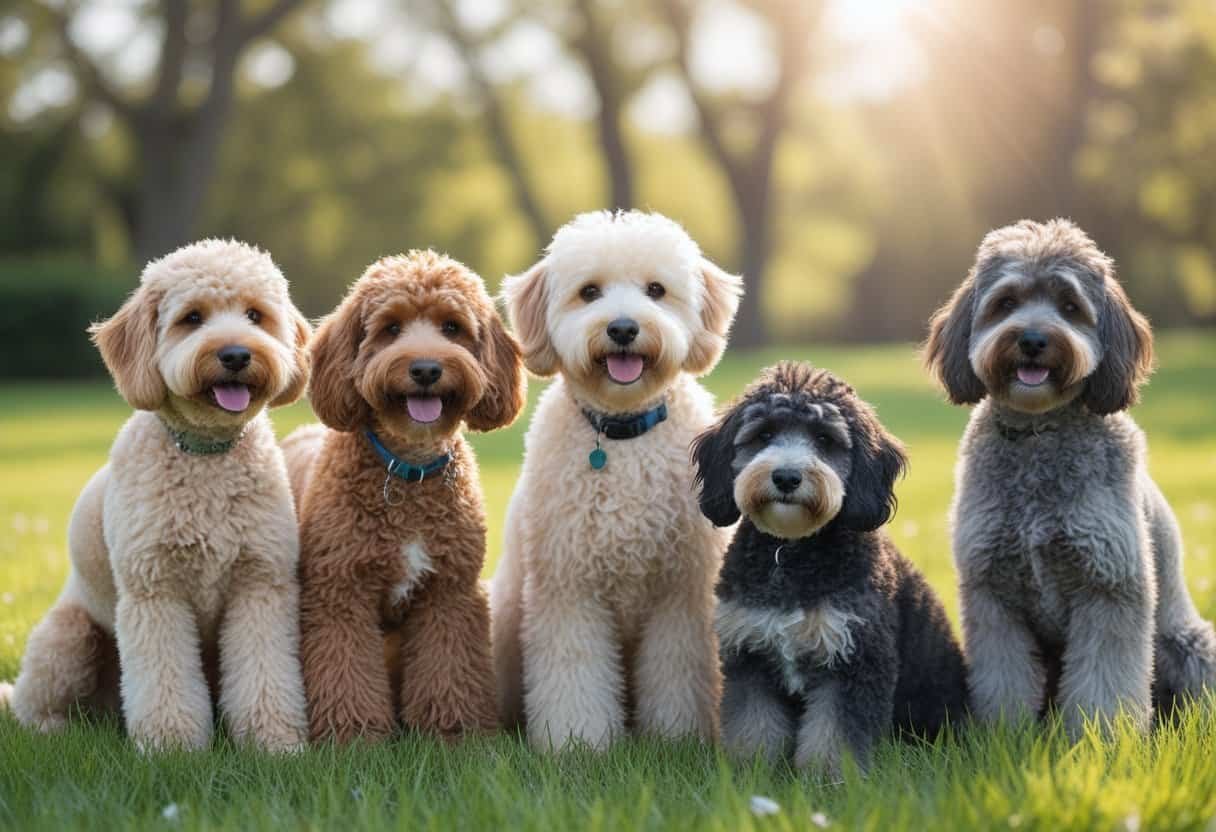
Poodle crossbreeds are a fun mix of Poodle traits and whatever the other parent brings to the table. Some stand out for their personality, energy, or unique grooming needs.
Maltipoo
The Maltipoo is a Maltese and Poodle cross. Most Maltipoos are small, weighing 5 to 20 pounds.
Their coats are soft, sometimes wavy or curly. Families pick them for their playful, friendly attitude.
Maltipoos get along well with kids and other pets. They’re alert and make decent watchdogs, though their bark can be a bit much for their size.
They don’t need tons of exercise. A daily walk and some playtime usually do the trick.
Maltipoos are smart and respond well to positive training. You’ll need to stay on top of grooming to avoid mats.
Want to learn more? Here’s a link about the Maltipoo and other poodle crosses.
Yorkipoo
The Yorkipoo comes from a Yorkshire Terrier and a Poodle. These little dogs usually weigh between 4 and 14 pounds.
Yorkipoos are energetic and love attention. They thrive on human interaction.
They’re clever and pick up tricks quickly, but sometimes they can be a bit stubborn. Training might take some extra patience.
Yorkipoos have fine, low-shedding coats that need regular brushing. They’re great for apartments but still need daily activity.
Their small size makes them easy to travel with or keep in smaller homes.
Schnoodle
A Schnoodle is a Schnauzer and Poodle mix. Size depends on whether the Schnauzer parent is miniature, standard, or giant.
Schnoodles are smart, playful, and sometimes a bit protective. Owners appreciate their loyalty.
They often inherit the Schnauzer’s watchdog habits and will alert you if someone’s at the door. Grooming varies, but regular brushing and trims are usually needed.
Schnoodles have lots of energy and do best with daily play and moderate exercise.
Cavapoo
The Cavapoo is a mix of Cavalier King Charles Spaniel and Poodle. Cavapoos are gentle and social, and they love spending time with people.
They usually weigh 12 to 25 pounds, depending on their Poodle parent. People choose Cavapoos for their affectionate nature and adaptability.
They usually get along well with kids and other pets. Their coats can be curly or soft and wavy, and they do need regular grooming.
Cavapoos need daily walks and playtime to stay happy and healthy. If you’re after a gentle, friendly dog, the Cavapoo and other poodle breeds are worth a look.
Poodle Coat and Colors
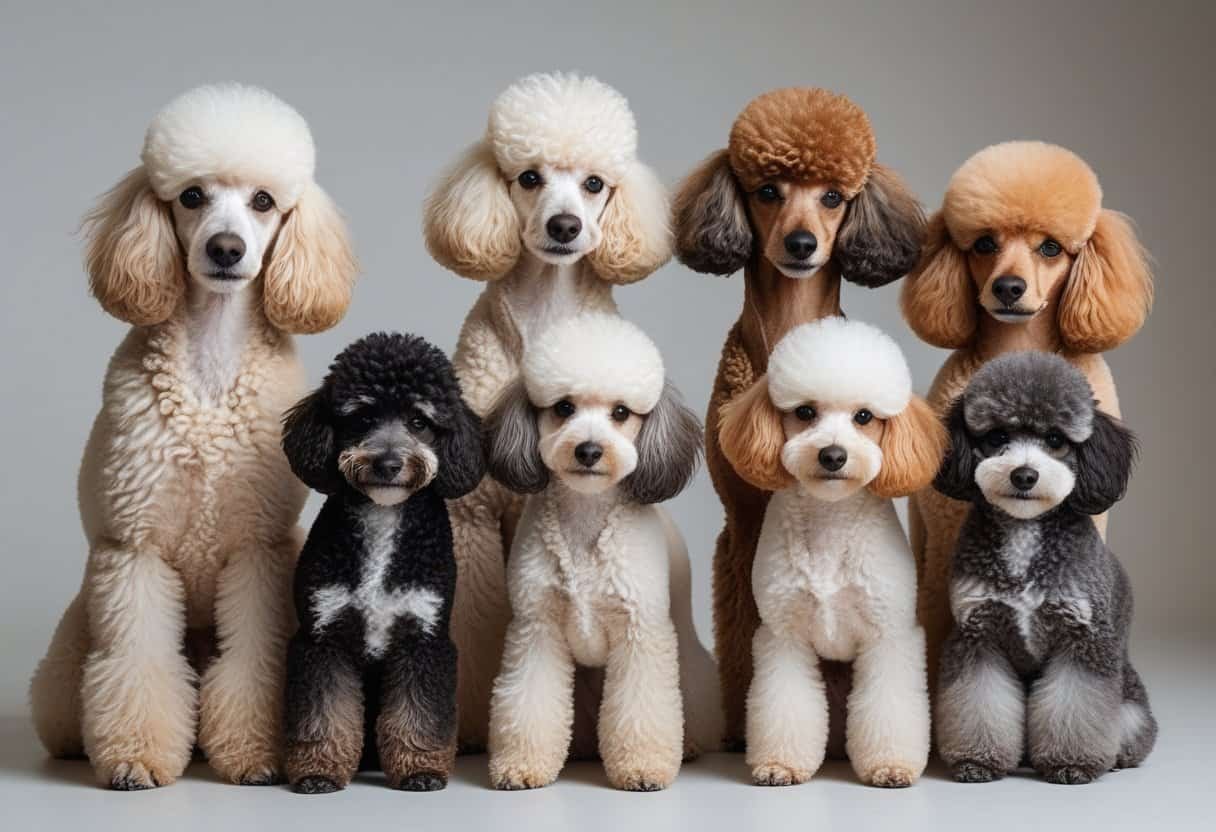
Poodles are famous for their curly coats and all those colors. The curls make them stand out, and the range of colors keeps things interesting.
Understanding the Curly Coat
Poodles have dense, curly coats that really set them apart. This curly hair traps loose fur and dander, which is why people often call poodles hypoallergenic.
Their coat is actually a single layer of hair, not fur. That means you’ll need to groom them regularly to avoid mats and tangles.
A lot of owners go for professional grooming or keep their poodle’s hair trimmed short. It just makes life easier.
Those curls also protect poodles from cold water and bad weather. This comes from their background as water retrievers.
Grooming takes effort, but the upside is minimal shedding. Poodles tend to cause fewer allergy issues for most people.
Common and Rare Coat Colors
Poodles come in all sorts of colors. The most common poodle colors are black, white, brown, apricot, cream, and red.
You’ll also see rare shades like blue, silver, gray, and café au lait. Multi-colored poodles—like parti (white with spots) or phantom (tan markings on a dark coat)—are less common but really eye-catching.
For a closer look at the options, check out this guide to poodle coat colors.
Sometimes, a poodle’s color changes as it grows. Puppies might start out dark and lighten up over time.
Selective breeding has made a wide spectrum of poodle coat colors possible. Every poodle ends up with its own unique look.
Grooming and Maintenance
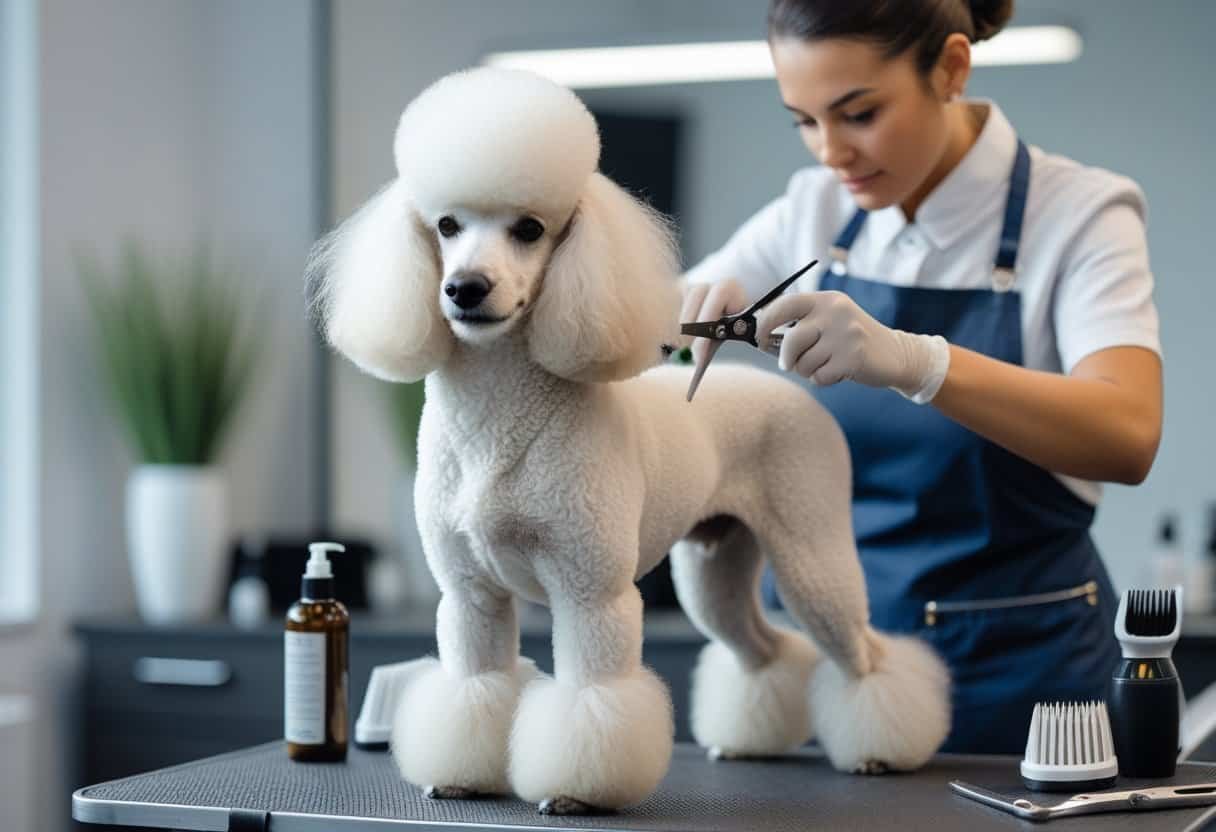
Poodle breeds really need regular grooming to keep their curly coats healthy and free of mats. Their coat is pretty unique—dense, curly, and always growing, so skipping care? That can cause problems fast.
Brushing and Bathing
Most people brush their poodle at least 2-3 times a week, though some do it daily just to avoid tangles. That curly coat traps dirt and debris like a magnet, and if you don’t stay on top of it, mats show up in no time.
A slicker brush and a metal comb work best to reach all the way down to the skin. Mats love to hide behind the ears, on the chest, and between the legs.
You can gently work out those mats with a detangling spray if you need to. As for baths, poodles usually need one every 3-4 weeks, using a gentle dog shampoo.
Bathing helps keep them smelling fresh and their skin healthy. If you overdo it, though, their skin can get dry.
Don’t forget about trimming nails and cleaning ears—that’s all part of the routine.
Professional Grooming Needs
Most poodles visit a professional groomer every 4-6 weeks for a full haircut and styling. Groomers shape the curly coat into specific trims, like the “puppy clip” or “continental clip,” to help with cleanliness and prevent mats.
Professional grooming covers bathing, blow drying, brushing, clipping, and nail trimming. It’s not just about looks—regular grooming keeps the dog comfortable and healthy, especially since their coat keeps growing.
Some owners pick up basic grooming skills to handle small tasks at home. Still, most folks prefer a pro for the big jobs.
Some poodle mixes need high-maintenance grooming routines too, thanks to similar coats.
Health and Longevity of Poodle Breeds
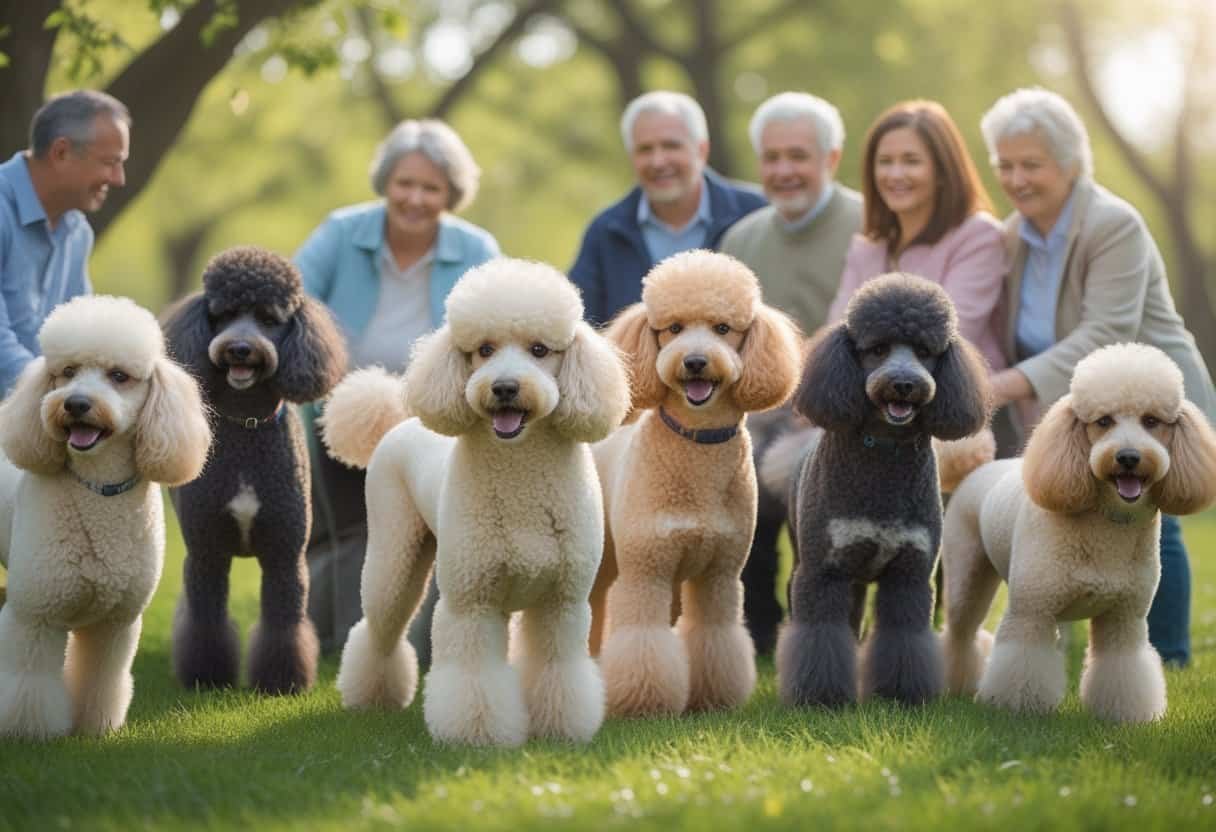
Poodles have a reputation for long lives and generally solid health, but they can face certain breed-specific medical conditions. Keeping them healthy means regular checkups, a good diet, and activities that keep their minds busy.
Genetic Health Conditions
Like most purebred dogs, poodles have some genetic health risks. These can include hip dysplasia, progressive retinal atrophy (PRA), and some forms of heart disease.
Toy and Miniature Poodles might deal with patellar luxation, while Standard Poodles are more likely to develop bloat or gastric dilatation-volvulus. Some bloodlines have specific issues, like autoimmune disorders or skin problems.
Poodles are prone to certain eye disorders too—cataracts and glaucoma, for example. Regular vet care and screenings help catch these problems early.
Toy and Miniature Poodles usually live 14 to 16 years. Standard Poodles tend to have a shorter lifespan, around 10 to 14 years.
Larger breeds like the Standard Poodle face more risk for bone cancer and joint trouble. If you want more details, Poodle Life Expectancy: Facts, Figures, and FAQs breaks it down by variety.
Diet and Preventative Care
A balanced diet really matters for poodles. Go for high-quality dog foods with real meat, healthy fats, and whole grains.
Skip fillers like corn or soy—they can trigger allergies or cause weight gain. Poodles need regular exercise to keep their joints and heart in shape.
Daily walks, swimming, or agility training are all great ways to keep them fit. Mental stimulation is huge; puzzle toys, obedience training, and games help prevent boredom and anxiety.
Preventative care should cover regular vet visits, vaccines, dental care, and parasite prevention. Watch for any changes in behavior, appetite, or energy—those can be early signs of trouble.
A clean home and proper grooming help avoid skin infections and mats. More on how care impacts health: Understanding Poodle Longevity: What Impacts Their Lifespan?.
Poodles in Competitions and Dog Shows
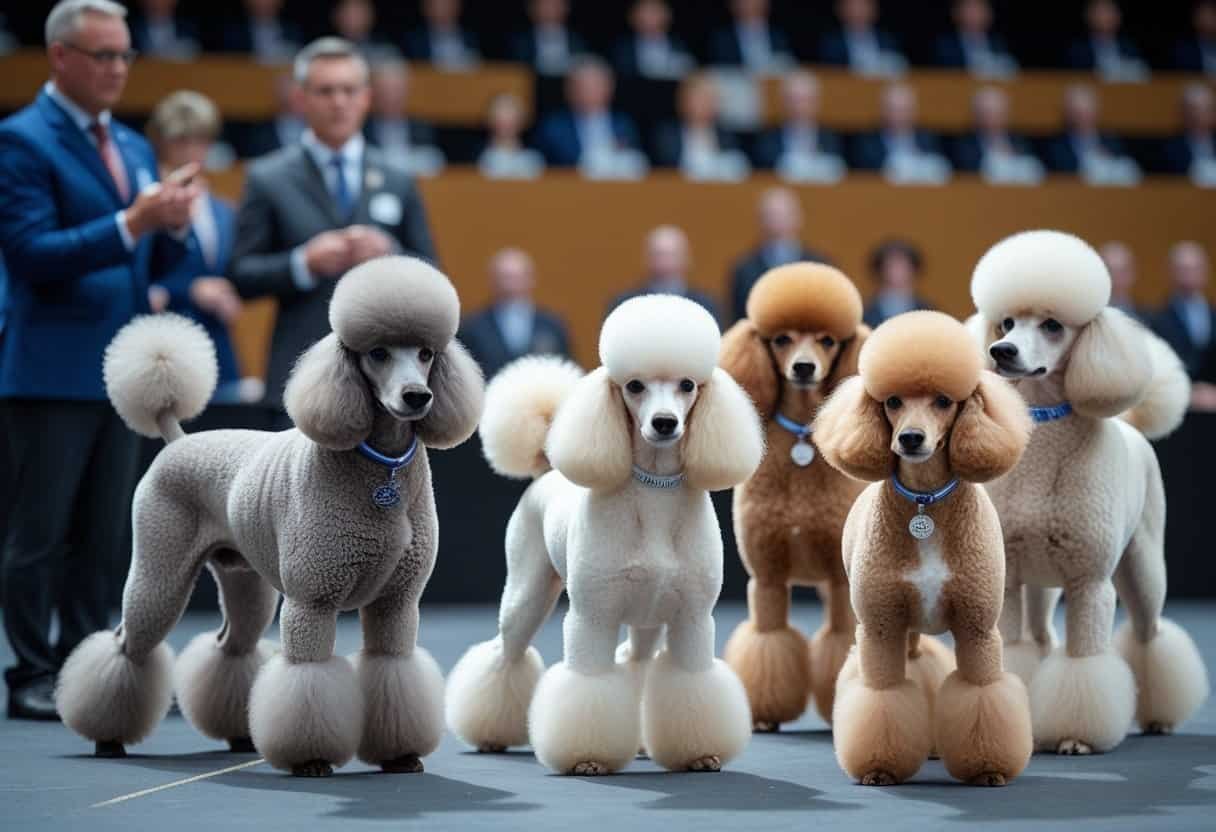
Poodles show up in all kinds of events, especially dog shows and sports competitions. Their intelligence, athleticism, and unique grooming needs make them stand out.
Show Standards and Judging
Poodles follow strict show standards in competitions. Judges look at size, color, grooming, and the dog’s health and attitude.
They compete in three sizes: Standard, Miniature, and Toy. Each size has its own height range and requirements.
Grooming is a big deal in the show ring. The coat should be dense and curly, and special cuts like the “Continental” or “English Saddle” are common for Standard Poodles.
Only certain solid colors—like black, white, blue, and apricot—are allowed. If a dog has patchy fur or sheds, it’s usually disqualified.
Poodles usually compete in the Non-Sporting Group at American Kennel Club events. Judges pay attention to movement and posture.
Confidence and alertness are positive traits. The breed’s history sets a high bar for performance.
Training for Competition
Getting a poodle ready for competition takes real dedication. Training should start early, focusing on basic commands and socialization.
Obedience is essential since the show environment is crowded and noisy. Handlers practice walking their poodle calmly by their side, keeping the dog focused.
Treats and praise work wonders for motivation. Many owners join special classes to learn grooming and handling tricks that make their dog stand out.
Poodles learn quickly, but their energy needs to be channeled with regular exercise. A mix of grooming, training, and play keeps them healthy and well-behaved.
Poodle competitions include agility and other events, but dog shows require extra attention to grooming and composure in front of judges.
Frequently Asked Questions
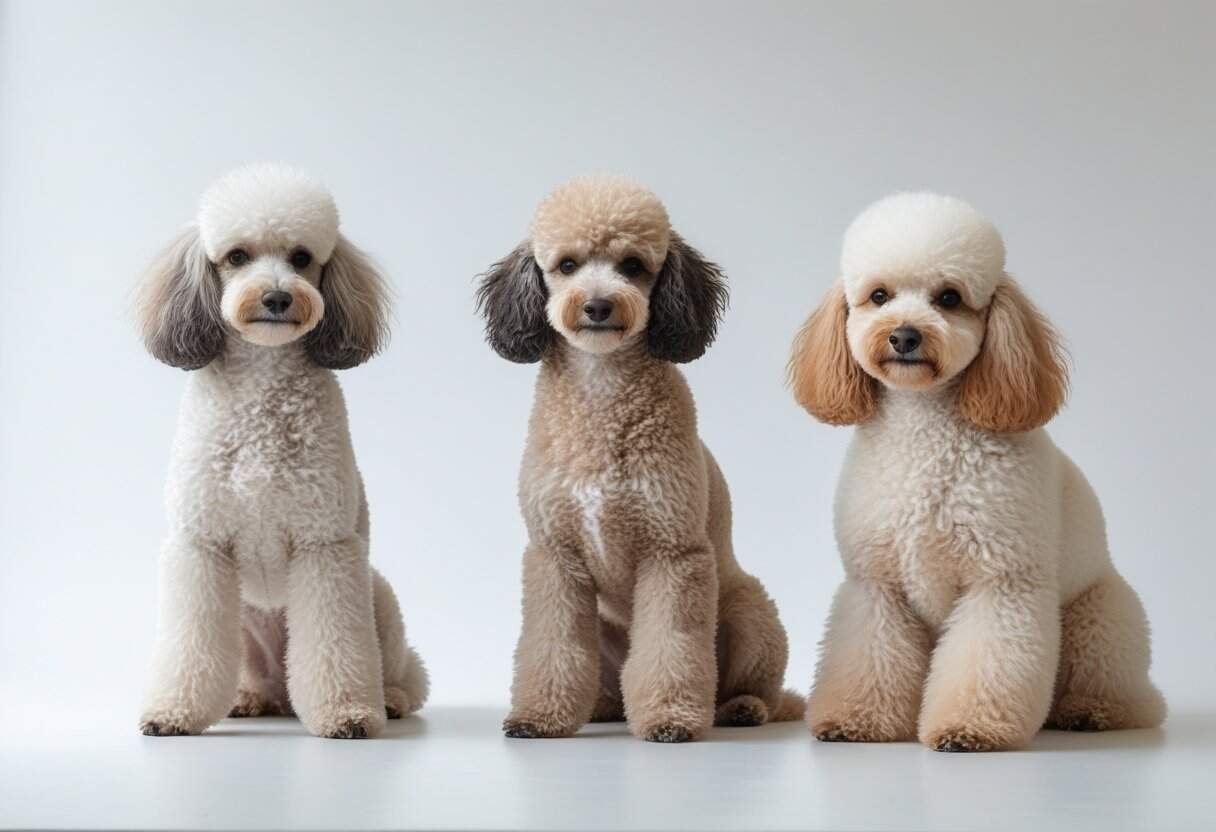
Poodles come in several sizes and varieties, each with their own quirks and personalities. Some are famous for being allergy-friendly, while others are pretty rare.
What are the different sizes of Poodle breeds available?
You’ll usually see poodles in three main sizes: Standard, Miniature, and Toy. Standard Poodles stand over 15 inches tall, Miniatures are 10 to 15 inches, and Toys are under 10 inches.
They share similar personalities but vary in size and specific needs. More details are at World Deer’s guide.
What features distinguish Miniature Poodle breeds?
Miniature Poodles are smaller than Standards but bigger than Toys. They stand 10 to 15 inches tall and usually weigh 10 to 15 pounds.
These poodles are clever, energetic, and easy to train. They’re a hit with families and singles who want a smaller, lively companion.
Which Poodle breed is known for being hypoallergenic?
All poodle sizes—Standard, Miniature, and Toy—are known for their hypoallergenic coat. Their curly fur produces less dander, which helps people with allergies.
No dog is totally allergen-free, but poodles are often recommended for folks with sensitivities.
What is currently the most popular Poodle breed?
The Standard Poodle is a classic favorite in dog shows and as a pet. Lately, though, Miniature and Toy poodles have become more popular thanks to their smaller size and ability to thrive in apartments.
A lot of people pick Miniature Poodles for their smarts, size, and flexibility.
Are there any rare Poodle breeds, and if so, what are they?
Besides the main three, there are some less common types like the Klein or Moyen Poodle. They aren’t officially recognized in the U.S., but they’re popular in Europe.
Klein or Moyen Poodles are medium-sized, fitting right between Standard and Miniature.
How can I identify the distinct types of Poodles with pictures?
Size and build are the main clues when you’re looking at photos. Standard Poodles look tall and sturdy.
Miniature and Toy Poodles have a much more compact frame. Their coat is always curly and dense, no matter the type.
Colors and styles can change a lot, but that signature coat stays the same. If you want to see clear photos and more details, World Deer’s Poodle information page is actually pretty handy.
Explore All Poodle Sizes & Types
From teacup to giant, discover every poodle variety:
Poodle Sizes
- Moyen Poodles – The medium-sized poodle
- Micro Poodles – Tiny companions
- Giant Poodles – Royal-sized poodles
- Teacup Poodle Puppies
- Miniature Poodle Puppies
- Toy Poodle Size Charts
Poodle Characteristics
Breeding & Puppies
Related Posts

Related Posts
Frequently Asked Questions
What should I know before getting started?
Every poodle is unique, so patience and consistency are key. Start slowly and adjust based on your dog’s response.
How long does this typically take?
Results vary, but most owners see progress within 2-4 weeks of consistent effort.